Table of Contents >> Show >> Hide
- What Is the DOPE Bird Personality Test?
- Where DOPE Comes From and Why It Feels So Familiar
- Meet the Four DOPE Archetypes
- How to Take the DOPE Test and Read Your Results
- Real-World Uses: Work, Leadership, Relationships, and Learning
- Science Check: What DOPE Does Well and Where to Be Careful
- Your 30-Day DOPE Growth Plan
- Final Takeaway
- Extended Experiences: 500+ Words from Real-World Style Clashes and Wins
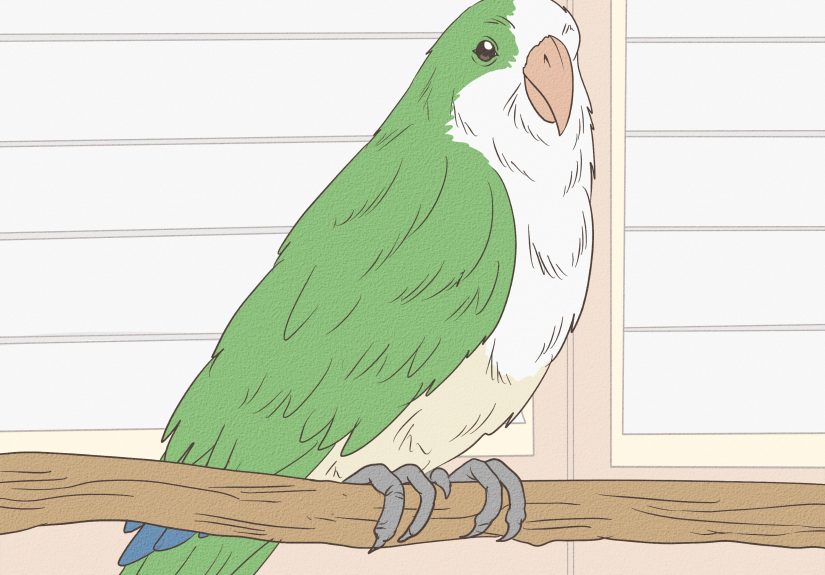
Some people take personality tests for deep self-discovery. Others take them because they want to know why their coworker writes novels in Slack while they reply with one word and a thumbs-up. The DOPE Bird Personality Test is a fun, fast, and practical framework that helps you understand your communication style through four bird archetypes: Dove, Owl, Peacock, and Eagle.
If you’ve ever thought, “Why do I need details before acting?” or “Why does my teammate need to brainstorm out loud before deciding anything?” this model can help. It’s simple enough for everyday use but powerful enough to improve teamwork, leadership, conflict management, and even your text-message diplomacy.
In this guide, you’ll learn what the DOPE test is, how it connects to broader personality frameworks, what each archetype looks like in real life, and how to use your results without turning into That Person who says, “Sorry, I’m just an Eagle,” before bulldozing a meeting. You’ll also get a 30-day practical growth plan plus a long-form experience section packed with realistic scenarios.
What Is the DOPE Bird Personality Test?
The DOPE model is a behavioral style framework that uses birds as memorable symbols:
- Dove: relationship-focused, calm, cooperative
- Owl: analytical, detail-oriented, methodical
- Peacock: expressive, social, enthusiastic
- Eagle: decisive, direct, results-driven
Most DOPE-style assessments are short and easy to complete. Instead of diagnosing who you are “forever,” they reveal your default behavior patternsespecially under pressure, in communication, and during decision-making.
Think of it as a “communication GPS.” It won’t predict your entire destiny, but it can stop you from taking unnecessary wrong turns with coworkers, family, clients, and friends.
Where DOPE Comes From and Why It Feels So Familiar
If the four birds remind you of other personality systems, your intuition is spot on. DOPE is commonly used as a practical cousin of the four-quadrant behavioral tradition associated with DISC-style models (Dominance, Influence, Steadiness, Conscientiousness). The language changes, but the core idea is similar: people differ in pace, priorities, and interaction style.
The biggest strength of bird archetypes is memory. “Your manager is a high-Eagle with some Owl” is easier to remember and apply than a page of psychometric jargon. In team settings, that accessibility makes the model useful in real time, not just in training workshops.
Meet the Four DOPE Archetypes
Dove Archetype: The Harmonizer
Doves care about trust, stability, and cooperation. They’re often the emotional glue on teams. They notice tone, keep conversations humane, and can de-escalate conflict before things catch fire.
Strengths: empathy, patience, reliability, listening.
Blind spots: avoiding hard conversations, over-accommodating, saying “yes” too quickly.
Under stress: may become overly compliant or retreat from conflict.
Best way to communicate with a Dove: be respectful, collaborative, and sincere. Ask for their perspective and don’t treat relationships as “extra.” For them, relationship quality is part of the worknot a side quest.
Owl Archetype: The Analyst
Owls value precision, logic, and evidence. They want to understand the system before acting. They can spot risks early and prevent “We’ll fix it later” disasters.
Strengths: critical thinking, quality control, structured problem-solving.
Blind spots: overanalysis, delayed decisions, perfectionism.
Under stress: may withdraw, nitpick, or become rigid.
Best way to communicate with an Owl: bring data, clarity, and specifics. If you say “trust me,” expect follow-up questions. Many follow-up questions. Possibly in a spreadsheet.
Peacock Archetype: The Energizer
Peacocks bring enthusiasm, social confidence, and momentum. They thrive on interaction and big-picture possibilities. If your meeting needed energy, they probably supplied itand maybe three bonus ideas.
Strengths: influence, storytelling, optimism, relationship-building.
Blind spots: missing details, overcommitting, inconsistent follow-through.
Under stress: may become distracted, scattered, or overly talkative.
Best way to communicate with a Peacock: keep it engaging, concise, and interactive. Lead with the “why,” then anchor with one or two clear commitments.
Eagle Archetype: The Driver
Eagles are action-oriented and decisive. They like goals, clarity, and forward movement. They hate unnecessary delays and can cut through ambiguity when everyone else is still “processing.”
Strengths: decisiveness, execution speed, accountability, courage.
Blind spots: impatience, blunt delivery, undervaluing emotional context.
Under stress: may become controlling or overly directive.
Best way to communicate with an Eagle: be direct, brief, and solution-focused. Bring recommendations, not just problems.
How to Take the DOPE Test and Read Your Results
Most DOPE-style tests ask quick scenario or preference questions and produce a dominant bird plus secondary influences. Here’s the smartest way to interpret your score:
- Don’t over-identify with one label. Most people are blends.
- Compare “normal mode” vs. “stress mode.” Your under-pressure behavior matters most in real life.
- Check context. You might be more Owl at work and more Peacock socially.
- Use feedback. Ask trusted people which bird they experience from you in meetings, deadlines, and conflict.
A personality test is most useful when it creates behavior change, not just a cool badge for your bio.
Real-World Uses: Work, Leadership, Relationships, and Learning
1) Team Communication
Bird awareness reduces friction fast. Example: an Eagle manager gives blunt tasks; a Dove teammate hears it as harsh. Once both understand style differences, the Eagle adds context and appreciation, and the Dove responds with clearer boundaries and timelines. Result: fewer misunderstandings, better output.
2) Leadership and Delegation
Strong leaders adapt their style by audience:
- To Owls: provide structure, metrics, and assumptions.
- To Peacocks: connect work to impact and visibility.
- To Doves: clarify support, team effects, and collaboration.
- To Eagles: define targets, authority, and decision windows.
3) Conflict Resolution
Most conflict is style clash, not evil intent. The DOPE lens helps people replace blame (“You’re impossible”) with translation (“You need certainty before commitment; I need progress before certainty”).
4) Personal Growth
Your dominant bird is your comfort zone. Growth happens when you borrow traits from your opposite style:
- Dove borrows Eagle assertiveness.
- Eagle borrows Dove empathy.
- Peacock borrows Owl discipline.
- Owl borrows Peacock spontaneity.
Science Check: What DOPE Does Well and Where to Be Careful
Let’s be honest: the DOPE test is practical and memorable, but it is not a full psychological diagnosis. Treat it as a communication framework, not a clinical instrument.
What it does well:
- Creates a shared language for behavior.
- Improves self-awareness and team empathy.
- Encourages adaptation across different personalities.
- Makes feedback less personal and more actionable.
Where to be careful:
- Don’t “typecast” people as fixed.
- Don’t use one test score as the sole basis for high-stakes hiring or promotion.
- Don’t confuse style preference with skill level, ethics, or intelligence.
- Don’t use online personality results as medical or mental-health diagnosis.
In evidence-based practice, stronger validation standards and fairness checks matter when assessments affect employment decisions. In plain English: personality tools are helpful, but use them responsibly and with other data points.
Your 30-Day DOPE Growth Plan
Week 1: Observe
Track your communication patterns in meetings, texts, and conflict moments. Note your default bird and your trigger situations.
Week 2: Translate
Identify the likely bird style of three people you work with. Adjust message style once per person and observe response quality.
Week 3: Stretch
Practice one opposite-bird behavior daily:
Dove → assertive ask,
Eagle → empathy check-in,
Owl → faster decision,
Peacock → written follow-through.
Week 4: Integrate
Create a personal “communication user manual”:
preferred feedback format,
decision style,
stress signals,
and what support helps you perform at your best.
Final Takeaway
The DOPE Bird Personality Test works best when used as a mirror, not a cage. Your bird archetype can reveal why you think, speak, and decide the way you dobut your growth comes from flexibility. The real goal is not proving you are a perfect Owl, Dove, Peacock, or Eagle. The goal is becoming fluent in all four when the situation calls for it.
So yes, discover your archetype. Then go one step further: discover your adaptability. That’s where better leadership, stronger relationships, and less chaotic group chats live.
Extended Experiences: 500+ Words from Real-World Style Clashes and Wins
Experience 1: The Deadline Meltdown (Eagle vs. Owl)
A product team was two days from launch. The project lead (high Eagle) wanted instant execution: “Ship now, patch later.” The QA analyst (high Owl) refused to approve release because two edge-case failures were still unresolved. Tension exploded in a 9:00 a.m. call. The Eagle heard “delay.” The Owl heard “reckless.”
The breakthrough came when the team reframed the conflict through bird language. Instead of arguing who was “right,” they asked: What does each style protect? The Eagle protected momentum and customer commitment. The Owl protected reliability and reputation. They built a two-track plan: launch core features on time, hold two high-risk functions behind a temporary toggle, and publish a transparent update note. Launch happened, bugs stayed controlled, and trust actually improved. Lesson: style conflict often hides complementary priorities.
Experience 2: The Quiet High Performer (Dove overlooked)
A client-services department kept promoting loud contributors while a steady, dependable specialist was repeatedly passed over. She was a classic Dove: supportive, calm, excellent with difficult clients, but not self-promotional. Her manager assumed “low visibility = low leadership potential.”
During a communication workshop, peers identified her as the person they trusted most in client escalations. That data changed everything. She was asked to mentor new hires and later led a retention initiative that reduced complaint churn. She didn’t become a Peacock overnight, and she didn’t need to. She simply added one Eagle habitstating measurable outcomes in weekly updates. Within a quarter, her impact became visible and undeniable. Lesson: some styles create value quietly; leaders must learn to see it.
Experience 3: The Brainstorm That Went Sideways (Peacock overload)
Marketing held a strategy session and invited one very creative Peacock who generated ideas at lightning speed. Ten minutes in, everyone loved the energy. Forty minutes later, no decision existed, and half the team looked emotionally dehydrated.
Instead of shutting creativity down, the facilitator introduced structure borrowed from Owl style: every idea got a one-line objective, one success metric, and one owner. The Peacock still energized the room, but the team left with an execution plan. The Peacock later admitted the framework helped because “my ideas finally had somewhere to land.” Lesson: creativity scales when paired with structure.
Experience 4: Family Communication Repair (Dove + Eagle relationship)
In a household budgeting conversation, one partner (Eagle) approached money like a mission: direct, urgent, data-heavy. The other partner (Dove) needed emotional safety before discussing hard trade-offs. Their talks kept collapsing into shutdown and frustration.
They adopted a simple DOPE routine: first 10 minutes for relational check-in (Dove need), next 20 minutes for numbers and decisions (Eagle need), final 5 minutes for appreciation and next steps. No personality changed; the process changed. Within six weeks, arguments dropped and follow-through improved. Lesson: compatibility often improves when conversation architecture respects both styles.
Experience 5: Student Team Project Turnaround (mixed birds)
A university capstone group had one of each style: Eagle team captain, Owl researcher, Peacock presenter, Dove coordinator. At first, they clashed hardcaptain pushed pace, researcher slowed for rigor, presenter jumped topics, coordinator tried to keep peace and got overwhelmed.
They created role agreements by bird strength: Eagle owned deadlines, Owl owned quality checklist, Peacock owned storytelling and stakeholder presentations, Dove owned team process and conflict check-ins. They also rotated one “stretch role” weekly so each member practiced a non-dominant style. The final project earned top marks not because conflict disappeared, but because the team learned to convert difference into design. Lesson: high-performing groups don’t eliminate style differences; they orchestrate them.
Across all five experiences, one pattern repeats: people struggle less when they stop moralizing behavior (“You’re difficult”) and start decoding behavior (“You optimize for speed; I optimize for certainty”). That shift turns friction into intelligence. And that’s the real superpower behind the DOPE Bird Personality Test.