Table of Contents >> Show >> Hide
- What “Instant Spring Garden” Really Means (and Why It Works)
- Pick Your “Stage”: Container, Location, and a Little Reality
- Supplies Checklist (AKA: Things That Prevent Regret)
- Design the “Color Riot” with Thriller, Filler, Spiller
- Three “Color Riot” Plant Recipes (Pick Your Vibe)
- Step-by-Step: Build Your Instant Spring Container
- Keep the Riot Looking Fresh: Water, Feed, and Frost-Proof
- DIY Video Tips: Film Your “Color Riot” Like It’s a Mini Show
- Common Mistakes (So Your Color Riot Doesn’t Become a Color Regret)
- Quick FAQ
- Conclusion: Your Porch Deserves a Spring Premiere
- Experience Notes: What People Actually Learn When They Try This (Especially on Video)
Spring has a personality. One day it’s sunshine and bird songs, the next it’s a surprise frost that makes your
tulips question their life choices. But your porch, patio, balcony, or front steps? They don’t have to wait for
“stable weather” to look alive. With the right plants (and a little container strategy), you can build an
instant spring garden that looks like it’s been thriving for weeksthen film the whole thing as a
satisfyingly fast DIY video.
This “Color Riot” approach is basically a cheat code: combine cool-season flowers, bold foliage, and a few
design tricks so your container screams “SPRING!” the second you set it down. No seed-starting saga. No
waiting for bare dirt to become magical. Just a vivid, camera-ready garden you can assemble in an afternoon.
What “Instant Spring Garden” Really Means (and Why It Works)
An instant spring garden isn’t about rushing natureit’s about using plants that love cool temperatures,
plus a layout that gives immediate fullness. Cool-season blooms like pansies, violas, primrose, and ranunculus
are made for early-season drama. They show up early, tolerate chilly nights, and bring color when the rest of
the landscape is still stretching awake.
Your container is also mobile. If temperatures dip, you can scoot it closer to the house, tuck it under an
overhang, or cover it overnight. In other words: you get the beauty of a spring bed, with the convenience of
a rolling suitcase.
Pick Your “Stage”: Container, Location, and a Little Reality
Choose a container that’s big enough for drama
If you want a true color riot, give your plants room. Bigger pots hold more soil, which means steadier
moisture and less “I watered at 9 a.m. and by lunch everything is crispy” energy. A wide container also lets
you build layers of height, texture, and spill.
Drainage isn’t optional (and neither is a hole)
Look for drainage holes, or make them if your pot allows it. Your goal is a thorough watering that exits the
bottombecause soggy roots are how instant spring gardens become instant compost experiments. Skip the old
“rocks in the bottom” myth; it doesn’t magically fix drainage and can create water problems in containers.
Use a quality potting mix instead.
Match plants to light
Most spring bloomers appreciate bright light, but they don’t love heat. A spot with morning sun and afternoon
shade can keep colors fresh longer. If your container sits in full sun all day, pick tough cool-season plants
and plan to swap them out when warmth arrives (which is normalseasonal containers are meant to evolve).
Supplies Checklist (AKA: Things That Prevent Regret)
- Container with drainage holes (or the ability to add them)
- Quality potting mix (not garden soilcontainers want lightweight, airy mix)
- Slow-release fertilizer (optional but helpful) + a water-soluble fertilizer later
- Plants: mix of thrillers, fillers, and spillers (examples below)
- Gloves (for dignity), trowel, pruners, and a watering can or hose
- Optional finishing touches: moss, mulch, decorative twigs, small stones (for top-dressing)
Design the “Color Riot” with Thriller, Filler, Spiller
If your container has ever looked “fine” but not “wow,” this is the fix. The classic method is:
thriller (height), filler (body), spiller (flow).
You’re building a tiny stage setone star, a supporting cast, and a dramatic cape that spills over the edge.
Thrillers (height + structure)
- Blooming potted bulbs (tulips, daffodils, hyacinths) for instant spring impact
- Upright snapdragons (cool-season friendly and great on camera)
- A small evergreen or a twiggy branch bundle for vertical shape (especially for early spring)
Fillers (fullness + color blocks)
- Pansies and violas (bright, cold-tolerant, and available in every color mood)
- Primrose (high color payoff; looks like candy in plant form)
- Ranunculus (rose-like blooms; major “how is that real?” factor)
- Ornamental kale/cabbage for texture and bold foliage
Spillers (movement + softness)
- Sweet alyssum (tiny flowers, huge charm)
- Trailing ivy or creeping Jenny (classic spill, easy volume)
- Dichondra ‘Silver Falls’ for a bright, cascading contrast
Three “Color Riot” Plant Recipes (Pick Your Vibe)
1) Citrus Punch (high-energy, sunshine-on-purpose)
- Thriller: orange tulips (potted and already budding/blooming)
- Fillers: yellow primrose + blue violas
- Spillers: sweet alyssum + trailing ivy
This combo photographs like a postcard. The orange/yellow front-loads warmth, while the blues keep it from
turning into a traffic cone situation.
2) Pastel Party (soft, dreamy, “Pinterest but approachable”)
- Thriller: pale pink ranunculus (or snapdragons if you want more height)
- Fillers: white pansies + lavender violas
- Spillers: dichondra ‘Silver Falls’
Silver foliage is the secret ingredient hereit makes pastels look intentional instead of “I bought whatever
was left at the garden center.”
3) Jewel Box Drama (bold, moody, color with eyeliner)
- Thriller: deep magenta snapdragons
- Fillers: burgundy pansies + purple violas + ornamental kale
- Spillers: trailing ivy
Dark pansies and purple violas read rich and expensive. Add kale for texture, and you’ve got a container that
looks like it should have a soundtrack.
Step-by-Step: Build Your Instant Spring Container
Step 1: Prep the pot
Confirm drainage holes are open. If you’re using a saucer, treat it like a temporary catchnot a permanent
swimming pool. If the container will be heavy when filled, place it where you want it first. Your back will
send a thank-you note.
Step 2: Add potting mix (and skip the garden soil)
Fill the container about two-thirds with potting mix. The mix should be light and airy, not dense.
Water lightly to settle it, then top up if the level drops.
Step 3: Set your thriller(s) first
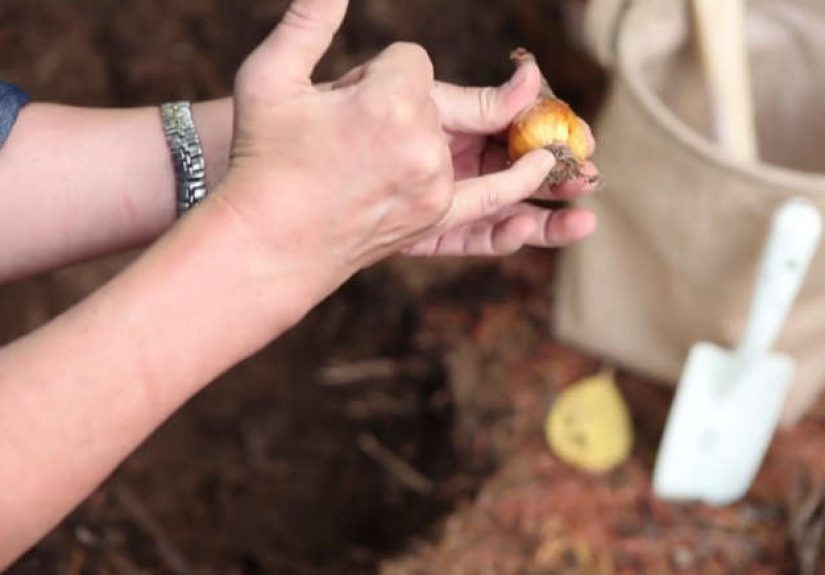
Put the tallest element slightly off-center for a more natural look. If your thriller is a potted bulb, keep
it in its nursery pot and nestle it into the container. This is a legit shortcut: you get instant bloom, and
later you can lift it out and plant it in the ground (or swap in a summer plant).
Step 4: Add fillers in bold color blocks
Arrange pansies/violas/primrose around the thriller, repeating colors so the design looks cohesive.
For video-friendly fullness, plant closer than you would in the ground. Containers are about impact.
(Your plants can handle the “close friends” vibe for the season.)
Step 5: Tuck spillers at the edges
Place trailing plants near the rim so they can drape. Tilt them slightly outward when planting.
It’s a small move that makes a big visual differenceespecially on camera.
Step 6: Finish like a pro
Top-dress with a thin layer of mulch or moss to reduce moisture loss and make the surface look tidy.
Add a couple of curly twigs or decorative branches for height if your thriller is still warming up to the
idea of being tall.
Keep the Riot Looking Fresh: Water, Feed, and Frost-Proof
Watering that actually works
Don’t “sip-water.” Water deeply until moisture runs out the drainage holes, then let the top inch of soil dry
before watering again. In cool spring weather, you may water every few days; in sun or wind, it could be more.
If leaves look limp but soil is wet, pauseoverwatering can look exactly like underwatering, which is rude.
Feeding (not force-feeding)
If your potting mix includes slow-release fertilizer, you can usually wait a few weeks before adding anything.
After plants are established, a balanced fertilizer can keep blooms coming. Go easysome cool-season flowers
can get leggy if overfed. Think “snack,” not “all-you-can-eat buffet.”
Frost strategy for real life
Cool-season plants tolerate chill, but a hard freeze can still damage blooms. Use your local last frost date
as a planning guide (not a guarantee), and protect containers when cold nights are forecast: cover with frost
cloth, move the pot to a sheltered spot, or bring it into a garage overnight if it’s lightweight enough.
Plan the swap (because spring becomes summer)
Pansies and violas shine in cool temps but fade when heat hits. That’s not failureit’s a seasonal handoff.
When the weather warms, pull out tired cool-season plants and replace them with heat-lovers like petunias,
lantana, basil, or coleus. Your container stays gorgeous; your porch stays smug.
DIY Video Tips: Film Your “Color Riot” Like It’s a Mini Show
The secret to a great DIY gardening video isn’t fancy gearit’s clarity, light, and a satisfying transformation.
Here’s a simple structure that keeps viewers watching (and makes editing easier).
A quick shot list (steal this)
- Hook (3–5 seconds): show the final container first. Instant payoff.
- Materials flat-lay: pot, plants, soil, toolsfast pans, no rambling.
- Step-by-step build: thriller → fillers → spillers.
- Close-ups: blooms, textures, hands planting, soil settling.
- Watering moment: quick shot of water draining out the bottom.
- Reveal: slow spin, then a wide shot in the final location.
- Care tip overlay: “Water when top inch is dry,” “Cover if freeze.”
Lighting and audio (the unglamorous heroes)
Film in bright shade or morning light for true colorsmidday sun can blow out petals and make everything look
harsh. If you’re talking on camera, get close to the phone or use a simple mic. Wind noise is the fastest way
to turn your beautiful garden into an accidental ASMR of chaos.
Script it lightly (so it sounds human)
Use a simple voiceover: what you’re doing, why you’re doing it, and one or two “save you from mistakes” tips.
People love shortcuts, and your viewers will appreciate you warning them about drainage, watering, and frost.
Common Mistakes (So Your Color Riot Doesn’t Become a Color Regret)
- Pot too small: tiny containers dry fast and look sparse.
- No drainage holes: this is how roots rot in 4K resolution.
- Garden soil in pots: it compacts and drains poorly.
- Mixing totally different needs: don’t pair shade-lovers with full-sun divas.
- Overwatering on a schedule: water when the soil says so, not when your calendar does.
- Ignoring cold snaps: blooms are tougher than they look, but not invincible.
Quick FAQ
When should I build an instant spring container?
As soon as garden centers are stocked with cool-season plants and your nights are generally above deep-freeze
levels. If you’re still flirting with hard freezes, keep the container mobile and protect it overnight.
Can I make this an edible spring container?
Absolutely. Add fillers like lettuce, parsley, or kale, and use spillers like trailing thyme. You’ll get color,
texture, and snacksbasically the holy trinity of porch gardening.
How long will it last?
In cool weather, your spring container can look great for weeks. Once temperatures rise, plan a refresh:
swap cool-season bloomers for summer plants and keep the structure going.
Conclusion: Your Porch Deserves a Spring Premiere
A Color Riot instant spring garden is the fastest way to flip your outdoor space from winter “meh” to spring
“wow.” Use a big container, good potting mix, and the thriller-filler-spiller method for instant fullness.
Choose cool-season flowers for early color, protect blooms during cold snaps, and plan a warm-weather swap when
the season shifts. Then film itbecause watching a container go from empty pot to blooming masterpiece is
ridiculously satisfying, and your viewers will absolutely agree.
Experience Notes: What People Actually Learn When They Try This (Especially on Video)
Here’s the funny thing about “instant” spring gardens: they’re fast in the same way that cooking is fast when
you already cleaned the kitchen and prepped everything. The first time you build a Color Riot container, you
may think, “This will take 20 minutes.” Then you spend 12 minutes just deciding whether the purple viola is
the right purple viola. (It is. Until you see the other tray. Then it’s not.)
A common first-time experience is the “parking lot puzzle.” You buy plants you love individually, set them
together, and realize you’ve accidentally created a container that looks like a bowl of candy spilled in a
trunk. The fix is simple: repeat a few colors on purpose. If you’ve got yellow primrose, echo yellow again
somewhere else. If you picked a deep burgundy pansy, repeat that tone with foliage (like ornamental kale) or
a second bloom. Suddenly the chaos looks curated.
Another very real moment: the pot feels light, so you assume it’s small and manageable. Then you add potting
mix, water it thoroughly, and discover you’ve created a portable boulder. This is why experienced container
gardeners place the pot first, then fill it. If you’re filming, that’s also your chance to get a great
“empty pot” shot in the final location before the transformation happens.
Watering is where most people develop their signature life lesson. The soil surface might look dry, so you
water again, and again, and againuntil the plant looks sad anyway. The tricky part is that overwatering can
mimic underwatering because stressed roots can’t move moisture properly. People who succeed long-term get into
the habit of checking the soil with a finger and watering deeply when it’s actually needed. That one small
habit turns containers from “fussy” to “predictable.”
If you’re making a DIY video, you’ll also learn that wind has a personal vendetta against microphones.
The best trick is filming your talking segments in a sheltered spot or recording a clean voiceover indoors.
Gardening videos don’t need a Hollywood scriptthey need a clear order of steps and one or two genuinely
helpful tips. Viewers love hearing things like “water until it drains,” “skip the rocks,” and “cover it if a
freeze is coming,” because it saves them from repeating the same mistakes.
Finally, the most satisfying experience: the reveal. When you step back and see height, fullness, and spill
all working together, it’s hard not to feel like you just staged a tiny floral concert on your porch.
And the best part? You can redo it all season. Spring riot becomes summer lush. Summer lush becomes fall
texture. Your container turns into a rotating gallery exhibitexcept you’re allowed to touch the art, and it
sometimes smells like primrose.