Table of Contents >> Show >> Hide
- Why You Need a Pasta-Drying Rack in the First Place
- What “Instant” Means Here
- Materials for a DIY Instant Pasta-Drying Rack
- How to Build the Instant Pasta-Drying Rack (Step-by-Step)
- How to Use Your DIY Pasta-Drying Rack Like a Pro
- Drying Time, Humidity, and Storage (The Part That Saves Dinner)
- Food Safety Tips for Homemade Pasta (Worth Taking Seriously)
- DIY Pasta-Drying Rack Variations You Can Make Next
- Common Mistakes (and How to Avoid Them)
- Why This DIY Project Is Worth It
- Real-Life Experience: What I Learned Using a DIY Instant Pasta-Drying Rack (Extended Notes)
- Conclusion
If you’ve ever made fresh pasta and then stared at a tangled heap of fettuccine like, “Well… this escalated quickly,” this project is for you. A pasta-drying rack sounds fancy, but your first one does not need to come from a boutique kitchen shop with an Italian name and a price tag that makes your rolling pin nervous.
This guide shows you how to build an instant DIY pasta-drying rack with simple materials, how to use it without turning your noodles into one giant carb braid, and how to dry and store pasta more safely and effectively. We’ll also cover smart alternatives (because sometimes the “DIY rack” is actually a clean chair back and pure confidence).
Why You Need a Pasta-Drying Rack in the First Place
Fresh pasta is delicate, soft, and slightly clingykind of like a golden retriever puppy. If you pile cut noodles on a plate, they tend to stick together, flatten, or trap moisture. A drying rack helps by increasing air circulation around the pasta so strands dry more evenly, keep their shape, and separate more easily when it’s time to cook.
Even if you’re cooking the pasta the same day, a short drying period can improve handling and reduce sticking. If you plan to dry pasta longer for storage, an organized drying setup becomes even more important.
What “Instant” Means Here
This isn’t a complicated woodworking build. We’re making a functional, compact, budget-friendly rack you can put together fast. Think “weeknight DIY,” not “weekend sawdust documentary.”
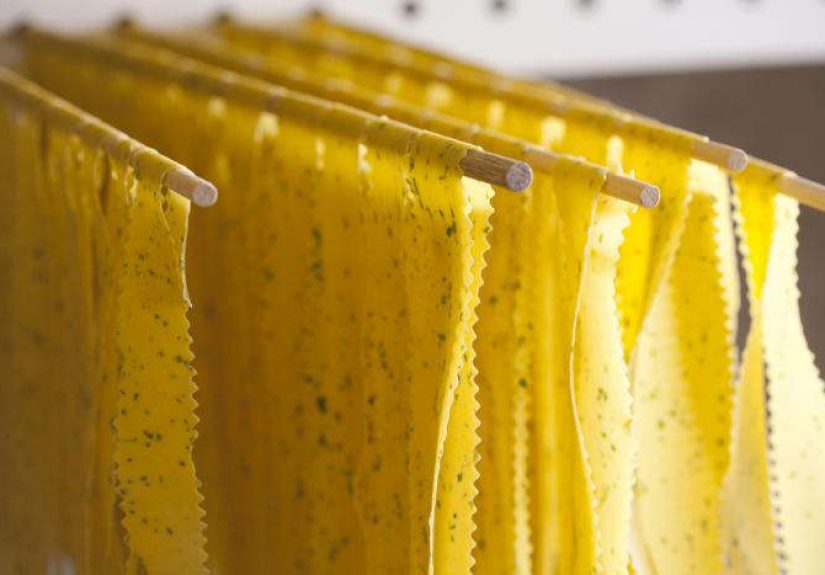
The basic design is simple: a stable base plus multiple rods (or dowels) that let you drape long noodles so they hang freely and dry evenly.
Materials for a DIY Instant Pasta-Drying Rack
Option A: Simple Dowel-and-Base Rack (Best Overall)
- 1 small wood base (scrap wood, cutting-board offcut, or untreated board)
- 8–16 wooden dowels or bamboo skewers (smooth, food-contact safe)
- Drill with a bit sized to your dowels/skewers
- Sandpaper (fine grit)
- Ruler and pencil
- Optional: food-safe mineral oil for the wood base
Option B: No-Drill “Emergency Pasta Night” Rack
- Clean clothes drying rack, chair backs, or broom handle
- Clean dish towels or parchment-lined trays (for short shapes)
- Extra flour or semolina for dusting
If you’re making long noodles like tagliatelle or spaghetti-style strands, hanging works best. For ravioli, orecchiette, or short-cut pasta, a tray or towel setup may be more practical.
How to Build the Instant Pasta-Drying Rack (Step-by-Step)
Step 1: Choose the Right Base
Pick a base that won’t tip when noodles are hanging from one side. A wider, heavier piece of wood is better than a tiny lightweight scrap. You don’t need it to be prettyyour pasta is the star here.
A base around 8–12 inches long and 4–8 inches wide works well for most home batches. If you make large amounts of pasta, go wider or make two racks instead of one oversized wobble-machine.
Step 2: Mark a Grid for the Dowels
Mark evenly spaced holes across the base. Leave enough distance between rods so pasta strands don’t touch each other. Crowded rods defeat the whole purpose of drying.
A spacing of roughly 1 to 1.5 inches between rods is a practical starting point for ribbon pasta. If you frequently make thicker noodles, give yourself more room.
Step 3: Drill the Holes
Drill straight holes deep enough to hold each dowel securely. Test-fit one dowel first before drilling all the holes. You want a snug fitnot so loose that the rods wobble, and not so tight that you need a hammer and emotional support.
Step 4: Sand Everything Smooth
This step matters more than it looks. Rough edges can snag pasta, collect flour residue, and make cleanup harder. Sand the base edges and the tops of the dowels until they feel smooth to the touch.
Step 5: Optional Finish (Keep It Food-Safe)
If you want to protect the wood, use a light coat of food-safe mineral oil on the base only (and let it absorb fully before use). Avoid finishes that aren’t intended for kitchen contact surfaces. Many home cooks prefer leaving the wood unfinished and simply keeping it clean and dry.
Step 6: Assemble and Test
Insert the dowels into the holes and gently drape a few strands of pasta across them. If the base tips, widen the footprint, reduce the dowel height, or hang pasta more evenly across both sides.
How to Use Your DIY Pasta-Drying Rack Like a Pro
Dust First, Hang Second
Lightly dust cut pasta with flour or semolina to reduce sticking. Don’t bury it in flour, but do give it enough to keep strands from welding themselves together. Then drape small bundles over each dowel.
The goal is separation and airflow. If noodles clump, pull them apart immediately while they’re still manageable.
Don’t Overload the Rack
A common rookie mistake (we’ve all done it) is stacking too much pasta on one rod. Thin layers dry better. If you’re making a large batch, rotate in sheet pans, towels, or a second rack.
Match the Drying Method to the Pasta Shape
- Long noodles: Hang on rods/dowels.
- Short shapes: Dry in a single layer on a tray.
- Stuffed pasta: Single layer on parchment; avoid hanging.
- Extruded shapes: Dry on trays or ventilated surfaces depending on shape.
Drying Time, Humidity, and Storage (The Part That Saves Dinner)
Short Dry (Same-Day Cooking)
If you plan to cook your pasta soon, a short air-dry helps prevent sticking and improves handling. Many home cooks dry ribbon pasta briefly before cooking, especially after cutting.
In practice, that may mean a few minutes to about 30 minutes depending on shape, dough hydration, and room conditions. You’re looking for pasta that feels less tackynot fully brittle.
Long Dry (For Storage)
If you want to dry pasta for storage, it must dry thoroughly. That means your kitchen environment matters a lot. Humidity, noodle thickness, and airflow all affect drying time.
In a dry kitchen, longer drying can work well. In humid weather, pasta may dry unevenly, stay soft inside, or become vulnerable to spoilage. On humid days, it’s often smarter to cook fresh pasta right away or freeze it instead.
How to Tell When Pasta Is Properly Dried
- It feels hard, not leathery.
- Strands separate cleanly.
- A piece snaps rather than bends (for fully dried pasta).
- No cool/damp spots remain in thicker areas.
Storage Tips
Store only fully dried pasta in an airtight container. If you’re unsure whether it’s completely dry, refrigerate or freeze instead of risking mold.
For many home cooks, freezing fresh pasta is the easiest and most reliable make-ahead method. Freeze it on a tray first so pieces don’t stick together, then transfer to a freezer-safe bag.
Food Safety Tips for Homemade Pasta (Worth Taking Seriously)
Homemade pasta often contains eggs, and flour is also a raw ingredient. That means cleanliness and time/temperature awareness matter. Your DIY rack doesn’t need to be fancy, but it does need to be clean, dry, and used with good kitchen hygiene.
- Wash and dry hands before handling dough and pasta.
- Use clean tools, towels, and surfaces.
- Don’t leave egg-based pasta at room temperature indefinitely.
- When in doubt, refrigerate or freeze.
- Cook pasta thoroughly before serving.
Also: don’t test raw pasta dough for “seasoning.” Raw dough is not a snack. Raw dough is a commitment.
DIY Pasta-Drying Rack Variations You Can Make Next
1) Folding Rack Version
Use a wider base with removable dowels so the rack stores flat in a drawer. Great for small kitchens and people who already have three colanders and no cabinet space.
2) Vertical Tree Rack
Add a central upright rod with cross dowels for a “pasta tree” design. It holds more long noodles in a smaller footprint but requires better balance.
3) Tray-and-Dowel Hybrid
Combine hanging rods for long noodles with a small mesh or slatted tray for short shapes. This is ideal if you like making mixed pasta batches for entertaining.
Common Mistakes (and How to Avoid Them)
Pasta Sticks to the Rack
Usually caused by wet dough, not enough flour/semolina, or rough dowels. Let sheets dry briefly before cutting, dust more generously, and smooth the rods.
Pasta Clumps Together
You waited too long to separate the strands or hung too much at once. Work in smaller portions and hang immediately after cutting.
Rack Tips Over
Your base is too light or the load is uneven. Widen the base, shorten the dowels, or distribute pasta more evenly.
Pasta Gets Brittle Too Fast
Too much airflow, very dry room conditions, or leaving ribbon pasta out too long before cooking. For same-day meals, a shorter dry is usually enough.
Why This DIY Project Is Worth It
A homemade pasta-drying rack is one of those kitchen DIY projects that pays off immediately. It’s inexpensive, customizable, and actually usefulnot just cute on Pinterest. You get better noodle texture, less sticking, easier batch prep, and a small but satisfying “I made this” moment every time you cook.
And once you build one, you’ll start seeing pasta-rack possibilities everywhere: dowels, trays, chair backs, cooling racks, broom handles… your kitchen turns into a pasta engineering lab in the best possible way.
Real-Life Experience: What I Learned Using a DIY Instant Pasta-Drying Rack (Extended Notes)
The first time I used a DIY pasta-drying rack, I thought I was being efficient. I cut a huge batch of fettuccine, dusted it “lightly” (translation: not enough), and piled half of it on one side of the rack because I was in a hurry. Five minutes later, I had a beautiful modern sculpture called Floury Knot of Regret. It still tasted good, but it taught me the golden rule: the rack helps, but it cannot override physics.
After a few rounds, the system got much better. The biggest upgrade wasn’t the rack itselfit was my workflow. I now roll one sheet, let it rest for a few minutes, cut it, dust it, and hang it immediately before rolling the next sheet. That rhythm keeps the pasta from sticking and keeps the counter from looking like a snowstorm hit an Italian restaurant. If you’re new to fresh pasta, this workflow change alone can save you a lot of frustration.
I also learned that different doughs behave very differently on the same rack. A richer egg dough tends to be softer and can cling if I rush the process, while a semolina-based dough is usually easier to separate once dusted properly. Humidity changes everything, too. On dry days, pasta feels ready fast. On humid days, the surface can stay tacky much longer, even when it looks fine at first glance. That’s when I stop trying to force the “fully dried pasta” dream and just plan to cook it fresh or freeze it.
Cleaning and storage were another surprise. I expected the rack to be annoying to maintain, but a simple dry brush (or a clean toothbrush for corners) takes care of most flour residue. If dough gets stuck, I wait until it dries, then brush it off instead of scrubbing wet paste all over the wood. I also keep the rack in a cabinet wrapped in a clean towel so it doesn’t collect dust between uses.
My favorite part, honestly, is how this little DIY tool changes the whole mood of pasta night. Hanging noodles on the rack makes the process feel intentional and a bit theatricalin a good way. Guests notice. Kids notice. You notice. It turns “I’m making dinner” into “I’m making fresh pasta,” which is a completely different energy. And because the rack cost so little to build, I don’t worry about babying it. It’s a working kitchen tool, not a museum piece.
If you’re wondering whether this project is worth doing for just occasional pasta nights, my answer is yes. Even if you use it once a month, it solves a real problem and makes homemade noodles much less stressful. Start simple, keep it clean, don’t overload it, and let the pasta have some breathing room. Your future selfstanding over a pot of boiling salted water, not wrestling a noodle clumpwill be very grateful.
Conclusion
Building a DIY instant pasta-drying rack is a smart, low-cost upgrade for anyone who makes fresh pasta at home. With a small wood base, a few dowels, and basic kitchen hygiene, you can create a practical rack that improves airflow, reduces sticking, and helps your noodles dry more evenly. Pair that with good timing, proper dusting, and a little respect for humidity, and you’ll get better resultswithout buying specialized gear on day one.