Table of Contents >> Show >> Hide
- First, a quick earwax reality check (so you don’t “fix” what isn’t broken)
- Why some people get buildup more than others
- 1) Stop “helping” your ear canal (aka break the Q-tip habit)
- 2) Keep wax comfortably soft (the “lubricate, don’t excavate” method)
- 3) Reduce the “wax traffic jam” triggers: earbuds, hearing aids, and moisture
- When to see a clinician (and stop trying to win this fight at home)
- Quick FAQ (because your group chat has questions)
- Experiences people relate to (500+ words of “yep, that’s me” moments)
- Bottom line
- Sources consulted (U.S.-based, no links)
Earwax: the misunderstood hero of your head. It’s not dirt, it’s not a personal failure, and it’s definitely not a sign you need to go spelunking with a Q-tip.
Most of the time, earwax (a.k.a. cerumen) does its job quietlytrapping dust, helping keep the ear canal from getting irritated, and slowly migrating out on its own.
The trouble starts when well-meaning “ear cleaning” turns into “earwax packing,” or when earbuds/hearing aids/moisture create the perfect wax traffic jam.
In this guide, you’ll get three genuinely easy, low-drama ways to prevent earwax buildupplus real-life-style experiences many people relate to (because yes, we’ve all met the person who swears by a hairpin).
This is general educational information, not medical advice. If you have ear pain, drainage, sudden hearing changes, a history of eardrum problems, or ear tubes, skip the DIY and talk with a clinician.
First, a quick earwax reality check (so you don’t “fix” what isn’t broken)
Your ear canal is designed to be a self-cleaning conveyor belt. Skin cells slowly move outward, and everyday jaw motion (talking, chewing, yawningaka living your life) helps wax migrate toward the opening.
When the wax reaches the outside, it dries and flakes off or rinses away in the shower.
Earwax becomes a problem mainly when it’s pushed deeper than it wants to go, when it gets too dry or sticky to move, or when something repeatedly blocks the normal path out (earbuds, earplugs, hearing aids, narrow/curvy canals, lots of ear hair, certain skin conditions).
That’s why prevention works best when it focuses on protecting the “exit route,” not digging out the “contents.”
Why some people get buildup more than others
If you’re prone to earwax buildup, you’re not aloneand you’re not doing anything wrong. A few common reasons include:
- You wear earbuds, earplugs, or hearing aids frequently. These can block wax from migrating out and may push it inward over time.
- Your ear canals are naturally narrow, twisty, or hairy. Wax has a harder path to travel.
- Your wax runs dry or thick. Drier wax is more likely to get stuck instead of sliding out.
- You have eczema/dermatitis or frequent irritation. Inflamed canal skin can alter wax movement and make buildup more likely.
- You’ve become a “routine ear cleaner.” Ironically, over-cleaning can irritate the canal and increase the chance of impaction.
The goal isn’t “no earwax.” The goal is “earwax that can leave the building without needing a rescue team.”
1) Stop “helping” your ear canal (aka break the Q-tip habit)
This is the #1 easiest prevention move because it requires zero products and almost no effort: don’t put objects into your ear canal.
Cotton swabs can push wax deeper and compact it against the eardrum, turning normal wax into a stubborn blockage.
They can also scratch the delicate canal skin, increasing irritation and infection risk.
What to do instead (the only cleaning most people need)
- Wash normally in the shower. Let a little warm water run over the outside of the ear (not blasting directly into the canal).
- Wipe the outer ear only. Use a clean washcloth to gently wipe what you can seethink “front porch,” not “deep cave.”
- Dry the outside well. Pat dry with a towel after bathing or swimming.
Why it works
Wax that’s allowed to move outward tends to behave. Wax that’s repeatedly shoved inward tends to form a plug.
If your goal is preventing buildup, the best strategy is protecting the natural outward movementmeaning less poking, prodding, and “just checking.”
2) Keep wax comfortably soft (the “lubricate, don’t excavate” method)
For people who get recurring buildup, a simple “soften and let it go” approach can help wax migrate out more easily.
Many major medical sources describe earwax-softening agents such as saline, mineral oil, or olive oil as options that can help wax loosen so it can leave the ear more naturally.
The key word is softennot “flood the ear and hope for the best.”
A simple prevention routine for wax-prone ears
If you regularly deal with wax plugs (and you do not have an ear infection, ear tubes, a perforated eardrum, ear surgery history, or unexplained ear pain), many clinicians suggest an occasional softening routine:
- Choose a gentle softener: saline, mineral oil, or olive oil are commonly mentioned options.
- Use “a few drops,” not a science experiment. More is not better; you’re just trying to make wax less sticky.
- Give gravity a chance. After a short time, let the ear drain naturally and wipe only what comes out.
- Keep it occasional. If you’re doing this constantly, that’s a sign you should ask a clinician about a better plan.
One practical way to think about this: you’re applying “wax conditioner,” not power-washing your ear canal.
What to skip (common mistakes that backfire)
- Sticking tools in your ear. Even “ear picks” sold online can scratch the canal or push wax deeper.
- Ear candling. It’s not proven to remove wax and it can cause burns or damage.
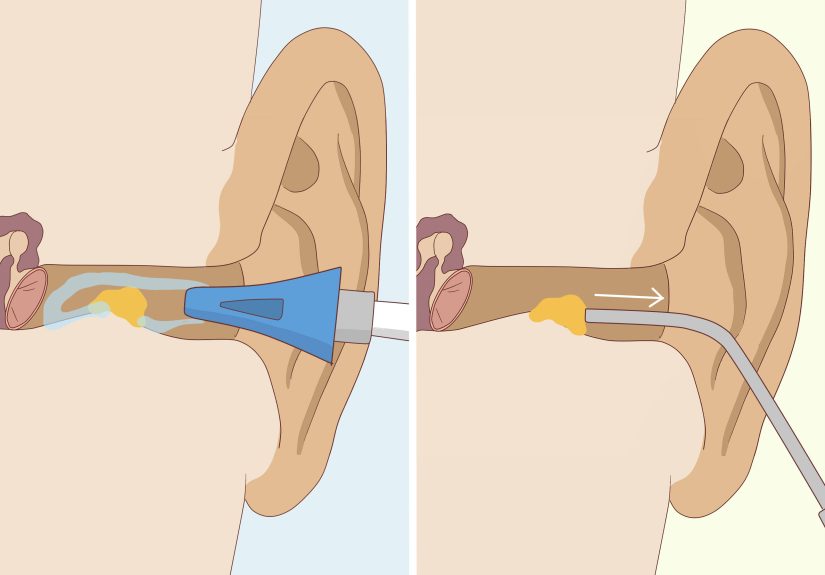
- Aggressive irrigation at home. If done incorrectly, it can injure the ear or worsen blockage. If irrigation is recommended, it should be done carefully and is not for everyone.
Also, if your ears are itchy or dry, some sources suggest oil-based softeners may be gentler than options that can be more drying for certain people.
If anything you put in your ear causes pain, burning, drainage, or worse hearing, stop and get medical advice.
3) Reduce the “wax traffic jam” triggers: earbuds, hearing aids, and moisture
Even if you never touch a Q-tip again, you can still get wax buildup if your ear canal is constantly “occupied.”
Prevention here is less about your ear and more about your habits and gear.
Earbuds and hearing aids: clean the gear, not your canal
Earbuds and hearing aids can trap wax and encourage it to pile up. Two easy prevention moves:
- Clean earbuds regularly. Wipe the parts that touch your ear with a soft cloth. If your earbuds have removable tips, clean or replace them as recommended by the manufacturer.
- Follow hearing-aid cleaning guidance. Many audiology sources recommend regular maintenance because wax can affect hearing aid performance and contribute to blockage sensations.
Bonus: clean earbuds also help with general ear comfort. Nobody needs a “mystery residue” lifestyle.
Moisture management (especially for swimmers and humid-climate people)
Moisture can soften wax in a way that makes it smear and stick, and it can irritate the canal skinespecially if you’re already prone to itchiness or dermatitis.
Basic habits help:
- Dry the outside of your ears after showers and swims.
- Avoid prolonged “sealed-in” moisture. If you wear earplugs often, give your ears breaks when you can.
- Pay attention to itching and flaking. Chronic irritation can change how wax behaves; it’s worth discussing with a clinician.
When to see a clinician (and stop trying to win this fight at home)
Earwax prevention should feel easy. If you’re battling wax like it’s a recurring boss level, it’s time to get help.
Many reputable medical sources recommend professional evaluation if wax buildup is frequent or if symptoms persist.
Red flags to take seriously
- Ear pain or significant tenderness
- Drainage (fluid, pus, blood) or a bad smell
- Sudden hearing loss or one-sided hearing changes
- Dizziness/vertigo
- History of eardrum perforation, ear tubes, or ear surgery
- Diabetes or immune system issues (higher risk from infectionsask before DIY)
Professionals can remove wax safely using tools designed for the ear (suction, gentle removal under visualization).
If you have recurring impaction, some clinicians recommend periodic checkups for regular cleaning rather than repeated home attempts.
Quick FAQ (because your group chat has questions)
Is earwax “gross”?
It’s protective. It helps trap dust and debris and can help keep the ear canal from drying out.
The “gross” part is mostly marketing and the human urge to over-maintain things that already work.
Why do cotton swabs make wax worse?
They often push wax deeper, compacting it. They can also irritate the canal skin, which may increase inflammation and change how wax moves.
Can ear candling remove earwax?
Major medical sources and safety warnings say it’s ineffective and risky (burns, injuries, and potentially making blockages worse).
If a method involves open flame near your face, it probably belongs in a birthday cake situationnot your healthcare routine.
What if I feel “plugged” after using drops?
Liquids can temporarily shift wax or make a partial blockage feel more noticeable. If symptoms worsen, don’t keep repeating treatmentsget checked.
Experiences people relate to (500+ words of “yep, that’s me” moments)
The funny thing about earwax is that people rarely talk about it until it becomes a plot twist.
Below are common, realistic experiences people reportshared here so you can recognize patterns and prevent the sequel.
Experience #1: The “I wear earbuds 10 hours a day” surprise
A lot of people notice earwax buildup right around the time they become devoted earbud citizens: commuting, studying, gaming, workouts, phone callsbasically, modern life with a soundtrack.
The first sign is often subtle: music sounds a little muffled, one earbud feels “off,” or you keep adjusting the fit because one ear feels full.
Then comes the classic move: you grab a cotton swab “just to tidy up,” see wax on the swab (instant validation!), and assume you’ve solved the problem.
But a few days later, the fullness is backsometimes worsebecause the wax you “removed” was mostly the wax that was already on its way out, while the swab pushed the deeper wax further in.
Prevention in real life tends to look boring (in a good way): clean the earbuds, wipe only the outer ear, and let your ear canals do their slow-moving self-cleaning magic.
People who stick with that routine often report fewer “mystery muffled” daysand fewer emergency YouTube searches at midnight.
Experience #2: The hearing-aid feedback loop
People who wear hearing aids (or even frequent earplugs) sometimes run into a frustrating cycle:
wax buildup makes hearing aids perform poorly, which leads to more adjusting and more time “sealed” in the ear canal, which can encourage more buildup.
Many describe it as: “My hearing aid was fine… then it started whistling… then it felt like my ear was stuffed with cotton… then I got annoyed and tried to clean it myself.”
The prevention pivot that helps most isn’t aggressive ear cleaningit’s consistent device maintenance and periodic check-ins with an audiologist or clinician.
In everyday terms: clean the gear and get professional help when wax becomes a recurring issue, instead of repeatedly trying to solve it with at-home tools that can make it worse.
People often feel relieved when they realize recurring wax is common with hearing devices and doesn’t mean they’re doing something “wrong.”
It just means they need a routine that matches their reality.
Experience #3: The swimmer’s “wet ear = sticky wax” season
Swimmers, beach lovers, and “I live where humidity is basically a personality trait” folks often notice earwax issues come and go with seasons.
They may feel intermittent fullness after swimming or showering, or a sensation that wax is “moving around.”
Some try to fix it by drying deep inside with swabs (again: understandable, and again: not ideal).
What tends to help is much simpler: drying the outside of the ear well, taking breaks from sealed earplugs when possible, and talking to a clinician if itchiness and irritation are constant.
Many people report that once they stop poking inside the canal and focus on moisture management, their ears feel more comfortable overallless itch, less fullness, fewer “did my ear just close?” moments.
Experience #4: The “I thought it was earwax… but it wasn’t” wake-up call
This one matters because it’s common: someone assumes a plugged feeling is wax and keeps trying home remedies.
But the real issue might be an ear infection, fluid behind the eardrum, skin inflammation, or something else entirely.
People often describe: “Drops didn’t help,” “It hurt,” “I got dizzy,” or “I had drainage.”
That’s when the smartest prevention step is not another attemptit’s getting evaluated.
The “easy way” here is recognizing the boundary between prevention and treatment.
Prevention is gentle: don’t insert objects, keep wax soft occasionally if you’re prone, reduce triggers like dirty earbuds and constant moisture.
Treatmentespecially when there’s pain, drainage, or sudden changesbelongs with a clinician who can actually look in the ear and choose the safest option.
Bottom line
Preventing earwax buildup usually comes down to three habits:
(1) don’t put anything in your ear canal,
(2) keep wax soft occasionally if you’re prone (and it’s safe for you),
and (3) reduce common triggers like dirty earbuds, hearing-aid wax buildup, and trapped moisture.
If wax keeps returning or you have symptoms that don’t quickly improve, professional help is the safest shortcut.
Sources consulted (U.S.-based, no links)
- American Academy of Otolaryngology–Head and Neck Surgery (AAO-HNS) / ENT Health (patient guidance on earwax)
- Mayo Clinic (earwax blockage treatment and prevention approaches)
- Cleveland Clinic (earwax buildup guidance and safe cleaning practices)
- Johns Hopkins Medicine (patient education including warnings about unsafe methods)
- MedlinePlus / U.S. National Library of Medicine (earwax overview and treatment options)
- American Academy of Pediatrics (patient education on earwax buildup)
- UCLA Health (earwax removal myths and safe practices)
- Children’s Mercy (parent-focused guidance on earwax and safe cleaning)
- American Academy of Audiology (ear wax blockage and risk reduction guidance)
- American Academy of Family Physicians (clinical overview and what to avoid)
- Harvard Health Publishing (earwax removal safety advice)
- Michigan Medicine (guidance on why Q-tips are risky)
- U.S. FDA-related consumer safety materials on ear candling risks
- NCBI/StatPearls (clinical summary of cerumen impaction and safety cautions)