Table of Contents >> Show >> Hide
- Why Nature-Inspired Living Is Everywhere Right Now
- The Earth Element: Grounding Colors, Real Materials, and Texture
- The Water Element: Calm Colors, Curves, Reflection, and Flow
- The Air Element: Lightness, Breathability, and Open Space
- The Fire Element: Warmth, Energy, and Glow
- The Plant Element: Living Greenery and Biophilic Design
- Nature-Inspired Style Beyond the Home
- How to Create Your Own Nature Rituals
- Common Mistakes to Avoid
- Conclusion: The Beauty of Returning to What Works
- Personal Experiences: Living With the Elements of Nature
Some trends arrive with a marching band, a celebrity endorsement, and a suspiciously expensive throw pillow. Others slip in quietly, like morning light through linen curtains. Right now, one of the strongest lifestyle and design movements is not really new at all: our obsession with the elements of nature. Earthy textures, watery colors, fresh air, sunlight, plants, stone, wood, clay, firelight, and garden-inspired rituals are shaping how people decorate, relax, dress, cook, travel, and even work.
The phrase “elements of nature” may sound poetic, but it is also practical. Americans spend a huge portion of daily life indoors, and modern homes often have to do more than look good. They are offices, recovery rooms, entertainment zones, mini restaurants, gyms, sanctuaries, and occasionally laundry mountains with Wi-Fi. That is exactly why nature-inspired living feels so relevant. It softens the hard edges of digital life. It makes rooms feel calmer. It reminds us that our nervous systems were not designed to stare at twelve tabs, three group chats, and a blinking delivery notification all day.
Today’s nature obsession is not about turning your living room into a national forest, though if you want a fern named Kevin, absolutely proceed. It is about borrowing nature’s best ideas: balance, texture, movement, warmth, imperfection, and renewal. From biophilic design to earth-tone color palettes, from indoor gardens to natural materials, the current mood is clear: people want spaces and experiences that feel grounded, alive, and emotionally restorative.
Why Nature-Inspired Living Is Everywhere Right Now
The return to nature is partly a reaction against overly polished interiors and sterile minimalism. For years, many homes were dominated by cool grays, glossy surfaces, and furniture that looked beautiful but seemed afraid of actual humans. Now the pendulum is swinging toward warmth, depth, touch, and personality. Natural materials like wood, stone, rattan, linen, wool, terracotta, plaster, and clay are showing up because they feel honest. They age. They vary. They have texture. They do not look like they were assembled by a robot with commitment issues.
Nature-inspired design also connects with wellness. Time spent in green spaces has been associated with lower stress, improved mood, better sleep, and more opportunities for movement. Even small doses of nature can help people feel refreshed. That matters in homes, offices, schools, and public spaces. A room with daylight, plants, natural colors, breathable materials, and a view of trees may not solve every problem, but it can make daily life feel less like a spreadsheet wearing shoes.
The Earth Element: Grounding Colors, Real Materials, and Texture
The earth element is having a major moment. Think warm khaki, mushroom beige, clay, sand, olive, walnut, chocolate brown, rust, charcoal, moss, and deep garden green. These colors do not scream for attention. They sit down, pour tea, and make the room feel emotionally employed.
Paint brands and interior designers are leaning into grounded palettes because people want comfort with sophistication. Earth tones are flexible: they work in modern homes, vintage apartments, rustic cottages, coastal spaces, and city studios where the “dining room” is technically the corner of a desk. A mushroom neutral can calm a bedroom. A clay accent wall can warm up a kitchen. A deep brown entryway can feel elegant instead of gloomy when balanced with cream trim, wood, and good lighting.
How to Use Earthy Materials Without Making a Room Feel Heavy
The trick is layering. Pair a textured plaster wall with a soft linen sofa. Add a walnut table but balance it with light curtains. Use terracotta tile in a mudroom, then soften it with a woven basket and a plant. Natural materials work best when they are not all shouting at once. A little stone, a little wood, a little fiber, and suddenly the room has depth without looking like a boutique hotel lobby that refuses to let you touch anything.
For budget-friendly updates, start small. Replace plastic storage with woven baskets. Add a clay vase. Choose wood frames. Use cotton or linen pillow covers. Bring in a jute rug if the room needs texture. These changes are not dramatic, but they change the mood. Nature rarely redecorates by flipping a table. It layers slowly.
The Water Element: Calm Colors, Curves, Reflection, and Flow
Water-inspired design is about movement and softness. Blues, blue-greens, misty grays, sea glass, reflective surfaces, curved furniture, and flowing layouts all belong here. The water element is especially powerful in spaces where people want calm: bathrooms, bedrooms, reading corners, meditation rooms, and home offices where one must resist the urge to answer emails with “per my last nerve.”
Curved sofas, round coffee tables, arched mirrors, and organic-shaped rugs help a room feel less rigid. Water rarely moves in straight lines, and our spaces feel more relaxing when they borrow that same ease. Even a small change, such as replacing a sharp-edged table with a round one, can make a room feel more welcoming.
Water-Inspired Details That Actually Work
Try translucent glass lamps, blue ceramic bowls, watercolor-style artwork, soft blue bedding, or a mirror placed near a window to reflect natural light. In bathrooms, watery greens and blues pair beautifully with stone, pale wood, and brushed metal. If you have outdoor space, a small fountain can create a calming soundscape. If you do not, a simple bowl of smooth stones or a blue glass vase can give a subtle nod to the element without requiring plumbing, permits, or a dramatic conversation with your landlord.
The Air Element: Lightness, Breathability, and Open Space
Air is the element of freshness. In design, it shows up as ventilation, negative space, sheer curtains, open shelving, pale neutrals, light woods, high ceilings, breezy fabrics, and rooms that do not feel like every object you have ever owned has formed a committee. Air is also about how a space feels in the body. Can you move easily? Can you breathe? Can light travel through the room? Is there room for silence?
This does not mean you need a minimalist white box. Airy design can still be colorful and layered. The key is editing. Leave some surfaces clear. Choose furniture with raised legs. Use curtains that move. Keep pathways open. Add plants that improve the feeling of freshness, even if you are not relying on them as an air-purification miracle machine. A healthy indoor environment depends on ventilation, filtration, and source control, not just one heroic pothos named Linda.
Simple Ways to Bring More Air Into a Home
Open windows when outdoor conditions are good. Use exhaust fans in kitchens and bathrooms. Avoid overcrowding rooms with bulky furniture. Choose breathable fabrics such as cotton, linen, and wool. Let daylight reach deeper into the room by using mirrors or lighter window treatments. If your space is small, use fewer but better pieces instead of filling every corner. Air loves a little elbow room.
The Fire Element: Warmth, Energy, and Glow
Fire is not only about fireplaces and candles, though both are classic for a reason. Fire represents warmth, energy, focus, and atmosphere. In interiors, it appears through warm lighting, amber glass, brass accents, sunset colors, spicy reds, burnt orange, copper, and the cozy glow of lamps placed at human height. Overhead lighting alone can make a room feel like an interrogation scene. Layered lighting makes it feel like a place where someone might write a novel or at least successfully fold laundry.
Fire-inspired colors are becoming more livable when balanced with earth tones. Rust with cream. Burgundy with olive. Warm mahogany with linen. Clay with dark green. These combinations bring drama without making a room feel theatrical. The result is intimate, cozy, and a little moody in the best way.
How to Use Fire Energy Without Overheating the Look
Use warm bulbs instead of harsh cool lighting. Add table lamps, sconces, and candles to create layers. Try one bold fire-toned accent, such as a rust velvet pillow or deep red artwork, instead of painting every wall chili pepper. If you use candles, choose natural scents that complement the room: cedar, cinnamon, citrus, pine, sandalwood, or smoke. Fire is powerful, so give it a role, not the entire stage.
The Plant Element: Living Greenery and Biophilic Design
Biophilic design is the practice of connecting built environments with nature. It includes plants, natural light, organic materials, views outdoors, water features, natural patterns, and spaces that support sensory comfort. In plain English: it is design that remembers humans are living creatures, not decorative office equipment.
Houseplants remain popular, but the current approach is more mature than “buy twelve plants and hope for the best.” People are thinking about plant placement, care routines, lighting, containers, scale, and how greenery works with the rest of a room. A single healthy statement plant can be better than a sad army of crispy leaves. Herbs in a kitchen window can be both beautiful and useful. A trailing pothos on a bookshelf can soften hard lines. A small indoor tree can make a living room feel alive.
Best Beginner-Friendly Ways to Add Greenery
Start with resilient plants such as pothos, snake plant, ZZ plant, philodendron, or spider plant. Match the plant to the light you actually have, not the fantasy greenhouse you wish you had. Use planters made of clay, ceramic, stone, or woven materials to reinforce the nature-inspired look. If real plants are not realistic, high-quality faux greenery can still add visual softness. The design police are not coming. They are busy arguing about grout color.
Nature-Inspired Style Beyond the Home
The elements of nature are influencing more than interior design. In fashion, linen, cotton, wool, leather, raffia, botanical prints, earthy colors, and mineral-inspired jewelry feel especially current. In beauty, people are drawn to dewy skin, botanical ingredients, herbal scents, and colors that mimic rose, clay, berry, sand, and bark. In food, seasonal eating, farmers markets, herbal teas, sourdough, garden vegetables, and simple fire-cooked flavors all echo the same desire for authenticity.
Travel is following the pattern too. People are looking for outdoor wellness retreats, national parks, cabins, farm stays, desert hotels, coastal walks, botanical gardens, and slow itineraries that leave room to stare at water like a Victorian poet with better sunscreen. Even workplace design is shifting toward daylight, greenery, natural materials, quiet zones, and flexible spaces that feel less mechanical.
How to Create Your Own Nature Rituals
You do not need a complete renovation to embrace the elements of nature. Rituals matter as much as objects. Open a window in the morning. Drink coffee outside. Keep a bowl of lemons on the counter. Take a twenty-minute walk without turning it into a productivity challenge. Water your plants slowly. Light a candle at dinner. Swap one synthetic scent for something herbal or woody. Put a chair near the best patch of sunlight. These small routines train the mind to notice the natural world again.
The most sustainable nature-inspired lifestyle is the one you will actually maintain. Buying less but choosing better is part of the movement. Repairing wood furniture, shopping secondhand, choosing durable textiles, using local flowers, growing herbs, and decorating with found branches or stones can be more meaningful than constantly chasing new products.
Common Mistakes to Avoid
The first mistake is over-theming. A nature-inspired room does not need a wall mural of a waterfall, a forest-green sofa, pinecone drawer pulls, and a lamp shaped like a moose. Subtlety usually wins. Choose two or three natural cues and let them breathe.
The second mistake is ignoring function. A jute rug may look beautiful, but it may not be ideal for a damp bathroom. A delicate linen sofa may not survive two dogs, three children, and a snack lifestyle. Nature-inspired design should fit real life. Mud, crumbs, pets, and humans are also elements of nature, unfortunately.
The third mistake is forgetting contrast. Too many pale woods can feel flat. Too many dark earth tones can feel heavy. Balance rough with smooth, matte with shine, warm with cool, old with new. Nature is full of contrast: bark and blossom, stone and water, sun and shade.
Conclusion: The Beauty of Returning to What Works
Our current obsession with elements of nature is not just a design trend. It is a cultural reset. After years of digital overload, fast consumption, and spaces that often prioritized appearance over feeling, people are craving interiors and routines that restore them. Earth gives us grounding. Water gives us flow. Air gives us lightness. Fire gives us warmth. Plants give us life. Together, these elements create homes and habits that feel more human.
The best part is that nature-inspired living is flexible. You can go big with limewash walls, stone floors, indoor trees, and a dramatic earthy palette. Or you can begin with a linen curtain, a clay bowl, a rosemary plant, and a daily walk. Either way, the goal is the same: to make modern life feel less disconnected and more alive. Nature has always known how to design for comfort, beauty, resilience, and renewal. We are simply remembering to take notes.
Personal Experiences: Living With the Elements of Nature
The first time I truly understood the power of nature-inspired living, it was not in a perfectly styled home. It was during an ordinary morning when the room was still messy, the coffee was too strong, and a rectangle of sunlight landed on the floor like it had paid rent. Nothing dramatic happened. No orchestra. No lifestyle influencer whispering, “link in bio.” But the whole room felt calmer. That tiny patch of light made the space feel less like a storage container for responsibilities and more like a place to begin again.
Since then, I have noticed that the elements of nature work best when they are woven into daily life, not treated like decorations for special occasions. Earth shows up in the mug that feels good in your hand, the wooden cutting board with knife marks, the stoneware bowl that makes soup look like an event. Water appears in the habit of keeping a glass carafe nearby, choosing blue-gray towels, or listening to rain without immediately complaining about traffic. Air arrives when you clear a crowded corner, open a window, or replace heavy curtains with fabric that moves when the breeze does. Fire appears in evening light, a warm lamp, a candle during dinner, or the golden edge of toast that was almostbut not quitea crime.
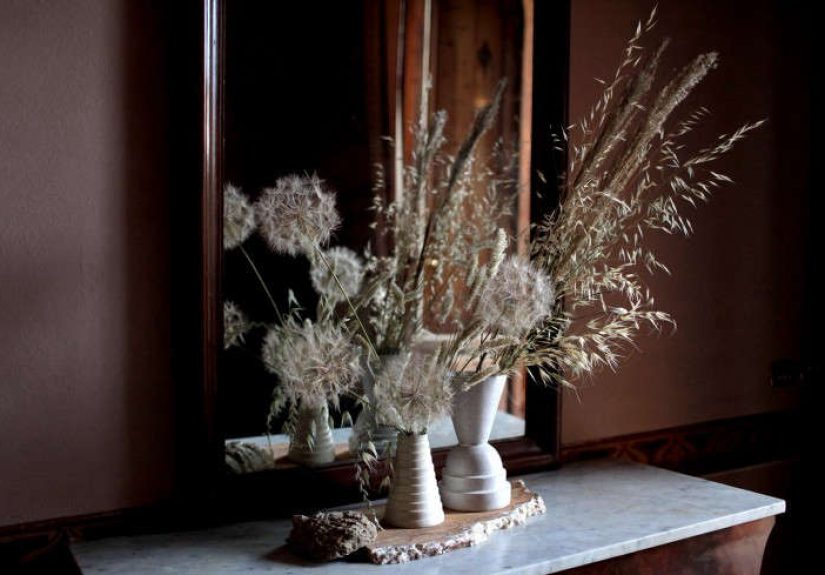
One of the most satisfying experiences is bringing home a small natural object and letting it change the mood of a room. A branch in a vase can look sculptural. A bowl of oranges can brighten a kitchen better than many expensive accessories. A smooth stone from a walk can become a paperweight, a memory, or simply something nice to hold while thinking. These objects do not demand attention; they invite it.
Plants have their own kind of personality. Some are forgiving roommates. Others behave like dramatic opera singers with roots. Caring for them teaches patience because nature refuses to operate on app speed. A plant grows when it grows. A leaf unfurls quietly. Soil dries on its own schedule. This can be mildly inconvenient, but it is also grounding. In a world where everything wants an instant response, a plant says, “Relax. We are working in weeks.”
Outdoor rituals are just as powerful. A short walk after dinner can reset the entire day. Watching trees move in the wind can make problems feel less permanent. Sitting near water, even a small fountain, can quiet the mind in a way scrolling never does. The funny thing is that nature rarely gives advice, yet it often makes decisions feel clearer. Perhaps that is because it lowers the volume of everything else.
What makes “Current Obsessions: Elements of Nature” so compelling is that it is not really about chasing a trend. It is about remembering what people have always needed: texture, warmth, light, breath, movement, and connection. A home does not have to be perfect to feel alive. It just needs signs of the natural world and enough room for real life to happen. Add a plant. Open the curtains. Light the lamp. Use the good bowl. Step outside. The elements are already waiting.
Note: This article is an original, publication-ready synthesis based on current U.S. design, wellness, environmental, and home-living information. It is written without source links or citation placeholders for clean web publishing.