Table of Contents >> Show >> Hide
- What Happened in the Viral Club Story?
- Why One Smack Started Such a Big Conversation
- Club Harassment Is Not “Just Nightlife”
- Was Smacking Him the “Right” Response?
- The Bigger Issue: Women Are Expected to Be Polite While Unsafe
- What Bystanders Can Do When They See Club Harassment
- What Clubs and Bars Should Do Better
- What to Do If Someone Touches You Without Consent
- Why the Twitter Debate Matters Beyond One Night Out
- Experiences Related to the Topic: Boundaries, Shock, and Support
- Conclusion
There are certain things nobody should need printed on a neon sign above a dance floor. Do not steal someone’s drink. Do not block the bathroom line like a medieval gatekeeper. And, most importantly, do not touch strangers without consent. Yet a viral Twitter discussion showed that this last rule still needs repeating loudly enough to compete with club speakers, bass drops, and that one guy yelling “Woooo!” every seven seconds.
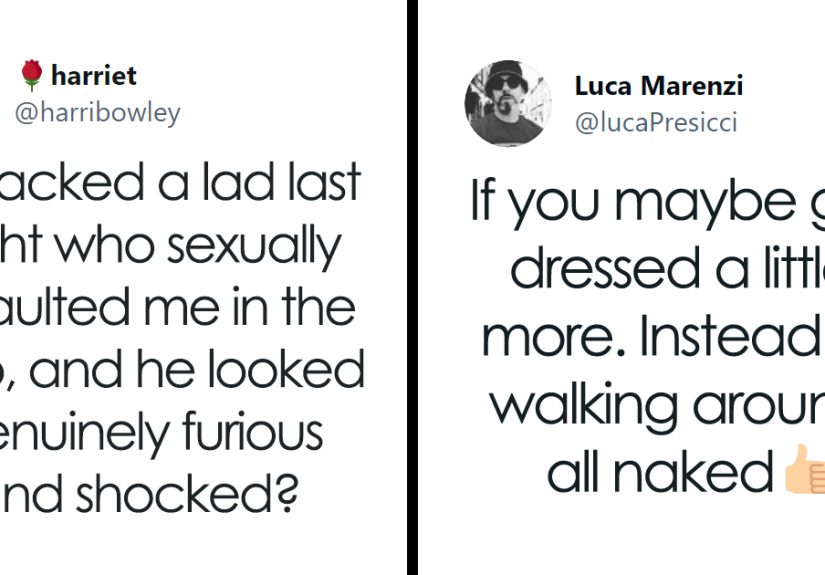
The conversation began after a young woman shared that she had smacked a man at a club after he touched her without permission. Instead of treating the moment as a straightforward example of a woman reacting to unwanted contact, the internet did what the internet often does: it turned the incident into a courtroom, a comedy club, a philosophy seminar, and a disaster zone all at once.
Some people praised her for defending herself. Others asked why she “had to hit him.” Some focused on what she wore, where she was, how she reacted, and whether she should have been “nicer” to someone who had already crossed a basic boundary. In other words, the discussion stopped being only about one club incident and became a bigger debate about consent, public harassment, nightlife culture, victim-blaming, and why so many women are expected to manage other people’s behavior with the grace of a customer service representative during a system outage.
What Happened in the Viral Club Story?
According to public reporting about the Twitter thread, Harriet Bowley, a 21-year-old woman from Sheffield in the United Kingdom, said she smacked a man after he sexually assaulted her during a night out at a club. She also described the man as looking shocked and angry after she reacted. That detail is part of why the post spread so quickly: many readers recognized the strange entitlement behind the idea that someone could touch another person without permission and then act offended when there were consequences.
The thread gained major attention, collecting thousands of likes and retweets, and it encouraged other people to share similar experiences. Many women described moments when they had been grabbed, groped, followed, cornered, or treated as if being in a public social space meant their bodies were suddenly public property. Others admitted that they had frozen in similar situations and wished they had reacted more forcefully.
The response also revealed a familiar pattern. When someone describes unwanted touching, some listeners immediately start auditing the victim’s choices. Was she drinking? Was she dancing? Was she dressed a certain way? Was she too harsh? Did she overreact? The person who allegedly crossed the boundary becomes a background character, while the person who was touched becomes the one under investigation. That is not accountability. That is a magic trick where the blame disappears from the person who caused the harm and reappears on the person who reacted to it.
Why One Smack Started Such a Big Conversation
The reason this story struck a nerve is simple: it is not rare enough to feel shocking. For many people, especially women, nightlife comes with an invisible checklist. Keep your drink covered. Stay near friends. Watch who is behind you. Pretend to laugh off creepy comments so the person does not become angry. Text someone when you get home. Make eye contact with the bartender if you feel unsafe. Make sure your shoes are cute, but also suitable for a tactical retreat.
That mental workload is exhausting. A club is supposed to be a place to dance, flirt if you want to, socialize, celebrate, and forget your inbox exists for a few hours. It should not feel like a low-budget survival game with a two-drink minimum.
Consent Is Not Complicated
Consent is often discussed as if it requires an advanced degree, a flowchart, and a panel of experts. It does not. Consent means permission that is freely given, informed, specific, and reversible. If someone has not agreed to be touched, then touching them is not harmless flirting. It is a violation of their boundary.
In a crowded club, accidental bumps happen. That is normal. A shoulder brush while moving through a packed room is not the same thing as grabbing someone’s waist, backside, chest, or body in a sexual or invasive way. The difference is usually obvious to the person doing it, and it is certainly obvious to the person experiencing it.
“But it was loud” is not an excuse. “But everyone was dancing” is not an excuse. “But she looked good” is not an excuse. A person’s outfit, mood, dance moves, or presence in a nightclub does not create permission. Looking attractive in public is not a waiver form.
Victim-Blaming Still Shows Up Fast
One of the most frustrating parts of the viral discussion was how quickly some people reached for victim-blaming. Instead of asking why a stranger felt entitled to touch someone, they questioned the woman’s reaction. This is common in conversations about harassment and assault because victim-blaming gives people a false sense of control. If they can convince themselves that the victim did something wrong, then they can also convince themselves that the same thing will not happen to them.
The problem is that this thinking is both unfair and useless. Clothes do not cause harassment. Alcohol does not cause harassment. Dancing does not cause harassment. Harassers cause harassment. The idea that women must constantly shrink, cover, soften, smile, and politely negotiate their way out of danger is not safety advice; it is unpaid emotional labor with worse lighting.
Club Harassment Is Not “Just Nightlife”
Some people try to dismiss unwanted touching in clubs as part of the scene. They shrug and say, “That’s what happens at clubs,” as if buying a ticket to a dance floor means accepting random hands as part of the entertainment package. But normalizing harassment does not make it less harmful. It only teaches the worst people in the room that everyone else will look away.
Nightlife settings can create conditions where boundaries are easier to violate. Music is loud. Lighting is low. Alcohol may be involved. Crowds give people cover. Security teams may be focused on fights, fake IDs, or people trying to sneak in through the smoking area. All of that can make it harder for someone to identify who touched them, get help quickly, or be believed.
But context is not an excuse. A crowded club may explain how someone thinks they can get away with harassment; it does not justify the behavior. If anything, venues should take these risks more seriously because they know the environment can make people vulnerable.
Was Smacking Him the “Right” Response?
The internet loves turning emotional, split-second situations into calm debates held from the comfort of a couch. In reality, when someone touches you without consent, your body may react before your brain has time to prepare a polite statement with bullet points. Some people freeze. Some move away. Some shout. Some find security. Some push the person off. Some slap. Human reactions to threat are not always tidy, and they are rarely designed for social media approval.
That does not mean every situation should be handled physically. Safety matters. Laws vary by location. Escalation can be dangerous, especially when alcohol, crowds, or aggressive people are involved. If someone can get away safely, reach friends, find staff, or report the person without increasing danger, those may be safer options.
Still, the public focus should not be on demanding a perfect response from someone who was touched without permission. The more important question is why the boundary was violated in the first place. A person who does not want to be smacked, shouted at, removed by security, or publicly embarrassed has a very simple prevention strategy: do not grope people.
The Bigger Issue: Women Are Expected to Be Polite While Unsafe
One reason the story resonated is that it exposed a double standard. Women are often told to stand up for themselves, but when they do, they are accused of being rude, dramatic, aggressive, or attention-seeking. They are told to be clear, but not too harsh. Firm, but not scary. Assertive, but still pleasant. Basically, they are expected to reject harassment with the warmth of a flight attendant and the precision of a legal contract.
This expectation protects the comfort of the person crossing the line more than it protects the person being harmed. It asks women to prioritize the feelings of someone who did not prioritize their boundaries. That is backwards.
There is also a social cost to reacting. A woman who calls out a stranger may be mocked. A woman who reports harassment may be told she misunderstood. A woman who physically defends herself may be called violent. A woman who says nothing may later be asked why she did not do more. No matter what she chooses, someone is waiting with a clipboard to grade her response.
That is why conversations like this matter. They reveal how often society judges the reaction more harshly than the behavior that caused it.
What Bystanders Can Do When They See Club Harassment
People often imagine bystander intervention as a dramatic movie moment where someone heroically confronts the villain under a spotlight. In real life, helping can be much simpler and safer. The goal is not to perform bravery; the goal is to reduce harm.
Use Distraction
If you see someone being bothered, interrupt without escalating. Pretend you know them. Ask if they want to come dance with your group. Spill a little water nearby. Ask a random question. The point is to break the moment and give the person a chance to move away.
Delegate to Staff or Friends
If the situation looks risky, get help. Tell a bartender, bouncer, manager, or group of friends. A venue that takes safety seriously should respond quickly and without making the person who was targeted feel like a nuisance.
Check In Afterward
Sometimes the most helpful words are simple: “Are you okay?” “Do you want to leave?” “Do you want me to stay with you?” “Do you want to report it?” Let the person decide what they need. Support should not become another form of pressure.
Document Carefully
If it is safe and appropriate, documenting details can help. That might mean noting what the person looked like, where it happened, what time it was, and whether security was notified. Recording video can be useful in some cases, but it should not be posted online without the targeted person’s consent. Nobody needs their worst moment turned into content.
What Clubs and Bars Should Do Better
Venues cannot control every person who walks in, but they can control the culture they create. A club that ignores harassment teaches patrons that bad behavior is tolerated. A club that responds clearly teaches everyone that boundaries matter.
First, staff should be trained to recognize harassment that is not only loud or violent. Unwanted touching, following someone around the venue, blocking exits, repeated advances after rejection, and isolating intoxicated patrons are all warning signs. Second, venues should make reporting easy. Nobody should have to explain an incident to five different employees while the person who touched them keeps dancing nearby.
Third, security should focus on the person causing the problem, not the person reporting it. Too often, women are told to “just avoid him” while the person who crossed the line remains free to bother someone else. Removing the target from the fun while leaving the harasser in place is not a solution. It is bad customer service with a moral failure attached.
Finally, clubs should build a reputation for safety. Clear signage, trained staff, visible security, good lighting near exits, safe transportation information, and zero tolerance for groping can all make a difference. People return to places where they feel safe. Revolutionary concept: customers enjoy not being grabbed.
What to Do If Someone Touches You Without Consent
If someone touches you without permission, your first priority is safety. Move toward friends, staff, lights, or a less crowded area if you can. Say “Don’t touch me” loudly if that feels safe. Ask a friend to stay with you. Notify security or management. If you are injured, drugged, threatened, or assaulted, consider seeking medical care and contacting local support services or law enforcement when you are ready.
It can also help to write down details soon after the incident: the time, location, description of the person, what happened, who witnessed it, and how staff responded. Even if you do not report immediately, notes can help you remember clearly later.
Most importantly, do not blame yourself. Whether you froze, shouted, walked away, laughed nervously, cried, slapped, or needed ten minutes to understand what happened, your reaction does not make the unwanted touching your fault.
Why the Twitter Debate Matters Beyond One Night Out
At first glance, this story might look like another viral argument that burns hot for a day and then disappears beneath memes, celebrity drama, and someone’s questionable dinner photo. But the reason people kept talking is that the story sits inside a much larger cultural problem.
Public spaces are not equally comfortable for everyone. Many women learn early that attention can turn threatening fast. They learn to scan rooms, manage smiles, invent fake boyfriends, hold keys between fingers, share locations, and use group chats as safety nets. These habits become so normal that people forget how abnormal they are.
The club incident also shows how social media can be both useful and messy. On one hand, Twitter gave people a place to share experiences, validate one another, and challenge old myths about consent. On the other hand, it also gave victim-blamers a microphone. The same platform that can create solidarity can also invite strangers to judge someone’s worst moment with the confidence of people who were not there.
Still, public discussion can push culture forward. Every time people reject the idea that unwanted touching is “just flirting,” the standard gets clearer. Every time bystanders learn how to intervene, venues get less comfortable for predators. Every time someone says “clothes are not consent” or “drinking is not consent” or “being in a club is not consent,” the fog around this issue gets thinner.
Experiences Related to the Topic: Boundaries, Shock, and Support
Many people who read the viral club story recognized the emotional rhythm immediately: first the surprise, then the anger, then the strange second wave of disbelief when the person who crossed the line acts offended. That pattern is common in nightlife harassment stories. Someone grabs a waist on the dance floor, slides a hand where it does not belong, or presses too close after being ignored. When confronted, they act confused, as if the problem is not the touching but the fact that someone dared to object.
One common experience is the “friend shield.” A woman feels uncomfortable because someone keeps hovering near her, so a friend steps between them, pulls her into the group, or says, “We’re leaving.” It sounds small, but in a loud club, that kind of immediate support can be powerful. It tells the person being targeted, “You are not imagining it,” and it tells the person causing discomfort, “You are being watched.” Sometimes that is enough to stop the behavior. Sometimes it is the first step toward getting staff involved.
Another familiar scenario is the delayed reaction. A person may not respond dramatically in the moment because they are stunned. They may laugh awkwardly, move away, or pretend nothing happened because their brain is trying to process the violation while the music is still playing and their friends are asking if they want another drink. Later, the anger arrives. This delay does not make the experience less real. Many people freeze or minimize what happened because they are trying to stay safe, avoid escalation, or simply get through the night.
There are also stories where venue staff make all the difference. A good bartender or bouncer does not argue, flirt, or ask whether the person is “sure.” They listen, move the targeted person to a safer area, identify the person accused of harassment, and take action. When staff respond well, people remember. They tell friends. The venue becomes known as a place where safety is not just a slogan printed on a bathroom poster.
Unfortunately, some experiences go the other way. People report harassment and are told to ignore it. They are asked whether they were drinking. They are told the person “probably didn’t mean it.” That kind of response teaches victims to stay silent and teaches harassers that the room is on their side. It is exactly why viral conversations matter: they pressure venues, friend groups, and online audiences to stop treating unwanted touching like a misunderstanding.
The clearest lesson from these shared experiences is that boundaries need backup. Personal courage matters, but culture matters more. A woman should not have to choose between tolerating unwanted contact and physically defending herself because nobody else will help. Friends, strangers, staff, and venues all play a role in making nights out safer. The goal is not a world where more people get slapped. The goal is a world where fewer people feel entitled to touch someone in the first place.
Conclusion
The viral story about a woman smacking a guy at a club for touching her became bigger than one incident because it exposed a question society still struggles with: why do so many people demand perfect restraint from the person being violated, but not basic restraint from the person doing the violating?
Unwanted touching is not playful. It is not a compliment. It is not part of the price of going out. Consent applies everywhere: on dates, in relationships, at concerts, in bars, on dance floors, and in crowded clubs where the music is loud enough to rattle your bones. A person’s body remains their body, even under flashing lights.
The best response to this conversation is not simply cheering for a smack or arguing about one moment. It is building a culture where people understand consent before they enter the club, where friends watch out for one another, where bystanders step in safely, and where venues remove the people causing harm instead of making victims carry the burden. Until then, the message remains simple enough to fit on a wristband, a poster, or the forehead of every entitled creep: keep your hands to yourself.