Table of Contents >> Show >> Hide
- What “Columbia Road – Pewter” Actually Looks Like on a Wall
- Product Snapshot (Because Details Matter When You’re Spending “Statement Wallpaper” Money)
- Where Columbia Road – Pewter Shines the Most
- Styling Columbia Road – Pewter: Palettes That Don’t Fight the Foil
- How to Figure Out How Much Wallpaper You Need (Without Guessing and Crying Later)
- Installation Tips for a Professional Look (Even If You’re DIY-ing)
- Keeping It Beautiful: Care and Maintenance
- Common Mistakes to Avoid (So Your Wallpaper Doesn’t Become a “Learning Experience”)
- Conclusion: Why Columbia Road – Pewter Works
- Real-World Experience Notes (Extra )
Some wallpapers whisper. Columbia Road Wallpaper – Pewter strolls into the room wearing a tailored coat, a little vintage jewelry,
and the kind of confidence that makes your old beige walls quietly apply for early retirement.
This is a hand-foiled, oversized floral wallcovering with an intentionally “aged” metallic vibelike you found the world’s chicest mural in a
design shop and it decided to glow softly at golden hour. In the Pewter colorway, it lands in that sweet spot between silvery glamour and
calm, livable gray. Translation: dramatic enough for a “wow,” neutral enough for real life (aka the dog, the kids, and the occasional pizza night).
What “Columbia Road – Pewter” Actually Looks Like on a Wall
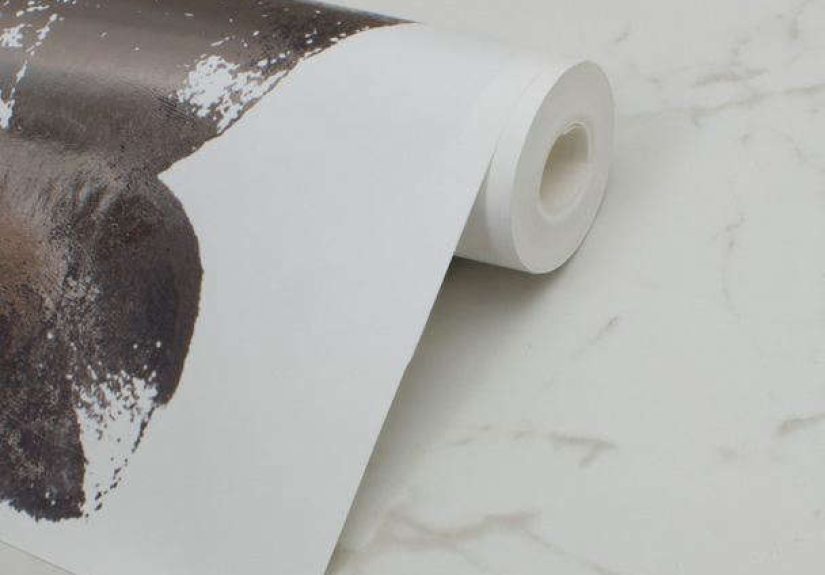
The Columbia Road pattern is oversizedbig, bold botanicals that read more like an art installation than a tiny repeating print. The “Pewter”
finish adds a metallic sheen that can look softly matte from one angle and subtly luminous from another. If you’ve ever wanted your walls to
look expensive without screaming, “I’m expensive,” this is that energy.
The Pewter effect: moody neutral, not gloomy
Pewter is a complex gray with a metallic undertone. It behaves like a neutral base (so it plays nicely with a lot of furniture styles), but it
has depthespecially under layered lighting. In daylight, it can feel crisp and silvery. In the evening, it warms up and gets a little sultry,
like it’s heading out for cocktails.
Product Snapshot (Because Details Matter When You’re Spending “Statement Wallpaper” Money)
- Roll size: 11 yards long × 19.7 inches wide
- Design repeat: 5.4 yards; random match
- Made: Crafted in Britain; hand finished in London
- Lead time: 4–6 weeks (print-to-order)
- Care: Spongeable and wipeable (gentlythis isn’t a kitchen sponge demolition derby)
Two big takeaways here: (1) this is not a “grab it today, hang it tomorrow” situationplan for the lead time; and (2) the oversized scale and
long design repeat can influence how many rolls you’ll need, especially if you’re trying to be precious about pattern flow (which you will be,
because your eyes work).
Where Columbia Road – Pewter Shines the Most
1) Entryways that need instant personality
An entry is basically your home’s handshake. Columbia Road – Pewter is a strong handshake. Use it on the main wall or in a small vestibule to
make the space feel intentionaleven if the rest of the house is still “in progress” (which is just a polite way of saying you have a chair
from college and a lamp you found in a hurry).
2) Powder rooms and small bathrooms (a.k.a. the wallpaper playground)
Small spaces love big patterns. A powder room wrapped in an oversized floral feels boutique-hotel fancy, and the pewter tone keeps it from
becoming visually chaotic. If you’re nervous, pair it with simple fixtures and a clean mirror so the wallpaper gets to be the main character.
3) Dining rooms that want “grown-up drama”
Dining rooms are built for atmosphere. Pewter metallics reflect candlelight and warm bulbs beautifully. Add a dark wood table, linen drapery,
and maybe a moody vase of branchessuddenly, Tuesday tacos feel like an event.
4) Bedrooms where you want calm… with a little sparkle
Use it behind the bed as a focal wall, or go all-in if your furniture is clean-lined and the bedding is mostly solid. A good rule:
when the wallpaper is bold, the textiles can be textural rather than busythink cotton, linen, velvet, boucle.
5) The “fifth wall” (yes, the ceiling)
A metallic pewter floral overhead can be stunning, especially in a hallway, powder room, or cozy den. It’s the kind of move that makes guests
tilt their head and say, “Okay, who designed this?” (You did. Obviously.)
Styling Columbia Road – Pewter: Palettes That Don’t Fight the Foil
Warm + modern
- White oak or walnut wood tones
- Creamy whites and warm off-whites
- Soft black accents (frames, hardware, lighting)
- Textiles in oatmeal, camel, and warm gray
Cool + tailored
- Crisp whites and blue-grays
- Polished nickel or chrome hardware
- Stone surfaces (marble, quartz with gray veining)
- Glass + simple silhouettes
Moody + romantic
- Charcoal or deep ink paint on trim or cabinetry
- Velvet in plum, forest green, or inky navy
- Antique brass accents (a little warmth against the pewter is magic)
The key is balance: let the wallpaper do the talking, and give it a supporting cast that doesn’t try to steal the microphone.
How to Figure Out How Much Wallpaper You Need (Without Guessing and Crying Later)
Step 1: Measure your wall area
Start by calculating square footage: wall length × wall height. Do each wall separately and add them up if you’re papering multiple walls.
Subtract large windows and doors if you want, but don’t get too aggressivewallpaper math is not the place for overconfidence.
Step 2: Know what “repeat” and “match” do to your roll count
With patterned wallpaper, the pattern repeat (how often the design repeats vertically) affects how much waste you’ll have when
cutting drops. Columbia Road has a very large design repeat, and while it’s a random match, big-scale patterns still benefit from extra
materialespecially if you want the most pleasing placement around focal points.
Step 3: Add a buffer (because reality exists)
Pros and publications often recommend ordering extra wallpaper for patterned designs so you can match sections cleanly and fix mistakes without
panic-ordering a single roll later (and risking a different batch). For an oversized statement pattern, a healthy cushion is your friend.
Practical advice: If you’re between roll counts, round up. Wallpaper regrets are expensive; extra roll peace-of-mind is priceless
(or at least easier to return, depending on the shop).
Installation Tips for a Professional Look (Even If You’re DIY-ing)
Prep is not optional
Wallpaper is basically a spotlight for wall flaws. Patch dings, sand smooth, clean dust, and prime appropriately. If your surface is fresh drywall
or recently repaired, sealing/priming helps create a consistent base and can make future removal less traumatic. This is the boring step that
makes the pretty step actually look pretty.
Draw a plumb line like your sanity depends on it
Walls are rarely perfectly straight, so you can’t trust a corner as your starting guide. Mark a vertical plumb line for the first drop.
A straight first panel makes everything after it easier. A crooked first panel makes your whole room look like it’s slowly sliding into the ocean.
Avoid seams right in the corner
Corners are sneakyoften not square, often not plumb. Many installers start in a less noticeable spot and avoid placing a seam directly in the corner
when possible. Your future self will thank you every time you glance at that corner and don’t see a weird gap.
Smooth gently; don’t squeeze out all the adhesive
Use a smoothing tool or wallpaper brush to push bubbles out from the center toward the edges. Be firm, not feral. Overworking seams can push adhesive
out and cause lifting later. Think “confident massage,” not “rage squeegee.”
When in doubt, hire a pro (especially for statement foils)
Metallic finishes and oversized designs can be less forgiving with seams and alignment. If this is going in a high-visibility spacelike the entry,
dining room, or a large wall you stare at dailyprofessional installation can be worth it.
Keeping It Beautiful: Care and Maintenance
Columbia Road – Pewter is described as spongeable and wipeable with care. In real life, that means: dust it gently, spot-clean carefully, and avoid
harsh cleaners or scrubbing. For most rooms, it’s easy to live with. For the splash zone behind a stove? Let’s not tempt fate.
Common Mistakes to Avoid (So Your Wallpaper Doesn’t Become a “Learning Experience”)
- Skipping samples: Metallic finishes can shift with lighting. Test before committing.
- Under-ordering: Big patterns need buffer. Ordering later can risk batch variation.
- Ignoring lead time: Print-to-order means plan aheadespecially before holidays or events.
- Halfhearted wall prep: Texture and bumps can show. Smooth walls = smoother results.
- Over-decorating: Let the wallpaper be the feature; keep surrounding patterns simpler.
Conclusion: Why Columbia Road – Pewter Works
Columbia Road Wallpaper – Pewter is for anyone who wants their space to feel curated, not cookie-cutter. The oversized floral brings artistry,
the pewter finish brings sophistication, and the hand-foiled “aged” look brings depth that paint alone can’t fake. Used thoughtfullyentry, powder
room, dining room, bedroom, or even the ceilingit creates a room that feels layered, intentional, and quietly luxurious.
If you’re ready to upgrade your walls from “fine” to “whoa,” Pewter is a power move that still behaves like a neutral. And that’s the best kind of
design decision: one that looks bold, but lives easy.
Real-World Experience Notes (Extra )
If you’ve never lived with a metallic wallpaper before, here’s the most honest heads-up: it changes throughout the day, and that’s half the fun.
People often expect “metallic” to look like a shiny gadget, but pewter foil reads more like a soft glowespecially when the finish is intentionally
aged. In the morning, the wallpaper can feel cooler and brighter, almost like a misty gray garden sketch. By late afternoon, it warms up and starts
catching light in a way that makes the pattern feel dimensional. At night, under lamps, it becomes mood lighting you didn’t know you installed.
A common “first encounter” moment happens when someone tapes a sample to the wall and then walks past it repeatedly for two days. The first pass is
usually: “Nice.” The tenth pass is: “Waitwhy does it look different now?” That’s the lighting shift. If your room gets strong directional sun,
you’ll see more sparkle and more contrast. If it’s a north-facing room with softer light, it will read calmer and more uniform. The best move is to
look at the sample in the exact spot you plan to hang it, and check it at three times: morning, late afternoon, and evening with your typical bulbs.
Another real-life lesson: oversized florals don’t always need a whole room to prove themselves. People who try Columbia Road – Pewter on a single
wall (behind a bed, in a small hallway, or in a powder room) often realize the pattern has enough presence to carry the space without extra
“stuff.” The wall becomes the art. That can actually reduce decorating stress because you don’t feel pressure to fill every blank area with frames,
shelves, and objects. One bold wallcovering can be the design anchor that makes the rest of the room easier.
Installation day tends to be where expectations meet physics. Even with a random match, large-scale designs benefit from stepping back every so often
to check the overall flow. The most satisfying results usually come from treating it like placing artworkcentering the most beautiful parts where
your eye naturally lands (the wall you face when you enter, the area above a console, the space behind the headboard). If you’re DIY-ing, having a
helper can be a sanity-saver, not because you “can’t do it,” but because big rolls are a lot like big blankets: they’re cooperative until they’re
suddenly not.
Living with it is the final test, and this is where Pewter tends to win people over. It’s neutral enough that you can swap pillows, rugs, and
seasonal decor without the wallpaper arguing back. It also pairs well with both warm metals (brass) and cool metals (chrome), so you aren’t locked
into one hardware direction forever. And if you’re someone who likes a home that feels calm but not bland, a pewter floral is a cheat code: it reads
like a neutral from far away, and like a design detail up close. That’s the kind of “expensive” that’s hard to replicate with paint alone.