Table of Contents >> Show >> Hide
- Why It Matters Before You Crack Anything
- Method 1: Check the Carton Date and Your Storage Timeline
- Method 2: Inspect the Shell Before You Crack It
- Method 3: Do the Float Test (But Use It Correctly)
- Method 4: Crack the Egg Into a Bowl and Use the Smell + Visual Test
- Bonus: When Eggs Are “Old” but Still Usable
- Smart Egg Safety Habits That Prevent the Problem
- Common Egg Mistakes People Make
- Practical Kitchen Experiences and Real-Life Scenarios (Extended Guide)
- Conclusion
Eggs are the overachievers of the kitchen. They can be breakfast, lunch, dinner, dessert, and the emergency meal you make when your fridge is giving “nothing to eat” energy. But eggs also come with one tiny problem: they don’t exactly raise their hand and announce, “Hey, I’m expired.”
If you’ve ever stood in front of the fridge holding a carton and wondering whether your omelet is about to become a science experiment, this guide is for you. The good news? You do not need a laboratory, a chemistry degree, or a dramatic sniffing montage. You just need a few reliable checks.
In this article, you’ll learn how to tell if eggs have gone bad using four simple methods, plus the smart storage habits that help your eggs stay fresh longer. We’ll also clear up the famous float test (useful, but not magic), explain egg carton date codes, and show you what to look for when you crack an egg open.
Why It Matters Before You Crack Anything
Egg freshness is not just about taste and texture. It’s also about food safety. Even eggs that look perfectly normal from the outside can carry bacteria, so proper storage and handling are a big deal. That’s why food safety guidance consistently recommends keeping eggs cold, handling them cleanly, and cooking them thoroughly when needed.
Also, freshness affects how eggs behave in recipes. Fresher eggs usually have thicker whites and rounder yolks, which matters if you want pretty fried eggs, neat poached eggs, or bakery-style results. Older eggs may still be fine to use, but they tend to spread more in the pan and can make your breakfast look a little… abstract.
Method 1: Check the Carton Date and Your Storage Timeline
This is the easiest check, and honestly, the one most people skip because we all think we’ll “remember when we bought them.” We do not. We never do.
Understand the Dates on the Carton
Egg cartons may show a sell-by date, an expiration date, or a Julian/pack date (a three-digit code like 032 or 166). The Julian code tells you the day of the year the eggs were packed. For example:
001= January 1032= February 1166= June 15
If you see a three-digit code, you can estimate the egg’s age much more accurately than by guessing. This is especially helpful if the carton only has a sell-by date and you want a better sense of how long the eggs have actually been in circulation.
Use the “Best Quality vs. Safe Use” Rule
Here’s the practical version:
- Best quality: Many food safety sources note that eggs are best quality within a few weeks of purchase.
- Safe use window: Properly refrigerated raw shell eggs are often considered usable for about 3 to 5 weeks.
- Hard-cooked eggs: Use within 1 week.
If your eggs are still within that refrigerated window and have been stored correctly, they may still be fine even if the carton date has passed. But if they’ve been hanging out in the fridge door for weeks, or spent too much time on the counter, treat them with more suspicion than a group chat rumor.
Quick Storage Check
Before you move on, ask yourself:
- Were the eggs refrigerated promptly after purchase?
- Have they been kept in the original carton?
- Are they stored in the coldest part of the fridge, not the door?
If the answer is yes, great. If not, don’t panicbut use the next methods carefully.
Method 2: Inspect the Shell Before You Crack It
The shell is your first visual clue. You are basically doing a mini “egg background check” before it enters your skillet.
What a Good Egg Should Look Like
A good egg should have a shell that is:
- Clean
- Uncracked
- Dry
- Free from sticky residue
If the shell is cracked, bacteria can enter more easily. If you find a crack after getting home (not at the store), some food safety guidance says you can break that egg into a clean container, refrigerate it, and use it quicklyusually within about two days.
Red Flags on the Shell
Don’t use the egg if you notice:
- A crack that looks old or dirty
- Leaking egg white in the carton
- A sticky or slimy feel
- Visible mold or unusual residue
Store-bought eggs in the U.S. are washed and handled under food safety rules, so a messy shell is not a “quirky farm aesthetic.” It’s a warning sign.
Method 3: Do the Float Test (But Use It Correctly)
Ah yes, the famous egg float test. The internet loves it. Grandma loves it. Social media videos love it. And it is usefulas long as you understand what it actually tells you.
How to Do the Float Test
- Fill a bowl or glass with plain cold water.
- Gently place the egg in the water.
- Watch what it does.
How to Read the Result
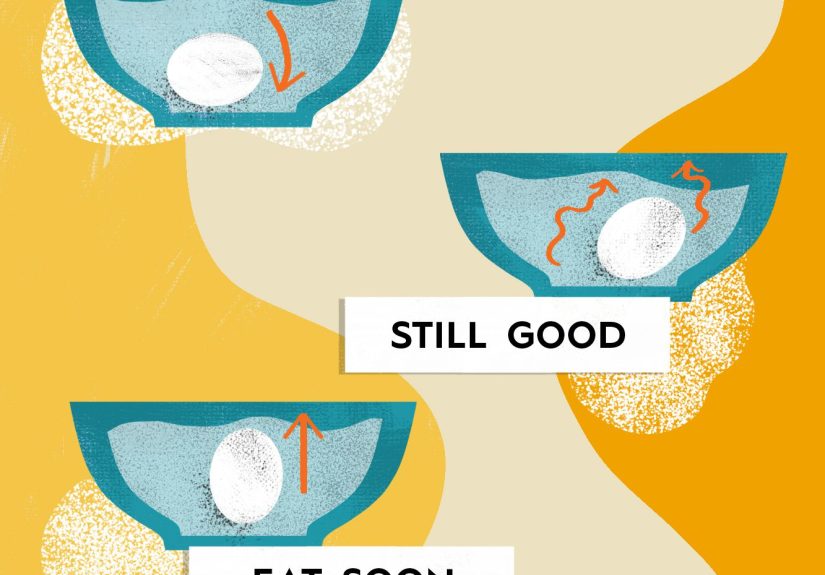
- Sinks and lies flat: Usually very fresh.
- Sinks but stands upright: Older, but often still usable if it passes the smell/visual check.
- Floats: Older egg with a larger air cell. It may or may not be bad, so do not stop here.
Why it floats: as an egg ages, moisture and gases move through the shell, the air cell gets larger, and the egg becomes more buoyant. So the float test is mostly an age test, not a perfect safety test.
The Float Test Myth to Avoid
One myth says you should test eggs in salt water. Don’t do that. Salt changes the density of the water, which can make even a good egg float and totally mess up the result. Use plain water only.
Most importantly: a floating egg is a signal to check further, not an automatic verdict. Think of it like your smoke detector chirping because the battery is lowit means “investigate,” not “set the kitchen on fire.”
Method 4: Crack the Egg Into a Bowl and Use the Smell + Visual Test
If you only remember one method from this whole article, make it this one. The most reliable way to tell if an egg has gone bad is to crack it into a separate bowl first and inspect it before adding it to your recipe.
Why a Separate Bowl Matters
Cracking directly into your cake batter, pancake mix, or frying pan is a confidence movebut not always a wise one. If the egg is spoiled, you can ruin the whole dish. A separate bowl gives you a safe checkpoint.
The Smell Test
A spoiled egg usually has a strong, unmistakable odor. If it smells sulfurous, rotten, or just plain awful, throw it out immediately. This applies to both raw and cooked eggs.
Important note: do not “try to cook it anyway” to see if the smell improves. It won’t. You’ll just create a kitchen memory nobody asked for.
What to Look For Inside the Egg
Some visual changes are normal. Others are not.
Usually normal:
- Cloudy egg white: Often a sign of freshness, caused by naturally occurring carbon dioxide.
- Ropey white strands (chalazae): Normal and safe. They anchor the yolk.
- A flatter yolk and thinner white: Often means the egg is older, not necessarily spoiled.
Discard the egg if you see:
- Black or green spots inside the egg
- Green or iridescent egg whites
- Pink discoloration
- Any unusual appearance plus an off smell
When in doubt, trust your nose and your eyes together. An older egg may look a little loose or watery and still be usable. A spoiled egg usually makes itself very obvious.
Bonus: When Eggs Are “Old” but Still Usable
Not every less-than-perfect egg is a bad egg. Sometimes an egg is just older. That mostly affects texture and performance.
For example:
- Older eggs can be easier to peel when hard-boiled.
- Older eggs may spread more when fried.
- Older eggs are better used in fully cooked recipes (quiches, casseroles, baked goods) instead of soft or runny preparations.
If an egg is older but passes the shell check, float test follow-up, and smell/visual test, it can often still work fine in a baked recipe. Your brownies are not judging.
Smart Egg Safety Habits That Prevent the Problem
If you want to avoid playing “egg detective” too often, these habits help a lot:
- Buy clean, uncracked eggs from a refrigerated case.
- Refrigerate promptly at 40°F or below.
- Keep eggs in the original carton to reduce odor absorption and protect them.
- Store in the fridge interior, not the door, where temperature changes happen more often.
- Don’t leave eggs or egg dishes out too long (generally no more than 2 hours, or 1 hour in hot weather).
- Use pasteurized eggs for recipes with raw or lightly cooked eggs, like Caesar dressing, tiramisu, or homemade eggnog.
- Wash hands and tools after handling raw eggs.
These habits do more than extend freshnessthey reduce the chance of foodborne illness and make your kitchen routine safer overall.
Common Egg Mistakes People Make
Let’s save you from a few classic egg fails:
1) Keeping eggs in the fridge door because “that’s where the egg slots are”
Those built-in egg holders look convenient, but the door warms up every time it opens. Your eggs prefer a stable, colder spot deeper inside the fridge.
2) Trusting only the float test
The float test tells you about age, not guaranteed spoilage. Always follow it with the crack-and-sniff method.
3) Cracking eggs directly into the mixing bowl
One bad egg can take down an entire batch of batter. Use a separate bowl first, especially when baking.
4) Assuming “weird-looking” always means “unsafe”
Cloudy whites and thick chalazae can be completely normal and often show freshness. Learn the difference between harmless quirks and real spoilage signs.
Practical Kitchen Experiences and Real-Life Scenarios (Extended Guide)
Here’s a longer, real-world section to make this guide more useful in everyday cooking. These are common kitchen scenarios people run into when figuring out how to tell if eggs have gone bad.
Scenario 1: The “Weekend Omelet Panic.” You wake up on Saturday, ready to make the kind of breakfast that makes you feel like a responsible adult, and then you notice the egg carton date is suspicious. This is where Method 1 saves the day. Instead of guessing, you check the pack date or sell-by date, confirm the eggs have been refrigerated properly, and then move to a quick shell inspection. If the shells look fine, you crack one into a bowl. No smell, no weird discoloration? Congratulations, omelet continues as planned.
Scenario 2: The “Float Test Drama.” A lot of people see an egg stand upright or float and immediately assume it’s toxic. In reality, older eggs become more buoyant because the air cell grows over time. That result means “this egg is older,” not automatically “this egg is unsafe.” The better move is to use the float test as a screening tool and then confirm with the smell and visual check. This one habit prevents a lot of perfectly usable eggs from being thrown away.
Scenario 3: The “Baking Disaster Avoided.” You’re halfway through making a cake, cookies, or pancake batter, and you’re cracking eggs directly into the bowl because you’re in a hurry. Then one smells off. Game over. Batter ruined. Mood ruined. The simple fix is cracking each egg into a small bowl first. It adds maybe ten seconds per egg and can save an entire recipe. That tiny step is one of the best kitchen habits you can build.
Scenario 4: The “Hard-Boiled Egg Surprise.” You peel a hard-boiled egg and the white looks a little cloudy, or the yolk sits a bit flatter than usual. Not all visual differences mean spoilage. Some are just signs of age or normal egg structure. But if you notice a bad odor or strange colors (especially green, black, or iridescent discoloration in the white), that’s your cue to toss it. If the egg smells normal and was stored properly, it’s usually just an older egg doing older-egg things.
Scenario 5: The “Fridge Door Habit.” Many people store eggs in the door because the fridge literally gives them egg-shaped spots there. That setup is convenient, but it is not ideal for freshness. Door temperatures fluctuate more, which speeds up aging. Moving eggs to the colder interior shelf (in the original carton) often improves quality noticeably, especially if you buy eggs in larger quantities.
Scenario 6: The “Holiday Egg Rush.” During holidays, eggs get used for everythingbreakfast casseroles, baked goods, deviled eggs, pies, and random recipes from an aunt who never measures anything. In those busy cooking days, eggs sit out longer than usual. A good rule is to keep only what you need on the counter and return the rest to the fridge quickly. It sounds simple, but it makes a real difference in both safety and freshness.
The takeaway from all these examples is this: egg safety does not have to be complicated. A few consistent habitschecking the date, inspecting the shell, using the float test correctly, and always doing the smell/visual test in a separate bowlmake you dramatically better at spotting bad eggs without wasting good ones.
Conclusion
If you’ve been relying on blind optimism and a quick shake of the carton, you’re not alone. But now you’ve got a better system. To tell if eggs have gone bad, use these four simple methods in order: check the date, inspect the shell, try the float test, and confirm with the smell/visual test. Together, they give you a clear answer without guesswork.
The most important rule is also the simplest: when in doubt, throw it out. Eggs are too affordable to risk a bad one ruining a mealor your weekend. Store them well, check them smartly, and you’ll be able to cook with more confidence (and a lot less sniffing suspense).