Table of Contents >> Show >> Hide
- What Is a Chocolate Shadow Cake?
- Chocolate Shadow Cake at a Glance
- Ingredients
- Step-by-Step Instructions
- Why This Recipe Works (A Little Baking Nerdiness)
- Common Problems (and How to Fix Them Fast)
- Flavor Variations (Because Chocolate Loves Accessories)
- Storage and Make-Ahead Tips
- Serving Ideas
- Chocolate Shadow Cake Experiences (The Stuff You Remember)
- SEO Tags
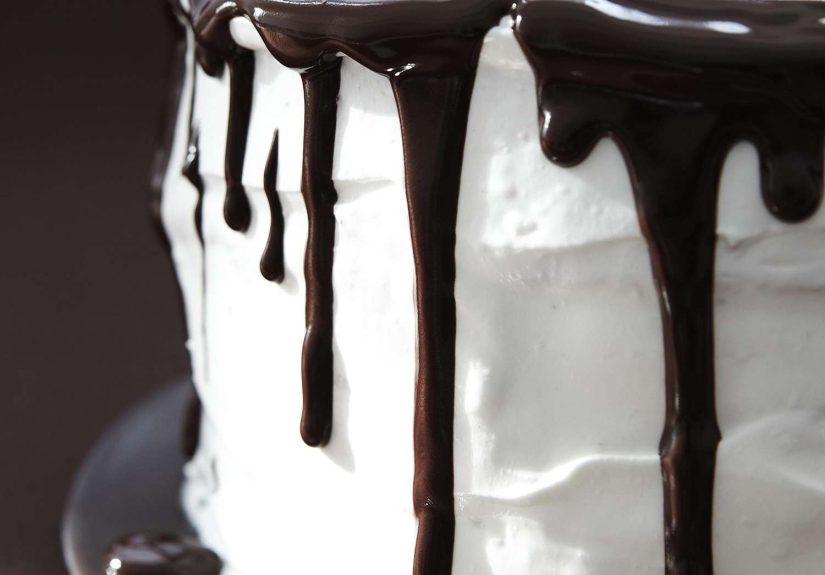
Some cakes walk into the room and politely say hello. A Chocolate Shadow Cake kicks the door open, flips on the dramatic lighting, and lets glossy chocolate “shadows” drip down a cloud of fluffy white frosting like it’s auditioning for a dessert soap opera. The best part? It’s not fussy. It’s classic American layer-cake energymoist chocolate layers, billowy seven-minute frosting, and a simple chocolate glaze that makes everyone think you took a pastry course (you didn’t; you’re just sneaky).
What Is a Chocolate Shadow Cake?
A Chocolate Shadow Cake is a traditional-style chocolate layer cake frosted with bright white, meringue-like seven-minute frosting, then finished with a thin chocolate glaze drizzled along the top edge so it drips partway down the sides. The contrast creates the “shadow” effectlike the cake is wearing eyeliner. It’s equal parts vintage charm and modern drip-cake drama.
Chocolate Shadow Cake at a Glance
- Yield: 1 layer cake (12–14 slices)
- Pan sizes: 2 (9-inch) round pans (or 3 (8-inch) panssee note)
- Time: ~25 minutes prep, 35–40 minutes bake, 60 minutes cool + decorate
- Skill level: Intermediate (because frosting likes attention)
- Make-ahead: Cake layers can be baked 1 day ahead or frozen
Ingredients
For the Chocolate Cake
- 3/4 cup (170 g) unsalted butter, room temperature
- 1 3/4 cups (350 g) granulated sugar
- 2 cups (240 g) cake flour, sifted (or spooned & leveled)
- 2/3 cup (60–65 g) unsweetened cocoa powder (natural or Dutch-process; see note)
- 1 teaspoon baking soda
- 1/2 teaspoon baking powder
- 3/4 teaspoon fine salt
- 1 cup + 2 tablespoons (270 ml) buttermilk, room temperature
- 3 large eggs, room temperature
- 1 teaspoon vanilla extract
Cocoa note (quick and useful): Natural cocoa tends to taste a bit brighter; Dutch-process usually looks darker and tastes smoother. Because this cake includes buttermilk (acidic), either cocoa typically behaves well here. If you want a deeper color without changing flavor much, consider a darker Dutch-process cocoa. For maximum “midnight” vibes, you can swap in a small portion of black cocoa (see variations).
For the Fluffy White Frosting (Seven-Minute Style)
- 4 large egg whites (about 120 g), room temperature
- 1 1/4 cups (250 g) granulated sugar
- 3 tablespoons water
- 1 teaspoon cream of tartar
- Pinch of salt
- 1–2 teaspoons vanilla extract
Food safety tip: Seven-minute frosting is gently heated as it whips. If you’re serving someone pregnant, immunocompromised, very young, or elderly, consider using pasteurized egg whites and/or verify temperature with a thermometer (details below).
For the Chocolate “Shadow” Glaze
- 4 ounces (113 g) bittersweet or semisweet chocolate, chopped
- 4 tablespoons (56 g) unsalted butter
- 2 tablespoons light corn syrup
- Pinch of salt (optional, but it makes chocolate taste more like chocolate)
Step-by-Step Instructions
1) Prep your pans like you mean it
- Heat oven to 350°F (177°C).
- Grease two 9-inch round cake pans, line bottoms with parchment circles, then grease the parchment. Lightly flour the pans (or use cocoa powder if you don’t want white streaks).
- Optional (but smart): If you have a kitchen scale, place a bowl on it nowdividing batter evenly makes layers bake at the same pace.
2) Mix the cake batter (tender, not tough)
- In a medium bowl, whisk together cake flour, cocoa powder, baking soda, baking powder, and salt.
- In a large bowl, beat butter and sugar until pale and fluffy, about 3–4 minutes. (This is you building tiny air pocketsaka cake lift.)
- Beat in eggs one at a time, scraping the bowl after each. Stir in vanilla.
- Add the dry ingredients in 3 additions, alternating with buttermilk (dry → buttermilk → dry → buttermilk → dry). Mix on low just until combined. Don’t overmixcake flour is delicate and holds grudges.
- Divide batter evenly between pans and smooth the tops.
3) Bake, cool, and resist “just one poke”
- Bake for 35–40 minutes, or until a toothpick inserted in the center comes out with a few moist crumbs (not wet batter).
- Cool in pans for 10 minutes, then turn out onto racks, peel off parchment, and cool completely.
- Pro move: Chill layers 30 minutes before frosting. Cold cake is calmer cake. Calm cake crumbs behave.
Three-layer option: Want extra height? Use 3 (8-inch) pans and divide batter evenly. Start checking at 22–26 minutes. Thinner layers bake faster and stay extra plush.
4) Make the seven-minute frosting (fluffy, glossy, and slightly magical)
- Bring 1/2 inch of water to a gentle simmer in a saucepan. Choose a large heat-resistant bowl that can sit over the pan without touching the water.
- In the bowl, whisk egg whites, sugar, water, cream of tartar, and salt.
- Set the bowl over the simmering water. Using a hand mixer on medium-high, beat continuously until the frosting forms stiff, glossy peaks, about 6–8 minutes. (If using a thermometer, aim for at least 160°F for egg mixtures; many bakers take it higher for comfort.)
- Remove from heat, add vanilla, and continue beating until the frosting is very thick and cooled to room temperature, about 6–8 minutes. It should look like marshmallow crème that went to the gym.
Humidity warning (said with love): Seven-minute frosting can soften on very humid days. If your kitchen feels like a rainforest, keep the finished cake cool and serve sooner rather than later.
5) Assemble the cake (the fun part)
- Place one cake layer on a serving plate or cake stand. Tuck strips of parchment under the edges to keep things tidy.
- Spread about 1 cup of frosting over the first layer. Add the second layer and cover the top and sides with the remaining frosting.
- Smooth it however you like: swoopy and rustic is charming; sleek and sharp is dramatic. Either way, it’s going to taste like chocolate won.
6) Make the chocolate shadow glaze and drizzle like an artist
- In a heatproof bowl set over barely simmering water (or in short microwave bursts), melt chocolate and butter together until smooth. Whisk in corn syrup and a pinch of salt.
- Let the glaze cool about 5 minutes. You want it fluid but not screaming hot.
- Spoon about 1/4 cup onto the center top of the cake and gently nudge it outward. Then spoon the rest around the top edge, letting it drip halfway down the sidesaka the “shadow” effect.
- Let set 15–20 minutes before slicing (or longer in the fridge for sharper drips).
Why This Recipe Works (A Little Baking Nerdiness)
Chocolate cake can go dry or flat when the chemistry isn’t balanced. This version stays tender because it uses cake flour for a finer crumb, butter for flavor, and buttermilk for moisture. The combo of baking soda and baking powder gives reliable lift: soda reacts with acidic buttermilk, while baking powder adds backup bubbles so your cake doesn’t rely on one ingredient having a perfect day.
The frosting is essentially a cooked meringue: sugar dissolves as the mixture warms, and whipping creates a stable foam. Cream of tartar helps the egg whites hold structure so the frosting doesn’t collapse into sad, sticky soup. Finally, the glaze uses corn syrup to stay shiny and clingyso the drips set with that classic bakery “mirror” look.
Common Problems (and How to Fix Them Fast)
My cake is dry
Most often: overbaking or too much flour. Pull the layers when a toothpick shows moist crumbs. Also, measure flour by spooning into the cup and levelingdon’t scoop like you’re digging for treasure.
My layers domed a lot
Ovens often run hot. If domes bug you, bake with cake strips or lower the oven to 325°F and extend bake time slightly. (Or just level the layers and snack on the “chef’s tax.”)
My frosting won’t whip to stiff peaks
Grease is the enemy. Make sure the bowl and beaters are squeaky clean. Also, don’t rush the heating stepsugar needs time to dissolve and the whites need enough warmth to build structure.
My glaze is too thick (or too thin)
Too thick: warm it 5–10 seconds and stir. Too thin: let it cool a few more minutes. Think “heavy cream consistency,” not “lava” and not “waterfall.”
Flavor Variations (Because Chocolate Loves Accessories)
- Espresso boost: Add 1–2 teaspoons instant espresso powder to the batter for deeper chocolate flavor.
- Orange-chocolate: Add 1 teaspoon orange zest to the batter; swap vanilla for 1/2 teaspoon orange extract in frosting.
- Peppermint shadow cake: Add 1/4 teaspoon peppermint extract to the glaze (go easypeppermint is loud).
- Darker “midnight” look: Replace up to 2 tablespoons of the cocoa with black cocoa for color. (It’s dramatic, like the cake is wearing a velvet cape.)
- Sheet-cake style: Bake in a 9×13-inch pan; frosting and glaze still work beautifully and serve like a dream at potlucks.
Storage and Make-Ahead Tips
Because seven-minute frosting is light and airy, this cake is best the day it’s assembledbut it still holds up well if you treat it kindly. Store loosely covered at cool room temperature for up to 1 day, or refrigerate up to 3 days. If chilled, let slices sit at room temp 20–30 minutes before serving for the best texture.
Make-ahead strategy: Bake the cake layers a day in advance, wrap tightly, and store at room temp (or freeze up to 2 months). Make frosting and glaze the day you serve for the prettiest, fluffiest finish.
Serving Ideas
Serve thick slices with cold milk (classic), hot coffee (elite), or fresh berries (so you can say “balance” with a straight face). For parties, add a small bowl of extra glaze and let guests “paint” their slice. It’s interactive dessert, which is just a fancy way of saying: people will be delighted and slightly chaotic.
Chocolate Shadow Cake Experiences (The Stuff You Remember)
If you’ve ever carried a layer cake to the table and felt the room do that tiny, collective inhaleoohyou already understand why Chocolate Shadow Cake earns a permanent spot in the celebration rotation. It’s not just dessert; it’s edible theater. The white frosting looks like fresh snow, the chocolate drips look like a midnight art project, and suddenly everyone has an opinion about slice size (funny how that happens).
This is the kind of cake people associate with specific moments: the birthday where someone insisted on candles that spelled out a name and then realized there weren’t enough letters, the Halloween party where the drip effect made the cake look delightfully “spooky elegant,” the rainy Sunday when baking felt like the only reasonable form of self-care. The recipe has a built-in rhythm that feels comforting: the steady whir of the mixer, the warm chocolate scent that shows up early and refuses to leave, the quiet satisfaction of seeing cake layers release cleanly from the pan like they’re cooperating for once.
The frosting is where the memories usually get loud. Seven-minute frosting is dramatic in the best wayat first it looks like sweetened egg whites that made questionable life choices, and then (almost suddenly) it turns glossy and tall, like it found its purpose. People who “don’t like frosting” will mysteriously scrape the bowl. Kids will ask if it’s marshmallow. Adults will pretend they’re above licking the beaters and then very much not be above licking the beaters.
And then comes the glaze: that slow, glossy pour that makes you feel like a dessert stylist. There’s a small, delicious tension in the moment will it drip perfectly, or will it do something weird? The good news is that “weird” still looks artistic when chocolate is involved. Even imperfect drips read as intentional, like you planned a modern interpretation of a classic cake. (You did. Absolutely.)
The real magic happens after the photoswhen slicing starts. The first cut reveals the contrast: dark cake, bright frosting, and that shadowy ribbon of chocolate. Someone always asks for “a thin slice” and then comes back for a second slice that is mysteriously not thin. Someone else claims they’re “just having a bite” and ends up with a fork that never leaves their hand. That’s the social power of a good chocolate cake: it makes people relax, laugh, and forget to be complicated for a minute.
If you’re baking this for a milestone, a potluck, or simply because the week has been A Lot, consider it your edible mic drop. The Chocolate Shadow Cake doesn’t whisper. It doesn’t apologize. It says, “I showed up,” and then it tastes like you made the correct decision.