Table of Contents >> Show >> Hide
- The Story Behind Chocolate Chip Cookies
- What Makes a Great Chocolate Chip Cookie?
- Why Chilling the Dough Works
- Chocolate Chips vs. Chocolate Chunks
- How to Get the Texture You Want
- Common Chocolate Chip Cookie Mistakes
- Easy Ways to Upgrade Chocolate Chip Cookies
- Serving and Storing Chocolate Chip Cookies
- Why Chocolate Chip Cookies Still Win
- Experiences That Make Chocolate Chip Cookies Memorable
- Conclusion
- SEO Tags
Chocolate chip cookies are the little black dress of American baking: classic, reliable, and always welcome at the party. They can be crisp, chewy, thick, thin, gooey, golden, bakery-style, lunchbox-friendly, or “I accidentally ate six while standing in the kitchen” style. That range is exactly why people never stop talking about them. A chocolate chip cookie is simple enough for a beginner, but nuanced enough to keep experienced bakers debating butter temperature like it is a playoff game.
The best chocolate chip cookies are not just about following one recipe to the letter. They are about understanding what makes them tick. Brown sugar adds moisture and chew. White sugar encourages spread and crisp edges. Butter brings flavor, whether you use it softened, melted, or browned for a deeper toffee note. Chilling the dough can change everything, from flavor to texture to how dramatically the cookies spread in the oven. In other words, a great cookie is part comfort food, part kitchen chemistry, and part edible magic trick.
This guide breaks down what makes chocolate chip cookies so beloved, how to make them better, and how to customize them to match your ideal cookie personality. Are you a crispy-edge traditionalist? A chewy-center loyalist? A “more chocolate than dough, please” visionary? Good news: there is room for all of us at the cookie tray.
The Story Behind Chocolate Chip Cookies
No cookie has had a more successful glow-up than the chocolate chip cookie. What began as a homemade treat became an icon of American baking and a permanent resident in cookie jars, bake sales, coffee shops, and late-night cravings. Its popularity comes from a combination that feels almost unfairly effective: buttery dough, caramel notes from sugar, and pockets of melted chocolate that make restraint feel optional.
Part of the cookie’s lasting appeal is that it balances familiarity and flexibility. The base formula is simple, but small changes can create dramatically different results. Add more brown sugar and the cookie leans soft and chewy. Brown the butter and suddenly it tastes sophisticated enough to wear a blazer. Use chopped chocolate instead of chips and the cookie develops glossy puddles and uneven ribbons of chocolate that look wonderfully dramatic. It is the same dessert family, just with a lot of personality types at the reunion.
What Makes a Great Chocolate Chip Cookie?
1. The Fat Matters More Than You Think
Butter is the flavor backbone of most great chocolate chip cookies. Softened butter is often used when bakers want a more traditional creamed dough with a balanced texture. Melted butter usually produces a denser, chewier cookie because it changes how the dough hydrates and spreads. Browned butter takes things one step further by adding nutty, caramel-like depth that makes the cookies taste richer and more complex.
If you have ever bitten into a cookie and thought, “Why does this taste like a warm hug with ambition?” browned butter is usually the answer. It adds a slightly toasted flavor that plays beautifully with semisweet chocolate, dark chocolate, toffee bits, and a pinch of flaky salt.
2. Sugar Controls Texture
Chocolate chip cookies are one of the best examples of how sugar is not just sweetener; it is structure. Brown sugar contains molasses, which adds moisture and helps create a softer, chewier cookie. Granulated sugar encourages spread and crispness. That is why recipes with more brown sugar tend to produce thicker, more tender cookies, while those with more white sugar often bake up thinner and snappier.
This is where personal preference takes over. If your dream cookie has a slightly wrinkled top, tender center, and bendable texture, leaning into brown sugar is a smart move. If you love cookies with golden, crisp edges that practically announce themselves with a crunch, more granulated sugar helps get you there.
3. Flour Is Quiet but Powerful
Flour looks like the least exciting ingredient in the bowl, but it does a lot of heavy lifting. Too little flour can make cookies spread into thin, lacy discs. Too much can produce dense cookies that feel more like sweet hockey pucks. Measuring accurately matters, especially for a recipe as sensitive as cookies. Spoon-and-level measuring is safer than scooping directly with the measuring cup, which can pack in too much flour and turn optimism into disappointment.
Some bakers add a bit of cornstarch for tenderness, especially when aiming for thick, soft bakery-style cookies. Higher-protein flour can also reduce excessive spreading. Tiny adjustments in dry ingredients can mean the difference between “wow” and “well, they still taste okay with ice cream.”
4. Eggs Bring Structure and Richness
Eggs help bind the dough and contribute to texture. A whole egg provides structure and moisture, while an extra yolk can make cookies richer and chewier. That is one reason many chewy-cookie recipes include an additional yolk. It is a small move with a big payoff, like adding one more blanket to the bed in winter.
5. Baking Soda, Salt, and Vanilla Are Not Background Characters
Baking soda helps cookies spread and brown. Salt balances sweetness and sharpens the chocolate flavor. Vanilla rounds everything out and gives the dough that unmistakable cookie aroma that can pull people into the kitchen from three rooms away. A sprinkle of flaky salt on top before or after baking can also add contrast and make the chocolate taste more pronounced.
Why Chilling the Dough Works
One of the most repeated tips in modern cookie baking is chilling the dough, and it is repeated for a reason. Resting the dough gives the flour time to hydrate and allows the fat to firm up. The result is usually a cookie with better flavor, more even browning, less uncontrolled spreading, and a more developed texture. In practical terms, chilled dough often produces cookies that look prettier and taste more layered.
Is chilling mandatory? No. Is it frequently worth the wait? Absolutely. Even a short chill can help, while an overnight rest often deepens flavor further. That said, no-chill cookies have their place, especially when the craving is urgent and your self-control has already left the building.
Chocolate Chips vs. Chocolate Chunks
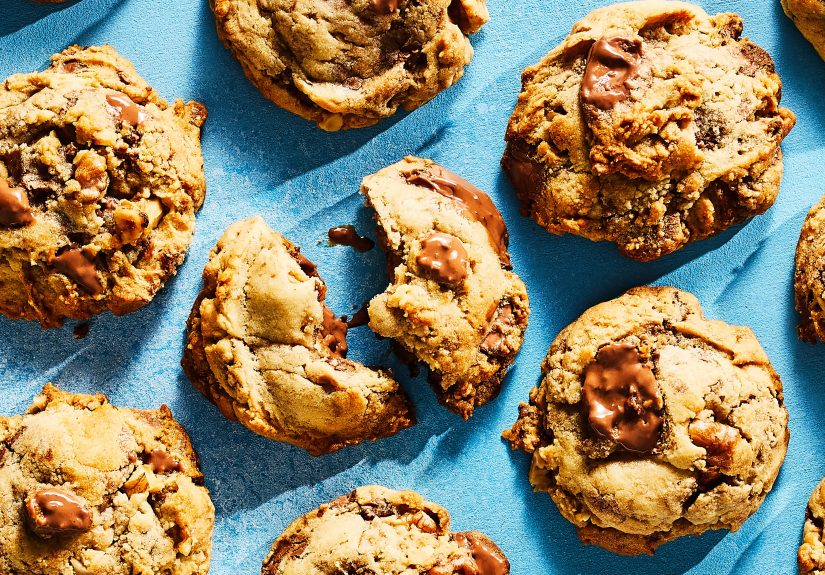
The phrase chocolate chip cookies suggests chips are the obvious choice, but the truth is more flexible. Chocolate chips are convenient and consistent. They hold their shape well and give each bite a familiar look and texture. Chopped chocolate or chocolate chunks create a more rustic, bakery-style effect, with pools, streaks, and pockets of melted chocolate throughout the cookie.
If you want tidy, classic cookies, use chips. If you want dramatic cookies that look like they belong in a glossy bakery case under flattering lighting, use chopped bars or chunks. A mix of both is also a smart move. Think of it as giving your cookies range.
How to Get the Texture You Want
For Chewy Chocolate Chip Cookies
- Use more brown sugar than white sugar.
- Try melted butter or an extra egg yolk.
- Chill the dough before baking.
- Pull the cookies when the centers still look slightly soft.
For Crispy Chocolate Chip Cookies
- Increase the proportion of white sugar.
- Use less dough per cookie and flatten slightly before baking.
- Bake a little longer for deeper browning at the edges.
For Thick Bakery-Style Cookies
- Use well-chilled dough.
- Shape dough into tall mounds rather than flat scoops.
- Consider adding a little cornstarch.
- Use chopped chocolate for big molten pockets.
Common Chocolate Chip Cookie Mistakes
Overmixing the Dough
Once the flour is added, overmixing can develop too much gluten and make cookies tougher than intended. Mix until combined, then stop. Cookie dough is not impressed by your commitment.
Using the Wrong Butter Temperature
If a recipe calls for softened butter, using melted butter can change the texture dramatically. If it calls for melted butter, using cold butter will not magically work itself out. Matching the butter method to the recipe matters more than many bakers realize.
Overbaking
Many chocolate chip cookies continue to set on the hot baking sheet after they come out of the oven. Waiting until they look completely done in the oven often means they will be too firm by the time they cool. Slightly underbaked is usually the sweet spot for soft centers.
Ignoring Salt
Cookies without enough salt can taste flat and one-note. Even sweet recipes need contrast. Salt is not there to make the cookie salty; it is there to make it taste more like itself.
Easy Ways to Upgrade Chocolate Chip Cookies
If you have already mastered a basic batch, there are plenty of ways to level up without turning the recipe into a science project worthy of a lab coat.
- Brown the butter for a nuttier, deeper flavor.
- Add flaky sea salt for sweet-salty contrast.
- Use mixed chocolate such as semisweet, dark, and milk chocolate together.
- Stir in toasted nuts like pecans or walnuts for crunch.
- Add a little espresso powder to emphasize chocolate flavor without making the cookies taste like coffee.
- Freeze dough balls so warm cookies are always within reach.
One of the smartest habits a home baker can build is freezing portioned dough. It turns cookie baking from a whole event into a much easier “I deserve two cookies on a Wednesday” decision.
Serving and Storing Chocolate Chip Cookies
Freshly baked cookies are wonderful, but properly stored cookies can stay enjoyable for days. Keep fully baked cookies in an airtight container at room temperature to preserve texture. If you like soft cookies, placing a slice of bread in the container can help maintain moisture. If you like crisp cookies, give them a little breathing room and avoid trapping too much humidity.
Cookie dough also freezes well, which is good news for planners and impulse bakers alike. Scoop the dough into portions, freeze them on a tray, then store them in a freezer-safe container or bag. That way, you can bake a few at a time instead of staring down three dozen cookies and pretending you made them “for the family.”
One important note: do not eat raw cookie dough made with regular flour and eggs. Raw flour is not a ready-to-eat ingredient, and uncooked dough or batter can carry germs that make people sick. Bake first, snack second, and let future you be grateful.
Why Chocolate Chip Cookies Still Win
There are fancier desserts, prettier desserts, and desserts that require kitchen tools you only use once every leap year. But chocolate chip cookies remain undefeated because they combine nostalgia, comfort, ease, and endless customization. They are what you bake for new neighbors, school events, road trips, rainy afternoons, breakups, celebrations, and random Tuesdays that need improving.
They also deliver something many desserts do not: immediate joy. The smell alone can transform a kitchen. The first warm bite can erase a bad meeting, a long day, or a suspiciously rude email. Chocolate chip cookies are not just food. They are mood management with butter.
Experiences That Make Chocolate Chip Cookies Memorable
Part of the reason people love chocolate chip cookies so much is that almost everyone seems to have a story attached to them. Maybe it is the first thing you baked with a parent or grandparent, standing on a chair and proudly overmeasuring the chocolate chips because “the recipe felt conservative.” Maybe it is the after-school batch that disappeared before dinner, leaving only a cooling rack full of crumbs and suspiciously innocent faces. Chocolate chip cookies are rarely just dessert; they are often part of family routines, celebrations, and kitchen mishaps that become household legends.
There is also the universal experience of chasing the “perfect” batch. One weekend you want thick and gooey cookies with molten centers. The next, you want thin, crisp cookies that shatter at the edges and pair perfectly with cold milk. Home bakers learn quickly that cookie baking is full of tiny lessons. Too much flour? The cookies barely spread. Butter too warm? Suddenly the tray looks like one giant cookie continent. Skip the chill time? The cookies may still taste fantastic, but they might also spread like they were trying to escape the pan. Every batch teaches something, and somehow even the imperfect ones are still extremely edible. Funny how that works.
Then there is the unmistakable social power of a plate of warm chocolate chip cookies. Bring them to a gathering and people magically become friendlier. Leave a dozen on the counter at work and coworkers you have never met will suddenly know your name. Bake them for guests and your home feels more welcoming within minutes. Few foods create instant comfort as quickly as a tray of cookies cooling on the stove while the whole room smells like butter, vanilla, and chocolate.
For many people, the best chocolate chip cookie experiences are tied to little sensory details: the sound of the spatula scraping the mixing bowl, the sight of glossy dough studded with chocolate, the suspense of peeking through the oven door, and the nearly impossible task of waiting for the cookies to cool. There is also the small personal ritual of deciding which cookie is yours. Do you grab the darkest, crispiest one at the edge of the tray? Or the thick, underdog-looking one in the middle that turns out to be the softest? Cookie people tend to have opinions, and those opinions are not casual.
Even more than other classic desserts, chocolate chip cookies invite experimentation without feeling intimidating. One baker swears by browned butter. Another insists on chopped dark chocolate and flaky salt. Someone else adds walnuts because that is how their mother made them, and changing it would feel almost rebellious. These experiences become traditions, and traditions are what keep simple recipes alive for generations. In the end, the “best” chocolate chip cookie is often the one that tastes a little like memory, a little like comfort, and a lot like you should probably have just one more.
Conclusion
Chocolate chip cookies have earned their place as a timeless American favorite because they are both simple and endlessly adaptable. With the right balance of butter, sugar, flour, and chocolate, you can create a cookie that matches your exact cravings, whether that means chewy centers, crisp edges, thick bakery-style mounds, or thin golden classics. Learn the basics, respect the dough, do not fear a little chill time, and remember that extra chocolate is rarely the wrong answer.