Table of Contents >> Show >> Hide
- Quick Snapshot: What Chesa Wazzau Is (and Isn’t)
- Where It Sits: Bever, the Engadin Valley, and the Calm Next to the Glam
- What Makes an Engadin House an Engadin House?
- The Restoration: “Gentle Renovation” Done Right
- Inside Chesa Wazzau: A Room-by-Room Feel (Without the Real Estate Hype)
- The Kitchen: vaulted ceilings, serious surfaces, and a social center
- The Stüvas: pinewood calm, the original “cozy core”
- Bedrooms: vaulted rooms, timber framing, and sleep that feels earned
- Bathrooms: rustic palette, modern heat, no drama
- Art and objects: collected, not curated (and that’s why it works)
- Design Lessons You Can Steal (Even If You Don’t Own a 17th-Century Farmhouse)
- What to Do Near Chesa Wazzau: St. Moritz Access, Engadin Energy
- How to Plan a Stay at Chesa Wazzau
- Conclusion: A Farmhouse That Lets the Engadin Be the Main Character
- Experience Notes: What It’s Like to Stay in a Restored Engadine Farmhouse (Approx. )
St. Moritz is the kind of place that can make a person feel underdressed even in a ski jacket. It’s glossy, legendary, and unapologetically glamorous. But five-ish minutes awaydown the valley, past the “did we just drive through a postcard?” scenery there’s Bever, a quiet Engadin village where the architecture does the talking. And one of its best storytellers is Chesa Wazzau: a restored 17th-century farmhouse that proves “historic” and “comfortable” don’t have to fight in the parking lot.
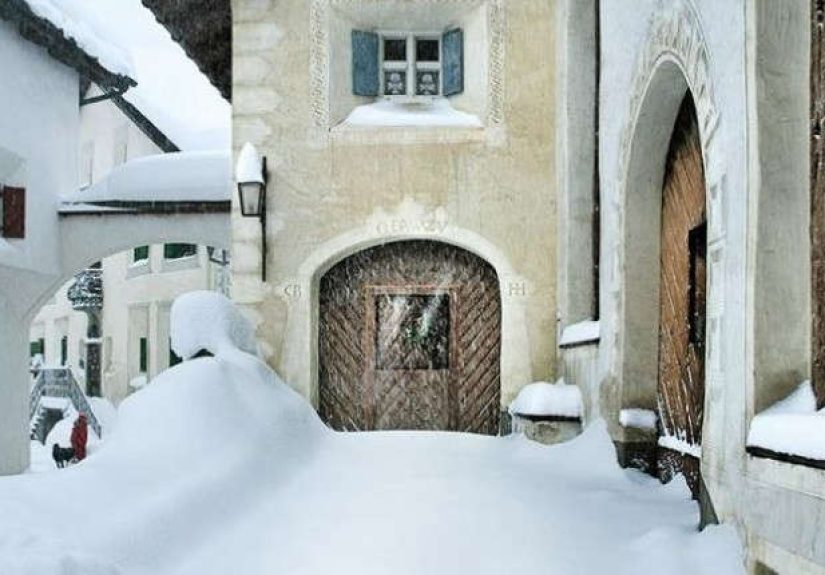
This isn’t a chalet that tries to cosplay as old-world Alpine charm while secretly being a modern box in a wool sweater. Chesa Wazzau is the real deal: thick stone walls, small windows framed by traditional sgraffito plaster decoration, and interiors shaped by vaults, timber, and the kind of patina that can’t be purchased in a catalog. And yes, it still has Wi-Fibecause even time travel needs a login.
Quick Snapshot: What Chesa Wazzau Is (and Isn’t)
- What it is: A renovated, preserved 17th-century Engadine farmhouse in the village of Bever, near St. Moritz.
- What it offers: Space for up to 12 guests, about 278 m² of living area, and a layout built around historic rooms like the Sulèr and Stüvas.
- What makes it special: “Gentle” renovationsthink granite floors and underfloor heating in key areaswithout sanding off the building’s soul.
- What it’s not: A minimalist glass cube pretending it’s “in harmony with nature.” This house was doing harmony before harmony was a hashtag.
Where It Sits: Bever, the Engadin Valley, and the Calm Next to the Glam
Bever is one of those small Alpine places where you’ll catch yourself whispering, even outdoors, as if the mountains asked for inside voices. It’s part of the Upper Engadinan area known for dramatic peaks, crisp light, and a strong sense of place. St. Moritz may be the headline act, but the Engadin is the whole album: lakes, trails, villages, and an architectural tradition that’s instantly recognizable once you know what to look for.
For travelers, that location is a quiet superpower. You can ski major resorts, wander into St. Moritz for a dose of high-end après, and still come “home” to a farmhouse where the thick walls feel like a warm hug from the 1600s. The contrast is the point: you get the convenience of St. Moritz with the slower rhythm of a historic village base.
What Makes an Engadin House an Engadin House?
Chesa Wazzau isn’t just oldit’s regionally specific. Traditional Engadin houses (often called chesas) evolved to handle the realities of Alpine life: cold winters, fire risk, and the need to combine work, storage, animals, and family life under one roof.
1) Thick walls and “loophole” windows (for a very practical reason)
The windows are small and set deep into the wallsless glass means less heat loss. But the interior window recesses are often shaped to funnel light inward, so the rooms don’t feel like medieval bunkers. In Chesa Wazzau, those deep sills become design moments: a perfect place for potted herbs, a stack of books, or the kind of candle lineup that screams “I’m about to make fondue.”
2) Sgraffito: the “scratched” plaster art that doubles as local identity
If you’ve ever looked at an Engadin façade and thought, “Is that a mural… carved into the wall?”that’s sgraffito. It’s a decorative plaster technique where patterns are scratched into a damp surface to reveal contrasting layers. On Chesa Wazzau, the sgraffito framing the windows isn’t just pretty; it’s a recognizable regional signature that signals you’re in the Engadin, not “generic Alps.”
3) The Sulèr and the Stüva: spaces built for real life
Traditional layouts often feature a big entrance hall (Sulèr) that functions like the Swiss Army knife of roomsarrival zone, storage, gathering space. Then there’s the Stüva (or Stüvas, plural): cozy living rooms, traditionally wood-paneled, historically the most heated and most used spaces in the house. Chesa Wazzau includes two pinewood Stüvas, which is basically the architectural equivalent of having two comfort-food dishes on the menu. No one is mad about it.
The Restoration: “Gentle Renovation” Done Right
Chesa Wazzau has been cared for over decades by a husband-and-wife teamhe’s a photographer, she’s an interior designerwho focused on preserving original character while making the house livable for modern stays. The approach is less “before-and-after makeover” and more “long-term stewardship,” where you upgrade what matters and respect what already works.
Historic bones kept intact, comfort added strategically
A few updates tell you everything about the philosophy here:
- Granite floors in key areas like the kitchen and bathroomsdurable, honest, and in tune with the farmhouse vibe.
- Underfloor heating in the kitchen and at least one bathroombecause cold tiles are only charming in novels.
- Old vaults and arches revealed and celebrated, not covered up with drywall and “open concept” guilt.
- Modern amenities (Wi-Fi, a well-equipped kitchen, laundry) added without turning the place into a sterile showroom.
From a design standpoint, this is the sweet spot: the house still feels like a 17th-century Engadin farmhouse, but you’re not camping in history. You’re living in itwarmly.
Inside Chesa Wazzau: A Room-by-Room Feel (Without the Real Estate Hype)
The Kitchen: vaulted ceilings, serious surfaces, and a social center
In many old farmhouses, the kitchen is where the building’s personality becomes undeniable. Here, it’s spacious and vaultedbuilt for cooking together, lingering over long meals, and pretending you’re starring in a tasteful travel documentary. Thick walls create deep window recesses, and modern cabinetry is paired with a substantial sink setup (including a trough-style feel in some descriptions), which fits the farmhouse logic: functional first, beautiful by default.
The Stüvas: pinewood calm, the original “cozy core”
The pinewood living rooms are the reason you’ll suddenly understand why people talk about “hygge” like it’s a religion. Wood-paneled rooms soften sound, hold warmth, and make every cup of tea feel more important than it objectively is. This is where you read, play games, decompress after skiing, and accidentally start talking about “moving to the mountains” like it’s a real plan.
Bedrooms: vaulted rooms, timber framing, and sleep that feels earned
Chesa Wazzau is described as having six bedrooms and sleeping up to 12. Some rooms feature vaulted ceilings and the kind of quiet you can’t download. The look is simple and authenticwood floors, white walls, and furniture that leans “inherited” rather than “influencer.” (Which is a compliment. Heirloom energy is undefeated.)
Bathrooms: rustic palette, modern heat, no drama
The bathroom spaces follow the home’s core palettewood and whitewhile adding practical upgrades where they matter. Granite floors and underfloor heating keep things comfortable. The overall effect is not spa-hotel flashy; it’s clean, calm, and appropriate for a house that’s older than most countries’ favorite pop songs.
Art and objects: collected, not curated (and that’s why it works)
One of the most charming parts of Chesa Wazzau is that it doesn’t read like a staged rental. Furniture is often inherited or long-owned; art includes original works by Swiss artists in some descriptions. The mix of vernacular pieces with a modern design classic (like a Bauhaus-era lamp) is the kind of contrast that makes the house feel lived-in, not themed.
Design Lessons You Can Steal (Even If You Don’t Own a 17th-Century Farmhouse)
- Preserve what can’t be replaced. Thick walls, original timber, vaults, and window proportions are the “character-defining” features. Renovate around them, not through them.
- Upgrade comfort invisibly. Underfloor heating and durable stone floors modernize daily life without changing the home’s visual language.
- Mix old and new with confidence. A modern lamp beside rustic furniture works when the home’s foundation is authentic and the palette is calm.
- Let light be a design feature. Deep-set windows and funnel-like recesses create natural drama. Don’t fight itaccent it.
- Choose materials that age well. Stone, wood, lime-based finishes, and honest metals don’t get “dated”; they get better stories.
What to Do Near Chesa Wazzau: St. Moritz Access, Engadin Energy
Winter: iconic skiing and the quiet luxury of cross-country
From Bever, you’re close to the major ski areas associated with St. Moritz and the Upper Engadin region, plus smaller areas that can feel more relaxed. If you want the postcard version of winter, you’ll find it: groomed runs, big views, and enough crisp air to make you wonder if you’ve been breathing wrong your whole life. Cross-country skiing is also a hallmark of the valleywide open, rhythmic, and weirdly meditative once you stop falling over.
Summer and shoulder seasons: hikes, lakes, and the “wait, this is even better” effect
The Engadin isn’t only a winter story. In warmer months, trails, bike routes, and lakes turn the valley into a quieter kind of playgroundmore daylight, fewer fur coats, and a lot more “let’s just sit outside and stare at the mountains” time.
Getting there: scenic trains and “arrive already impressed” travel
One of the joys of this region is that you can arrive by rail in a way that feels cinematic, not logistical. Routes tied to the Rhaetian Railway and well-known panoramic train journeys turn the trip into part of the experience. Translation: the commute is not something you “get through.” It’s something you post about.
How to Plan a Stay at Chesa Wazzau
Who it’s ideal for
- Families and friend groups who want space, a real kitchen, and a living room that actually invites hanging out.
- Design and architecture lovers who get excited by vaults, plaster, timber framing, and regional craft details.
- Skiers and hikers who want St. Moritz proximity without sleeping in the middle of the spotlight.
Timing and budgeting (real talk)
Rentals are typically organized in week-long blocks (often Saturday to Saturday) and pricing varies by season. In plain English: peak winter weeks cost more, shoulder seasons can feel like a secret, and you’ll want to book early if you’re aiming for the high-demand holiday window.
What to pack (beyond the obvious)
- Slippersbecause stone floors and “barefoot bravado” don’t mix.
- A good playlist for the kitchen table. Historic vaults deserve ambiance.
- A flexible planthe house is the kind of place that makes you cancel at least one outing just to stay in and do nothing beautifully.
Conclusion: A Farmhouse That Lets the Engadin Be the Main Character
Chesa Wazzau is what happens when preservation is treated as a long game, not a marketing angle. It keeps the essential Engadin farmhouse DNAthick walls, sgraffito, vaults, pinewood living roomswhile adding modern comfort in ways that don’t feel intrusive. And because it sits near St. Moritz, you get the best of both worlds: access to world-famous skiing and events, plus the calm of a historic village where the architecture still feels like a living tradition.
If you’ve ever wanted a trip that’s equal parts Alpine adventure and design immersionwith a side of “wow, this is actually peaceful”this restored farmhouse near St. Moritz belongs on your shortlist.
Experience Notes: What It’s Like to Stay in a Restored Engadine Farmhouse (Approx. )
Staying in a place like Chesa Wazzau isn’t just “booking accommodation”it’s choosing a mood. The experience starts before you ever turn a key. If you arrive by train, the journey itself feels like a slow transition from city brain to mountain brain: tunnels, viaducts, and sudden views that make you stop pretending you’re too cool to take photos. By the time you reach the Upper Engadin, you’re already calmer, and the village of Bever seals the deal with that quiet, lived-in feeling that resort centers sometimes lose.
The first moment inside tends to be a “wait… this is really old” realizationfollowed immediately by “and it’s also really comfortable.” The Sulèr (the traditional entrance hall) feels like the house’s handshake: roomy, practical, and ready for a pile of boots, helmets, and grocery bags. Then you drift toward the kitchen because that’s what humans do when they enter a farmhouse with a serious kitchen. A vaulted ceiling changes how a room sounds; conversations get softer and warmer, like the architecture is actively discouraging you from arguing about dinner.
The kitchen becomes mission control. Morning coffee tastes sharper in Alpine air (science? no, vibes). Someone starts slicing bread while another person reads the weather like they’re auditioning for a local news station. If it’s winter, ski plans happen quickly: the big resorts are close enough that nobody has time to complain about “the drive,” which is a gift to group harmony. After a day outside, you come back to the kind of house where the thick walls and deep window recesses make the indoors feel sheltered without feeling closed in. It’s not “cozy” in a small way; it’s cozy in a structural way.
The Stüvas are where the restored-farmhouse magic really hits. Wood-paneled rooms have a calming effect that modern materials struggle to imitate. People naturally slow downboard games appear, books get opened, someone declares they’re “just going to sit for five minutes” and then doesn’t move for an hour. If your group cooks, you’ll probably have at least one meal that turns into a long-table event: soup, pasta, fondue, or whatever feels right after being outside. The house doesn’t force a schedule; it encourages a rhythmactive days, soft evenings, repeat.
In warmer months, the experience shifts but stays just as satisfying. Mornings might be hikes or lake walks, afternoons might be cycling routes or village wandering, and evenings can slide into outdoor time in the yardsimple meals, lingering conversations, and that quiet moment when you realize nobody has looked at their phone for a suspiciously long time. The best part is how the house keeps you grounded: you can pop into St. Moritz for culture, shopping, or a fancy drink, but you return to a place that feels rooted, real, and refreshingly unbothered by trends. It’s a farmhouse that doesn’t try to impress youyet somehow, it absolutely does.