Table of Contents >> Show >> Hide
- How Effective Is the Birth Control Pill?
- How the Pill Helps Prevent Pregnancy
- So, Can You Get Pregnant on the Pill?
- Common Reasons Pregnancy Happens on the Pill
- Can You Get Pregnant During the Placebo Week?
- What If You Miss One Birth Control Pill?
- What If You Miss Two or More Pills?
- Signs You Might Be Pregnant While on the Pill
- Can Taking the Pill During Early Pregnancy Harm the Baby?
- Does the Pill Protect Against STIs?
- How to Lower Your Chances of Getting Pregnant on the Pill
- When Should You Consider Emergency Contraception?
- When to Call a Healthcare Professional
- Real-Life Experiences and Practical Lessons About Pregnancy Risk on the Pill
- Conclusion
Yes, you can get pregnant on the pillbut before panic enters the chat wearing tap shoes, take a breath. Birth control pills are one of the most reliable reversible contraception methods when used correctly. The key phrase is “when used correctly.” With perfect use, the pill is extremely effective. In real life, however, alarms get snoozed, backpacks eat pill packs, travel plans scramble routines, and sometimes stomach bugs or certain medications interfere. That is where pregnancy risk can sneak in.
The birth control pill is designed to prevent pregnancy by using hormones to stop ovulation, thicken cervical mucus, and make it harder for a fertilized egg to implant. Most people who take it consistently do not get pregnant. Still, no birth control method is 100% effective except abstinence, and the pill depends heavily on timing and consistency. If you are wondering, “Can you get pregnant on the pill if you take it every day?” the answer is: it is possible, but unlikely. If you miss pills, start a pack late, take certain interacting medicines, or have vomiting or severe diarrhea, the odds go up.
This guide explains how pregnancy can happen on the pill, what signs to watch for, what to do after missed pills, and how to make your routine more reliablewithout turning your life into a medical spreadsheet.
How Effective Is the Birth Control Pill?
The pill is highly effective, but there is a difference between perfect use and typical use. Perfect use means taking every active pill exactly as directed, at the right time, without missed doses. Typical use reflects real life, where people occasionally forget, take pills late, or misunderstand instructions.
With perfect use, birth control pills are about 99% effective. With typical use, they are closer to about 93% effective. In plain English, that means about 7 out of 100 pill users may become pregnant in a year of typical use. That number does not mean the pill “doesn’t work.” It means the pill works best when your routine works with it.
How the Pill Helps Prevent Pregnancy
1. It Can Stop Ovulation
Most combination pills contain estrogen and progestin. These hormones help prevent the ovaries from releasing an egg. No egg means there is nothing available to be fertilized. This is one of the main ways the pill protects against pregnancy.
2. It Thickens Cervical Mucus
The pill also thickens cervical mucus, making it harder for sperm to move through the cervix. Think of it as the body’s version of a “road closed” sign.
3. It Changes the Uterine Lining
Hormonal birth control may also make the uterine lining less suitable for implantation. This adds another layer of pregnancy prevention.
So, Can You Get Pregnant on the Pill?
Yes. Pregnancy can happen on the pill, usually because something reduced the pill’s effectiveness. The most common reason is missed or late pills. Other possible reasons include starting a new pack late, vomiting soon after taking a pill, severe diarrhea, or taking medications that speed up hormone breakdown in the body.
For example, someone taking a combination pill who misses one active pill and takes it as soon as they remember may still be well protected. But someone who misses several pills, especially near the beginning or end of a pack, may have a higher chance of ovulating. The risk depends on the pill type, how many pills were missed, and where they were missed in the cycle.
Common Reasons Pregnancy Happens on the Pill
Missing Pills
Missing pills is the classic “oops” moment. One missed pill may not be a huge problem, especially with many combination pills, but multiple missed pills can raise pregnancy risk. The pill needs consistent hormone levels to do its job. Skipping active pills can allow the body to restart the hormonal process that leads to ovulation.
Taking Pills Late
Timing matters more for some pills than others. Combination pills are often more forgiving than progestin-only pills. With many progestin-only pills, taking a pill more than three hours late may count as a missed pill. Some newer progestin-only options have different windows, so always check the instructions that came with your pack.
Starting a Pack Late
Starting a new pack late can create a hormone-free gap long enough for ovulation to become possible. This is especially important after the placebo week or hormone-free interval. If you extend that break by accident, backup contraception may be needed.
Vomiting or Severe Diarrhea
If you vomit soon after taking a pill, your body may not absorb it fully. Severe diarrhea can also interfere with absorption. In these cases, it may be wise to treat the situation like a missed pill and follow the instructions on your pill pack or contact a healthcare professional.
Certain Medications and Supplements
Some medications can reduce the effectiveness of hormonal birth control. The most well-known examples include rifampin and rifabutin, which are antibiotics used for certain infections. Some anti-seizure medications and certain herbal products, such as St. John’s wort, may also interfere. Most common antibiotics do not appear to reduce pill effectiveness, but it is always smart to ask a pharmacist or clinician when starting a new medication.
Can You Get Pregnant During the Placebo Week?
If you took your active pills correctly, you are still protected during the placebo week or inactive-pill days. Those reminder pills do not contain active hormones, but they are part of a schedule designed to keep protection steady. The problem happens when the hormone-free break becomes longer than directed, such as missing active pills before the placebo week or starting the next pack late.
What If You Miss One Birth Control Pill?
If you miss one active combination pill, many instructions recommend taking it as soon as you remember, even if that means taking two pills in one day. Then continue the rest of the pack on schedule. In many cases, backup contraception is not required after only one missed combination pill, but instructions vary by brand and pill type.
For progestin-only pills, timing is stricter. If you are late beyond the allowed window, you may need backup contraception for a short period. Because instructions differ, the safest move is to read your pill package insert or ask a healthcare professional.
What If You Miss Two or More Pills?
Missing two or more active pills increases the chance of pregnancy. A common recommendation for combination pills is to take the most recent missed pill as soon as possible, continue the pack, and use backup contraception for seven days. If the missed pills happened early in the pack or during the last week of active pills, emergency contraception may be worth discussing with a pharmacist or clinician.
Do not try to guess your way through it with pure confidence and a calendar app. Pill instructions are specific for a reason. Check the leaflet, call your doctor’s office, or ask a pharmacist. They answer these questions all the time; you will not be the first person to say, “I missed two pills and now my brain is a tornado.”
Signs You Might Be Pregnant While on the Pill
Pregnancy symptoms while taking the pill can be confusing because hormonal birth control can also cause breast tenderness, nausea, spotting, mood changes, and lighter or missed periods. Still, possible signs of pregnancy may include:
- A missed withdrawal bleed or period, especially after missed pills
- Nausea that feels unusual for you
- Breast tenderness that does not feel typical
- Fatigue that seems out of proportion
- Spotting or bleeding that is different from your usual pattern
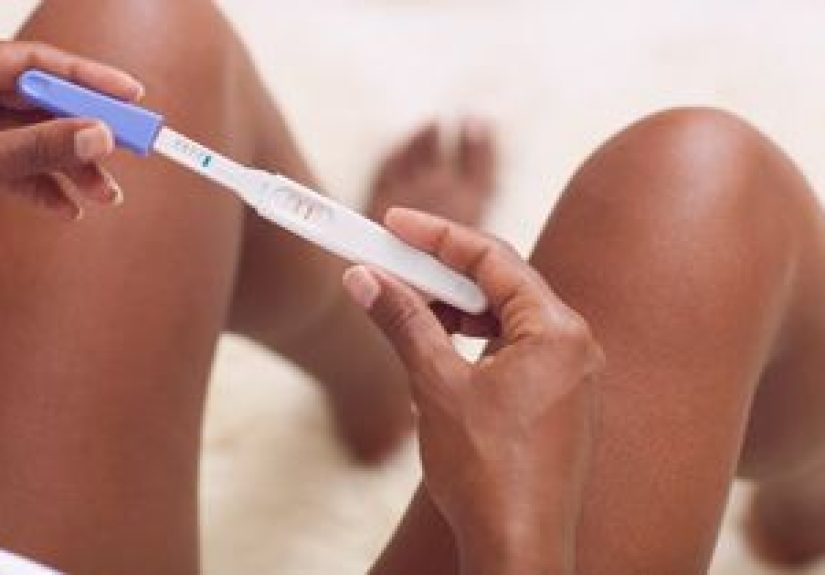
- A positive home pregnancy test
If you think you might be pregnant, take a home pregnancy test. Most tests are most accurate after a missed period, and many can detect pregnancy around the time your period is expected. If the result is positive, stop taking the pill and contact a healthcare professional for guidance.
Can Taking the Pill During Early Pregnancy Harm the Baby?
Many people worry if they accidentally took birth control pills before realizing they were pregnant. Current medical guidance generally indicates that taking birth control pills in early pregnancy has not been shown to increase the risk of birth defects. Still, once pregnancy is confirmed, you should stop taking the pill and talk with a healthcare provider.
Does the Pill Protect Against STIs?
No. Birth control pills help prevent pregnancy, but they do not protect against sexually transmitted infections. Condoms can reduce STI risk and also add backup pregnancy protection. For people who want both pregnancy prevention and STI protection, using condoms along with the pill is a common “belt and suspenders” approach.
How to Lower Your Chances of Getting Pregnant on the Pill
Take It at the Same Time Every Day
Choose a time that fits your actual life, not your fantasy life. If you are not a 6 a.m. sunrise-journal-green-smoothie person, do not set your pill reminder for 6 a.m. Pick a realistic time and stick with it.
Use Phone Reminders
Set an alarm, use a medication app, or add a daily calendar notification. A reminder is not dramatic; it is practical. Your future self will appreciate the tiny beep.
Keep Pills Where You Will See Them
Store your pack somewhere safe, private, and easy to remember. Avoid places with extreme heat or moisture, such as a hot car or steamy bathroom.
Refill Early
Do not wait until the last pill to request a refill. Delays happen. Pharmacies run out. Insurance systems occasionally act like confused raccoons. Keeping an extra pack on hand, when possible, can prevent late starts.
Ask About Interactions
Whenever you are prescribed a new medication, ask: “Will this affect my birth control pill?” This question takes five seconds and can prevent a lot of stress.
Use Backup When Needed
If you missed pills, started late, had severe stomach illness, or are taking an interacting medication, use backup contraception as directed. Backup methods are not a failure; they are a safety net.
When Should You Consider Emergency Contraception?
Emergency contraception may be considered after missed pills, late starts, condom accidents, or sex without reliable contraception. It works best when used as soon as possible. Options vary, and some are more effective than others depending on timing, body weight, and whether ovulation may have already occurred. A pharmacist, doctor, or clinic can help you choose the best option for your situation.
When to Call a Healthcare Professional
Contact a healthcare professional if you missed multiple pills, are unsure whether you are protected, have a positive pregnancy test, experience severe side effects, or are taking medications that may interact with the pill. You should also get medical advice if you have chest pain, severe headaches, vision changes, leg swelling, or shortness of breath while using combination hormonal birth control, because these symptoms need urgent evaluation.
Real-Life Experiences and Practical Lessons About Pregnancy Risk on the Pill
One common experience is the “I only missed one pill, so I’m fine… right?” moment. For many combination pill users, one missed pill can be managed easily by taking it when remembered and continuing the pack. But the emotional side can still feel huge. People often report checking calendars, counting days, and re-reading the tiny folded instruction paper like it is an ancient treasure map. The lesson: one mistake does not automatically mean pregnancy, but knowing your pill’s rules makes everything less scary.
Another real-world situation is travel. A person may take the pill perfectly at home, then fly across time zones and suddenly wonder whether “8 p.m.” means 8 p.m. at home or 8 p.m. in the new city. Travel can also interrupt sleep, meals, and routines. A practical strategy is to keep the pill in a carry-on bag, set a phone alarm, and decide before the trip how you will handle time changes. For progestin-only pills, this matters even more because the timing window can be shorter.
Stomach illness is another sneaky issue. Someone may take the pill on time, then vomit a couple of hours later and assume it still counted. Sometimes it may not have been fully absorbed. Severe diarrhea can create a similar problem. This is not the pill “failing” so much as the body not getting the full dose. In these cases, people often benefit from treating it like a missed pill and using backup protection according to the instructions.
Medication interactions can also surprise people. A person may start a new prescription and never think to connect it with birth control. Most everyday medicines do not cancel out the pill, but some drugs can reduce hormone levels. That is why pharmacists are such underrated heroes. Asking about interactions before leaving the pharmacy can save weeks of worry.
Then there is the “late refill” problem. This happens when someone finishes a pack, plans to pick up the next one, then runs into a weekend, insurance delay, closed pharmacy, or forgotten appointment. Starting a pack late is one of the easiest ways to create a risk window. The practical fix is boring but powerful: refill early. If possible, ask for a 3-month or 12-month supply so your birth control routine is not at the mercy of one chaotic Tuesday.
Some people also experience spotting or no bleeding during the placebo week and immediately assume pregnancy. The pill can make bleeding lighter, shorter, irregular, or sometimes absent. That can be normal, especially with continuous or extended-cycle use. However, if bleeding changes after missed pills or you have pregnancy symptoms, taking a test is the simplest way to move from guessing to knowing.
The biggest lesson from real-life pill use is that consistency matters, but perfection is not always realistic. A good birth control plan should fit your lifestyle. If daily pills feel hard to manage, it may be worth talking with a healthcare professional about other options, such as an IUD, implant, shot, patch, or ring. The best method is not the one that sounds impressive online; it is the one you can use correctly and comfortably.
Conclusion
So, can you get pregnant on the pill? Yes, but the chance is low when you take it correctly. The pill is highly effective with consistent use, but missed pills, late starts, vomiting, severe diarrhea, and certain medications can raise pregnancy risk. The smartest approach is to understand your specific pill, take it at the same time every day, use backup contraception when needed, and ask a healthcare professional when you are unsure.
Birth control should reduce stress, not turn your brain into a browser with 47 tabs open. A little planning, a daily reminder, and quick action after mistakes can keep the pill working as intended.