Table of Contents >> Show >> Hide
- What Is Calorie Density?
- Why Eating More Food Can Help With Weight Loss
- The Main Factors That Change Calorie Density
- What Low-Calorie-Density Eating Looks Like in Real Life
- Best Foods for Lower Calorie Density
- Foods That Raise Calorie Density Fast
- Smart Ways to Lower Calorie Density Without Feeling Deprived
- Sample Meal Swaps That Make Sense
- Common Mistakes to Avoid
- Is Calorie Density Better Than Counting Calories?
- Who Should Be More Careful?
- Final Thoughts
- Real-Life Experiences With Calorie Density
Here is one of the least depressing nutrition ideas on the internet: you may be able to eat more food by volume while still taking in fewer calories. No wizardry. No black magic. No need to pretend three almonds are “a satisfying snack.” The secret is calorie density.
If you have ever finished a tiny pastry in six bites and immediately started scanning the kitchen like a raccoon with a graduate degree, you already understand the problem. Some foods pack a lot of calories into a small space. Other foods take up far more room on the plate and in your stomach while delivering fewer calories. Learning that difference can make healthy weight loss feel far more reasonable, far less punishing, and much easier to sustain.
This is not about starving yourself. It is not about turning every meal into a sad bowl of lettuce. And it is definitely not about chasing quick fixes. Instead, it is about building meals that are filling, enjoyable, and naturally lower in calorie density, so you can manage hunger without feeling like you are in a long-term feud with your refrigerator.
What Is Calorie Density?
Calorie density, also called energy density, means how many calories are packed into a certain amount of food. Foods with high calorie density contain a lot of calories in a small portion. Foods with low calorie density contain fewer calories in a larger portion.
That matters because people often eat by volume, habit, and visual cues, not by mathematical precision. In other words, your body notices a big bowl of food differently from a tiny snack-sized rectangle of disappointment. When meals include more low-calorie-density foods, you can often feel fuller on fewer calories overall.
The Basic Rule
In general, foods that are high in water and fiber tend to be lower in calorie density. Foods that are high in fat tend to be more calorie dense, because fat delivers more calories per gram than protein or carbohydrate. That does not mean fat is “bad.” It means portion size matters more with foods like oils, butter, creamy sauces, cheese, nuts, and desserts.
Think of it this way: a large plate of vegetables, beans, broth-based soup, fruit, or oatmeal can fill a lot of space. A few handfuls of chips, a bakery muffin, or a fast-food combo can deliver a surprising number of calories before your stomach has even had time to send the memo that you ate.
Why Eating More Food Can Help With Weight Loss
The phrase “lose weight eating more food” sounds like a late-night infomercial promise, but the logic is simple. If you choose foods that provide more volume, fiber, and water for fewer calories, your meals can feel bigger and more satisfying. Bigger meals are often easier to stick with. And the eating pattern you can stick with is the one that actually has a chance of working.
That is one reason many nutrition experts recommend meals built around vegetables, fruit, legumes, whole grains, and lean protein. These foods can help create fullness without forcing you into tiny portions all day. Instead of relying on constant restraint, you are changing the structure of the meal itself.
Another bonus: lower-calorie-density eating often improves diet quality at the same time. You usually end up eating more produce, more fiber, and fewer ultra-processed, highly palatable foods that make it very easy to overshoot your needs. It is a practical strategy, not a trendy stunt.
The Main Factors That Change Calorie Density
1. Water Content
Water adds weight and volume but no calories. That is why foods like cucumbers, tomatoes, berries, oranges, broth-based soups, melons, and leafy greens are usually low in calorie density. They take up room in the stomach and on the plate without packing in many calories.
2. Fiber
Fiber slows eating, adds bulk, and supports fullness. Foods rich in fiber, such as beans, lentils, oats, vegetables, fruit, and whole grains, tend to be more satisfying than refined, low-fiber foods. A bowl of lentil soup and a bowl of sugary cereal do not hit the body the same way, even if the bowl looks equally innocent.
3. Fat Content
Fat is an important nutrient, but it is also the most calorie-dense macronutrient. That means foods high in fat can become very calorie dense very quickly. A drizzle of olive oil can fit beautifully into a healthy eating pattern. A few free-pour glugs plus cheese plus creamy dressing plus croutons can turn a salad into something that behaves more like a stealth casserole.
4. Processing and Texture
Highly processed foods are often easier to eat quickly and in larger amounts. Crunchy, creamy, sweet, salty, and hyper-flavorful foods can encourage “just one more bite” behavior long after actual hunger has packed up and gone home. Lower-calorie-density foods tend to require more chewing, take longer to eat, and create more physical satisfaction.
What Low-Calorie-Density Eating Looks Like in Real Life
This approach works best when you stop asking, “How little can I eat?” and start asking, “How can I make this meal larger, more filling, and still reasonable in calories?” That shift changes everything.
Breakfast
Instead of a couple of pastries or a giant sugary coffee drink, try oatmeal topped with berries and Greek yogurt, or eggs with fruit and sautéed vegetables. The meal gets more protein, more fiber, and more staying power.
Lunch
Instead of a small deli sandwich plus chips that somehow disappears in four minutes, build a large salad with chicken or beans, crunchy vegetables, and a sensible dressing, or have a broth-based soup with a turkey sandwich on whole-grain bread. The goal is not rabbit food. The goal is meal volume with nutritional value.
Dinner
Use the plate method: fill about half the plate with vegetables, add lean protein, then include a reasonable portion of potatoes, rice, pasta, or whole grains. This makes dinner look generous, not stingy. Nobody wants dinner that feels like an apology.
Snacks
Good options include fruit, air-popped popcorn, yogurt, cottage cheese, cut vegetables with hummus, or a small handful of nuts paired with something high in volume like an apple. Pairing a calorie-dense food with a lower-calorie-density one is often smarter than trying to ban foods altogether.
Best Foods for Lower Calorie Density
If your goal is healthy, sustainable weight management, these foods make the strategy easier:
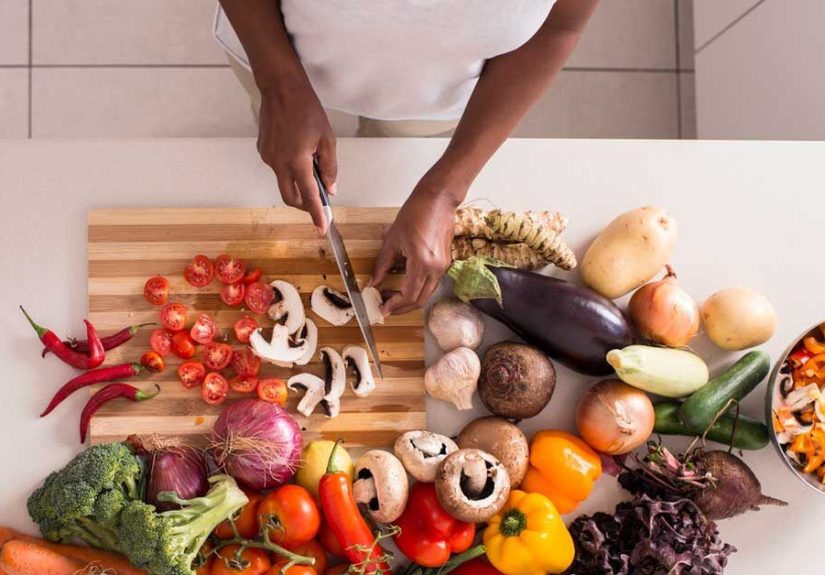
- Nonstarchy vegetables such as broccoli, spinach, cauliflower, zucchini, peppers, mushrooms, and cucumbers
- Whole fruits such as berries, apples, oranges, melon, peaches, and grapefruit
- Beans, lentils, peas, and other legumes
- Broth-based soups and vegetable-heavy stews
- Whole grains like oats, brown rice, quinoa, and barley
- Lean protein sources such as fish, chicken, turkey, tofu, eggs, and Greek yogurt
- High-volume snacks like popcorn, raw vegetables, and fruit
None of these foods are magic on their own. The magic, if we must use that word, is in the pattern: more meals built around filling, nutrient-dense foods and fewer meals built around tiny but calorie-packed items.
Foods That Raise Calorie Density Fast
You do not need to swear off these foods forever. You just need to respect their ability to quietly turn “a light meal” into “how did that happen?” territory.
- Fried foods
- Pastries, cookies, cakes, and donuts
- Chips and crackers
- Fast food combo meals
- Cream-based soups and heavy sauces
- Large amounts of cheese, butter, or oil
- Sugary drinks that add calories without much fullness
Again, the point is not perfection. It is proportion. A burger with a side salad and fruit is one thing. A double burger, large fries, milkshake, and “I’ll start fresh Monday” speech is another.
Smart Ways to Lower Calorie Density Without Feeling Deprived
Start Meals With Produce or Soup
A salad, fruit, or broth-based soup can take the edge off hunger before the main course arrives. This simple habit can make the rest of the meal easier to portion naturally.
Bulk Up Mixed Dishes
Add mushrooms, spinach, zucchini, cauliflower rice, beans, tomatoes, or extra vegetables to pasta, chili, casseroles, tacos, and stir-fries. You stretch the meal and lower the calorie density at the same time.
Keep Protein in the Picture
Protein helps with fullness, so low-calorie-density meals work better when they include a solid protein source. Vegetables alone are great, but vegetables plus protein are much more likely to keep you from raiding the pantry an hour later.
Choose Whole Fruit Over Juice
Juice is easy to drink quickly and does not offer the same chewing satisfaction or fiber as whole fruit. An orange usually fills you up better than a glass of orange juice, which is rude but true.
Be Careful With “Healthy” Extras
Avocados, nuts, olive oil, granola, nut butters, and dark chocolate can absolutely fit into a healthy diet. They are nutritious, but they are also calorie dense. Use them on purpose, not by accident.
Sample Meal Swaps That Make Sense
| Instead Of | Try |
|---|---|
| Large muffin for breakfast | Oatmeal with berries and Greek yogurt |
| Chips with lunch | Fruit, crunchy vegetables, or broth-based soup |
| Heavy pasta Alfredo | Smaller pasta portion with chicken, vegetables, and tomato-based sauce |
| Ice cream straight from the pint | Single serving with berries on the side |
| Sugary coffee drink | Coffee with milk plus a protein-rich breakfast |
Common Mistakes to Avoid
Thinking “Low Calorie Density” Means “Unlimited”
Even nutritious foods still count. Eating more volume can help, but it is not permission to eat mindlessly. The strategy works best when meals are balanced and hunger cues still matter.
Ignoring Liquid Calories
Soda, sweet tea, specialty coffee drinks, alcohol, and juice can add up quickly without doing much for fullness. Many people tighten up food choices while liquid calories stroll through the front door wearing sunglasses.
Cutting Calories Too Aggressively
Extreme restriction tends to backfire. It can leave you hungry, tired, preoccupied with food, and more likely to overeat later. Sustainable weight loss usually comes from habits you can repeat, not heroic suffering.
Forgetting That Weight Loss Is Personal
Sleep, stress, medications, hormones, medical conditions, and activity levels all affect progress. Calorie density is a useful tool, not a miracle switch. If weight changes are difficult or sudden, it is worth talking with a healthcare professional.
Is Calorie Density Better Than Counting Calories?
For many people, calorie density is more practical than strict calorie counting because it changes the default experience of eating. Instead of micromanaging every bite, you design meals that are naturally more filling and harder to overdo. That said, some people like tracking, some do not, and some do best with a mix of both.
The bigger truth is this: the best eating pattern is one that is nutritious, realistic, enjoyable, and sustainable. If a plan makes you feel miserable by Thursday, it is not a great plan, no matter how impressive it looks on paper.
Who Should Be More Careful?
Anyone with a history of disordered eating, a medical condition that affects appetite or metabolism, or a need for specialized nutrition should get personalized guidance. Children, teens, pregnant people, older adults, and athletes may have different energy needs. Weight management should support health, not undermine it.
Final Thoughts
Calorie density is one of the most useful concepts in nutrition because it makes healthy weight loss feel less like punishment and more like strategy. When you build meals around foods with more water, fiber, and protein, and keep calorie-dense extras in sensible portions, you can often eat satisfying amounts of food while still managing overall calorie intake.
That means the goal is not to eat less food. It is to eat smarter food structure. A giant salad with chicken, a hearty vegetable soup, a bowl of berries, a filling bean chili, or oatmeal with fruit can do more for appetite control than a tiny “diet snack” ever will.
So no, the answer is not to nibble your way through life feeling betrayed by lunch. The answer is to make your plate work harder for you. And that is where calorie density earns its spot as one of the most practical, evidence-based tools for sustainable weight loss.
Real-Life Experiences With Calorie Density
In real life, many people notice the same pattern when they shift toward lower-calorie-density meals: they stop feeling like they are “on a diet” every waking minute. Breakfast gets larger, lunch looks more generous, and dinner stops being a tiny plate followed by a mysterious evening trip to the pantry. The first surprise is usually psychological. When a plate looks full, eating feels more normal. That matters more than many people realize.
A common experience is improved control over afternoon hunger. Someone who used to grab a pastry and sweet coffee for breakfast may switch to eggs, fruit, and oatmeal or yogurt with berries. The calories may be similar or even lower, but the fullness lasts longer. Suddenly, 10:30 a.m. is no longer a dramatic personal crisis. The same thing often happens at lunch when people replace a small sandwich-and-chips meal with a larger salad, soup, grain bowl, or bean-based meal that has more fiber and volume.
Another frequent observation is that cravings do not necessarily disappear, but they become easier to manage. When people are well fed, they tend to make calmer decisions. A cookie becomes a cookie, not a life event. A restaurant dessert can be shared and enjoyed without the feeling that a person has “blown it” and should now apparently move into a bread basket full-time. Feeling physically satisfied changes behavior in a very practical way.
Many people also report that lower-calorie-density eating works best when it is flexible. They do well when they add vegetables to pasta, keep fruit visible on the counter, use soup or salad to start dinner, and include satisfying protein in meals. They struggle when they try to make every meal ultra-light and morally superior. In other words, the winning version is usually the one that still tastes good and fits real life.
Perhaps the most encouraging experience is this: progress often feels less dramatic but more stable. Instead of swinging between over-restriction and overeating, people settle into a pattern that feels boring in the best possible way. Hunger becomes more predictable. Portions become easier to judge. Eating out becomes less chaotic. Weight management stops being a daily courtroom trial and starts becoming a set of repeatable habits. That is not flashy, but it is exactly why calorie density has such staying power as a practical strategy.