Table of Contents >> Show >> Hide
- Why Great Cake Recipes Work
- Core Cake Method You Can Reuse Forever
- 8 Reliable Cake Recipes (With Personality)
- How to Pick the Right Cake Recipe for the Occasion
- Frosting Pairing Guide
- Cake Troubleshooting (Because It Happens to Everyone)
- Storage and Food Safety for Cakes
- High-Altitude Cake Recipe Notes
- Mini Conversion Tips for Busy Bakers
- Field Notes: of Real Cake Recipe Experience
- Conclusion
Cake recipes are like playlists: everyone has favorites, everyone claims theirs is “the best,” and everyone gets suspiciously emotional when someone changes one ingredient. If you’ve ever baked a cake that looked perfect in the pan and then transformed into a sad crater on your cooling rack, welcome. You are among friends.
This guide gives you the practical, no-nonsense (but still fun) playbook for better cakes. You’ll get the baking science that actually matters, eight crowd-pleasing cake recipes, smart substitutions, frosting strategy, storage tips, and troubleshooting advice for real kitchens with real ovens that sometimes lie to us. The goal is simple: help you bake cakes that taste amazing, look intentional, and survive transport to a birthday table without drama.
Why Great Cake Recipes Work
1) Precision beats luck
The single biggest upgrade to your cake recipes is measuring by weight when possible. A “cup” can vary wildly depending on how you scoop, pack, and level flour. A scale removes guesswork and gives repeatable results. If your cake is unexpectedly dry or dense, inconsistent measuring is often the hidden villain.
2) Flour choice shapes texture
Not all flour behaves the same way. Lower-protein flour gives a softer, more tender crumb, while higher-protein flour builds more structure and chew. For delicate birthday layers, cake flour is your best friend. For snack cakes and sturdy loaf-style bakes, all-purpose flour works beautifully.
3) Temperature is an ingredient
Room-temperature butter, eggs, and dairy are not fussy chef theaterthey help your batter emulsify smoothly. Smooth batter traps air evenly. Even air means even rise. Even rise means no weird dense stripe across the middle that makes you question your life choices.
4) Leavening is chemistry, not vibes
Baking soda needs acid to activate. Baking powder already contains the acid it needs. Many recipes use both to balance flavor and lift. If you swap one for the other casually, your cake may rise too fast, not enough, or taste off.
5) Technique controls crumb
Creaming butter and sugar introduces tiny air pockets for lightness. Reverse creaming coats flour in fat first for a finer, velvety crumb. Neither method is “better” in all caseseach creates a different texture profile. Pick based on what you want the final bite to feel like.
Core Cake Method You Can Reuse Forever
- Prep your pans: grease, line with parchment, and lightly flour (or use baking spray).
- Preheat fully: don’t rush this; stable heat matters.
- Mix dry ingredients separately: flour, leaveners, salt.
- Cream fat + sugar (or reverse cream): follow your recipe’s intended method.
- Add eggs one at a time: let each one blend before the next.
- Alternate dry and liquid: begin and end with dry for better structure.
- Stop mixing when combined: overmixing builds too much gluten and toughens crumb.
- Bake center rack: rotate pans if your oven has hot spots.
- Cool briefly in pan, then on rack: steam trapped too long can make layers gummy.
- Frost only when fully cool: warm cake + frosting = landslide.
8 Reliable Cake Recipes (With Personality)
1) Classic Vanilla Buttermilk Layer Cake
Best for: birthdays, celebrations, and “I brought cake because Tuesday was hard.”
Flavor profile: buttery, vanilla-forward, tender crumb.
Use cake flour for a softer texture and buttermilk for gentle tang and moisture. Pair with vanilla bean buttercream, strawberry filling, or lemon curd between layers.
Pro move: brush layers with a light vanilla simple syrup before frosting for bakery-style moisture.
2) One-Bowl Chocolate Sheet Cake
Best for: potlucks, school events, and low-dishwashing weekends.
Flavor profile: deep cocoa, moist crumb, rich but not heavy.
Bloom cocoa with hot coffee or hot water to intensify chocolate flavor. Use oil plus a little butter for both moisture and flavor complexity.
Pro move: top with glossy ganache and flaky salt for a grown-up finish.
3) Lemon Olive Oil Cake
Best for: brunch, spring menus, and people who say “not too sweet, please.”
Flavor profile: citrus-bright, aromatic, plush.
Olive oil keeps the cake soft for days. Use both zest and juice; the zest provides perfume, the juice adds acidity and lift.
Pro move: finish with lemon glaze and crushed pistachios for texture contrast.
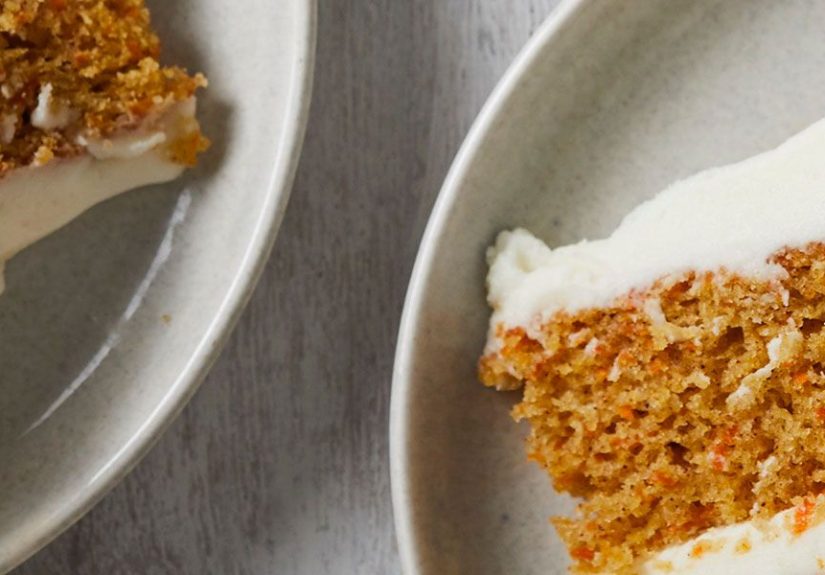
4) Carrot Spice Walnut Cake
Best for: holidays, tea cakes, and “this counts as vegetables, right?” jokes.
Flavor profile: warmly spiced, nutty, moist.
Freshly grated carrots outperform pre-shredded by a mile. Add cinnamon, ginger, and a pinch of nutmeg; fold in toasted walnuts for bite.
Pro move: pair with tangy cream cheese frosting and orange zest.
5) Red Velvet Celebration Cake
Best for: romantic dinners, dramatic table reveals, and holiday desserts.
Flavor profile: lightly cocoa, tangy, velvety.
Buttermilk + vinegar help tenderness and color development. Don’t overdo cocoa if you want classic red velvet (not “chocolate cake wearing red sunglasses”).
Pro move: use ermine frosting for old-school texture or cream cheese frosting for modern taste.
6) Coconut Pineapple Snack Cake
Best for: summer gatherings and tropical dessert lovers.
Flavor profile: bright fruit, mellow sweetness, soft crumb.
Crushed pineapple adds moisture and natural sweetness. Toasted coconut on top gives aroma and crunch.
Pro move: bake in a 9×13 pan and serve chilled for a refreshing finish.
7) Coffee Walnut Bundt Cake
Best for: brunch tables, gifting, and “I need cake but not frosting mountains.”
Flavor profile: nutty, toasty, coffee-kissed.
Espresso powder amplifies flavor without making the cake taste like a latte. Bundt format gives elegance with low decorating effort.
Pro move: drizzle coffee glaze and finish with chopped toasted walnuts.
8) Flourless Chocolate Torte
Best for: dinner parties and intense chocolate cravings.
Flavor profile: fudgy, dense, luxurious.
A little underbake is your friend. Cool fully before slicing for clean edges. Serve with whipped cream and berries to balance richness.
Pro move: dust cocoa + powdered sugar through a stencil for instant “fancy.”
How to Pick the Right Cake Recipe for the Occasion
- Hot weather event: choose oil-based cakes; they stay softer longer.
- Tall layered showstopper: pick sturdier crumbs (vanilla butter cake, carrot, red velvet).
- Beginner-friendly: sheet cakes and snack cakes are more forgiving than stacked layers.
- Make-ahead plan: freeze unfrosted layers, thaw wrapped, frost the day you serve.
- Traveling with cake: use firmer frosting and chill briefly before transport.
Frosting Pairing Guide
Buttercream (American)
Sweet, stable, fast. Great for piping and beginners.
Swiss Meringue Buttercream
Silky, less sweet, elegant. Great for weddings and smooth finishes.
Cream Cheese Frosting
Tangy and rich. Ideal for carrot, red velvet, spice cakes.
Ganache
Glossy chocolate magic. Works as glaze, filling, or whipped frosting.
Whipped Cream Frosting
Light and airy. Best for same-day service and chilled desserts.
Cake Troubleshooting (Because It Happens to Everyone)
Problem: Cake sank in the center
- Possible causes: underbaking, oven temp off, too much leavener, opened oven too early.
- Fix: verify oven with thermometer, measure leavening carefully, avoid early door peeking.
Problem: Dry texture
- Possible causes: too much flour, overbaking, low-fat formula.
- Fix: weigh flour, pull cake at moist-crumb doneness, consider sour cream or buttermilk additions where appropriate.
Problem: Dense, gummy crumb
- Possible causes: overmixing, cold ingredients, too much liquid.
- Fix: room-temp ingredients, mix until just combined, avoid impulsive “a little extra milk.”
Problem: Domed tops
- Possible causes: high heat, uneven pan fill.
- Fix: distribute batter evenly, use bake strips or lower heat slightly if recipe allows, then level after cooling.
Storage and Food Safety for Cakes
Most plain, unfrosted cakes hold well at room temperature for short periods if wrapped tightly. Cakes with perishable fillings or frostings (cream cheese, whipped cream, custard) should be refrigerated promptly. Keep your refrigerator cold enough, and avoid leaving perishable cakes out for too long during parties.
Also, yes, raw batter tastes amazing. No, tasting raw batter is not a great idea due to raw eggs and raw flour risk. Bake first, celebrate second.
High-Altitude Cake Recipe Notes
At higher elevations, cakes often rise fast and then collapse. Typical adjustments include slightly increasing oven temperature, reducing sugar or leavening, and tweaking liquid/flour balance. If you bake high altitude regularly, keep a notebook and test one variable at a time. Tiny adjustments can produce huge improvements.
Mini Conversion Tips for Busy Bakers
- If swapping pan sizes, watch bake time more than temperature.
- Distribute batter by weight across pans for even layers.
- When in doubt, start checking early and rely on visual + touch cues.
- Cool layers fully, then level/torte for cleaner stacking.
Field Notes: of Real Cake Recipe Experience
If you bake enough cakes, you eventually discover that recipes are only half the story. The other half is behavioryour oven’s behavior, your ingredients’ behavior, and yes, your own behavior at minute 28 when you open the oven “just for one quick look.” My most useful cake lesson came from three vanilla cakes baked in the same week. Same recipe, same pans, same everything. Cake one was dry and tight. Cake two rose beautifully but sank in the center. Cake three? Almost perfect. The differences were boring but powerful: measuring by weight, using room-temperature eggs, and checking doneness a little earlier.
I used to think “room temperature” meant “whatever temperature this kitchen happens to be while I panic-clean.” It turns out there’s a reason bakers care. Cold eggs made my batter look curdled; curdled batter gave uneven texture; uneven texture made me overbake out of fear. Once I started setting ingredients out in advance, batters became smoother and cakes baked more predictably. That one habit changed more outcomes than any fancy tool.
Another big turning point was respecting pan prep. I once lost the top quarter of a chocolate cake to a stubborn pan and called it “rustic.” Nobody believed me. Now I grease, line with parchment, and lightly flour when needed. Release problems basically disappeared. It feels like a tiny step, but it protects hours of work and keeps your frosting from becoming emergency plaster.
Frosting taught me patience. If the cake is even slightly warm, frosting slides around like it’s on ice skates. I learned to chill layers briefly, apply a crumb coat, and chill again before the final coat. Suddenly my cakes looked intentional instead of “made during turbulence.” That crumb coat step sounds extra, but it’s the difference between smooth sides and confetti crumbs everywhere.
Flavor-wise, I learned to chase contrast. Sweet cake + sweet frosting can taste flat, even when technically excellent. A pinch of salt in frosting, a tart fruit layer, espresso in chocolate cake, citrus zest in vanilla battersmall contrast moves make cake taste bigger and brighter. Guests rarely identify the exact change, but they always ask for seconds.
My final experience-based rule is to treat each bake as data, not drama. Keep notes: pan size, bake time, oven rack, visual cues, what worked, what flopped. Home baking gets easier when you stop expecting perfection and start building a pattern library. The most confident bakers I know are not people who never fail; they’re people who fail, write it down, and come back with smarter decisions. Cake recipes become less mysterious when you realize the process is teachable, repeatable, and surprisingly forgivingespecially if you bring curiosity, a scale, and maybe a backup cupcake plan.
Conclusion
Great cake recipes are less about luck and more about method: accurate measuring, smart ingredient temperature, correct leavening, good pan prep, and patient finishing. Start with a reliable base formula, choose texture intentionally, and use troubleshooting as feedbacknot failure. Whether you’re baking a weeknight snack cake or a three-layer celebration centerpiece, these principles help you produce cakes that are moist, flavorful, and confidently homemade.