Table of Contents >> Show >> Hide
- What breast cancer surgery is trying to accomplish
- Main types of breast surgery
- Lymph node surgery: the underarm “side quest” that matters
- Reconstruction and “going flat”: your body, your call
- How your team chooses the “right” operation
- Before surgery: planning that makes recovery easier
- After surgery: recovery, side effects, and when to call the team
- Pathology results: margins, nodes, and what changes next
- How surgery fits with radiation and systemic therapy
- Practical planning: work, home, and the “small stuff” that isn’t small
- Experiences with surgery for breast cancer (about )
- Conclusion
- SEO Tags
“Breast cancer surgery” sounds like one single thinglike ordering a latte. In real life, it’s more like ordering at a diner with a
three-page menu: lumpectomy, mastectomy, lymph node surgery, reconstruction, oncoplastic reshaping… and a few “chef’s specials”
based on your specific cancer and your priorities.
This guide walks through the most common breast cancer surgery options, why one person may choose (or need) one approach over another,
what recovery typically looks like, and the questions that can save you from Googling at 2 a.m. (Google is helpful. Google is also dramatic.)
This article is educationalnot medical adviceso your surgical team should always get the final vote.
What breast cancer surgery is trying to accomplish
Surgery is usually the cornerstone of treatment for early-stage breast cancer and DCIS (ductal carcinoma in situ). Even when chemotherapy
or other medicine comes first, surgery often follows. The main goals are:
- Remove the cancer with a rim of normal tissue when appropriate (a “clear margin”).
- Stage the cancer by checking lymph nodes when needed (mostly in the underarm/axilla).
- Set up the next steps (radiation, chemotherapy, hormone therapy, HER2-targeted therapy, immunotherapy).
- Support quality of lifeappearance, comfort, symmetry, mobility, and peace of mind matter.
Main types of breast surgery
Lumpectomy (breast-conserving surgery)
A lumpectomy removes the tumor plus a small border of normal tissue, leaving most of the breast in place.
You may also hear partial mastectomy, segmental mastectomy, or wide local excision.
Lumpectomy is often an option for many stage 0–2 cancers, depending on tumor size, location, whether there are multiple tumors, and how
the tumor size compares to breast size. In many cases, lumpectomy is followed by radiation therapy to lower the risk of
the cancer returning in the breast.
Practical details that surprise people:
- If the tumor can’t be felt, surgeons may use localization (wire or radioactive seed) to target it accurately.
- The surgeon may place small clips where the tumor was removed to guide radiation later.
-
Sometimes pathology shows cancer cells at the edge of removed tissue (“positive margins”), and you may need a second surgery
(a re-excision) to clear margins.
Mastectomy
A mastectomy removes all breast tissue from one breast (unilateral) or both breasts (bilateral). There are several
variations, and the names can sound like a superhero lineup:
- Total (simple) mastectomy: removes breast tissue and usually the nipple-areola complex.
- Skin-sparing mastectomy: removes breast tissue and nipple-areola complex while preserving most of the skin envelopeoften used with reconstruction.
- Nipple-sparing mastectomy: preserves the nipple-areola complex and skin in carefully selected cases, typically with immediate reconstruction.
- Modified radical mastectomy: includes removal of many underarm lymph nodes (less common than it used to be, because sentinel node biopsy can often do the staging job with fewer long-term side effects).
Reasons mastectomy may be recommended or chosen include:
- Multiple tumors in different areas of the breast (multicentric disease).
- Very large tumor relative to breast size (cosmetic outcome may be poor with lumpectomy).
- Persistent positive margins after attempts to conserve the breast.
- Prior radiation to the breast/chest area (radiation after lumpectomy may not be advised again).
- Genetic risk (such as certain inherited mutations) or very strong family historysometimes leading to risk-reducing surgery.
- Personal preference (some people want the approach that feels most emotionally “final,” even when outcomes are similar).
One important reality check: for many early-stage cancers, long-term survival can be similar between
lumpectomy plus radiation and mastectomy. The “best” choice is often about medical fit and
what helps you sleep at night.
Oncoplastic surgery (cancer removal + cosmetic reshaping)
Oncoplastic surgery blends lumpectomy (or partial mastectomy) with plastic-surgery techniques to reshape the breast at the
same timesometimes paired with a reduction or lift, and often with a symmetry procedure on the other breast.
This can be especially helpful when a larger volume of tissue needs to be removed. It may improve shape, reduce dents, and lower the chance
that the breast looks “unfinished.” (Because cancer is rude and doesn’t care about aesthetics.)
Lymph node surgery: the underarm “side quest” that matters
Lymph nodes help your team understand whether cancer cells have traveled beyond the breast. The most common area assessed is the
axillary (underarm) lymph nodes.
Sentinel lymph node biopsy (SLNB)
The sentinel lymph nodes are the first nodes most likely to receive drainage from the breast tumor area. In SLNB,
the surgeon uses dye and/or a tracer to find those nodes, removes a small number of them, and a pathologist checks them for cancer cells.
SLNB is widely used because it usually provides the staging information your team needs with fewer long-term side effects than removing many nodes.
In select low-risk situationsoften based on age, tumor biology, and planned treatmentsome guidelines and studies suggest it may be reasonable
to omit SLNB, but this is individualized and not a blanket rule.
Axillary lymph node dissection (ALND)
ALND removes more lymph nodes from the underarm. It may be recommended when cancer is known or strongly suspected to be in multiple nodes,
or in specific clinical situations after SLNB results. It can be lifesaving information, but it also increases the chance of complications such as
lymphedema (arm swelling caused by lymphatic fluid buildup).
Modern breast cancer care aims to remove only what’s necessary. Many people who once would have automatically received ALND may now avoid it
based on tumor features, imaging, the number of positive sentinel nodes, and the use of radiation and systemic therapy.
Reconstruction and “going flat”: your body, your call
If you have a mastectomy, you may choose breast reconstruction or you may choose to go flat.
Both are valid. Neither requires you to submit an essay to the committee of strangers with opinions.
Timing: immediate vs. delayed reconstruction
- Immediate reconstruction: begins during the same operation as mastectomy.
- Delayed reconstruction: happens months or years later (sometimes after radiation is finished).
The best timing depends on cancer stage, whether radiation is likely, your health, smoking status, healing risk, and personal preference.
Implant-based reconstruction
Implant reconstruction may involve a tissue expander placed first, then exchanged for a permanent implant later, or sometimes direct-to-implant
reconstruction when appropriate. People like it because it avoids moving tissue from another part of the body and typically has a shorter initial
surgery time than flap procedures.
Autologous (flap) reconstruction
Flap procedures use your own tissuecommonly from the abdomen (such as DIEP flap), thigh, back, or other donor sites. These surgeries can be longer
and recovery can involve healing in two areas, but many patients appreciate the more natural look/feel and not needing implants.
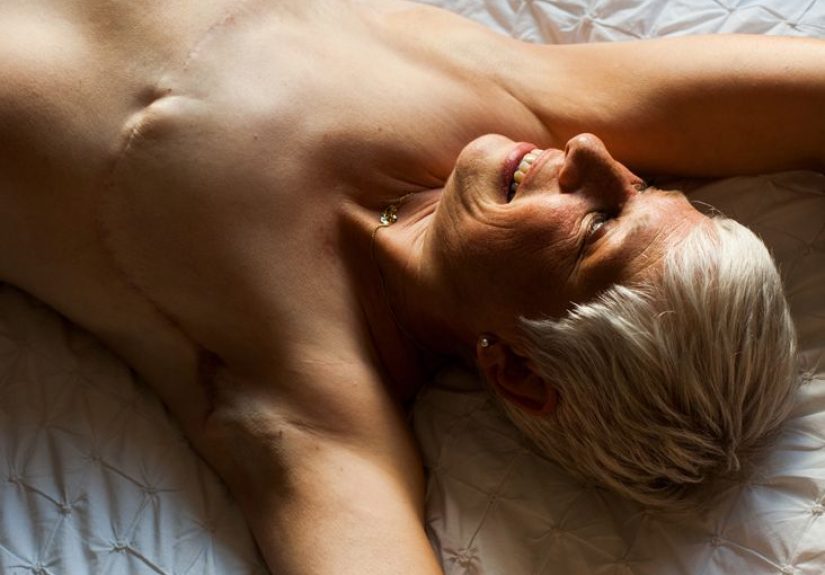
Going flat and aesthetic flat closure
Choosing a flat chest after mastectomy is common and increasingly discussed openly. Some people pursue aesthetic flat closure,
which aims for a smooth, symmetrical contour rather than leaving extra tissue or folds.
How your team chooses the “right” operation
Surgery decisions are a mix of medical facts and personal priorities. The biggest factors include:
- Stage and tumor size, plus whether the tumor is in one spot or multiple spots.
- Tumor biology (hormone receptor status, HER2 status, grade), which can influence systemic therapy and recurrence risk.
- Genetics (inherited mutations may shift options toward bilateral mastectomy for risk reduction).
- Ability and willingness to have radiation (often recommended after lumpectomy, sometimes after mastectomy).
- Neoadjuvant therapy (treatment before surgery) that may shrink tumors and expand breast-conserving options.
- Personal preferences about body image, symmetry, recovery time, and long-term surveillance.
Examples (because real life is where decisions get real):
- A small, single tumor in a breast with enough tissue to remove it neatly may be a good fit for lumpectomy + radiation.
- DCIS spread across a large area of the breast may make mastectomy the more practical route.
- A larger tumor may become lumpectomy-eligible after neoadjuvant therapy shrinks it.
- Someone with a high-risk mutation might choose bilateral mastectomy for risk reductioneven if their current cancer is only in one breast.
Before surgery: planning that makes recovery easier
What typically happens pre-op
- Imaging review and surgical mapping (especially if the tumor can’t be felt).
- Medication review (blood thinners, supplements, diabetes medsbring the full list).
- Discussion of lymph node plan (SLNB vs ALND vs none).
- Reconstruction consult if desired (plastic surgeon + breast surgeon coordination matters).
- “Prehab” guidance: gentle shoulder range-of-motion planning, smoking cessation support, nutrition basics.
Questions worth asking your surgeon
- Am I a candidate for lumpectomy? If not, what specifically rules it out?
- Will I need radiation after this surgery?
- What lymph node procedure do you recommend, and why?
- What are the risks in my caseseroma, infection, delayed healing, lymphedema?
- How often do you perform this operation?
- If I want reconstruction, what timing and method fit my treatment plan best?
- What will recovery look like in week 1, week 2, and week 6?
After surgery: recovery, side effects, and when to call the team
Recovery varies by procedure and by person, but the themes are pretty consistent: swelling, fatigue, soreness, and a surprising emotional
“hangover” once the adrenaline wears off. That last part is normal and deserves real support.
Typical recovery timelines
- Lumpectomy: often outpatient; many people feel more like themselves in 1–2 weeks (with some soreness and fatigue).
- Mastectomy: more extensive healing; often several weeks before you feel steady; drains are common early on.
- Reconstruction: timing depends on implants vs flaps; flap surgery often has a longer initial recovery.
Common side effects and complications
- Pain and tightness: especially across the chest and underarm; improves with time and guided movement.
- Seroma: fluid collection near the surgical site; sometimes needs drainage in clinic.
- Infection or wound problems: risk varies; call for fever, worsening redness, drainage, or increasing pain.
- Numbness: common after mastectomy and can persist; nerves may partially recover over time.
- Shoulder stiffness: gentle exercises and physical therapy can help restore motion.
- Lymphedema: risk increases with more lymph nodes removed and with radiation; early evaluation and therapy can be very effective.
Many centers now build lymphedema prevention into care (baseline arm measurements, early PT/OT referral, and education). If you notice persistent swelling,
heaviness, tight jewelry sleeves, or reduced flexibility, tell your team early rather than “waiting to see if it gets weird.”
It’s already weird. That’s why you’re asking.
Pathology results: margins, nodes, and what changes next
After surgery, removed tissue and lymph nodes go to pathology. These results can affect whether you need more surgery and which treatments come next.
Common “report highlights” include:
- Margins: whether cancer cells are at the edge of removed tissue (may mean re-excision after lumpectomy).
- Lymph node status: negative vs positive nodes and how many.
- Tumor features: grade, size, receptor status (ER/PR/HER2), and other markers used to guide treatment planning.
How surgery fits with radiation and systemic therapy
Surgery is usually one part of a larger plan:
-
Radiation therapy is commonly recommended after lumpectomy to reduce local recurrence risk.
After mastectomy, radiation may be recommended depending on tumor size, margins, and lymph node involvement. -
Systemic therapy (like chemotherapy, hormone therapy, HER2-targeted therapy, and immunotherapy) treats cancer cells
that may be elsewhere in the body and lowers recurrence risk. It may happen before surgery (neoadjuvant) or after (adjuvant).
Practical planning: work, home, and the “small stuff” that isn’t small
Surgery planning goes beyond the operating room. A few practical moves can make recovery noticeably easier:
- Set up a “recovery station” (pillows, meds schedule, water, snacks, phone charger, notebook for symptoms/questions).
- Arrange help for lifting, driving, childcare, pet care, and mealsespecially if drains or limited arm mobility are expected.
- Ask about physical therapy early if you’re worried about shoulder mobility or lymphedema risk.
- Consider a second opinion when you feel uncertain. Confidence in your plan is part of treatment.
Experiences with surgery for breast cancer (about )
Facts and options matter, but so does the lived realitywhat it’s like to go through breast cancer surgery as a human being with a calendar, a body,
and feelings. Here are common experiences patients often report, shared in a general, non-identifying way (because nobody needs to be put on display to
learn something useful).
The decision phase can be more exhausting than the surgery. Many people say the hardest part wasn’t choosing between “lumpectomy” and
“mastectomy” as medical wordsit was choosing between what felt emotionally safe and what fit their actual life. Some felt calmer with the least invasive
option. Others felt calmer with the most definitive option. Both reactions can be valid, and the “right” choice is often the one that matches both the
medical situation and the person’s values.
Recovery is rarely linear. Patients often describe a “two steps forward, one step back” pattern. One day you’re walking around thinking,
“I’m basically fine,” and the next day your body politely reminds you that healing is a full-time job. Fatigue is common, even after outpatient surgery,
and it can feel out of proportion to the size of the incision. That’s normalyour body is repairing tissue and your nervous system is recalibrating.
Drains (when used) are annoying, not a moral failing. After mastectomy and some reconstruction procedures, surgical drains may be placed
temporarily. People often say drains are the most inconvenient partmeasuring output, keeping tubing secure, and sleeping comfortably. What helps:
a simple routine, a place to record measurements, loose clothing, and a low threshold to ask the nurse, “Is this normal?” (That question has saved many
unnecessary worries.)
Body image reactions vary wildlyeven within the same person. Some patients feel empowered and relieved. Others feel grief, anger, or
disorientation. Many feel all of the above in the same week. It’s also common to feel unexpectedly emotional when bandages come off or when scars look
“new.” Those reactions don’t mean you made the wrong decision; they mean you’re adapting to a big change.
People crave a clear “done” momentbreast cancer rarely offers one. Surgery can feel like the big milestone, but then pathology results,
radiation planning, or systemic therapy decisions follow. Patients often say it helped to redefine “done” as: “I finished the next step,” rather than
“I finished everything forever.” Celebrating each step is not overreacting; it’s coping skillfully.
Support matters as much as instructions. Many patients describe the most helpful support as practical and specific: rides, meals, a friend
who takes notes at appointments, or someone who sits quietly without forcing positivity. If you’re the supporter, a good script is:
“Do you want distraction, advice, or company?” (And then do that.)
Conclusion
Surgery for breast cancer isn’t one-size-fits-alland that’s a good thing. Today’s options allow many people to treat the cancer effectively while also
protecting long-term function and quality of life. Whether your plan involves lumpectomy, mastectomy, lymph node surgery, reconstruction, or going flat,
the best next step is a clear conversation with a specialized breast surgeon and (when relevant) a plastic surgeon and radiation/medical oncologist.
Ask questions, take notes, bring a trusted person if you can, and remember: choosing a surgery is not a personality test. It’s a medical decision made by
a whole personyour body, your health, your future, and your peace of mind.