Table of Contents >> Show >> Hide
- What Brown Sugar Actually Is (Spoiler: It’s Not “Health Sugar”)
- Brown Sugar vs. White Sugar: Nutrition Differences That Exist… But Don’t Matter Much
- Blood Sugar Impact: Why Your Glucose Meter Doesn’t Care About Color
- Can People with Diabetes Have Brown Sugar?
- Smarter Ways to Use Sugar (If You’re Going to Use It)
- What About “Healthier” Sweeteners Like Honey, Agave, Maple Syrup, or Coconut Sugar?
- Label Reading: The Sneaky Sugar Problem (Where the Real Action Is)
- So… Which Is Better for Diabetes: Brown Sugar or White Sugar?
- Real-World Experiences: What People Notice When They Swap Brown Sugar for White (500+ Words)
- Conclusion
Somewhere on the internet, a rumor is living its best life: “Brown sugar is healthier than white sugar.”
It sounds believable. Brown sugar is darker. Earthier. It has “brown” vibeslike whole wheat bread and hiking boots.
White sugar, meanwhile, looks like something a supervillain would pour into a volcano.
But when it comes to diabetes and blood sugar, your glucose meter doesn’t grade on aesthetics.
The short answer: brown sugar is not meaningfully better than white sugar for people with diabetes.
They’re extremely similar in how they’re made, how they’re digested, and how they affect blood glucose.
Let’s break down what “better” actually meansnutrition, blood sugar impact, portion realityand what to do if you
still want sweetness in your life (because joy matters, and also because nobody wants “sad cinnamon water” forever).
What Brown Sugar Actually Is (Spoiler: It’s Not “Health Sugar”)
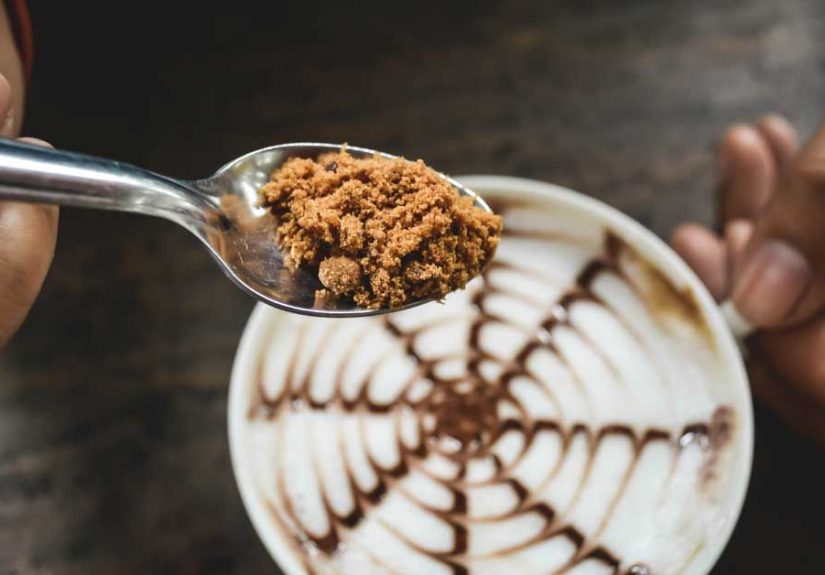
Brown sugar isn’t a magical, minimally processed sugar that wandered in from a rustic farm.
In most U.S. grocery stores, brown sugar is essentially refined white sugar with molasses added back in.
That molasses gives brown sugar its color, moisture, and caramel-ish flavor.
Light vs. dark brown sugar
Light brown sugar has less molasses; dark brown sugar has more. The difference is mostly flavor and moisture,
not a dramatic nutritional upgrade. If dark brown sugar were “healthier,” gingerbread would be a superfood.
(Sadly, it is not.)
“Raw,” “turbinado,” and other sweet disguises
Some sugars labeled “raw” or “turbinado” contain small amounts of molasses because they’re less refined,
but they’re still sugarstill carbohydratesstill capable of raising blood glucose.
The label may change; the metabolism memo does not.
Brown Sugar vs. White Sugar: Nutrition Differences That Exist… But Don’t Matter Much
Here’s the most important point for diabetes: both brown and white sugar are mostly sucrose,
and sucrose is a carbohydrate that quickly becomes glucose in the bloodstream.
Any “nutritional edge” brown sugar has tends to be tiny in real-life serving sizes.
Quick comparison (typical use)
| 1 teaspoon | White sugar | Brown sugar | What it means for diabetes |
|---|---|---|---|
| Calories | ~16 | ~15 | Basically a tie. Not a “free pass.” |
| Carbs | ~4 g | ~4 g | This is the part your blood sugar notices. |
| Minerals | Trace | Slightly more trace | So small it’s not a practical “source” of nutrients. |
Yes, brown sugar contains slightly more minerals (because molasses has minerals).
But in the amounts people actually sprinkle into coffee or bake into muffins,
the difference is nutritionally negligible.
If you tried to get meaningful minerals from brown sugar, your blood sugar would file a complaint.
Blood Sugar Impact: Why Your Glucose Meter Doesn’t Care About Color
Diabetes management is largely about carbohydrate dose + context.
Since both brown sugar and white sugar deliver nearly the same carbohydrate load per spoonful,
they tend to affect blood glucose in a similar way.
“But doesn’t molasses slow it down?”
In theory, ingredients like fiber, fat, and protein can slow digestion and blunt spikes.
In practice, the small amount of molasses in brown sugar is not enough to change the game.
It changes flavor and moisturegreat for cookiesnot glucose.
What matters more than sugar color
- How much sugar you use (teaspoon vs. tablespoon vs. “oops the lid fell off”).
- What you eat it with (sugar in oatmeal with nuts behaves differently than sugar in soda).
- Liquid vs. solid (sugary drinks can hit faster because there’s little to slow absorption).
- Your individual response (sleep, stress, activity, and meds can all shift the curve).
A helpful mindset: sugar is less like a “poison” and more like a fast-acting carb.
Fast carbs can be managedbut they need respect, like a toddler holding a permanent marker.
Can People with Diabetes Have Brown Sugar?
Generally, yesin measured amounts, as part of a balanced eating pattern.
Many diabetes guidelines focus on overall carbohydrate intake, meal composition, and consistency,
rather than banning one specific ingredient forever.
That said, “can have” and “is helpful” are different things.
If you’re trying to improve A1C or reduce glucose spikes,
swapping white sugar for brown sugar usually won’t move the needle.
Reducing the total added sugar is what makes a difference.
Practical example: coffee sweetness
If you add 2 teaspoons of either brown or white sugar to coffee, that’s about 8 grams of carbs.
Do that twice a day, and you’ve built a quiet little “carb subscription service.”
If your blood sugar feels mysteriously stubborn, this is often where the mystery lives.
Smarter Ways to Use Sugar (If You’re Going to Use It)
If you want sweetness without chaos, the best strategy isn’t “pick the brown one.”
It’s use less, use it intentionally, and pair it wisely.
1) Measure it like it matters (because it does)
A “teaspoon” in your head and a real teaspoon can be two very different lifeforms.
Measuring even for a week teaches your eyes what portions actually look like.
2) Spend sugar where you’ll actually enjoy it
If you love dessert, don’t waste sugar on stuff you barely tastelike “healthy” granola that tastes like sweetened cardboard.
Put your sugar budget where your happiness lives, then keep the rest of your day more fiber-forward.
3) Pair sugar with fiber/protein/fat when possible
- Fruit + Greek yogurt beats fruit juice.
- Oatmeal + nuts beats a pastry alone.
- Chocolate with a meal often lands differently than chocolate on an empty stomach.
4) Reduce sugar in recipes without ruining your life
In many recipes, you can cut sugar modestly and still get a good resultespecially in muffins, quick breads,
oatmeal bakes, and sauces. Cinnamon, vanilla, citrus zest, and a pinch of salt can boost perceived sweetness.
Your taste buds adapt faster than you think (they’re dramatic, but trainable).
What About “Healthier” Sweeteners Like Honey, Agave, Maple Syrup, or Coconut Sugar?
These sweeteners often come with a wellness halo and an Instagram filter.
But for diabetes, the key question is still: How many carbs are you eating, and how does your body respond?
- Honey/maple/agave: still sugars, still carbs, still can raise blood glucose.
- Coconut sugar: often marketed as “lower glycemic,” but it remains largely sucrose and should still be treated like sugar.
- Molasses: contains more minerals than refined sugar, but it’s also concentrated sugar. Use for flavor, not for “nutrition therapy.”
If you like these for taste, finejust don’t confuse “less processed” with “doesn’t affect blood sugar.”
Nature can absolutely raise glucose. (See also: grapes. Delicious. Still carbs.)
Label Reading: The Sneaky Sugar Problem (Where the Real Action Is)
For many people, the biggest sugar issue isn’t the teaspoon you add at homeit’s the sugar hiding in everyday foods:
sauces, flavored yogurt, cereal, coffee drinks, “healthy” snack bars, and salad dressings that taste like dessert’s cousin.
Use the Nutrition Facts label like a detective
- Total Sugars includes naturally occurring + added sugars.
- Added Sugars tells you what was added during processing/prep (this is the number to watch for many packaged foods).
- Compare brands. Two products can look identical until you flip the label and realize one is basically candy in a tuxedo.
Sugar’s many aliases
Ingredient lists can be a sugar costume party. Common names include:
cane sugar, brown sugar, corn syrup, high-fructose corn syrup, dextrose, maltose, honey, molasses,
fruit juice concentrate, and more.
When you see multiple sugar sources in one list, that’s usually not a coincidenceit’s a strategy.
So… Which Is Better for Diabetes: Brown Sugar or White Sugar?
If your definition of “better” is “raises blood sugar less,” then neither wins.
Brown sugar and white sugar are close nutritional cousins,
and both behave like added sugars in the body.
If your definition of “better” is “tastes better in oatmeal,” then yesbrown sugar might win on flavor.
And flavor matters! Enjoying your food helps you stick to healthy habits long-term.
Just treat it as what it is: sugar with a slightly deeper taste, not a diabetes-friendly hack.
The most diabetes-friendly “upgrade”
The real upgrade is usually one of these:
- Use less sugar overall.
- Choose foods with more fiber and protein so glucose rises more gradually.
- Swap sugary drinks for unsweetened options most of the time.
- If you use non-sugar sweeteners, use them thoughtfully and pay attention to how they affect your appetite and habits.
And if you’re adjusting meds, using insulin, or managing frequent highs/lows,
personalized advice from your clinician or a registered dietitian is worth its weight in (not brown) sugar.
Real-World Experiences: What People Notice When They Swap Brown Sugar for White (500+ Words)
The “brown sugar is healthier” idea is incredibly commonand not because people are careless.
It’s because nutrition marketing loves a simple hero story, and brown sugar looks like the underdog with a soulful backstory.
Here are experiences that diabetes educators and people living with diabetes often describe when this swap comes up.
(These are composite, real-world patternsnot medical advice or one person’s guaranteed outcome.)
1) The Great Brown Sugar Surprise
A lot of people try switching to brown sugar expecting smoother readings. They’ll put it in coffee, oatmeal,
or bakingfeeling proud, like they just upgraded from “villain sugar” to “wholesome sugar.”
Then the glucose numbers look… basically the same. That moment is usually followed by a very human reaction:
“Okay, so why did the internet lie to me?”
The takeaway is almost always the same: it wasn’t the color. It was the carb dose.
2) The Portion Creep Effect
Brown sugar tastes richer. That can be goodit may help some people feel satisfied with less.
But it can also backfire if the “healthier” belief encourages bigger scoops.
This is a sneaky pattern: once a food feels “safer,” portions quietly expand.
Someone who used one teaspoon of white sugar might start using a heaping teaspoon of brown sugar,
or add a second spoon “because it’s the better one.”
The experience usually ends with an honest laugh and a measuring spoon reappearing in the kitchen like a responsible adult.
3) The Baking Reality Check
Home bakers often notice something useful: brown sugar changes texture and flavor more than it changes blood sugar impact.
Cookies get chewier. Sauces get deeper. Oatmeal gets cozy.
For diabetes management, what helps most is not choosing brown sugar, but changing the recipe math:
smaller portions, fewer sugary add-ins, more fiber ingredients (like oats, nuts, seeds),
and sometimes cutting sugar slightly without ruining the final result.
People often say the biggest win is learning they can reduce sugar and still enjoy the foodwithout feeling punished by “diet taste.”
4) The “Hidden Sugar” Plot Twist
Another common experience: someone focuses intensely on the teaspoon in their kitchen,
but their biggest glucose spikes are coming from packaged foodscoffee drinks, condiments, cereals,
“protein” bars, and sweetened yogurts.
When they start checking “Added Sugars” on labels, they’re shocked at how quickly grams add up.
Many describe it as a weirdly empowering momentbecause it turns the problem from “I have no willpower”
into “I have data.” And data is something you can work with.
5) Finding a Sweet Spot That’s Actually Sustainable
The most successful long-term stories aren’t about banning sugar forever.
They’re about creating a routine that feels normal: using a small, measured amount of sugar when it truly adds joy,
prioritizing fiber and protein most of the time, and building “default” choices that reduce sugar without drama
(unsweetened drinks, fruit-forward snacks, cinnamon/vanilla for flavor, and keeping desserts intentional).
People often describe a shift where cravings calm down, taste buds become more sensitive to sweetness,
and treats start to feel like treats againnot daily background noise.
That’s not a brown-sugar miracle. That’s a habit miracle.
Conclusion
Brown sugar isn’t a diabetes-friendly substitute for white sugar in any meaningful metabolic way.
It’s mostly the same carbohydrate, mostly the same calories, and generally creates a similar blood sugar response.
Choose brown sugar for flavor if you like itbut manage it like sugar: measure it, count it, and keep total added sugars in check.
The best “upgrade” is usually less added sugar overall, more fiber and protein in your meals, and label literacy that exposes hidden sugars.