Table of Contents >> Show >> Hide
- Why Touch Isn’t “Extra” (It’s Another Way In)
- The Madrid Breakthrough: “Touching the Prado” at the Museo del Prado
- Another Madrid Essential: Museo Tiflológico (A Museum Meant to Be Touched)
- “Okay, But What Does It Feel Like?” A Practical Snapshot of the Experience
- Why Madrid’s Approach Matters Beyond Spain
- Planning a Visit: Tips for Getting the Most Out of Touch-Based Art
- The Bigger Takeaway: Accessibility Changes How Everyone Sees Art
- 500 More Words: A Walk Through Madrid’s Touch-Friendly Art (An Experience-Driven Add-On)
Museums have long had one sacred commandment: look, don’t touch. It’s printed on signs, whispered by security guards, and baked into the vibe like the world’s most polite force field. But in Madrid, there’s a place where the rule flips on its headwhere hands are not the enemy, and touch becomes the main event.
The headline version is simple: blind and low-vision visitors can explore famous artworks by touch through expertly made tactile reproductions, paired with Braille and audio description. The bigger story is better: Madrid is showing what happens when accessibility isn’t a side projectit’s part of how culture gets shared.
Why Touch Isn’t “Extra” (It’s Another Way In)
If you’ve never relied on touch to understand the world, it’s easy to underestimate it. Touch can communicate shape, scale, spacing, edges, and textureinformation that sighted visitors often absorb instantly without thinking. For blind visitors, a museum experience built only around “what you see” can feel like being invited to dinner and handed a menu you’re not allowed to read.
The smartest accessibility work doesn’t try to replace vision with a weak substitute. It builds a multi-sensory experience: tactile models for structure, audio description for composition and story, and clear wayfinding so visitors can move independently. When it’s done well, it doesn’t just help blind visitorsit makes everyone slow down and actually experience the art instead of speed-running it like a checklist.
The Madrid Breakthrough: “Touching the Prado” at the Museo del Prado
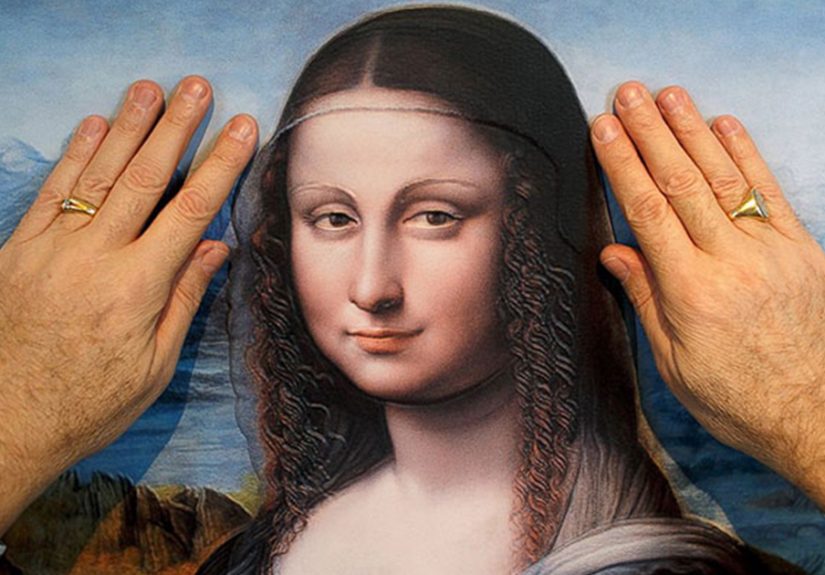
One of the most talked-about examples of tactile access in Madrid comes from the Museo Nacional del Prado, where an initiative often referred to in English as “Touching the Prado” (Spanish: Hoy toca el Prado) created tactile, relief-based versions of iconic paintings. Visitors don’t touch the priceless originalsbecause we all agree that would end badlybut instead explore carefully engineered replicas designed specifically for hands.
The project is built around a surprisingly bold idea: a painting can be “read” like a map. Raised relief highlights key formsfaces, hands, fabrics, architectural linesso fingers can follow the visual logic of the composition. Add audio guidance (what to feel first, where to move next, what you’re touching), and the artwork becomes navigable rather than mysterious.
How the Tactile Paintings Are Made (And Why That Matters)
These aren’t craft-store puffy paint experiments. The Prado’s tactile reproductions have been created using a relief technique developed by Estudios Durero called Didú. Think of it as turning a high-resolution image into a touchable surface with controlled texture and depthlike translating a visual language into a tactile one, without losing the plot.
The best part: the process isn’t done for blind visitors in a vacuum. It’s developed with input from blind and low-vision professionals so the result is actually understandable by touch. Because here’s a hard truth: sighted people are great at guessing what blind people “need,” and historically… that guess has not always been a winner.
Which Masterpieces Can You “See” by Touch?
The Prado has featured tactile reproductions representing different genresreligious scenes, mythology, portraits, still lifeso the experience isn’t limited to one “type” of painting. Works associated with the program include:
- Noli me tangere (Correggio) a title that literally means “don’t touch me,” which is objectively hilarious in a touch-encouraged exhibit.
- Vulcan’s Forge (Velázquez) drama, bodies in motion, and strong contours that translate well to relief.
- The Parasol (Goya) a scene with distinct shapes and clothing details that fingers can track.
- Mona Lisa (workshop/copy associated with Leonardo’s circle) a famous face rendered into an experience you can explore line by line.
- The Nobleman with his Hand on his Chest (El Greco) gesture and contrast become tactile landmarks.
- Still Life with Artichokes, Flowers and Glass Vessels (Van der Hamen) still lifes are basically tactile-friendly “object lessons” waiting to happen.
Audio Description + Braille: The Other Half of the Magic
Touch alone can’t capture everything a painting is doingespecially color, lighting, and perspective tricks. That’s where strong audio description comes in. The Prado has paired tactile access with audio guidance and Braille labeling so visitors get both the physical structure and the narrative context: who’s who, what’s happening, and why a particular detail matters.
A tactile tour also benefits from clear instruction: where to start, how to move across the surface, and what details are emphasized. When audio description is treated as a craft (not an afterthought), it transforms “touching a thing” into “understanding a work.”
Another Madrid Essential: Museo Tiflológico (A Museum Meant to Be Touched)
Madrid doesn’t stop with one special exhibit. The city is also home to Museo Tiflológico (the Typhlological Museum), created by ONCE (Spain’s national organization for blind people). It’s described as a museum “to be seen and touched,” and it’s designed around accessibility rather than retrofitting it later.
Instead of asking visitors to imagine what they can’t physically access, Museo Tiflológico leans into tactile discovery: models of monuments and buildings, artworks made by blind and partially sighted artists, and collections related to blindness and assistive tools. It’s part cultural museum, part “how the world works when you navigate it differently,” and part invitation for sighted visitors to learn without turning the experience into a pity-party.
What Makes a Touch-Friendly Museum Actually Work
A good tactile museum isn’t just “allowed touching.” It’s a carefully planned system:
- Orientation and wayfinding (tactile maps, clear pathways, sometimes sound cues) so visitors can move with confidence.
- Accessible text (Braille and large print) so information isn’t trapped in tiny wall labels.
- Guided tours and workshops that support different learning stylesfamilies, students, first-time visitors, and experts alike.
- Objects designed for touchdurable, cleanable, and meaningful when explored by hand.
“Okay, But What Does It Feel Like?” A Practical Snapshot of the Experience
A tactile art experience often starts with something surprisingly emotional: permission. Being told “yes, you may touch” changes the whole relationship between visitor and museum. It swaps the usual museum posturehands behind your back, eyes forwardfor curiosity, proximity, and exploration.
With tactile relief paintings, fingers tend to search for “anchors”: a face outline, a hand shape, a clear edge of clothing, a strong architectural line. Audio guidance often encourages a routetop to bottom, left to rightso the visitor can build a mental model rather than collecting random textures.
For sighted visitors, some exhibits provide opaque glasses or blindfold-style eyewear (when offered) to experience the work without relying on sight. It’s not meant to simulate blindness perfectly (it can’t), but it can be a powerful reminder that art isn’t only visualit’s interpretive, spatial, and physical.
Why Madrid’s Approach Matters Beyond Spain
Madrid’s tactile access projects get attention because they’re bold, but they’re also part of a larger global shift. Museums increasingly recognize that accessibility is not a niche featureit’s core audience development, educational mission, and basic human decency rolled into one.
In the United States, major institutions have expanded touch-based programs and verbal description offerings for blind and low-vision visitors. Many museums now treat touch tours, tactile models, and audio description as ongoing worknot a one-time press release. And the more these programs grow, the more they benefit everyone: older visitors, neurodivergent visitors, kids who learn by doing, and anyone who’s ever wanted museums to feel less like “quiet rules” and more like “welcoming discovery.”
Planning a Visit: Tips for Getting the Most Out of Touch-Based Art
If you’re visiting Madrid and want to prioritize accessible art experiences (for yourself, a friend, or a family member), a little planning helps:
- Check accessibility offerings in advance: museums often list accessible visits, tours, and resources.
- Ask about audio description: some museums provide devices on-site, others offer apps or downloadable tracks.
- Don’t rush: tactile exploration is slower by nature (in a good way). Build time into your visit.
- Go with curiosity, not assumptions: if you’re sighted, don’t treat touch access as a novelty. It’s a real way of engaging with art.
- Respect the system: if gloves are provided, wear them; if guidance is offered, use it. The goal is access plus preservation.
The Bigger Takeaway: Accessibility Changes How Everyone Sees Art
The most interesting thing about touch-based art experiences is that they don’t just “include” blind visitors. They challenge the museum world’s default settings. They ask: What is art appreciation, really? Is it only the retinal experienceor is it also structure, story, texture, and meaning?
Madrid’s museums answer with action: create tactile pathways into masterpieces, design spaces around real user needs, and treat access as part of cultural leadership. In other words: they’re not lowering the bar. They’re building another entrance.
500 More Words: A Walk Through Madrid’s Touch-Friendly Art (An Experience-Driven Add-On)
Imagine stepping into a museum and feeling your shoulders loosennot because the art is “casual,” but because the usual museum tension is gone. No hovering fear of alarms. No internal monologue repeating, Don’t touch don’t touch don’t touch like a cursed chant. Instead, someone hands you gloves (or points you to a tactile station) and says the most rebellious phrase a museum employee can utter: “Take your time.”
The first surprise is how slow touch is. Sight can scan a room in seconds; hands can’t. Your fingers have to negotiate every curve and edge. At first, that feels like a limitation. Then it feels like a superpower. You realize how often you “see” a painting without actually noticing it. Touch forces attention. Your brain starts building a picture from fragments: a raised line becomes a sleeve; a gentle slope becomes a cheekbone; a sharp ridge becomes a collar.
Now add audio description. A voice guides you toward meaning“This is the hand on the chest,” “This is the parasol above the figure,” “This is the outline of the glass vessel.” And suddenly the textures stop being random. They become intentional. You’re not just touching a surface; you’re following a composition. The experience feels a bit like reading a map in relief: you’re learning where the story lives, where the movement is, where the artist wanted your attention.
There’s also a strange emotional momentespecially for sighted visitorswhen you realize that touch can make art feel more intimate, not less. You’re physically connected to the work’s structure. You feel the “decision points” the artist made: the boundary of a shoulder, the separation between foreground and background, the way objects cluster or disperse. It’s not a replacement for sight, but it is a different kind of closeness.
If you visit a museum like Museo Tiflológico, the vibe changes again. The space feels like it was built with touch in mind from the beginning. Models of buildings and monuments invite exploration the way a playground invites climbingcarefully, respectfully, but without the constant fear of doing it wrong. You notice how much better the flow can be when navigation is a design priority: tactile maps that make sense, signage that doesn’t assume perfect vision, and spaces that don’t punish you for needing time.
The best part is what you leave with. Not just “Wow, technology is cool,” but a quieter lesson: museums don’t have to be temples of distance. They can be places of connection. Madrid’s touch-friendly art experiences prove that access isn’t charityit’s craft. And when it’s done well, everyone walks out seeing art a little differently… even if they never used their eyes once.