Table of Contents >> Show >> Hide
- What Is a Belgian Eco-Linen Sheet Set?
- Why Linen Has Such a Loyal Fan Club
- What “Eco” Should Mean When You Shop
- Belgian Linen vs. Cotton: Which One Wins?
- How to Choose the Best Belgian Eco-Linen Sheet Set
- How to Care for Belgian Eco-Linen Sheets
- Who Should Buy a Belgian Eco-Linen Sheet Set?
- The Real Experience of Sleeping on a Belgian Eco-Linen Sheet Set
- Final Thoughts
- SEO Tags
If your bed could talk, it would probably ask for a promotion. Not a new mattress, not a silk robe, not a tiny bedside espresso machine. Just a really good Belgian eco-linen sheet set. And honestly, that is a fair request.
Linen bedding has become the darling of modern bedrooms for good reason. It looks relaxed without trying too hard, feels airy without seeming flimsy, and manages to be both casual and luxurious at the same time. That is not an easy trick. In a world full of “cooling,” “hotel-quality,” and “life-changing” bedding claims, Belgian linen stands out because it has something more useful than marketing glitter: a long-standing reputation for breathability, durability, and comfort that gets better with time.
For shoppers who care about sustainability, texture, and year-round sleep comfort, a Belgian eco-linen sheet set can be a smart upgrade. But it is not a magic blanket woven by woodland elves. Linen has a distinct feel, a slightly rumpled look, and a higher price point than many cotton sets. So before you invite it into your bedroom and hand it permanent pillow privileges, it helps to know what you are getting.
This guide breaks down what a Belgian eco-linen sheet set is, why people love it, what “eco” should really mean on the label, how it compares with cotton, how to care for it, and what the real-life experience is actually like. Because buying bedding should feel restful, not like cramming for a textile final.
What Is a Belgian Eco-Linen Sheet Set?
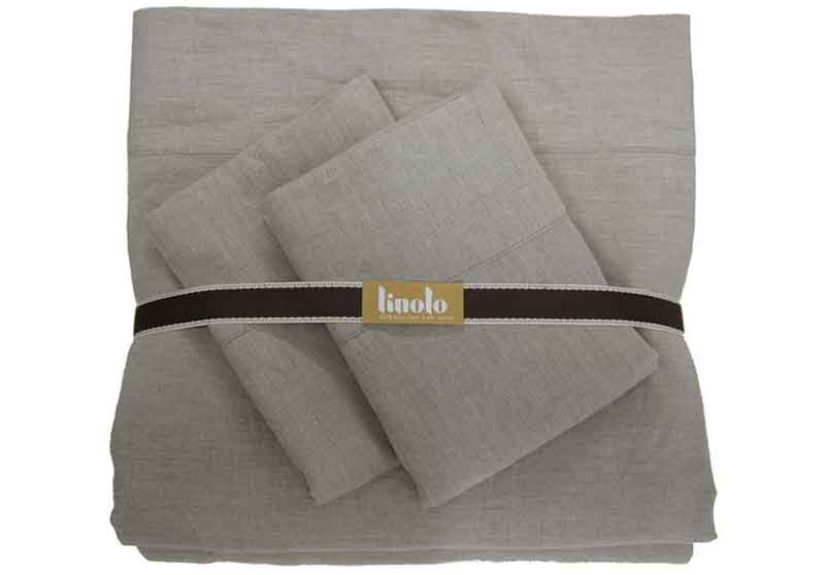
A Belgian eco-linen sheet set is typically a bedding set made from flax-based linen associated with Belgian or broader European flax production traditions. In the bedding market, you will often see terms like Belgian flax linen, European flax linen, or washed linen. These labels usually point to flax grown in Europe and turned into bedding designed for breathability, softness over time, and a relaxed, slightly textured finish.
The “eco” part matters too. A true eco-linen sheet set is not just pretty fabric with a leafy adjective slapped on the packaging. It should suggest thoughtful sourcing, cleaner processing, safer dyes or finishes, and ideally some third-party standards. In many premium sheet collections, that can include labels and claims tied to OEKO-TEX, Fair Trade, or European flax certification. Those details do not automatically make every sheet perfect, but they do help separate serious bedding from greenwashed bedtime poetry.
Most sheet sets in this category include a fitted sheet, a flat sheet, and pillowcases, though some brands let shoppers build their bedding in layers. That means one “set” may be generous, while another may be more of a starter pack. Translation: read the details before you click checkout and assume your top sheet is included. Bedding brands can be a little sneaky there.
Why Linen Has Such a Loyal Fan Club
There is a reason linen fans talk about their sheets the way other people talk about their favorite coffee shop or beloved dog. Linen has a feel and performance profile that is different from standard cotton, and once the right sleeper falls for it, there is usually no going back.
1. It breathes beautifully
One of the biggest selling points of linen bedding is airflow. A quality Belgian linen sheet set feels airy and relaxed rather than dense and clingy. That makes it a strong pick for hot sleepers, warm climates, stuffy bedrooms, and anyone who wakes up feeling like they spent the night negotiating with a toaster oven.
Linen is also often praised for moisture management. Instead of trapping dampness against the body, it helps move that moisture away and lets heat escape more easily. In plain English, it is better at helping you feel dry and less swampy at 2:13 a.m.
2. It softens with time
Fresh linen is not always love at first touch. It can feel crisp, textured, and more structured than cotton. But that is part of the story, not the ending. One of the most celebrated qualities of linen is that it gets softer with use and washing. A good set develops a broken-in feel rather than wearing out immediately, which is exactly what you want from something you rub your face against for eight hours a night.
3. It is durable
If you are tired of sheet sets that look fabulous for three washes and then start behaving like overcooked pasta, linen may be your fabric soulmate. High-quality linen is known for strength and long-term wear. It is one of the reasons linen bedding often comes with a higher price tag: you are not just paying for the name, you are paying for fibers that can hold up well over time when cared for properly.
4. It works across seasons
A lot of people think linen is only for summer, but that sells it short. While it shines in warm weather because of its breathability, it also works well during cooler months when layered with a blanket, quilt, or duvet. That makes a Belgian eco-linen sheet set a year-round option rather than a seasonal fling.
What “Eco” Should Mean When You Shop
The word “eco” can be useful, but it can also be used like confetti at a marketing parade. So what should you actually look for when shopping for eco-friendly linen sheets?
Look for fiber transparency
Start with the fabric content. A sheet set labeled 100% linen or 100% European flax is usually easier to evaluate than vague descriptions like “linen blend luxury feel.” Blends are not automatically bad, but if your goal is the classic linen experience, clarity matters.
Check for third-party standards
Certifications can help. For example, OEKO-TEX STANDARD 100 is often used to indicate that the finished product has been tested for harmful substances. Fair Trade claims can suggest stronger labor standards at the manufacturing level. European flax certification may point to fiber traceability and a more specific sourcing story. Not every great sheet set will carry every badge, but the best brands usually tell you exactly what those terms mean instead of hoping you are distracted by beige color names like “cloud oat fog.”
Pay attention to finishing and feel
Many shoppers love pre-washed, garment-washed, or stonewashed linen because it feels softer right away. That can be a good thing, but the key is balance. You want a sheet set that feels inviting without seeming thin or fragile. A high-quality linen sheet set should feel lived-in, not worn-out before it even reaches your bedroom.
Think beyond the fabric alone
Eco-friendly bedding is not only about the fiber. It also includes how long the sheets last, whether they are easy to care for, whether they avoid unnecessary chemical finishes, and whether you will actually keep using them for years instead of tossing them after one season. Longevity is sustainability’s less glamorous but more practical cousin.
Belgian Linen vs. Cotton: Which One Wins?
The honest answer is annoyingly adult: it depends. If you want instant softness, crisp hotel-sheet vibes, and a lower upfront cost, cotton still makes a strong case for itself. But if you want texture, airflow, durability, and an elevated lived-in look, linen is often the more compelling choice.
Choose linen if you want:
- Better breathability for hot or humid nights
- A casual, rumpled, designer-bed aesthetic
- Long-term durability
- A fabric that softens over time
- Natural texture instead of ultra-slick smoothness
Choose cotton if you want:
- A softer feel right out of the package
- More color and pattern options
- A lower entry price
- A smoother or crisper finish
- Less visible wrinkling
For many sleepers, the biggest adjustment with a Belgian eco-linen sheet set is texture. Linen is not supposed to feel like buttery sateen or polished percale. It has more character than that. It creases. It drapes differently. It looks like it drinks sparkling water and owns a ceramic lamp. If that appeals to you, wonderful. If you want perfectly smooth sheets that snap like a hotel corner, cotton may still be your best friend.
How to Choose the Best Belgian Eco-Linen Sheet Set
1. Check the fiber origin
Look for clear descriptions such as Belgian flax, European flax, or 100% linen. Brands that are confident in their materials usually say so plainly.
2. Review certifications
Good signs include OEKO-TEX, Fair Trade, and other reputable textile or labor-related standards. They are not everything, but they are better than vague promises about “planet-loving luxury.”
3. Read care instructions before buying
This is not the glamorous part of bedding shopping, but it matters. Most linen sheets are machine washable, often in cold water on a gentle cycle with mild detergent. Low-heat drying or line drying is usually recommended. If you know you are the kind of person who treats laundry labels as creative suggestions, at least buy sheets sturdy enough to survive your optimism.
4. Understand the look
Linen wrinkles. That is not a defect. That is the vibe. If you want a bed that looks effortlessly stylish, linen is excellent. If every crease makes you want to file a complaint with the universe, proceed carefully.
5. Think about your climate and sleep habits
Hot sleeper? Linen makes sense. Humid environment? Linen makes sense. Want one sheet set that works in summer and still feels good under heavier layers in winter? Also linen. The more temperature-sensitive you are, the more this fabric tends to earn its keep.
How to Care for Belgian Eco-Linen Sheets
The good news is that linen does not demand spa-level maintenance. The even better news is that caring for it well helps preserve everything you paid for: softness, strength, color, and that relaxed drape that makes your bed look expensive even when the rest of the room is mostly laundry.
Basic care rules
- Wash before first use
- Use cold or cool water on a gentle cycle
- Choose a mild detergent
- Avoid harsh bleach unless the label specifically allows it
- Tumble dry on low or line dry
- Remove promptly to reduce deep wrinkles
As a general cleaning rhythm, washing your sheets about once a week is a smart standard, though your routine may vary depending on sweat, skin sensitivity, pets, snacks in bed, and whether your dog believes pillowcases are a human gift to the animal kingdom.
Skip rough handling, heavy heat, and unnecessary chemical overload. Linen is tough, but it still appreciates a little respect. Think “steady relationship,” not “chaotic reality show contestant.”
Who Should Buy a Belgian Eco-Linen Sheet Set?
A Belgian eco-linen sheet set is especially worth considering if you:
- Sleep hot or live in a warm climate
- Prefer natural fibers over synthetic materials
- Like a relaxed, textured bedroom look
- Value long-term durability over bargain pricing
- Care about certifications and cleaner textile standards
- Want bedding that feels better with age
It may be less ideal if you want ultra-smooth softness on day one, hate wrinkles with the power of a thousand suns, or are shopping on a tight budget. Linen is many things, but “cheap and perfectly pressed forever” is not one of them.
The Real Experience of Sleeping on a Belgian Eco-Linen Sheet Set
Now for the part product descriptions usually rush past: what is it actually like to live with a Belgian eco-linen sheet set day after day?
First, the bed looks better almost immediately. Not in a stiff, magazine-showroom way, but in a relaxed, intentional way. Linen has a natural drape that makes the bed feel inviting. It does not stand at attention like crisp cotton. It lounges beautifully. Even when the bed is only half-made, it somehow looks like you did that on purpose. Very helpful for people who enjoy aesthetic compliments but not necessarily the labor required to earn them.
The first few nights can be a little surprising if you have only used cotton. Linen feels textured and airy. It has grip. It does not slide around. Some people fall in love instantly; others need a week or two before they fully understand the appeal. This is normal. Linen is less “hello, I am soft” and more “give me a minute, I have depth.”
Then something interesting happens. The sheets start to relax. They soften, loosen up, and mold more naturally to your body and mattress. The fabric stops feeling merely nice and starts feeling familiar. That is where linen wins people over. It grows into itself. You are not just buying a finished product; you are buying a material that develops character with use.
Temperature-wise, the difference can be noticeable, especially if you run warm at night. Linen tends to feel less stuffy than heavier cotton weaves. On humid nights, it can feel more breathable and less clingy. On cooler nights, it still works well as part of a layered bed. That is one of its sneakiest strengths. Linen does not usually scream for attention. It just quietly makes the bed feel more balanced.
There is also a sensory pleasure to the whole routine. Pulling back a linen duvet, sliding into slightly rumpled sheets, and feeling that dry, breathable texture against your skin has a very specific charm. It feels relaxed but elevated. Practical but special. Like your bedroom finally stopped trying to be a furniture store display and became an actual sanctuary.
Of course, it is not all romance and moonlight. Linen wrinkles. A lot. If you wash it and leave it sitting in the dryer while you wander off to reorganize your spice rack or stare into the refrigerator for emotional support, it will emerge looking dramatically crumpled. But oddly enough, that becomes part of the appeal. Linen teaches you to stop expecting sterile perfection from a lived-in home. Your bed can look beautiful without looking rigid.
Another real-life experience is that linen often changes the way people shop for bedding in the future. Once someone gets used to breathable, textured, high-quality flax sheets, many budget sheet sets start to feel flat and forgettable. That does not mean linen is the only good bedding. It just means it has a way of recalibrating your standards. Suddenly, you care about fiber origin. You read wash instructions voluntarily. You become the kind of person who says things like, “These pillowcases have a much nicer hand feel.” It is a slippery slope.
And then there is the visual side. A Belgian eco-linen sheet set works with a lot of bedroom styles: modern organic, coastal, minimalist, rustic, Scandinavian-inspired, and even eclectic rooms that need one calm element to keep the whole thing from looking like a flea market exploded. Natural shades like ivory, flax, white, misty blue, sage, and warm earth tones tend to look especially strong in linen because the fabric itself already has so much texture and depth.
In the end, living with linen feels less like using a product and more like settling into a habit. It is the habit of choosing comfort that is breathable, beautiful, and built to last. It is not flashy. It is not trend-chasing. It is simply the kind of bedding that earns your trust one night at a time.
Final Thoughts
A Belgian eco-linen sheet set is not the cheapest bedding option, nor the smoothest, nor the most wrinkle-resistant. That is precisely why the right shoppers love it. It offers something better: breathable comfort, impressive longevity, understated style, and a natural texture that feels more personal with every wash.
If you want bedding that looks polished without being fussy, performs well through changing seasons, and aligns with a more thoughtful approach to materials, Belgian eco-linen is a strong choice. Just go in with realistic expectations. It will wrinkle. It will cost more. It may not feel cloud-soft on night one. But give it time, and it often becomes the sheet set people reach for again and again.
In other words, it is less of a fling and more of a long-term relationship. The healthy kind, where everyone sleeps better.
SEO Tags
Note: This HTML contains only the body content, uses standard American English, and has been cleaned for web publication without placeholder citation artifacts.