Table of Contents >> Show >> Hide
- Quick Movie Snapshot (So We’re All Ranking the Same Thing)
- Overall Rankings: How Good Is Bad Day at Black Rock?
- Critic & Audience Scores: The Numbers People Like to Argue About
- Ranking the Film’s Best Ingredients (In My Extremely Biased Opinion)
- Ranking the Key Performances (Because This Cast Is Ridiculous)
- Big Themes, Ranked by “How Hard They Hit”
- What the Film Gets Critiqued For (Fair Points, Ranked)
- Where It Ranks in Film History (Without Getting Pretentious About It)
- My Personal Rankings (The Spicy Part)
- Conclusion: Why This Movie Still Ranks So High
- Experiences Section (Extra ): What It Feels Like to Watch Bad Day at Black RockThen Think About It for Days
Some movies stroll in like they own the place. Bad Day at Black Rock steps off a train, straightens its jacket, and makes an entire town look like it just got caught hiding a group chat.
Released in the mid-1950s but set right after World War II, this lean, 81-minute thriller is often described as a Western-noir hybridpart desert mystery, part moral showdown, part “why is everyone in this town acting so weird?” energy.
And yes, it still works today, which is both impressive and a little depressing (because the movie’s big themesracism, intimidation, and civic cowardicedid not exactly retire).
This article is a ranking-heavy, opinion-forward guide to what makes Bad Day at Black Rock endure: how it scores with critics and audiences, where it “ranks” among genre mashups and social thrillers,
and which elements deserve the loudest applause (or the sharpest side-eye). Expect clear ratings, spicy takes, and enough context to sound smart at movie night without turning into a walking film textbook.
Quick Movie Snapshot (So We’re All Ranking the Same Thing)
- Release: 1955
- Runtime: 81 minutes (tight like it’s on a stopwatch)
- Director: John Sturges
- Studio: MGM
- Core setup: A one-armed war veteran arrives in a desert town and asks about a Japanese American farmer named Komoko. The town responds with… immediate emotional Wi-Fi disconnection.
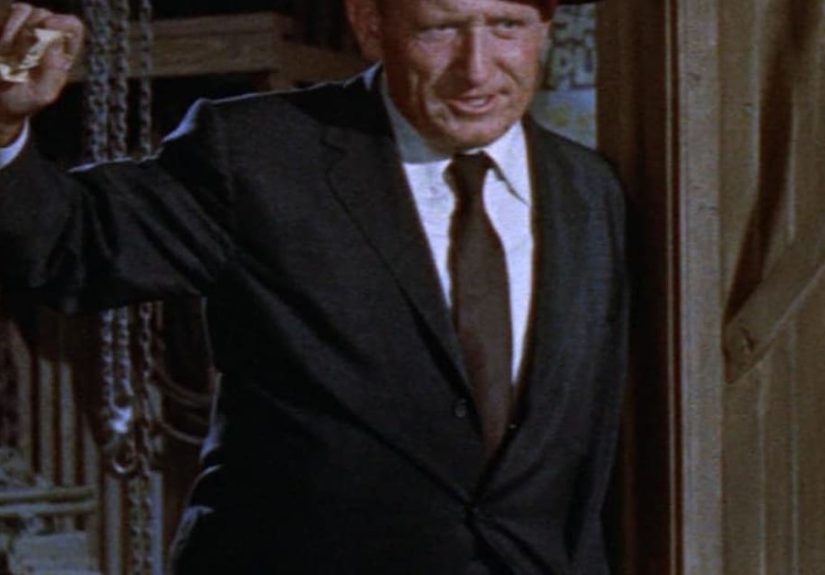
The cast is basically a “classic Hollywood character actor starter pack,” led by Spencer Tracy as John J. Macreedy, with Robert Ryan as the town’s bullying power center.
Anne Francis brings heat and heartbreak as Liz, and the supporting lineup includes names that film fans love to point at like they’re doing a scavenger hunt.
Overall Rankings: How Good Is Bad Day at Black Rock?
Rank #1: “Short Movie, Big Impact” (A+ Efficiency Score)
If you’re ranking movies by how much tension they squeeze into a small runtime, this one is a top-tier contender.
It doesn’t wander. It doesn’t “take a little break” to show you someone buying apples. It moves like a snake in the sand: quiet, deliberate, and suddenly right next to your ankle.
A lot of modern thrillers take two hours to do what this film does in 81 minutes.
Rank #2: “Social Message That Actually Stays in the Story” (A)
The film deals with anti-Japanese racism in postwar America and the shame that people bury (sometimes literally) when they’d rather protect the town’s image than tell the truth.
It’s not a speechy movie. It’s a pressure-cooker movie. The message isn’t delivered by a megaphone; it’s delivered by fear, silence, and the way ordinary people become accomplices by doing nothing.
Rank #3: “Best Use of a Train Stop to Ruin Everybody’s Day” (A+)
That opening arrival is iconic because it’s simple: a stranger steps into a closed ecosystem, and the ecosystem panics.
In ranking terms, this is one of the cleanest examples of the “outsider exposes the rot” premisedone without detective gadgets, car chases, or a soundtrack that screams at you to feel suspense.
The suspense is baked into the town’s behavior.
Critic & Audience Scores: The Numbers People Like to Argue About
Rankings and opinions are fun, but let’s acknowledge the scoreboard that sparks internet debates:
Bad Day at Black Rock has remained highly regarded in modern aggregation, earning a strong critics’ score and a solid audience score on Rotten Tomatoes.
That doesn’t mean everyone will love itsome viewers bounce off older pacing or the film’s stylized minimalismbut the overall reputation is not a nostalgia fluke.
| Metric | What it suggests |
|---|---|
| Critics’ consensus (aggregated) | Widely praised as a tense, well-crafted thriller with real thematic bite |
| Audience reception (aggregated) | Generally strong, though not “universal crowd-pleaser” territory |
| Industry recognition | Major Oscar nominations + later preservation as culturally significant |
Ranking the Film’s Best Ingredients (In My Extremely Biased Opinion)
#1 The Atmosphere of “Polite Hostility” (10/10)
The town of Black Rock is basically a masterclass in passive-aggressive menace. Nobody says, “We’re evil.” They say things like, “No rooms,” “No car,” “No help,” and “Why are you asking?”
The threat isn’t just the obvious bad guysit’s the community agreement to freeze out truth.
That’s scarier than a single villain, because you can’t punch a whole town (even if you’re very good at punching).
#2 Spencer Tracy’s Controlled Power (9.5/10)
Macreedy isn’t a swaggering gunslinger. He’s calm, observant, and strategically quiet.
Tracy plays him as someone who’s learned restraint the hard way, and that restraint makes the moments of action feel sharper.
You don’t watch him “win” by being louderyou watch him win by staying steady while everyone else unravels.
#3 The Villainy That Feels Uncomfortably Real (9/10)
Robert Ryan’s Reno Smith isn’t a cartoon villain twirling a mustache; he’s the kind of local tyrant who thrives when people are tired, afraid, and willing to rationalize cruelty as “how things are.”
His power comes from social dominance, intimidation, and the town’s desire to avoid consequences.
If you’re ranking movie villains by realism rather than theatrics, he’s near the top.
#4 The Minimalist Setting That Amplifies Everything (9/10)
The landscape matters here. Wide open desert, tiny cluster of buildings, nowhere to hide, nowhere to pretend.
The isolation turns gossip into law, and silence into a weapon.
It’s a reminder that sometimes the scariest place isn’t a dark alleyit’s a sunny town where everyone knows everyone… and everyone is complicit.
#5 The Film’s Genre Blend: Western + Noir + Social Thriller (8.5/10)
If you love neat labels, this movie will mess with you. It has Western bones (outsider arrives, power structure challenged),
noir tension (secrets, corruption, moral rot), and a social problem backbone.
The blend is a big reason the movie feels modern: it’s not just “who did it?”it’s “how did everyone live with it?”
Ranking the Key Performances (Because This Cast Is Ridiculous)
#1 Spencer Tracy as Macreedy
He anchors the film with understated authority. Macreedy’s calm becomes the measuring stick for everyone else’s panic.
#2 Robert Ryan as Reno Smith
A villain built from resentment, social control, and the confidence of someone who thinks consequences are for other people.
#3 Anne Francis as Liz
Liz is the character who makes the town’s moral crisis feel personal. Her choices, fears, and courage give the film emotional stakes beyond the mystery.
#4 Walter Brennan as Doc Velie
The town doctor is a walking conscience with nerves. He knows the truth is poisonbut also knows silence is worse.
The supporting cast is stacked in a way that feels almost unfair, like the casting director was simply told, “Bring me everyone who can radiate tension by chewing.”
Big Themes, Ranked by “How Hard They Hit”
#1 Civic Cowardice (The Most Uncomfortable Theme)
The film’s most cutting idea is that evil doesn’t always arrive wearing a villain badge.
Sometimes it’s already in town, collecting rent, telling jokes, and relying on everyone else’s silence.
Black Rock shows how fear and convenience can turn regular people into collaborators.
#2 Racism as a Social System, Not Just a Personal Flaw
The story isn’t simply “one bad person was racist.” It’s “a community allowed racism to become a shield.”
That’s why the film’s moral punch still lands: it’s not about one heart being uglyit’s about a town deciding that truth is negotiable.
#3 Postwar Identity and Displacement
Set just after WWII, the movie sits in that uneasy moment when the war is “over,” but the country’s moral accounting is not.
It’s a story about what Americans did with their fears, resentments, and prejudices once the uniforms came off.
What the Film Gets Critiqued For (Fair Points, Ranked)
#1 The Absence That Matters: Japanese American Presence
A major critique discussed by historians and cultural commentators is that the story revolves around anti-Japanese racism,
yet Japanese American characters largely remain off-screen in the present timeline.
That choice keeps the focus on the town’s guilt and the outsider’s investigationbut it also limits the voices we hear most directly.
#2 The “Message Movie” Tightrope
Some viewers feel the plot moves with a schematic simplicityalmost like a fable built for maximum moral clarity.
Others argue that’s the point: the stripped-down storytelling makes the town’s behavior feel like a case study.
Your ranking here depends on taste: do you prefer messy realism, or surgical structure?
#3 The Stylized Small-Town Microcosm
Black Rock is less a “real town” and more a moral Petri dish.
If you like your settings sprawling and detailed, you might find it too minimal.
If you like allegories that hit like a hammer, you’ll probably call it a feature, not a flaw.
Where It Ranks in Film History (Without Getting Pretentious About It)
- As a 1950s thriller: It ranks among the decade’s sharpest examples of suspense used to explore social fear.
- As a Western remix: It’s a strong contender in the “Western but make it moral horror” category.
- As an awards-era prestige film: It earned major Academy Award nominations (direction, acting, writing).
- As a cultural artifact: It was later selected for preservation in the National Film Registry, a sign of long-term significance.
My Personal Rankings (The Spicy Part)
Overall Grade: A
Best at: tension, pacing, moral pressure, and using silence as a weapon.
Not trying to be: a cozy mystery or a gentle character study.
Who should watch: anyone who likes noir, Westerns, social thrillers, or films where the “monster” is a community decision.
Rewatch Value: 8.5/10
First watch is about uncovering the secret. Rewatch is about watching the townwho flinches, who lies, who hesitates, who bargains with their conscience.
On rewatch, the “plot” becomes almost secondary to the human behavior.
Modern Relevance: 9/10 (Unfortunately)
The mechanics of intimidation, scapegoating, and collective denial still look familiar.
Black Rock is a reminder that “good people” aren’t a guaranteesystems and social pressure can break courage down into little compromises.
Conclusion: Why This Movie Still Ranks So High
Bad Day at Black Rock ranks as a classic not because it’s flashy, but because it’s focused.
It’s a thriller that understands the scariest weapon in a town isn’t a gunit’s agreement.
The film builds tension through what people refuse to say, then forces the truth into daylight.
Whether you come for the noir-Western mashup, the performances, or the social bite, you’ll leave with that rare feeling:
you just watched something old that still feels alarmingly current.
Experiences Section (Extra ): What It Feels Like to Watch Bad Day at Black RockThen Think About It for Days
Watching Bad Day at Black Rock can feel like walking into a small diner where the coffee’s hot, the smiles are stiff, and the room goes quiet the second you open your mouth.
Even if you’ve never lived in a tiny town, the social vibe is instantly recognizable: people who know the rules, people who enforce the rules, and people who pretend there are no rules at all.
That’s the first “experience” most viewers reportthis creeping sense that the town itself is the antagonist, not just the loudest bully in the room.
Another common experience is surprise at how modern the tension feels. There’s no frantic editing, no hyperactive camera wobble, no soundtrack that stomps around yelling “SUSPENSE!”
Instead, the movie lets discomfort grow naturally. You start noticing how often Macreedy is watched, redirected, or blocked.
A door closes a little too quickly. A helpful gesture turns into a warning. Someone offers information and immediately regrets it.
If you’re used to contemporary thrillers, you may find yourself leaning forward, not because something explodes, but because you can sense the town tightening like a fist.
Viewers also tend to remember the “pressure of silence” more than any single action scene.
The film makes you feel how hard it is for ordinary people to speak when they think speaking will cost them everything: their job, their safety, their place in the community.
That experience is weirdly personalpeople often compare it to moments in real life where they saw something wrong and felt the social gravity of staying quiet.
It’s not a comfortable connection, but it’s exactly why the movie sticks.
There’s also a specific emotional whiplash that happens when you realize what the mystery is really about.
The story isn’t just “someone committed a crime”it’s that the crime became a community project.
The experience of that reveal isn’t shock like a twist ending; it’s more like a slow cold wave.
Many viewers describe feeling angry at the villains and frustrated with the bystanders, then realizing the movie is quietly asking a rude question:
“If you were there, and the town expected you to cooperate, what would you have done?”
Finally, the post-watch experience is often a mix of admiration and heaviness.
Admiration because the craft is so cleanperformances, pacing, visual storytelling.
Heaviness because the themes don’t stay trapped in 1955. The movie’s tension comes from patterns humans still repeat: scapegoating, denial, moral laziness, fear of standing alone.
Some people finish it and immediately want to recommend it (“How have you not seen this?”). Others sit quietly for a minute, letting it land.
Either response is valid. That’s part of what makes the film rank high in “movies that linger”: it doesn’t just entertainit pokes the part of your brain that asks what courage costs, and who pays when nobody wants to.