Table of Contents >> Show >> Hide
- Anza-Borrego Desert Flowers: Where the Desert Decides to Wear Confetti
- Why Anza-Borrego Desert Flowers Are So Special
- Common Flowers You May See in Anza-Borrego Desert
- Best Places to See Anza-Borrego Wildflowers
- How to Plan a Wildflower Trip to Anza-Borrego
- Why Some Years Bring a Super Bloom
- Photography Tips for Anza-Borrego Desert Flowers
- The Ecology Behind the Beauty
- Experiences Related to Anza-Borrego Desert Flowers
- Conclusion: The Desert’s Best Surprise
Note: This article is written in original, web-ready American English and is based on real information from official park resources, desert organizations, visitor guides, and current wildflower reporting.
Anza-Borrego Desert Flowers: Where the Desert Decides to Wear Confetti
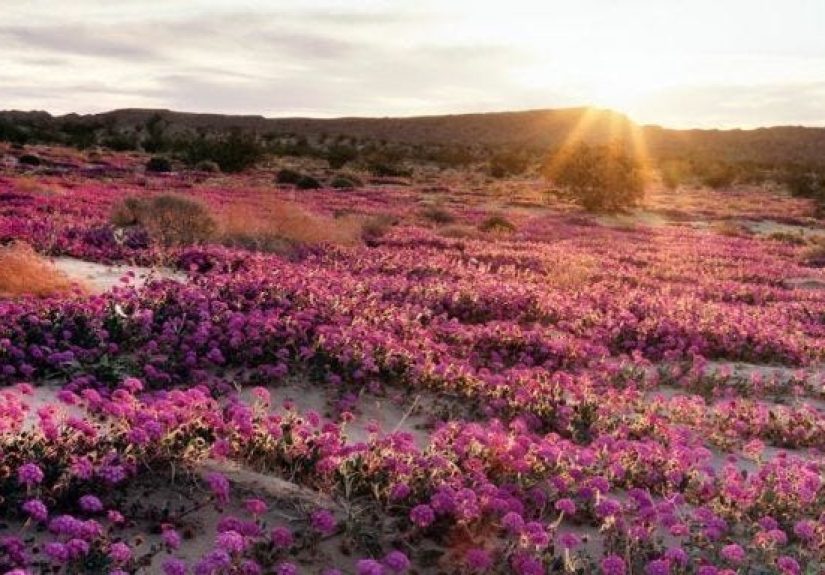
Most deserts prefer a minimalist look: sand, stone, sky, and the occasional lizard doing push-ups on a warm rock. Then spring arrives in Southern California, rain behaves like a generous guest instead of a mysterious rumor, and the Anza-Borrego Desert suddenly breaks into color. Purple sand verbena rolls across sandy flats. White dune evening primrose opens like tiny desert lanterns. Yellow desert sunflowers raise their cheerful faces as if they have been waiting all year for applause.
The flowers of Anza-Borrego Desert State Park are not just pretty scenery; they are a seasonal event, a lesson in patience, and a reminder that the desert is much busier than it looks. One week a wash may appear dry and ordinary. The next, it may look as if someone spilled a giant box of botanical crayons across the valley floor. That surprise is part of the magic.
Located around Borrego Springs in eastern San Diego County, Anza-Borrego Desert State Park is California’s largest state park. It offers hundreds of miles of dirt roads, hiking trails, washes, badlands, palm groves, cactus gardens, sweeping mountain views, and some of the most beloved desert wildflower displays in the American Southwest. In a strong bloom year, the park becomes a pilgrimage site for photographers, hikers, families, botanists, and people who simply want their camera roll to stop looking like lunch photos.
Why Anza-Borrego Desert Flowers Are So Special
The beauty of Anza-Borrego Desert flowers comes from contrast. A rose garden is expected to bloom. A desert, at least to the untrained eye, seems like the last place to look for petals. But beneath the sand is a living seed bank. Many desert annuals can wait quietly through dry years, then respond quickly when rainfall, temperature, and timing line up.
That is why wildflower season in Anza-Borrego is never exactly the same twice. Some years are modest, with scattered color along roadsides, washes, and bajadas. Other years bring broad carpets of purple, white, and gold. And once in a while, when winter rains are generous and temperatures remain kind, people start whispering the magic phrase: “super bloom.” The desert, of course, does not care what we call it. It simply blooms when conditions are right and shrugs when they are not.
The Desert Works on Its Own Calendar
Visitors often ask, “When is peak bloom?” This is a fair question, but the desert answers with a very desert-like response: “Depends.” In general, Anza-Borrego wildflowers are most often associated with late winter through early spring. Many visitors plan around February, March, and sometimes early April. However, bloom timing can shift depending on rainfall, elevation, heat, wind, and how quickly caterpillars or hungry insects discover the buffet.
Lower elevations near Borrego Springs and Henderson Canyon Road may bloom earlier, while higher elevations can hold later flowers, shrubs, cacti, agave, and cholla blooms after the first annuals begin setting seed. In warm years, delicate annuals may fade quickly. In cooler, wetter conditions, the show may last longer. Desert flowers are beautiful, but they are not interested in your vacation schedule. Rude? Maybe. Honest? Absolutely.
Common Flowers You May See in Anza-Borrego Desert
Anza-Borrego is home to many flowering plants, from tiny annuals to dramatic cactus blossoms. The exact mix changes by year and location, but several species are famous among spring visitors.
Desert Sand Verbena
Desert sand verbena is one of the stars of a good Anza-Borrego bloom. Its rounded clusters of purple to pink flowers often spread across sandy flats, especially after well-timed rain. When mixed with white primrose, it creates the classic purple-and-white carpet seen in many Anza-Borrego wildflower photos. It also has a talent for making every photographer crouch awkwardly in the sand while pretending this is a normal life choice.
Dune Evening Primrose
Dune evening primrose produces large, delicate white flowers that look almost too soft for the desert. These blooms often open in the cooler parts of the day and can appear in sandy areas alongside sand verbena. Their bright petals glow beautifully in early morning or late afternoon light, which is convenient because those are also the best times to avoid turning into a walking tortilla chip under the desert sun.
Desert Sunflower
Desert sunflower adds sunny yellow to the Anza-Borrego palette. In good years, it can form cheerful fields that seem to pull the whole landscape into a brighter mood. These flowers are especially photogenic against the rugged backdrop of the San Ysidro Mountains, the badlands, and the wide desert sky.
Brown-Eyed Primrose, Poppies, Lupine, and Phacelia
Other spring favorites may include brown-eyed primrose, Parish’s poppy, Arizona lupine, desert chicory, Fremont pincushion, and common phacelia. Some are showy. Some are tiny enough that you need to slow down and look closely. That is one of the best things about wildflower hunting in Anza-Borrego: the desert rewards people who stop rushing.
Cactus and Shrub Blooms
After the early annual wildflowers fade, the desert often shifts into another act. Beavertail cactus, hedgehog cactus, barrel cactus, cholla, fishhook cactus, brittlebush, ocotillo, and paloverde can bring color later in the season. Cactus blossoms are the desert’s way of saying, “Yes, I have thorns, but I also have range.”
Best Places to See Anza-Borrego Wildflowers
Wildflower locations change every year, so the best place is always “where the flowers are right now.” That sounds unhelpful, but it is the truth. Before visiting, check current bloom updates from the park, local organizations, or the wildflower hotline. Once you arrive, stop by the visitor center or local nature association resources for fresh guidance.
Henderson Canyon Road
Henderson Canyon Road is one of the most famous wildflower-viewing areas near Borrego Springs. In strong bloom years, nearby fields can display sand verbena, primrose, sunflowers, and other annuals. Because it is accessible and popular, it can become crowded during peak bloom. Arrive early, park responsibly, and resist the urge to create your own “secret path” through the flowers. The plants do not appreciate creative traffic engineering.
Borrego Palm Canyon Area
The Borrego Palm Canyon area near the visitor center is another classic stop. The trail area combines desert plants, mountain views, and the possibility of seeing native wildlife such as birds or, with luck and distance, desert bighorn sheep. Wildflower displays vary, but the setting is excellent for first-time visitors who want a taste of the park without committing to remote dirt-road adventures.
Visitor Center Garden
The Anza-Borrego Desert State Park Visitor Center Garden is ideal for visitors who want an easier, more accessible look at desert plants. Even when wide carpets of annuals are fading elsewhere, gardens and nearby trails may feature cactus blossoms, shrubs, and native plant examples. It is also a smart first stop for maps, conditions, safety reminders, and the all-important question: “Where should we go today?”
Washes, Roadsides, and Higher Elevations
In different years, flowers may appear along sandy washes, desert roadsides, bajadas, canyons, and higher-elevation routes. Some blooms are visible from paved roads, while others require hiking or careful driving on dirt roads. Always match your plan to your vehicle, experience, weather, and water supply. The desert is beautiful, but it does not offer valet service.
How to Plan a Wildflower Trip to Anza-Borrego
A successful Anza-Borrego flower trip begins before you leave home. Because bloom conditions can change quickly, current information matters. A report from two weeks ago may be useful background, but in the desert, two hot afternoons can turn “peak bloom” into “bring binoculars and optimism.”
Check Current Bloom Reports
Before driving to the park, check updated wildflower reports from California State Parks, Anza-Borrego Foundation, Anza-Borrego Desert Natural History Association, Borrego Wildflowers, local visitor organizations, or DesertUSA. The park’s recorded wildflower message is also a helpful resource. Current reports can point you toward active bloom areas, road conditions, and whether the season is in the annual-flower phase, cactus phase, or “still gorgeous, but please lower expectations” phase.
Go Early in the Day
Morning is usually best for wildflower viewing. The light is softer, the temperatures are kinder, and popular parking areas are less chaotic. Early light also brings out texture in the flowers and mountains, which is why photographers often look suspiciously awake before sunrise. By midday, the sun can be harsh, winds may increase, and the desert begins reminding everyone who is in charge.
Bring Water, Sun Protection, and Real Shoes
Bring more water than you think you need. Wear sun protection, a hat, and sturdy footwear. Sandals may seem charming until you meet gravel, cactus spines, or a trail that suddenly becomes more ambitious than expected. Cell service can be unreliable in parts of the park, so download maps and carry basic supplies.
Respect the Flowers
Stay on roads, trails, and durable surfaces. Do not pick flowers. Do not lie down in blooms for photos. Do not trample plants to improve your social media composition. A desert wildflower may look abundant in a good year, but each plant is part of a fragile cycle of seed, bloom, pollination, and renewal. The next bloom depends on today’s visitors not treating the landscape like a floral carpet sample.
Why Some Years Bring a Super Bloom
A “super bloom” is not just a big patch of flowers. It usually refers to an unusually large, widespread, and dense bloom triggered by a favorable combination of rainfall, temperature, and timing. Seeds need enough moisture to germinate. Young plants need continued moisture or mild conditions to grow. Then temperatures must avoid racing too high too early. Add calm winds, limited damage from hungry insects, and a little luck, and the desert may produce a spectacle that fills news feeds and hotel rooms.
However, not every good bloom is a super bloom, and that is perfectly fine. Visitors sometimes become so obsessed with the label that they miss the smaller miracles: a single cactus flower glowing against a rock, a patch of phacelia tucked beside a wash, or a desert lily standing alone like it has important news. Anza-Borrego does not need to be in full celebrity mode to be worth visiting.
Photography Tips for Anza-Borrego Desert Flowers
The best wildflower photos often come from patience rather than fancy equipment. Shoot early or late for warm light and softer shadows. Get low, but stay out of the flowers. Use mountains, washes, or desert roads as background elements. Look for color combinations: purple sand verbena with white primrose, yellow sunflowers against blue sky, or cactus blossoms against rough stone.
For close-ups, watch the wind. Desert breezes love to arrive exactly when you press the shutter. Use a faster shutter speed if flowers are moving. For wide landscapes, include a foreground bloom and a strong background to show scale. And remember: the most respectful photo is the one you can take without damaging the thing you came to admire.
The Ecology Behind the Beauty
Desert flowers are not decorations placed there for human entertainment, although it is generous of them to look fabulous. They feed pollinators, create seeds for future years, protect soil, and support the broader desert food web. Bees, butterflies, moths, beetles, birds, and other wildlife may depend on seasonal blooms. Some plants complete their visible life cycle quickly, growing, flowering, setting seed, and drying out before the most intense heat arrives.
This is why a bloom can fade so fast. What looks like a short show to visitors is actually a highly efficient survival strategy. The desert gives plants a brief window, and they use it with impressive focus. No procrastination, no meetings, no “circle back next quarter.” Just bloom, reproduce, and wait for the next good rain year.
Experiences Related to Anza-Borrego Desert Flowers
A wildflower trip to Anza-Borrego is not only about finding the biggest patch of color. The experience begins on the drive in, as the landscape slowly changes from coastal Southern California or mountain roads into open desert. Around Borrego Springs, the sky feels wider, the air drier, and the mountains sharper. Then, almost unexpectedly, color begins appearing near the ground. A small purple patch. A flash of yellow. A white bloom beside a sandy shoulder. The desert does not reveal itself all at once; it prefers a slow introduction.
One of the best experiences is simply walking slowly. Many visitors arrive hoping for grand fields, but the smaller discoveries often become the most memorable. A tiny flower no bigger than a fingernail may be growing beside a rock. A cactus bud may be just beginning to open. A bee may be busy inside a blossom, looking like a tiny employee in a very fragrant office. Children often notice these details first because they are naturally closer to the ground and less embarrassed about being excited by small things.
Another rewarding experience is visiting at different times of day. Morning brings cool air and gentle light. Flowers can look fresh, and the mountains often glow softly in the background. By afternoon, colors become brighter but shadows harsher, and the heat may encourage a slower pace. Near sunset, the desert changes mood again. The sand warms in color, the flowers catch the last light, and the whole park seems quieter, as if everyone agreed to whisper for a few minutes.
Talking with local volunteers, park staff, or natural history guides can also make the visit richer. They may point out species you would otherwise miss or explain why one wash is blooming while another nearby area looks bare. Rainfall in the desert can be extremely localized, so one part of Anza-Borrego may receive enough moisture for a strong display while another area waits patiently for a better year. Learning this makes the landscape feel less random and more alive.
For many visitors, the most meaningful part of seeing Anza-Borrego Desert flowers is the feeling of witnessing something temporary. These blooms do not last long. Heat, wind, insects, and time move quickly. That shortness makes the experience feel special. You are not looking at a permanent exhibit. You are catching a seasonal performance, and the actors are petals, seeds, sunlight, and rain. The desert flowers remind us that beauty does not have to last forever to matter. Sometimes it only needs a few perfect mornings and a camera full of happy evidence.
Conclusion: The Desert’s Best Surprise
Anza-Borrego Desert flowers are one of Southern California’s most unforgettable natural events. Whether the season brings a modest bloom, a strong wildflower year, or a rare super bloom, the park offers something deeper than a pretty view. It shows how life adapts, waits, responds, and flourishes under conditions that seem impossible at first glance.
To make the most of a visit, check current bloom updates, start early, bring water, protect yourself from the sun, and treat the landscape gently. Look for the famous carpets of sand verbena, dune evening primrose, and desert sunflower, but do not ignore the quieter blooms along trails, washes, and cactus gardens. In Anza-Borrego, the grand scene is wonderful, but the tiny details are often where the desert tells its best jokes.
The next time someone says the desert is empty, show them Anza-Borrego in bloom. Then watch them reconsider their entire personality.