Table of Contents >> Show >> Hide
- What Is “An Affair to Remember,” Exactly?
- How High Does “An Affair to Remember” Rank?
- Scores and Stats: How Does It Rate Today?
- What People Love About “An Affair to Remember”
- Common Criticisms and Why Some Viewers Don’t Rank It as Highly
- So Where Should “An Affair to Remember” Rank?
- Experiences with “An Affair to Remember”: How People Actually Watch It
If you’ve ever watched a rom-com and thought, “Wow, this is dramatic…but also kind of perfect,”
you owe a thank-you note to An Affair to Remember. The 1957 classic with Cary Grant
and Deborah Kerr is the movie other romantic movies name-drop when they want instant credibility.
It’s been praised as one of the most romantic films ever made, teased as the “ultimate chick flick,”
and lovingly spoofed everywhere from Sleepless in Seattle to modern rom-coms that still can’t
resist that Empire State Building rendezvous.
But where does An Affair to Remember really rank among the greatest love stories of all time?
Is it a timeless masterpiece, or a beautifully lit, soft-focus sugar rush that only works if you surrender
to the melodrama? Let’s dig into the rankings, the opinions, and the very emotional tug-of-war this movie
inspires in critics and audiences alike.
What Is “An Affair to Remember,” Exactly?
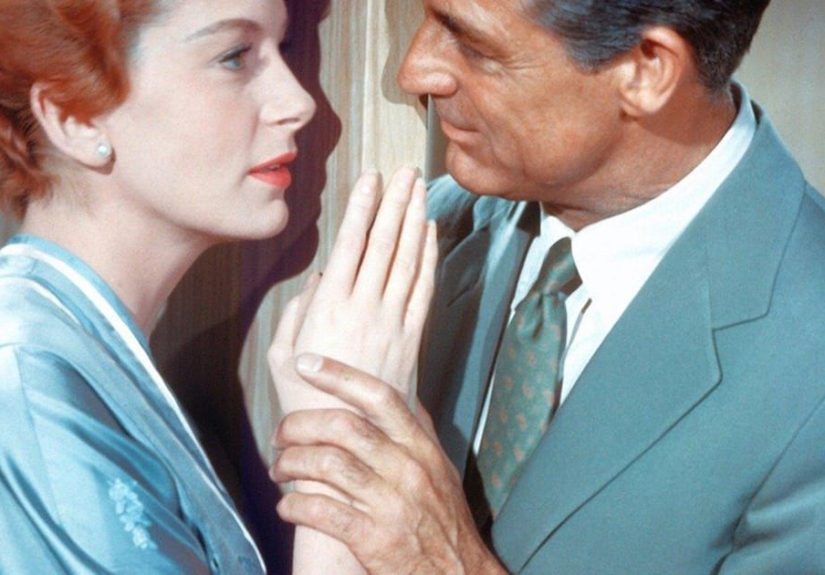
First, a quick refresher. An Affair to Remember is a 1957 American romance film directed by
Leo McCarey and starring Cary Grant as Nickie Ferrante, a charming playboy, and Deborah Kerr as
Terry McKay, a former nightclub singer trying to build a steadier life. The two meet on a transatlantic cruise,
spend a lot of time pretending they don’t like each other, and promptly fall in love anyway. The catch:
both are already attached to other people.
They make a bold pact: if they still feel the same in six months, they’ll break off their current relationships
and meet at the top of the Empire State Building. Fate then throws in a brutal twistTerry’s accident,
her secret disability, and one of the most emotionally charged “so that’s why you didn’t show up” reveal scenes
in romance history.
Fun trivia: it’s actually a remake of McCarey’s own 1939 film Love Affair, and the 1957 version
leans into lush CinemaScope visuals, sweeping music, and star power to turn a simple love story into a full-on
emotional event. It’s this combinationsimple plot, big feelingsthat keeps it so heavily ranked,
debated, and revisited.
How High Does “An Affair to Remember” Rank?
When it comes to official rankings, An Affair to Remember punches far above its modest box-office past.
The American Film Institute’s list of the greatest screen love stories slots it at an eye-catching
#5, right behind heavy hitters like Casablanca and Roman Holiday. That alone is enough
to cement its “canon” status in film history.
On curated romance lists and fan rankings, it usually lands in one of two sweet spots:
-
Top-tier classic romance: Many “greatest romantic movies of all time” lists place it
firmly in the top ten or top twenty. It regularly appears alongside titles like Gone with the Wind,
Titanic, and When Harry Met Sally… -
Beloved but slightly divisive: On more critic-leaning lists, it can slip lowerstill present,
but not always dominating the top five. Some modern rankings see it as an essential classic, yet not quite as
universally adored as newer, more grounded romances.
Even so, the fact that a 1957 melodrama shows up consistently on modern “best romance” lists says a lot.
This is a film that refuses to leave the conversation, no matter how many contemporary love stories come along.
Critics’ Lists vs. Fan Favorites
Critics are split, but respectful. Many point out that the plot is contrived, the pacing leisurely,
and the sentiment dialed up to “please hydrate before watching.” Others argue that the film’s sincerity
and restraint keep it from tipping into pure schmaltz. They highlight memorable moments: the shipboard banter,
that celebrated first kiss, and the emotional weight of the final apartment scene.
Fans, on the other hand, are often all-in. On audience-driven lists, An Affair to Remember tends to soar.
Viewers rave about the palpable chemistry between Grant and Kerr, the elegance of the cinematography,
and the way the Empire State Building meeting has become a cultural shorthand for “epic, fated love.”
In other words, critics might rank it as “important and influential,” while fans rank it as
“I’ve cried at this ending six times and I regret nothing.”
Scores and Stats: How Does It Rate Today?
To understand modern opinion, it helps to look at the numbers:
-
Critical score: On major review aggregators, the critics’ score hovers in the
“fresh but not flawless” zone. That reflects a mix of glowing praise and more tempered reviews that call out
the slow pacing and heightened sentimentality. -
Audience score: The audience rating is significantly higher than the critics’ score,
signaling that viewers, especially romance lovers, are far more forgiving of the film’s melodramatic flourishes. -
User ratings: On large movie databases, it typically lands in the 7-to-8-out-of-10 range
the sweet spot for a beloved classic that isn’t universally adored but absolutely adored by its core audience.
That critics-versus-audience gap says a lot. Critics see the craft, the flaws, and the historical context.
Audiences see a man and a woman trying to find each other again at the top of a skyscraper and think,
“Yes, I will happily cry about this every time.”
What People Love About “An Affair to Remember”
So why does this film keep ranking so high, almost seven decades later? Several factors keep it near
the top of romantic movie lists:
1. The Empire State Building Promise
The idea of promising to meet at a famous landmark in six months if your love is real is pure romantic catnip.
It’s part fairy tale, part emotional dare. That single plot device has inspired countless references,
homages, and parodies, and it still gives the movie a built-in sense of destiny.
2. Cary Grant and Deborah Kerr’s Chemistry
You could put these two in a room with nothing but a couch and a potted plant and they would still generate sparks.
Grant’s mix of charm and vulnerability paired with Kerr’s intelligence and warmth sells the story even when the
script asks you to accept some pretty big leaps of logic.
The shipboard scenes, in particular, feel playful and modern in a way many older romances don’t.
The banter is witty, the glances are loaded, and you can see exactly why these two would risk blowing up their lives
for each other.
3. The Emotional Payoff
The final act hinges on restraint. Terry hides her condition, Nickie struggles to understand what went wrong,
and the audience sits there, painfully aware of the misunderstanding. When the truth finally comes out,
the payoff is enormous. If you’re wired even slightly sentimental, this ending is engineered to crush you
in the best possible way.
4. Nostalgia and Pop-Culture Echoes
The film doesn’t live in a vacuum. It’s part of a larger romantic universe: quoted, referenced, and
reenacted in later works. When Meg Ryan and Tom Hanks make it a plot point in Sleepless in Seattle,
the movie quietly recruits an entire new generation of fans who go back to watch the original.
That pop-culture echo effect keeps the movie relevant and helps explain why it stays high on romance listseven
for younger viewers who didn’t grow up with classic Hollywood.
Common Criticisms and Why Some Viewers Don’t Rank It as Highly
For all its acclaim, An Affair to Remember is not universally beloved. Some viewers (and more than a few
critics) have serious notes:
-
Pacing: The film takes its time. Modern audiences used to snappier editing and tighter plots
may find portions of the story slow, especially in the post-accident stretch. -
Melodrama level: The story leans heavily into fate, tragedy, and noble self-sacrifice.
If you prefer your romance grounded and low-key, this one might feel over-engineered. -
Plot logic: Terry’s decision not to tell Nickie about her condition can be frustrating.
It’s dramatic, yesbut it also rests on a choice that many modern viewers find emotionally illogical or even unfair. -
Musical interludes: Some people love the songs and children’s choir; others consider those
scenes filler that slows the story down.
These critiques explain why the film’s critical score is good but not sky-high. Viewers who connect with
the emotional core are willing to overlook the contrivances; viewers who can’t get past the logic gaps
tend to rank it much lower.
So Where Should “An Affair to Remember” Rank?
If you look at the data, the film clearly belongs in the top tier of classic screen romances.
Its influence, iconic moments, and continued presence on “best romance” lists justify that AFI top-five slot.
At the same time, the critic–audience gap and the recurring complaints about pacing and melodrama mean
it may not be everyone’s personal #1.
A reasonable compromise:
- For classic Hollywood fans: Top five. Full stop. This is comfort viewing of the highest order.
-
For general movie lovers: Top ten or top twenty all-time romance feels about rightessential
homework for anyone interested in how cinematic love stories evolved. -
For viewers allergic to melodrama: You may respect its place in history but personally rank
it much lower, somewhere in the “I’m glad it exists, but it’s not for me” category.
Either way, An Affair to Remember has done something very few films manage: it has become shorthand
for romance itself. Even people who’ve never seen it know “the couple who meet at the top of the Empire State
Building.” That alone guarantees it a permanent seat at the rankings table.
Experiences with “An Affair to Remember”: How People Actually Watch It
Rankings and scores are useful, but they don’t capture how this movie actually lives in people’s lives.
An Affair to Remember isn’t just a title on a listit’s a movie that gets passed down, revisited,
and sometimes lovingly debated in living rooms and group chats.
Discovering It Through Other Rom-Coms
A surprisingly large number of modern viewers come to An Affair to Remember backwards.
They watch Sleepless in Seattle, hear the characters obsess over “that movie where they meet
at the Empire State Building,” and then go hunt down the original to see what all the fuss is about.
Their first reaction is often a mix of curiosity and culture shock: “Wait, this is slower, softer,
and way more formal than what I’m used tobut why am I suddenly emotionally invested in this cruise ship flirtation?”
By the time the film reaches its final scene, many of these first-time viewers finally understand why older generations
talk about it like a sacred text of romance.
Family Traditions and Cross-Generational Viewings
For some families, An Affair to Remember is a ritual. It’s the movie that comes out on
Valentine’s Day, anniversaries, or whenever someone needs a cathartic cry.
There’s a specific kind of shared experience that happens when grandparents, parents, and adult kids watch it together.
Older viewers reminisce about seeing it in theaters or on TV, younger viewers comment on the fashion and gender roles,
and everyone collectively holds their breath during the apartment scene. It becomes less about the film’s “objective” ranking
and more about the memories attached to it.
Streaming Nights and Group Chats
In the streaming era, classic romances like this often show up as “comfort rewatch” picks. Someone scrolling late at night
spots Cary Grant’s face, clicks play “just for a little,” and suddenly they’re halfway through the cruise section,
texting friends things like, “Okay, I get why people love this now.”
Group watches can be especially fun. Some viewers respond to the movie’s earnestness with gentle teasing
(“Why doesn’t she just text him?”), while others are full-on invested, defending every melodramatic choice
like they’re personally responsible for the Empire State Building’s lighting bill. The blend of affectionate
jokes and genuine emotion is part of how the film stays alive for new audiences.
Personal “Ranking” vs. Official Lists
Ask people to rank An Affair to Remember on a personal level, and you’ll hear a wide range of answers:
- “It’s my number one. Nothing tops it. I watch it whenever life feels too cynical.”
-
“It’s not my favorite, but I absolutely understand why it matters. It’s like the great-grandparent
of modern rom-coms.” - “It’s beautiful, but I only need to watch it every ten years because I am emotionally exhausted afterward.”
Those reactions are, in many ways, more useful than any score out of ten. They show how people are using the film:
as a comfort movie, a historical curiosity, an emotional workout, or a shared tradition. The richness of those experiences
is exactly why An Affair to Remember continues to inspire think-pieces, rankings, and late-night rewatches.
At the end of the day, its true ranking might not be on a numbered list at allit might be in the space it occupies
in people’s hearts, playlists, and streaming queues. And for a mid-century melodrama about a missed meeting on top
of a skyscraper, that’s an achievement worth remembering.