Table of Contents >> Show >> Hide
- Why campfires feel so good: your brain on firelight
- The magic of the smell of a campfire
- The music of crackling logs
- Modern versions of an ancient comfort
- Keeping the awesome safe: campfire basics
- Everyday ways to enjoy the smell and sound of a campfire
- Real-life campfire moments: of lived experience
- Why this awesome thing matters
There are a few moments in life that feel almost suspiciously perfect.
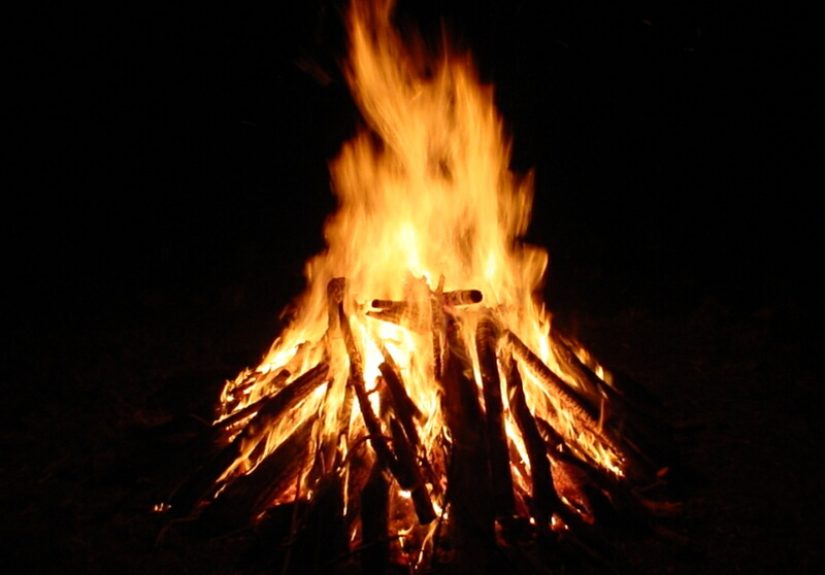
One of them is sitting by a campfire: nose full of smoky pine, ears full of soft crackles, face warmed by the flames while your back is just a little bit cold.
It’s simple, low-tech, smells like laundry day at a forest ranger’s house, and yet it hits us right in the feelings every single time.
The original “1000 Awesome Things” list celebrates tiny, everyday joys that make life better than it has any right to be, and the smell and sound of a campfire is a star player on that list.
But what exactly makes this particular awesome thing so powerful?
Why does one whiff of campfire smoke send us straight back to childhood summer nights, ghost stories, and slightly over-charred marshmallows?
Let’s poke at the coals a little: the science, the psychology, the nostalgia, and the real-life experiences that make the smell and sound of a campfire one of humanity’s favorite simple pleasures.
Why campfires feel so good: your brain on firelight
Sitting around a fire isn’t just cozy; it’s biologically familiar.
For tens of thousands of years, fire meant survival: warmth, light, cooked food, and safety from predators.
Our ancestors gathered around flames to share stories, bond with their group, and plan for tomorrow.
Today, your “predator” might just be a looming inbox, but your nervous system still reads that glow as, “You’re safe. You can relax now.”
A multi-sensory reset button
A crackling campfire quietly bombards your senses in the best possible way:
- Visual: the dancing orange flames, shifting embers, and glowing coals give your eyes something gently hypnotic to follow.
- Auditory: the pops, hisses, and crackles create a soft, irregular “white noise” that helps mask more stressful sounds.
- Olfactory: the smoky, woody scent hits your brain’s emotional centers faster than you can say “S’mores, anyone?”
- Tactile: the warmth on your face and hands adds a physical layer of comfort.
Researchers studying the health effects of firelight have found that watching a fire can lower blood pressure and help people feel calmer and more at ease.
The combination of flickering light and gentle sound encourages the brain to shift into a more relaxed, meditative state, similar to what happens during mindfulness or deep breathing.
Emotional warmth and social connection
Fire doesn’t just keep bodies warm; it warms up conversations, too.
Modern psychologists note that fireplaces and campfires are classic backdrops for connection: people sit closer, talk more honestly, and feel more bonded.
Around a campfire, eye contact is optional, which is secretly great for deep talks.
You can stare into the flames, poke the logs with a stick like a philosopher, and say the real stuff that might feel awkward across a brightly lit kitchen table.
The fire gives you something to look at, something to do, and a built-in pause button between sentences.
The magic of the smell of a campfire
Smell is the sneaky ninja of the senses.
While sight and sound take the long way around through the brain, scent takes the express route straight to regions linked with memory and emotion.
That’s why one whiff of campfire smoke can instantly teleport you back to age ten, sitting on a log in an oversized hoodie, wondering if your marshmallow is “golden brown” or “officially on fire.”
Scent-evoked nostalgia
Studies on scent-evoked nostalgia show that smells are especially good at triggering vivid autobiographical memories.
People often report that a certain scent unlocks not just a moment, but an entire scene: who they were with, how they felt, even the weather that day.
The smell of a campfire is a perfect example.
For many people, campfire smell is tied to:
- Family camping trips with parents arguing over how to pitch the tent “the right way.”
- Summer camps with off-key singalongs and counselors who definitely should not have been trusted with a guitar.
- Beach bonfires that stretched way later into the night than planned.
- Backyard fire pits where “just one more marshmallow” turned into eight.
Because these memories are often wrapped up in feelings of belonging, adventure, and simple happiness, the smell of a campfire can instantly spark comfort, optimism, and a sense of continuity with your past.
Why smelling like campfire is kind of a flex
Objectively, smelling like smoke should not be a good thing.
And yet, if you step back into a gas station late at night after sitting by the fire for hours, your smoky hoodie is basically a wearable badge that says,
“I was just outside living my best life while you were arguing with the self-checkout machine.”
Sure, you’ll spend half the next day trying to wash the scent out of your hair, car, and possibly soul.
But secretly, you’re a little sad once it’s gone.
That’s nostalgia in real time: missing a moment even as you’re scrubbing it off your jacket.
The music of crackling logs
If smell is the emotional anchor of a campfire, sound is the rhythm section.
The pops and crackles are part science, part soundtrack.
When wood burns, moisture and trapped gases inside the log expand and escape.
That pressure makes the wood fracture and pop, creating those tiny fireworks of sound.
Mixed with the softer whoosh of rising flames, you end up with a layered, organic noise pattern that feels oddly musical.
Why the sound is so soothing
The sound of a campfire is:
- Irregular but gentle: there’s no harsh rhythm to keep up with, just small surprises.
- Predictable in vibe: nothing jumps out loud enough to make you flinch, but it never goes totally silent either.
- Masking background noise: it softens the impact of wind, distant traffic, or chatty neighbors at the next campsite.
This kind of mildly unpredictable, low-intensity sound helps nudge the brain into a relaxed state.
It’s the audio equivalent of watching waves roll in or leaves rustle in the wind.
No wonder there are entire apps and videos dedicated to “campfire sounds for sleep” or “10-hour crackling fire ambience.”
Modern versions of an ancient comfort
You don’t need to hike deep into the woods to enjoy this particular awesome thing anymore.
Modern life has given us a whole menu of campfire-adjacent experiences:
- Backyard fire pits: suburban campfires where the wildest animal you’ll see is your neighbor’s golden retriever.
- Gas or electric fire tables: all of the glow, none of the rogue smoke blowing straight into your eyes.
- Streaming “campfire” videos: for apartment dwellers whose landlords feel “fun” is a fire hazard.
- Sound and smell combos: candles and essential oils with “campfire” or “wood smoke” notes, paired with audio tracks of crackling logs.
These modern twists aren’t a perfect substitute for the real thing, but they still tap into that primal comfort of “warm light + soft sound = safe and cozy.”
Keeping the awesome safe: campfire basics
Of course, with all this glowing praise, it’s worth remembering that fire is still… well, fire.
To keep the awesome and lose the emergency-room potential, a few simple rules go a long way.
Smart campfire habits
- Use designated fire pits or rings whenever possible instead of building a fire on dry ground.
- Check local rules and fire bans before lighting anything, especially in dry or windy conditions.
- Keep your fire small and manageableyou’re not auditioning to become a volcano.
- Have water and a shovel nearby so you can put the fire out quickly if needed.
- Never leave a campfire unattended, even for “just a minute.” That minute has a sense of humor.
- Drown, stir, and repeat when extinguishing: soak the coals, stir the ashes, and soak again until everything is cool to the touch.
Respecting the power of fire doesn’t make it less magical.
If anything, it lets you enjoy more nights under the stars without worrying that your favorite campsite will become a cautionary tale.
Everyday ways to enjoy the smell and sound of a campfire
Can’t head out on a camping trip every weekend?
You can still bring a little bit of campfire magic into ordinary life:
- Plan a backyard “mini-camp” night with a portable fire pit, hot dogs, and a strict “no phones for one hour” rule.
- Pair a campfire-scented candle with a crackling-fire sound playlist while you read or journal.
- Host a s’mores-only gathering where dessert is the activity.
- Use a fire table on a balcony or patio if open flames and smoke aren’t an option.
The goal isn’t to perfectly re-create a wilderness trip; it’s to borrow a bit of that feeling: the slowness, the connection, and the sense that right now, in this moment, there is nowhere else you really need to be.
Real-life campfire moments: of lived experience
Ask ten people what they love about campfires, and you’ll get ten different stories that all smell faintly of smoke.
The “first fire of the season” feeling
Picture early fall.
The air is cool enough that you can finally see your breath if you try hard, and everyone is pretending they’re not thrilled to break out the hoodies again.
Someone suggests, “We should do a fire tonight,” and within an hour there’s a small crowd in the backyard, chairs pulled into a loose circle.
The first log catches, and the flames climb slowly, like they’re stretching after a long nap.
People wander in and out of the circle, bringing blankets, mugs, and questions like, “Okay, so what’s everyone’s most chaotic camping story?”
Laughter starts out polite and ends up “I can’t breathe” loud.
By the time the fire settles into that steady, glowing rhythm, the group has gone from small talk to “So here’s what I’m actually worried about lately…”
The kids’ campfire
Then there’s the kids’ version: pure chaos with marshmallows.
A parent announces, “We’re doing s’mores!” and suddenly every child within a three-house radius can teleport.
Skewers are handed out like tiny medieval weapons.
There is always one kid determined to set their marshmallow directly in the center of the hottest flame possible, and another who rotates theirs with surgical precision, achieving a perfect golden shell that belongs on a magazine cover.
Inevitably, at least one marshmallow ignites.
The child shakes the stick like a sparkler, adults shout “Don’t wave it! Blow! Blow!” and everyone ends up laughing.
The smell of sugar and smoke blends into something that will live forever in those kids’ memories as “summer.”
The late-night heart-to-heart
As the night wears on and the crowd thins, the campfire becomes a confession booth with better lighting.
The flames die down to glowing embers; the sound shifts from energetic pops to soft, occasional crackles.
This is when the real talks happen.
Friends share worries they’ve been carrying alone, couples talk through plans, siblings swap stories they never told their parents.
The darkness outside the circle makes the space inside feel extra safe, like the fire has drawn an invisible boundary around your little patch of the universe.
You notice how the smoke curls up into the night sky, carrying your words away.
There’s a strange comfort in that: the sense that the fire has listened and will keep your secrets.
The morning-after campfire
The next morning, you unzip the tent or step out the back door and catch that faint leftover smell: cold ashes, damp wood, a hint of last night’s smoke hanging in the air.
The fire pit is a mess of gray, with a few stubborn blackened chunks of wood that look like they’re still thinking about burning.
Even though the fire is out, the scent is still there, soft and lingering.
It’s like a little time capsule of the night beforelaughter, stories, burnt marshmallows, and the feeling of being exactly where you were meant to be.
You toss some fresh logs on, spark the fire back to life, and make coffee over the coals.
The smell of campfire mixes with the smell of brewing coffee and pine or damp earth, and suddenly you understand why people voluntarily sleep on the ground for fun.
Why this awesome thing matters
In a world buzzing with notifications, streaming queues, and to-do lists that breed overnight, a campfire is unapologetically slow.
It forces you to sit, stare, and listento the flames, to the people around you, and maybe to yourself.
The smell and sound of a campfire aren’t just pleasant; they’re a bridge between our ancient past and our stress-heavy present, between childhood memories and adult responsibilities, between “I’m busy” and “I’m here.”
That’s why this little slice of sensory magic absolutely earns its place on any list of “awesome things.”
It’s not just about burning logs.
It’s about the way that simple combination of smoke and sound can make life feel warmer, slower, and a little more meaningfulone crackle at a time.
SEO JSON