Table of Contents >> Show >> Hide
- What “snow stepping” really means (and why it deserves its own number)
- The tiny physics behind the big “ahhh”
- Why it feels so good: the psychology of tiny winter wins
- Snow stepping in real life: where it shows up (and shines)
- Do it safely: awesome shouldn’t end in a wipeout
- Make it even more awesome: snow stepping upgrades
- Snow stepping as a metaphor (yes, we’re going there)
- FAQ
- Conclusion
- Extra: of Snow-Stepping Experiences
There are winter people and there are “winter people.” The first group owns three different insulated jackets and says things like,
“It’s not coldyour mindset is cold.” The second group is just trying to get to the mailbox without losing circulation.
And somehow, snow stepping is the rare, diplomatic treaty between both groups: a tiny, oddly satisfying winter hack
that makes trudging through snow feel less like a chore and more like a secret level you just unlocked.
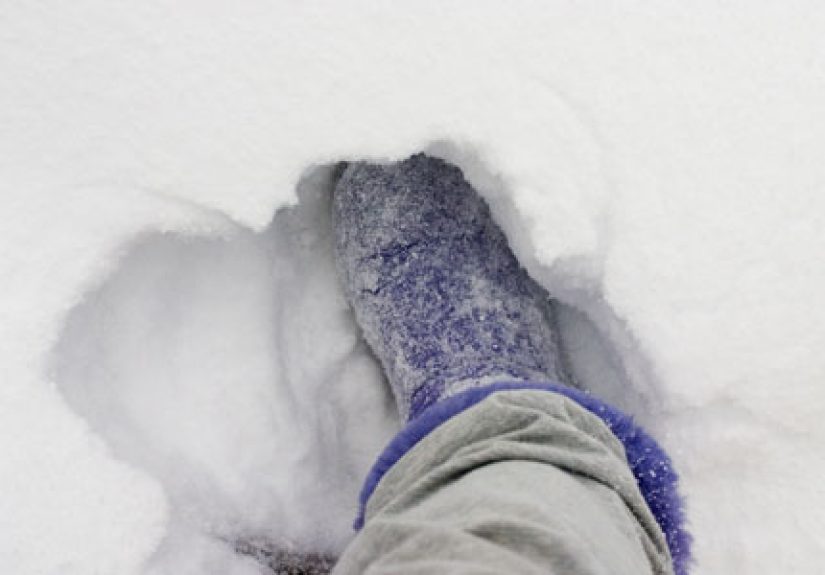
In the 1000 Awesome Things universe, #868 “Snow stepping” is the simple joy of walking behind someone in boots while you’re
in regular shoesthen stepping perfectly into the neat snow holes they’ve already carved out for you. It’s basically “follow the
leader,” but the prize is dry socks and a little dignity.
What “snow stepping” really means (and why it deserves its own number)
Let’s define it clearly, because winter will absolutely exploit loopholes. Snow stepping is when someone ahead of you
is wearing boots and leaving deep, stable footprints, and youwearing less aggressive footwearstep directly into those existing prints.
You’re not breaking trail. You’re not postholing. You’re not inventing new ways to pack snow into your shoes like a smug little ice cream
scoop. You’re simply using the pre-installed “footpath” someone else already made.
If you’ve ever tried walking through fresh snow in sneakers, you know the emotional arc: confidence → regret → bargaining → wet toes →
acceptance. Snow stepping interrupts that arc with a small miracle: effort reduction and stabilitythe two things winter
tries to take from you the moment you walk outside.
The tiny physics behind the big “ahhh”
Bootprints are basically DIY sidewalks
Snow is a layer of ice grains plus air, and it behaves differently depending on temperature, humidity, and how packed down it is. When a boot
compresses the snow, it squishes those grains together, creating a firmer surface. That means your next step is less likely to sink, slide, or
drag like you’re trudging through a bowl of powdered sugar with a personal vendetta.
Translation: the person in front is doing the expensive work (breaking trail), while you get the benefits (easier, cleaner steps). It’s the
closest most of us will come to having a winter sherpa on retainer.
Crunch, squeak, hush: snow is an audio engineer
Snow is also weirdly dramatic about sound. When you step on colder snow, you often get that classic crunchthe satisfying, potato-chip
soundtrack of winter. That sound comes from compressing ice grains so they rub, resist, and fracture against each other. When snow is closer to
melting, there’s more liquid water acting like a tiny lubricant, so the noise can soften or disappear. Sometimes, instead of crunching, you get
the famous squeaka higher-pitched sound often linked to very cold, dry snow conditions.
But here’s the twist: snow can be loud under your feet and make the whole world quieter. Fresh, fluffy snow is porousfull of air pockets
which helps absorb and dampen sound waves. That’s why after a fresh snowfall, neighborhoods can feel like someone put the world on “mute” (in a good way).
Snowflakes aren’t just prettythey’re architecture
Snow stepping feels great partly because you’re interacting with a structure that’s been built in layers. Snow crystals form in clouds below freezing,
growing into different shapes depending on temperature and humidity. That’s why some snow is powdery and some is wetter and heavier. When a boot steps down,
it’s not just “snow” anymoreit’s a compacted little platform made from those crystals and the air between them. In other words: snow stepping is you using
nature’s temporary construction project without having to file a permit.
Why it feels so good: the psychology of tiny winter wins
Micro-ease, macro-mood
There’s a reason a small convenience can feel huge in bad weather. Winter adds friction to everything: getting dressed, getting out the door, getting to the car,
getting your fingers to work again. Snow stepping removes a little of that friction. Your brain notices. It’s a quick hit of “I’ve got this,” even if the only thing
you’ve got is your heel perfectly aligned with a boot print.
Add the fact that you’re outsidebreathing cold air, seeing bright snow, moving your bodyand the experience can feel surprisingly restorative. A growing body of
research (and plenty of health organizations) links time in nature with benefits for mood, stress, attention, and overall well-being. Snow stepping is a tiny doorway
into that “outside time,” even if you’re just walking from your apartment to the subway like a slightly anxious penguin.
It’s also secretly social
Snow stepping is an unspoken team activity. Someone else made the path. You follow it. Maybe you even speed up a little to keep the prints “fresh” before wind fills
them in. It’s coordination without conversationone of those quiet, winter-only moments of shared humanity that says, “Yep, we’re all dealing with this.”
Snow stepping in real life: where it shows up (and shines)
- The morning commute: You’re late, the sidewalks are half-plowed, and the boot-print trail is basically public transit for your feet.
- School drop-off: Parents in boots create a steady path while kids in questionable shoes hop along like tiny, determined rabbits.
- Dog walks: Your dog is thrilled; you’re negotiating with the universe; snow stepping lowers the negotiation fees.
- Parking lots: The most chaotic winter biomewhere boot prints are survival clues and slush is a hostile liquid.
- Neighborhood strolls: The quiet after snowfall plus the rhythm of stepping can feel unexpectedly peaceful.
Do it safely: awesome shouldn’t end in a wipeout
Use the “penguin walk” when it’s slick
Snow stepping is helpful, but it’s not a force field. Ice can hide under snow, and compacted footprints can become slick. Many safety experts recommend taking
shorter steps, moving slower, and keeping your center of gravity over your feetoften described as “walking like a penguin.” It’s not glamorous, but neither is
doing an accidental split in front of your mail carrier.
Footwear matters more than optimism
If you live where snow is common, consider boots with real traction and insulation. If you don’t, at least avoid smooth soles when it’s icy. And if your shoes are
already soaked, swap into dry socks as soon as possiblecold plus wet is where discomfort starts training for a bigger role.
Know when cold stops being “cute”
Snow stepping is a joy, but extreme cold can be serious. Dress in layers, cover exposed skin, and pay attention to warning signs of cold-related injuries. If you’re
going out for longer than a quick walk, plan like a grown-up: warm hat, gloves, and a backup layerbecause winter loves plot twists.
Make it even more awesome: snow stepping upgrades
Be the boot hero (on purpose)
If you’re the one in boots, you can create a slightly wider, more stable trackespecially on narrow sidewalks or unplowed paths. You don’t have to march like you’re
reenacting an expedition, but a steadier trail can quietly help others: kids, older neighbors, anyone carrying groceries, anyone whose shoes are more “fashion” than “function.”
Build a two-lane trail
When you’re walking with someone, make parallel tracks so both of you can snow step comfortablylike you’re designing a tiny winter highway. It’s polite. It’s efficient.
It’s also the closest you’ll get to being a civil engineer before coffee.
Snow stepping as a metaphor (yes, we’re going there)
Snow stepping is one of those everyday moments that quietly hints at a bigger truth: sometimes the best way forward is easier because someone else already did the hard part.
You’re following a path, learning the terrain, and saving energy. And on the days you’re the one with bootsstronger footing, better gear, more experienceyou can leave a
trail that makes life a little easier for the person behind you.
It’s not deep. It’s not fancy. It’s just… awesome. Which is kind of the whole point.
FAQ
Is snow stepping “allowed,” or is it weird?
It’s normal, common, and basically how humans have moved through snow forever. If you’re on someone’s private property, be respectful. On public sidewalks and trails,
stepping in existing prints is standard winter behaviorlike complaining about wind chill.
Why does snow sometimes crunch and sometimes squeak?
Snow sound changes with temperature and moisture. Colder, drier snow tends to produce louder crunching or squeaking as ice grains compress and rub without much liquid water
to soften the friction. Warmer snow closer to melting can sound quieter because the grains slide more easily.
Why does it get so quiet after a fresh snowfall?
Fresh, fluffy snow has lots of air pockets, which helps absorb sound waves. That’s why everything can feel calmer and quieter after snow settlesuntil the plows show up and
the neighborhood soundtrack becomes “industrial remix.”
Conclusion
#868 Snow stepping is proof that winter doesn’t only hand out inconveniences. Sometimes it also delivers a small, ridiculous delight: a ready-made path, a satisfying crunch,
and a smoother walk that feels like getting away with something. It’s a tiny joy, surebut it’s also a reminder that the “awesome” moments are often hiding in plain sight,
right there in the next footprint.
Extra: of Snow-Stepping Experiences
Experience 1: The Morning Sidewalk Relay. You step outside and the cold air instantly clears your brain like someone hit “refresh” on your face. The sidewalk
is covered in fresh snowunshoveled, untouched, and quietly judging your footwear. Then you see them: a line of deep boot prints leading toward the corner. Not just prints,
but a route. You lock onto it like a guided tour. Each step lands neatly inside a pre-made snow pocket, and the difference is immediate. Instead of sinking and sliding,
you’re moving with rhythm. Crunch. Step. Crunch. Step. Your shoulders drop. Your pace steadies. You’re still cold, but now you’re cold with purpose.
Experience 2: The Grocery Bag Victory Lap. You’re coming back from the store with two bags that are both heavier than they looked in the aisle. The parking lot
is a slushy obstacle course. Your options are: (a) shuffle like a scared crab, or (b) find the boot trail cutting between cars like a secret corridor. You choose the trail.
Every boot print is a stable landing pad. Your bags swing less. Your balance improves. You feel like a winter action hero whose special power is “not falling.” When you reach
your building, you realize snow stepping didn’t just help your feetit saved your groceries from becoming a dramatic, slow-motion documentary called Oranges on Ice.
Experience 3: The Kid Shortcut. A kid in puffy jacket and bright hat spots the boot prints and immediately commits. They hop from print to print like it’s a
game show and the grand prize is hot chocolate. Their grown-up tries to keep up, half laughing, half negotiating: “Okay, yes, those are good stepsno, don’t step on the
moundyes, that one is safeplease stop sprinting.” Snow stepping turns a cold walk into play, which is basically childhood’s superpower: transforming inconvenience into entertainment.
Experience 4: The Quiet Block. After a fresh snowfall, everything sounds different. Traffic seems far away. The air feels softer. You follow a boot trail down a
residential street, and your footsteps become the loudest thing you hearsteady crunches that make the moment feel almost cinematic. You notice little details you’d normally miss:
snow dusting tree branches, the clean geometry of rooflines, a mailbox wearing a tiny white hat. Snow stepping gives you a reason to slow down and pay attention, and suddenly the
walk isn’t just “getting somewhere.” It’s a mood reset.
Experience 5: Becoming the Trail. One day you’re the person in boots. The snow is deeper than usual, and you can feel the resistance with each step. Still, you
push forwardpartly because you have to, partly because it’s weirdly satisfying to be the one making the path. Later, you glance back and see a second set of steps perfectly
nested inside yours. Someone followed your track. Someone had an easier time because you went first. And for a brief moment, winter feels less like a battle and more like a
shared project: one footprint at a time.