Table of Contents >> Show >> Hide
- 1. Know How to Dress in Layers, Not Just “Dress Warm”
- 2. Learn How to Drive on Snow and Ice Without Acting Brave
- 3. Know How to Winterize Your Car
- 4. Know How to Winterize Your Home and Heat It Efficiently
- 5. Know How to Prevent Frozen Pipes and Carbon Monoxide Problems
- 6. Know How to Read Winter Weather Alerts and Plan Ahead
- 7. Know How to Recognize Cold-Weather Health Risks
- Final Thoughts
- Cold-State Experience: What Living It Actually Feels Like
Moving to a cold state sounds romantic until your eyelashes freeze, your driveway becomes a skating rink, and you realize “layer up” is not just friendly small talk. Whether you are heading to Minnesota, Colorado, Michigan, Maine, Alaska, or anywhere that treats winter like a competitive sport, cold weather asks you to learn a new set of life skills fast.
The good news is that you do not need to become a rugged mountain philosopher overnight. You just need to know how to handle the basics: how to dress, drive, heat your home, protect your pipes, read the weather, and keep your body from filing a formal complaint. Once you get those down, life in a cold state can be beautiful, efficient, cozy, and even fun. Yes, fun. That is not winter propaganda. It is just what happens when you stop fighting the season and start working with it.
Here are the seven things you should know how to do when moving to a cold state, plus the real-life experience lessons that no one tells you until you are scraping ice off a windshield with a loyalty card from the grocery store.
1. Know How to Dress in Layers, Not Just “Dress Warm”
One of the biggest rookie mistakes when moving to a cold climate is thinking one giant coat solves everything. It does not. If your outfit underneath is wrong, that expensive parka becomes an overpriced emotional support blanket.
The better strategy is layering. Think of your winter clothing in three jobs:
- Base layer: Pulls moisture away from your skin.
- Middle layer: Holds heat, usually fleece, wool, or insulated fabric.
- Outer layer: Blocks wind, snow, and moisture.
This matters because cold is annoying, but cold plus sweat is a full betrayal. If you get damp from walking, shoveling, or hauling boxes into your new place, your body can lose heat much faster. That is why smart winter dressing is less about looking bulky and more about staying dry, covered, and flexible.
What to prioritize
- A warm hat that actually covers your ears
- Insulated gloves or mittens
- Water-resistant boots with traction
- Thermal socks, preferably wool or a moisture-wicking blend
- A scarf or face covering for windy days
And yes, you need indoor winter clothes too. Cold states love drafty entryways, chilly basements, and floors that feel like refrigerated punishment. Keep house slippers, warm socks, and a comfortable sweater within easy reach. Winter is not one outfit. It is a costume department.
2. Learn How to Drive on Snow and Ice Without Acting Brave
If you are moving from a warm climate, winter driving is probably the skill with the steepest learning curve. Snow driving is not regular driving with prettier scenery. It is slower, more deliberate, and far less forgiving.
The first rule is simple: go slower than you think you need to. Ice and packed snow reduce traction, increase stopping distance, and punish sudden movements. Fast acceleration, hard braking, and aggressive steering are basically invitations for your car to begin interpretive dance.
Cold-state driving habits worth learning immediately
- Accelerate and brake gently
- Leave more following distance than usual
- Clear all snow and ice from your windows, roof, lights, and mirrors
- Check road conditions before you leave
- Skip unnecessary trips during storms
Also, practice in an empty snowy parking lot if conditions are safe and legal. Learn how your car feels when traction drops. Figure out how anti-lock brakes behave. Understand how long it actually takes to stop. A little low-stakes practice can save you from a high-stress surprise later.
If your new state gets serious winter weather, consider whether snow tires make sense for your area and driving habits. They can improve traction significantly in sustained cold, snowy, or icy conditions. At the very least, keep your tires in good shape and check tread depth before winter gets bossy.
3. Know How to Winterize Your Car
Your car does not magically become winter-ready because you moved somewhere with nice pine trees and scenic cabins. Cold weather affects battery performance, tire pressure, visibility, fluids, and traction. In other words, winter will inspect your maintenance habits whether you volunteered or not.
Before deep winter hits, take care of these basics
- Have the battery tested, especially if it is older
- Check tires and tire pressure regularly
- Top off antifreeze and windshield washer fluid rated for freezing temperatures
- Replace worn wiper blades
- Keep your gas tank from getting too low
Then build a winter emergency kit for your vehicle. This is not pessimism. This is cold-state common sense.
What your winter car kit should include
- Blankets or a sleeping bag
- Extra gloves, hat, and socks
- Flashlight and batteries
- Phone charger or power bank
- Water and high-calorie snacks
- First aid kit
- Ice scraper and snow brush
- Small shovel
- Jumper cables
- Sand, cat litter, or traction aid
If you do get stranded, staying with your vehicle is usually safer than trying to wander off in low visibility or bitter cold. A car is easier for rescuers to find than a person wearing six layers and regret.
4. Know How to Winterize Your Home and Heat It Efficiently
Moving to a cold state means your relationship with your thermostat is about to become emotionally complicated. Heating bills can jump quickly, especially if your place leaks warm air like it is trying to heat the neighborhood.
Start by checking for obvious drafts around windows and doors. If you can feel cold air sneaking in, you are paying to warm the outdoors. Air sealing, caulking, and weatherstripping can make a real difference in comfort and cost.
Home winterizing basics that pay off
- Seal gaps around doors and windows
- Use weatherstripping where needed
- Close or insulate obvious draft points
- Schedule heating system maintenance
- Change HVAC filters on schedule
- Use a programmable or smart thermostat wisely
Many homeowners are surprised to learn that even modest thermostat adjustments can help save energy. If your system is conventional, lowering the temperature while you sleep or while you are away can reduce bills. The trick is being sensible, not heroic. This is not a contest to see who can make soup indoors while wearing mittens.
If your new place has a fireplace, wood stove, radiators, baseboard heat, or a heat pump, learn how that system actually works before the coldest week of the year arrives. Winter is a bad time to meet your heating system for the first time like awkward coworkers at an emergency meeting.
5. Know How to Prevent Frozen Pipes and Carbon Monoxide Problems
This is where winter stops being quaint and starts getting expensive. Frozen pipes can burst, flood walls, and turn “cozy first home” into “unexpected renovation project.” Carbon monoxide problems are even more serious because they can become life-threatening fast.
How to help prevent frozen pipes
- Pay attention to pipes in unheated spaces like basements, garages, attics, and crawl spaces
- Open cabinet doors under sinks on very cold nights to let warmer air circulate
- Seal cold drafts near plumbing
- Disconnect outdoor hoses when appropriate
- Let faucets drip slightly during extreme cold if local guidance or your landlord recommends it
If a cold snap is coming, do not wait until the pipes sound weird and your kitchen becomes a suspense film.
Just as important: carbon monoxide safety
When winter storms hit, people use furnaces, fireplaces, space heaters, and generators more often. That is exactly why carbon monoxide safety matters so much in cold weather. Install and test carbon monoxide alarms, especially near sleeping areas. If snow piles up around vents or exhaust outlets, clear them safely. Never run a generator inside your home, basement, or garage, even if the door is open. And never use an oven to heat your house.
If anyone in the home has symptoms like headache, dizziness, weakness, nausea, confusion, or unexplained fatigue while heating equipment is running, take it seriously. Fresh air and emergency help beat guessing games every time.
6. Know How to Read Winter Weather Alerts and Plan Ahead
In a cold state, weather is not background scenery. It is part of your weekly planning, your commute, your grocery run, and occasionally your personality. Learning the difference between “a little snow” and “this should have been a canceled plan” is a survival upgrade.
Start checking forecasts the night before and again before you leave. Pay attention to temperature, wind chill, snow totals, ice risk, and timing. A day that looks manageable at noon may be a mess by rush hour.
Cold-state habits that make life easier
- Keep your phone weather alerts turned on
- Follow local forecasts, not just generic national apps
- Shop before storms, not during them
- Keep a few days of food, water, medications, and essentials at home
- Tell someone your route if you are driving in poor conditions
Also, learn the local culture around storms. In some places, three inches of snow means business as usual. In others, half an inch of ice means the entire region enters group-text mode. Context matters. Talk to neighbors, coworkers, and locals. They will tell you which roads ice first, which parking lots never get plowed well, and which forecasts deserve your respect.
7. Know How to Recognize Cold-Weather Health Risks
Cold weather can be dangerous long before it feels dramatic. Frostbite and hypothermia are not rare, theatrical events reserved for mountain expeditions. They can happen during ordinary things like shoveling, walking the dog, waiting for roadside help, or standing outside too long in wet clothes.
Watch for frostbite warning signs
- Numbness
- Skin that looks pale, hard, or waxy
- Stinging or loss of feeling in fingers, toes, ears, nose, or cheeks
Watch for hypothermia warning signs
- Shivering
- Confusion or sleepiness
- Slurred speech
- Clumsiness
- Extreme fatigue
If someone may have hypothermia, get them somewhere warm, remove wet clothing, and get medical help right away. If you suspect frostbite, rewarming and medical evaluation matter. Do not rub the skin like you are trying to polish it back to life.
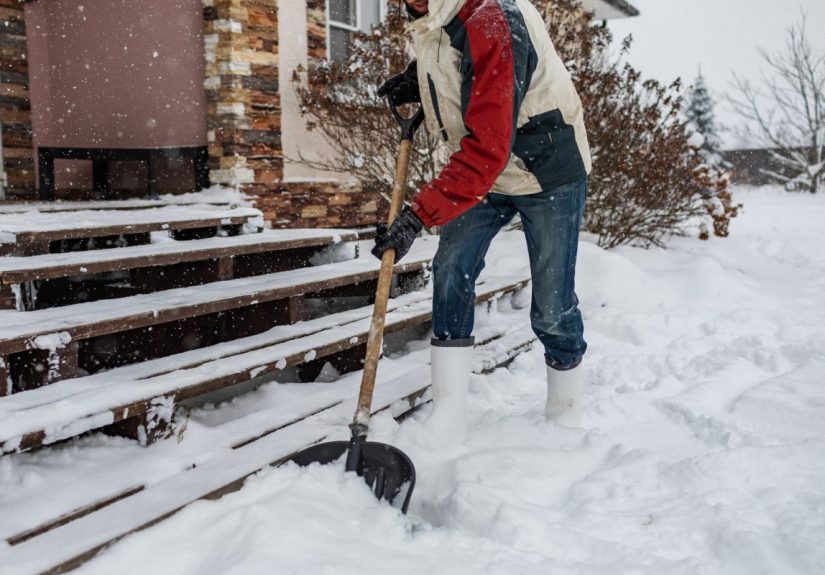
There is another health risk people underestimate: snow shoveling. It looks harmless because it is common, but it can be intense physical work in freezing air. Pace yourself, push snow when possible instead of lifting it, take breaks, and stop if you feel chest pain, dizziness, shortness of breath, or anything that feels wrong. Winter has a funny way of turning “I’ll just clear the walkway real quick” into a cardio event nobody prepared for.
Final Thoughts
Moving to a cold state is not just a change of address. It is a lifestyle adjustment. The people who handle winter best are not always the toughest. Usually, they are the most prepared. They know how to dress for changing conditions, keep their home and car ready, watch the forecast, and respect the fact that cold weather can be beautiful and dangerous in the same afternoon.
The upside is that once you learn these skills, winter gets a lot less intimidating. You stop seeing snow as a hostile force and start seeing it as something you know how to manage. Then one day, without warning, you will become the person telling a newcomer, “Make sure you keep a shovel in your trunk,” with the calm confidence of someone who has seen things.
Welcome to cold-state living. May your pipes stay unfrozen, your boots stay dry, and your windshield scraper always be exactly where you thought you left it.
Cold-State Experience: What Living It Actually Feels Like
The practical tips are important, but the real education begins after you move. The first winter in a cold state teaches you things in a way no checklist can. For example, you do not truly understand the value of good boots until you try walking across a parking lot in stylish shoes with the traction of a buttered dinner roll. Suddenly, practical footwear becomes deeply attractive.
There is also a strange emotional journey that happens with daylight, routines, and outdoor chores. In warm climates, leaving the house can feel casual. In a cold state, it becomes a mini-operation. You check the forecast. You find gloves. You debate whether the thick coat is too much for the car ride but not enough for the wind. You wonder where your hat went, even though winter has trained you to own seventeen hats.
Then there is the first time you wake up early to a silent snowfall. That moment can be magical. The street looks softer, the world seems quieter, and for five whole minutes winter feels like a greeting card. Then you realize you have to shovel the driveway, clean off the car, and drive to work like a responsible adult in conditions that look better suited to a snow globe. That is cold-state life in one scene: beauty followed by logistics.
Another experience people do not expect is how much winter changes your sense of time. A ten-minute drive is no longer a guaranteed ten-minute drive. You start building in buffer time for scraping ice, warming up the car, and moving carefully on side streets. You become weirdly proud of having snacks, blankets, and an ice scraper in the trunk. Preparedness stops feeling dramatic and starts feeling normal.
There is also a social side to cold places that newcomers often grow to love. Neighbors talk about storm timing, road conditions, and snow totals like seasoned analysts. Coworkers share advice about boots, tires, and the best gloves for using your phone outside. Someone always knows which grocery store gets wiped out before a storm and which one still has bread and milk after everyone else has gone into weather-fueled panic mode.
And strangely enough, winter can make home feel better. A warm drink tastes more rewarding. A heated room feels like an accomplishment. Blankets become part of the decor and the lifestyle. You start understanding why people in cold states care so much about insulation, soup, and entryway organization. When the weather outside is making threats, a well-run home feels like a small kingdom.
By the second or third round of real winter weather, something shifts. You stop feeling ambushed by the season. You start moving through it with more rhythm. You know when to top off the washer fluid, when to bring in packages quickly, when to let the faucet drip, and when to cancel plans because the roads are simply not worth proving a point. That confidence is the real milestone. It means you are no longer just surviving winter. You are participating in it.
So yes, moving to a cold state comes with a learning curve. But it also comes with new skills, stronger habits, and a surprising amount of satisfaction. Winter demands effort, but it rewards competence. And nothing feels quite as triumphant as stepping inside after a freezing day, peeling off your layers, and knowing you handled it like a local.