Table of Contents >> Show >> Hide
Fall has a way of turning perfectly reasonable gardeners into cleanup maniacs. One cool weekend arrives, and suddenly everyone is out there with pruners, leaf bags, and the kind of determination usually reserved for tax season. But if you want a more bird-friendly garden, this is one moment when doing a little less can actually do a lot more.
Birding experts, native plant advocates, and university extension pros all tend to agree on one big point: a garden that keeps its seed heads, berries, stems, and grasses standing into fall and winter offers real value to birds. That value is not just decorative, although a frost-covered seed head does deserve its own fan club. It is practical. Birds use these plants for food, cover, shelter from wind, safer movement through the landscape, and access to insects that linger in stems, leaf litter, and surrounding plant debris.
In other words, your “messy” fall garden might actually be the neighborhood’s best winter café.
The smartest approach is not to leave absolutely everything untouched forever. It is to be strategic. Keep the plants that produce seeds birds can eat, berries that persist into colder months, and dense growth that gives birds a place to perch or hide. Native species are especially useful because they support the insects, fruits, nectar, and shelter local birds already recognize and depend on.
Below are seven bird-friendly plants experts say are worth leaving in your garden this fall, along with tips for making them work in a real backyard instead of some fantasy landscape where nobody owns a rake.
Why Leaving the Right Plants Matters in Fall
When summer flowers fade, many gardens seem to lose their purpose. For birds, that is often when the buffet starts getting interesting. Seed heads on coneflowers, black-eyed Susans, and sunflowers can feed finches and other seed-eaters. Berry-producing shrubs such as winterberry and viburnum can carry fruit well into late fall or winter. Native grasses add both seeds and structure, which matters when birds need quick cover from weather or predators.
There is also a second layer of value that many gardeners miss. A bird-friendly garden is not just about feeding adult birds directly. Native plants support insects, and insects support birds. Even in cooler months, the habitat created by standing stems, sheltered leaf litter, and layered plantings helps sustain the tiny creatures that keep the backyard food web working.
So yes, leaving these plants standing can help birds eat. It can also help them survive, rest, and move through your yard with less stress. That is a pretty good return for not overachieving with the pruning shears.
7 Bird-Friendly Plants Pros Say You Should Leave in Your Garden This Fall
1. Purple Coneflower
Purple coneflower is one of the easiest wins in a bird-friendly garden. It is attractive in summer, sturdy in fall, and useful long after the petals are gone. Once the flowers dry, the spiky seed heads become a favorite snack station for small birds, especially finches. If you have ever seen a goldfinch balancing on a dried coneflower head like it is performing a tiny circus act, you already understand the appeal.
Leaving coneflowers standing through fall gives birds access to those seeds while also preserving vertical structure in the garden. The stems add texture, and the seed heads hold up beautifully after frost. In a mixed border, they pair well with asters and native grasses for a layered habitat effect.
Best tip: skip deadheading in late summer and early fall if your goal is wildlife support. You can always cut plants back in late winter or early spring once birds have had their turn.
2. Black-Eyed Susan
Black-eyed Susan is cheerful, reliable, and unexpectedly generous once the growing season starts to wind down. Those dark central cones are full of seeds that birds can feed on in the colder months. Goldfinches are especially known for enjoying them, but they are not the only visitors.
This plant also earns points for being adaptable and easy to tuck into pollinator gardens, meadow-style plantings, and casual cottage borders. If you leave the flower heads intact instead of cutting them down for a tidy look, you extend the plant’s usefulness well beyond bloom time. The result is a garden that keeps working after summer color has faded.
Best tip: plant black-eyed Susans in drifts rather than as lonely singles. A cluster looks better, feeds more birds, and makes your fall garden feel intentional instead of abandoned.
3. Sunflowers
Sunflowers are basically the deluxe bird feeder of the plant world. During bloom, they support pollinators. Once the seed heads dry, they become irresistible to birds looking for high-energy food. Leaving sunflower heads standing in fall is one of the most direct ways to turn your garden into a feeding site.
Native or wildlife-friendly sunflowers tend to work especially well because they fit naturally into habitat plantings, but even ornamental types can offer value if they produce viable seed. Large heads are visually bold in the garden and continue to draw attention even after the petals have fallen.
Best tip: let the heads dry fully on the stalk whenever possible. If the stems flop dramatically, that is not failure. That is just your sunflower entering its “all-you-can-eat buffet, open now” phase.
4. Asters
Asters are stars of the late-season garden for more than one reason. Their flowers bloom at exactly the moment many landscapes start to fade, which makes them important for pollinators and useful for birds during fall migration. Later, if you leave the plants in place, developing seeds and dried stems continue to add habitat value.
New England aster, smooth aster, and other native types are especially worthwhile because they combine seasonal color with ecological usefulness. In design terms, asters are also excellent transition plants. They bridge the bright bloom season and the seed-head season with almost unfair efficiency.
Best tip: use asters near coneflowers and grasses for a long-performing border. The flowers bring life in early fall, and the seed-rich structure helps extend interest into winter.
5. Winterberry Holly
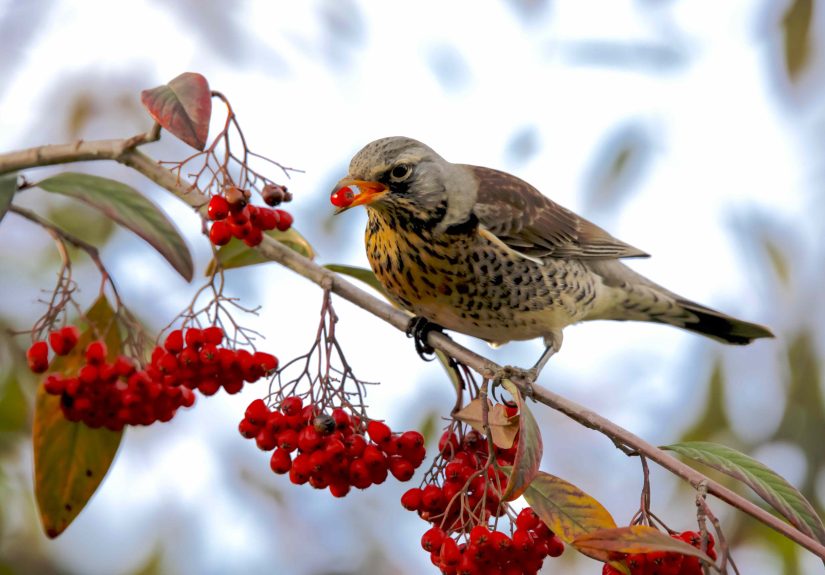
If your garden needs a dramatic fall-and-winter shrub, winterberry holly deserves a serious look. Once it drops its leaves, the branches are covered with bright berries that can persist into the cold season and serve as food for birds. It also offers cover and nesting value in the broader landscape.
Winterberry is especially useful in wetter spots where other shrubs may complain and sulk. Rain gardens, edges of ponds, and consistently moist areas are all promising locations. It is also a smart choice for gardeners who want bird-friendly benefits without relying only on flower borders.
Best tip: remember that winterberry needs a compatible male pollinator nearby for female plants to produce berries. No pollinator, no berry show, and that is a disappointing plot twist for both gardeners and birds.
6. Viburnum
Viburnums are workhorse shrubs that do a little bit of everything. Many species produce fruit that birds love, and several native viburnums also support butterflies and other beneficial insects. That means viburnum contributes to the garden’s food web in more than one season.
Nannyberry, mapleleaf viburnum, and other regionally native options are especially strong choices for bird-friendly planting. In practical terms, viburnums bring form, seasonal color, flowers, and fruit, which makes them feel less like a wildlife compromise and more like an upgrade. They help fill the middle layer of the garden, where birds often want cover and quick movement between open space and taller trees.
Best tip: choose a viburnum species native to your area and give it the site it prefers. Some like more sun, others tolerate shade, and fruiting can improve when compatible plants are nearby.
7. Native Ornamental Grasses
Native grasses are often overlooked because they do not flash big flowers or bright berries. That is their sneaky advantage. They bring structure, motion, seeds, and shelter at a time when many other plants are shutting down. Species such as little bluestem, switchgrass, and prairie dropseed can hold their form into winter and provide both food and protective cover for birds.
Grasses are especially valuable in a bird-friendly garden because they create layers. Birds move through landscapes more safely when there is low vegetation near shrubs and taller plants. A clump of standing grass may not look like much to us, but to a bird it can be the difference between feeling exposed and feeling secure.
Best tip: do not cut native grasses down in fall. Let them stand through winter, then trim them back in late winter or early spring before fresh growth begins.
How to Make These Plants Work in a Real Garden
A bird-friendly fall garden does not have to look wild in a bad way. The trick is to make it look purposeful. Repetition helps. If you repeat the same few plants in groups, the garden reads as design instead of neglect. Paths, edging, and trimmed lawn borders also create visual order, which gives you freedom to leave seed heads and grasses standing without making the whole yard feel unruly.
Try mixing plant types for multiple layers of value. Use coneflowers, black-eyed Susans, sunflowers, and asters in sunny beds. Add winterberry or viburnum along the back of the border or near wetter zones. Tuck native grasses between flowering perennials so the garden still has shape once blooms fade. This layered approach supports more bird activity and looks better from the house during colder months.
Most importantly, favor native plants whenever possible. They tend to be more useful to local birds and insects than exotic ornamentals that may look pretty but act like decorative furniture.
Common Mistakes to Avoid
Cutting everything down too early: A clean fall garden can be a hungry winter garden. Leave the most useful plants standing until late winter or early spring.
Choosing plants only for bloom season: A plant that looks fantastic in June but offers no seed, no berries, and no shelter by October is doing only half the job.
Ignoring regional fit: The best bird-friendly plant is not the trendiest one online. It is the one native or well-adapted to your local conditions.
Skipping shrubs: Perennials matter, but shrubs are often what give birds food plus cover. Do not build an entire bird garden out of flowers alone.
Over-pruning berry plants: If you shear or heavily prune at the wrong time, you may reduce flowering and fruit production, which means fewer berries for birds later on.
What Gardeners Commonly Experience When They Leave These Plants Standing
One of the most noticeable changes gardeners talk about is how much more alive the yard feels once they stop cutting everything down in fall. A border that used to look finished in September suddenly has a second season. Coneflowers are no longer just summer flowers. They become perches. Sunflowers become snack bars. Grasses become moving architecture. Shrubs with berries become places birds actually return to, day after day, as if they have added your address to a very tiny map.
The first surprise is often visual. Many people expect a garden left standing to look sloppy, but the opposite can happen when the planting is designed well. Frost on seed heads, golden grass in low sunlight, and bright winterberry branches against bare stems can make the garden feel richer in late fall than it did during peak summer. Instead of looking empty, it looks textured. Instead of looking abandoned, it looks settled and seasonal.
The second surprise is sound. Gardeners who leave black-eyed Susans, coneflowers, asters, and grasses in place often notice more bird movement and more backyard chatter. It is not always dramatic, movie-scene wildlife. Sometimes it is just the steady little rhythm of birds returning to forage, perch, duck into cover, then pop back out again. But that rhythm changes how a garden feels. The space becomes active, not ornamental. It feels used.
Another common experience is that gardeners start paying attention in a different way. Once you stop treating fall cleanup as the grand finale, you begin noticing which plants hold their form, which ones collapse, which berries persist, and which areas birds seem to prefer. You learn that goldfinches can be surprisingly determined on swaying seed heads. You learn that a dense shrub at the edge of the yard gets more action than a lonely flower bed in the middle of open lawn. You learn that native grasses may not be flashy, but birds absolutely understand their value.
There is also a practical benefit that experienced gardeners mention often: less frantic work all at once. Instead of hacking everything down during one chilly weekend, they spread cleanup into late winter and early spring. That lighter approach can make the garden feel easier to manage. You still do maintenance, but you do it with better timing and a clearer purpose.
Perhaps the most meaningful change is emotional. A garden managed for birds feels less like a static display and more like a shared place. You are not just arranging plants for color. You are leaving behind shelter, food, and a bit of resilience during the hardest season of the year. That shift tends to make gardeners more patient and more observant. They start seeing the “untidy” parts of the yard as useful, even generous.
And once that happens, it is hard to go back to the old routine of cutting everything to the ground just because the calendar says fall. The garden has already shown you what it can be when you leave a little more life standing.
Final Thoughts
If you want a better bird garden this fall, the answer is not always planting more. Sometimes it is simply resisting the urge to erase what is already working. Purple coneflower, black-eyed Susan, sunflower, asters, winterberry, viburnum, and native grasses can all keep earning their space after bloom time by feeding birds, offering shelter, and helping your landscape feel alive deeper into the year.
So go ahead and retire the “clean everything immediately” mindset. Your garden can survive a little untidiness. In fact, the birds may prefer it that way.