Table of Contents >> Show >> Hide
- What Makes a Breakfast “Gut-Healthy”?
- 1. Greek Yogurt Berry Parfait with Seeds and Nuts
- 2. Overnight Oats with Banana, Chia, and Cinnamon
- 3. Berry Kefir Smoothie with Oats and Flax
- 4. Veggie Egg Scramble with Whole-Grain Toast and Avocado
- 5. Chia Pudding or Papaya Bowl with Crunchy Toppings
- Simple Tips to Make Any Breakfast Better for Your Gut
- Real-Life Experiences with Gut-Healthy Breakfasts
- The Bottom Line
If your mornings usually start with coffee, a random pastry, and a silent prayer that your stomach will behave, it might be time to be nicer to your gut. A gut-healthy breakfast doesn’t have to be complicated or “diet-y.” Think of it as a morning care package for the trillions of microbes living in your digestive systembecause when they’re happy, you usually feel better, too.
Researchers and dietitians increasingly point to breakfast as prime time to load up on fiber, probiotics, and colorful plant foods that support a diverse, resilient gut microbiome. A balanced breakfast can help with digestion, regularity, energy, and even mood and focus throughout the day. No magic potions neededjust smart ingredient combos and a little prep.
Below, you’ll find five gut-healthy breakfast ideas filled with nutrients, plus practical tips and real-life experiences to help you actually stick with them (yes, even on busy weekdays).
What Makes a Breakfast “Gut-Healthy”?
Fiber: Your Gut’s Favorite Fuel
Gut-friendly eating starts with fiber. Most adults fall short of the recommended 25–38 grams per day, but breakfast is a perfect opportunity to close the gap. Fiberespecially soluble and fermentable fiberacts as food for the good bacteria in your colon. As they ferment it, they produce short-chain fatty acids (SCFAs), which can support gut lining integrity, lower inflammation, and even benefit blood sugar and cholesterol levels.
Great gut-supporting fiber sources for breakfast include oats, chia seeds, ground flaxseed, berries, pears, bananas, and whole-grain breads or tortillas.
Probiotics and Prebiotics: The Dream Team
Probiotics are the “good” bacteria you eatcommonly found in fermented foods like yogurt, kefir, some cottage cheese, and certain cultured drinks. Prebiotics are the fermentable fibers that feed those good bacteria. Pair them together and you’ve got a microbiome power couple.
At breakfast, you can easily combine probiotic foods (such as Greek yogurt or kefir) with prebiotic-rich ingredients (like oats, bananas, and inulin-type fibers found in many fruits and whole grains) to support a more diverse and stable gut ecosystem.
Protein, Healthy Fats, and Blood Sugar Balance
Gut health isn’t just about fiber. Protein and healthy fats help keep you full and support steady blood sugar, which may reduce cravings and energy crashes later in the day. Stable blood sugar and adequate protein are also helpful if you’re working on reducing inflammation or managing weight.
Now let’s turn all that science into real-life food. Here are five gut-healthy breakfast ideas that are actually deliciousand realistic.
1. Greek Yogurt Berry Parfait with Seeds and Nuts
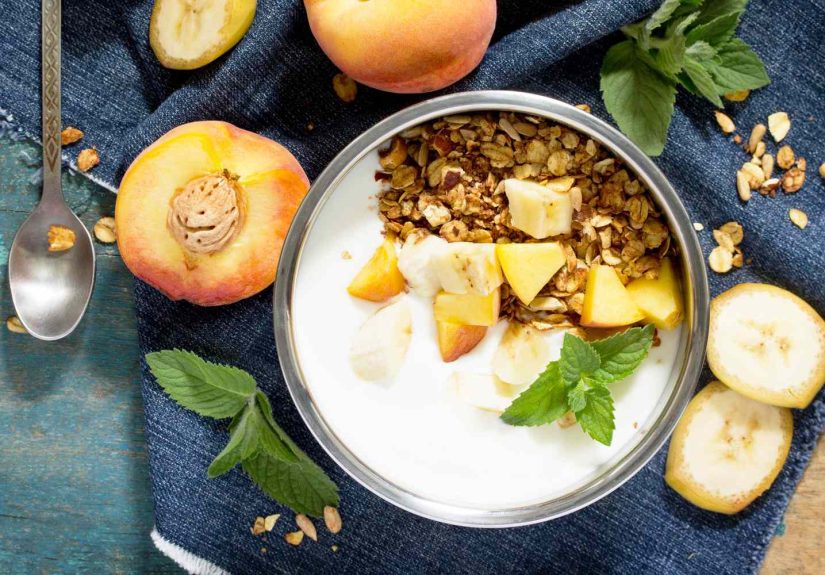
This is your “I need something fast, but I want to feel like I have my life together” breakfast. A Greek yogurt parfait hits several gut-health boxes at once: probiotics from yogurt, fiber and antioxidants from fruit, and healthy fats plus extra fiber from nuts and seeds.
How to Build It
- Base: 1 cup plain Greek yogurt (or a lower-sugar, high-protein yogurt of your choice).
- Fiber & color: 1/2–1 cup mixed berries (blueberries, raspberries, strawberries).
- Crunch: 2–3 tablespoons low-sugar granola or toasted oats.
- Healthy fats & extra fiber: 1 tablespoon chia or ground flaxseed, plus a small handful of chopped walnuts or almonds.
- Sweetness: A drizzle of honey or maple syrup if needed.
Why Your Gut Loves It
Yogurt provides live and active cultures that can help support a healthy balance of bacteria in the gut. Berries bring fiber and polyphenols, which gut microbes also love to ferment. Chia, flax, and nuts add more fiber and omega-3 fats, which may help keep inflammation in check.
Quick Variations
- Swap berries for sliced banana and a spoonful of peanut butter for a PB&J-inspired bowl.
- Use kefir instead of yogurt if you prefer a thinner, drinkable parfait vibe.
- Go savory with plain yogurt, chopped cucumber, cherry tomatoes, olive oil, and pumpkin seeds.
2. Overnight Oats with Banana, Chia, and Cinnamon
Overnight oats are the meal prep hero your gut has been waiting for. You throw everything into a jar at night, and your future self wakes up to a ready-made, high-fiber breakfast. Oats contain beta-glucan, a soluble fiber linked with better cholesterol levels and improved gut function.
Basic Overnight Oats Formula
- 1/2 cup rolled oats
- 1 tablespoon chia seeds
- 1/2–1 cup milk (dairy or fortified plant milk)
- 1/2 sliced banana (preferably slightly green for extra resistant starch)
- 1/4 teaspoon cinnamon and a small pinch of salt
- Optional: scoop of protein powder or Greek yogurt mixed in for extra protein
Stir, refrigerate overnight, and top with berries or nuts in the morning.
Why Your Gut Loves It
Oats, chia seeds, and banana together deliver a serious fiber punch, including prebiotic fibers that feed beneficial bacteria. Chia seeds also help create a gel-like texture in your gut that can help keep things moving. A little cinnamon brings flavor and some antioxidant support without added sugar.
Make It Your Own
- Add grated apple and walnuts for a “carrot cake meets apple pie” vibe.
- Stir in a spoonful of pumpkin puree and pumpkin pie spice in fall.
- Use kefir as part of the liquid for extra probiotics.
3. Berry Kefir Smoothie with Oats and Flax
If you’re more of a “drink my breakfast on the way out the door” person, a kefir smoothie is a great gut-friendly choice. Kefir, a fermented milk (or plant-based) drink, typically contains more diverse probiotic cultures than yogurt and has a tangy flavor that pairs well with fruit.
Five-Minute Gut-Friendly Smoothie
- 3/4–1 cup plain kefir
- 1/2–1 cup frozen mixed berries
- 2–3 tablespoons rolled oats
- 1 tablespoon ground flaxseed
- Optional: a small spoonful of honey, maple syrup, or a few pitted dates for sweetness
Blend until smooth. If it’s too thick, thin with a little extra kefir or water.
Why Your Gut Loves It
This smoothie combines probiotics from kefir with prebiotic fibers from oats and berries. The ground flaxseed adds more fiber and healthy fats. Because it’s blended, it’s also easier for some people with sensitive digestion to tolerate compared with heavier, very chunky meals.
Tips for Success
- If you’re new to fermented foods, start with a smaller amount of kefir and work your way up to let your gut adjust.
- Use unsweetened kefir to keep sugar in check and let the fruit provide the sweetness.
- Want extra protein? Add a scoop of protein powder, collagen, or tofu cubes before blending.
4. Veggie Egg Scramble with Whole-Grain Toast and Avocado
Gut-healthy doesn’t mean you have to eat sweet breakfasts every day. A savory, veggie-loaded egg scramble can be incredibly satisfying and supports gut health with its fiber, polyphenols, and healthy fatsespecially when you pair it with whole-grain toast and avocado.
Build-Your-Own Gut-Friendly Scramble
- 2 eggs or a combo of 1 egg + egg whites
- 1 cup mixed veggies: spinach, bell pepper, onions, mushrooms, zucchini, or tomatoes
- 1–2 teaspoons olive or avocado oil for cooking
- 1 slice whole-grain or sprouted-grain toast
- 1/4–1/2 avocado, sliced or mashed
Sauté the veggies in oil, add beaten eggs, scramble until set, and serve with toast and avocado on the side.
Why Your Gut Loves It
The veggies contribute fiber and phytonutrients that help diversify the gut microbiome. Whole-grain toast provides additional fiber and resistant starch, while avocado supplies monounsaturated fats and a bit more fiber. Eggs add high-quality protein to keep you full and support muscle repair.
Flavor Boost Ideas
- Add salsa or pico de gallo for tang and extra veggies.
- Sprinkle with herbs like cilantro, basil, or chives for freshness.
- Use a sprinkle of cheese or nutritional yeast for extra flavor without overdoing saturated fat.
5. Chia Pudding or Papaya Bowl with Crunchy Toppings
Chia pudding is basically overnight oats’ cooler cousin. It’s rich in fiber and omega-3 fats, and when you top it with fruit and nuts, you get a gut-loving bowl that feels like dessert. For a tropical twist, you can turn it into a papaya bowl, taking advantage of papaya’s digestive enzymes and vitamin C.
Basic Chia Pudding
- 3 tablespoons chia seeds
- 3/4–1 cup milk (dairy or plant-based)
- 1/2 teaspoon vanilla extract
- Sweetener to taste (maple syrup, honey, or stevia)
Stir well, refrigerate at least 2–3 hours (or overnight), then top with fruit and crunch.
Papaya Chia Bowl Upgrade
- Top your chia pudding with fresh papaya cubes.
- Add pumpkin seeds, granola, or crushed nuts for texture.
- Finish with a squeeze of lime and a few chia or hemp seeds.
Why Your Gut Loves It
Chia seeds are loaded with fiberboth soluble and insolublewhich supports regularity and feeds beneficial bacteria. Papaya adds more fiber plus digestive enzymes like papain that may help break down proteins. Combined, they create a light but satisfying breakfast that’s especially appealing on warm mornings.
Simple Tips to Make Any Breakfast Better for Your Gut
- Add one extra plant. Toss in a handful of berries, a few cherry tomatoes, or some spinach. Different plants = more diverse fibers = happier microbes.
- Swap refined grains for whole grains. Choose whole-grain toast, tortillas, oats, or bran cereals instead of white bread or sugary cereals.
- Watch added sugar. Many “healthy” yogurts and granolas are loaded with sugar, which can work against your gut goals. Choose unsweetened versions and sweeten lightly yourself.
- Include at least 10–20 grams of protein. This helps you stay full and supports stable blood sugar, which is good for overall metabolic and gut health.
- Hydrate. Fiber needs water to do its job; start the day with a glass of water alongside your breakfast.
Real-Life Experiences with Gut-Healthy Breakfasts
Shifting your morning routine toward gut-healthy breakfast ideas can feel like a big change, but in practice it’s often about small, repeatable swaps. Many people report that within a week or two of consistently eating more fiber, probiotics, and whole foods at breakfast, they notice real differences in how they feel.
One common experience is improved regularity. Someone who used to skip breakfast or rely on refined carbs might start their day with overnight oats and a kefir smoothie instead. After a short adjustment period (sometimes a few days of extra gassiness as the microbiome adapts), they often find their digestion feels more predictable and comfortable. The combination of oats, chia, and fruit adds bulk and softness to the stool, making bathroom trips less of a guessing game.
Another frequent observation is more consistent energy. Swapping a sugary pastry and coffee for a yogurt parfait with berries, seeds, and nuts means you’re trading a quick blood sugar spike for a slower, steadier rise. Protein from yogurt, fat from nuts, and fiber from fruit work together to keep you satisfied. Instead of crashing mid-morning, many people report feeling sharper and less snack-obsessed before lunch.
People who struggle with bloating sometimes find that experimenting with breakfast textures helps. Heavier, very dense meals can be uncomfortable on sensitive stomachs, especially first thing in the morning. In those cases, a smoother, blended optionlike a kefir smoothie with berries and oatscan be easier to tolerate, while still delivering fiber and probiotics. Over time, as gut tolerance improves, it may be possible to gradually increase the amount of whole, intact foods in the morning.
There’s also a mindset benefit. When your first meal of the day lines up with your health goals, it tends to have a “halo effect” on the rest of your choices. Starting with a veggie egg scramble and whole-grain toast, for instance, can make it feel more natural to choose a balanced lunch or reach for fruit and nuts as an afternoon snack. It’s not about perfection; it’s about setting a supportive tone early.
Of course, experiences vary. Some people need to increase fiber slowly to avoid discomfort. Others might discover that certain high-FODMAP foods (like large servings of some fruits or grains) trigger symptoms and need adjusting, especially if they’re managing conditions such as IBS. Working with a healthcare provider or registered dietitian can help personalize gut-healthy breakfast ideas if you have specific medical issues or dietary restrictions.
What tends to be consistent across many stories, though, is this: when mornings shift from “whatever’s fast” to “a little planning plus gut-friendly ingredients,” people often feel more in control of both their schedule and their digestion. A 5-minute prep the night beforestirring together oats and chia, chopping fruit, or portioning out kefircan pay off in a calmer, more energized start to the day.
In the end, the best gut-healthy breakfast is the one you actually enjoy and can repeat most days. Whether that’s a simple yogurt bowl, a colorful papaya chia pudding, or a warm veggie scramble with avocado toast, consistency matters more than perfection.
The Bottom Line
Supporting your gut doesn’t require a complicated cleanse or a cart full of exotic superfoods. A gut-healthy breakfast can be as simple as combining a probiotic food like yogurt or kefir with fruits, whole grains, nuts, and seeds. The five ideas aboveGreek yogurt parfaits, overnight oats, kefir smoothies, veggie scrambles, and chia or papaya bowlsgive you flexible templates you can remix all week long.
Start with one or two that fit your lifestyle, adjust portions and ingredients for your own needs, and pay attention to how your body responds. Over time, those small, gut-friendly choices at breakfast can add up to better digestion, more stable energy, and a healthier relationship with food in general.