Table of Contents >> Show >> Hide
- Quick Answer: The 4 Main Ways to Get a Virginia Birth Certificate
- Before You Apply: Who Can Request a Birth Certificate in Virginia?
- Way #1: Apply Online for a Virginia Birth Certificate
- Way #2: Request a Copy by Mail
- Way #3: Get It In Person Through the Office of Vital Records or a Local Health Department
- Way #4: Request It at a Virginia DMV Customer Service Center
- How Much Does a Virginia Birth Certificate Cost?
- How to Choose the Best Method for Your Situation
- Common Mistakes That Slow Everything Down
- Special Situations to Keep in Mind
- Conclusion
- Real-Life Experiences and Practical Lessons
- SEO Tags
Note: This article is written for general informational purposes and is based on current Virginia procedures. Always double-check details before applying, because government forms have a sneaky habit of changing right when you finally feel organized.
Losing a birth certificate has a special talent for happening at the worst possible moment. Maybe you need proof of identity, citizenship, or family records access. Maybe you are applying for something important. Maybe you opened a folder labeled “Important Documents” and discovered it contained exactly one expired coupon and a mystery key. Whatever brought you here, the good news is that getting a certified copy of your birth certificate in Virginia is very doable.
If the birth happened in Virginia, you generally have four practical ways to get a certified copy: online, by mail, in person through a health department or the main Office of Vital Records, or at many Virginia DMV locations. The best option depends on one thing: whether you care more about speed, convenience, or avoiding a road trip with a folder full of paperwork.
This guide breaks down each method in plain English, explains who can request a certificate, what information you will need, what it costs, and how to avoid common mistakes that can slow the process down.
Quick Answer: The 4 Main Ways to Get a Virginia Birth Certificate
- Apply online through Virginia’s vital records system.
- Apply by mail with a completed birth certificate application, ID copy, and payment.
- Apply in person at the Virginia Office of Vital Records or participating local health departments.
- Apply in person at a Virginia DMV customer service center if you want a convenient counter-service option.
Now let’s go through each route without the usual government-maze energy.
Before You Apply: Who Can Request a Birth Certificate in Virginia?
Virginia does not hand out certified birth certificates to just anyone who can spell your middle name. In most cases, certified copies are available only to eligible immediate family members and certain legally authorized people. That usually includes the person named on the record, parents, current spouse, children, siblings, grandparents, and legal guardians with proper proof. If you are a guardian, expect to provide custody paperwork. If you are an aunt, uncle, cousin, in-law, or family friend, you generally should not expect success just because you have good intentions and a very persuasive face.
You will also need acceptable identification. For mailed requests, Virginia requires a clear, legible photocopy of the requester’s ID. For in-person requests, bring acceptable ID and make sure it matches the name and details you provide on the application. An incomplete form or weak ID documentation is one of the fastest ways to turn a simple request into a paperwork boomerang.
Way #1: Apply Online for a Virginia Birth Certificate
Best for convenience and status updates
If you want the easiest sofa-friendly option, online ordering is usually the best starting point. Virginia now has a fully online vital records application system that allows applicants to submit a request, pay online, and receive updates on the status of the application. That means fewer forms on your kitchen table and less chance of wondering whether your envelope is currently living its best life in postal limbo.
Online ordering is ideal for people who want to apply after business hours, avoid driving, and track progress without calling a state office. It is especially helpful if you are comfortable submitting identifying details electronically and want a cleaner, more modern process than printing forms and hunting for stamps like it is 1998.
What you will usually need
- Full name on the birth certificate
- Date of birth
- Place of birth in Virginia
- Parents’ names, especially the mother’s full maiden name
- Your relationship to the person on the certificate
- Acceptable identification
- Payment information
Virginia’s online processing time for complete applications is typically about five business days after the request is fully submitted. That does not always mean the certificate lands in your mailbox immediately, but it does mean the application itself can move faster than a standard paper request.
When online is the smartest move
Choose online ordering when you want convenience, tracking, and fewer moving parts. It is also the best option for people who do not live close to a walk-in location. If you are the kind of person who prefers clicking through a secure application over finding a checkbook, this is your lane.
Way #2: Request a Copy by Mail
Best for traditional applicants and people who prefer paper records
The mail-in route still works well in Virginia, especially for people who prefer a paper trail, need to send supporting documentation, or simply trust envelopes more than websites. To apply by mail, you complete the birth certificate application, include a clear photocopy of your acceptable identification, and send payment to the Virginia Office of Vital Records.
The standard state fee is $12 per certificate or search. That fee is charged even if no record is found, so accuracy matters. If the office cannot locate the record, Virginia typically issues a “No Record” letter instead of a refund. In other words, this is not the time to freestyle on names, dates, or birth locations.
Where mail requests go
Mail requests are generally sent to:
Office of Vital Records
P.O. Box 1000
Richmond, VA 23218-1000
How long mail usually takes
Virginia says complete paper applications are generally processed in about eight business days after they are received by the Office of Vital Records. That makes mail slower than the online system, but still perfectly reasonable if you are not in a rush.
When mail is the better choice
Mail may be your best option if you are submitting extra documentation, do not want to use online payment, or simply prefer a more old-school method. It is also a good fallback if you tried ordering online and realized halfway through that you would rather fill out paper forms in peace than deal with one more password reset.
Way #3: Get It In Person Through the Office of Vital Records or a Local Health Department
Best for speed and human help
If you want face-to-face help, in-person service can be the fastest and least confusing option. Virginia’s main Office of Vital Records in Richmond accepts walk-in customers, and a number of local health departments around the state also issue certified copies of Virginia birth certificates.
The main Richmond walk-in office is located at:
Office of Vital Records
8701 Park Central Drive, Suite 100
Richmond, VA 23227
Walk-in service is available during posted business hours, and no appointment is generally required. Some local health departments in places such as Fairfax, Alexandria, Prince William, Blue Ridge, Virginia Beach, Roanoke, and Chesapeake also provide in-person access for Virginia birth certificates. That means you may not need to drive all the way to Richmond just to solve a document problem.
What makes walk-in service appealing
The biggest advantage is clarity. If something is missing, you can often find out immediately instead of learning about it a week later by mail. You can also ask questions at the counter, which is especially helpful if you are unsure about eligibility, documentation, or whether you need a regular certified copy or a more specific version from the state office.
Some local offices also offer practical tips, such as filling out the application before you arrive, bringing exact information, and making sure your ID is ready to go. This is not glamorous advice, but it works.
One important caution
Do not assume every government office that handles records can issue a birth certificate. In Virginia, birth certificates are generally handled through vital records offices, health departments, and DMV locations, not circuit court clerks. That mix-up wastes time and creates the kind of afternoon that makes people mutter at parking meters.
Way #4: Request It at a Virginia DMV Customer Service Center
Best for convenience if a DMV location is closer
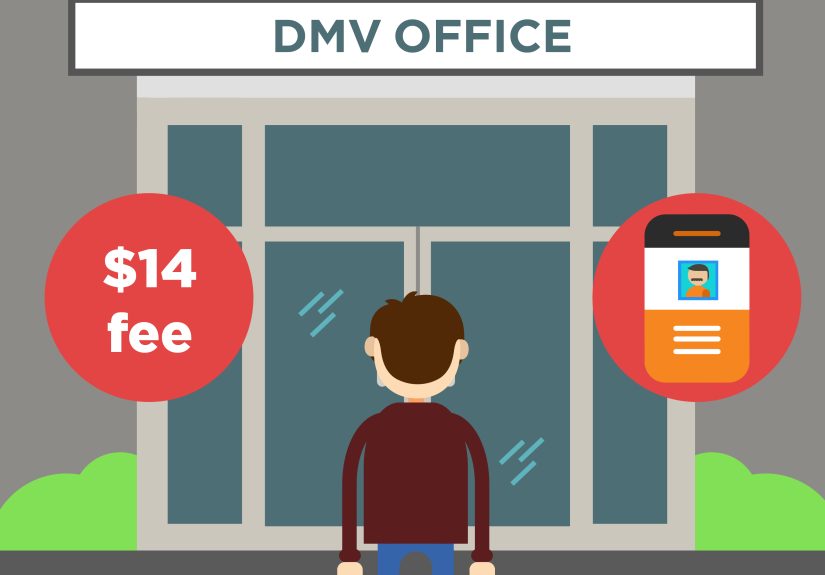
This is the option many people overlook. Virginia DMV customer service centers can issue birth certificates in person. That means if a DMV office is easier to reach than a local health department or the Richmond vital records office, it can be a very practical solution.
At DMV, you generally need to:
- Visit a customer service center
- Complete the Virginia Birth Certificate Application
- Present acceptable identification
- Pay the $14 records search fee
If you are eligible and DMV can locate and print the record, you may leave with the document in hand. That is a strong selling point. If DMV cannot find or print the record immediately, the application is forwarded to the Virginia Department of Health for further research, and the certificate may be mailed later if available.
Why DMV can be a smart move
For many Virginians, DMV locations are familiar, nearby, and easier to fit into a normal errand day. It is not exactly a spa experience, but if the goal is “get legal document, go home,” DMV can be surprisingly efficient.
How Much Does a Virginia Birth Certificate Cost?
For most standard Virginia vital records requests, the state fee is $12 per certificate or search. That applies through the Virginia Department of Health for standard requests. DMV charges $14 for a birth certificate records search. If you want faster service through Virginia’s express-delivery partner, expect higher costs, including the certificate fee, a service fee, and optional delivery charges.
In plain English: regular service is cheaper, faster service costs more, and inaccurate applications still cost money. Government record requests are many things, but refundable is not usually one of them.
How to Choose the Best Method for Your Situation
Choose online if:
- You want convenience and application tracking
- You are comfortable uploading information digitally
- You do not need face-to-face help
Choose mail if:
- You prefer paper forms
- You are not in a hurry
- You want a traditional application process
Choose in-person at a health department or Richmond if:
- You want the quickest answers to paperwork issues
- You need counter help
- You live near a participating office
Choose DMV if:
- A DMV service center is the most convenient option
- You want a chance to leave with the document the same day
- You do not mind paying the DMV search fee
Common Mistakes That Slow Everything Down
- Using the wrong name, date, or place of birth
- Forgetting a photocopy of ID for a mailed application
- Assuming any relative can order a certificate
- Going to the wrong office, such as a circuit court clerk
- Expecting a refund if the record cannot be found
- Ignoring whether you need standard service or faster delivery
A little preparation goes a long way here. Double-check the information before you submit anything. Verify your eligibility. Bring your ID. And maybe do not wait until the night before a deadline to start searching for a government document created on the day you were born.
Special Situations to Keep in Mind
If you need a correction or amendment to a birth certificate, that is a different process from simply ordering a copy. Some changes must go through the main Office of Vital Records in Richmond, and in some cases a denial from Vital Records may be required before a court petition is even possible. Also, if you need a special-use or long-form version, check whether your local office can issue it or whether the state office is the better route.
If the birth record is very old, there may be different availability rules. Virginia public-access rules for older records are not the same thing as certified-copy eligibility, so do not assume genealogy access and certified-copy access are identical. When in doubt, verify the exact type of record you need before applying.
Conclusion
Getting a copy of your birth certificate in Virginia is not as dramatic as it can feel in the moment. You have four practical routes: online, by mail, in person through vital records or local health departments, and at DMV. The best choice depends on whether you need speed, convenience, or a real human being to confirm that yes, you did fill out the form correctly.
For most people, the online system is the easiest option. For others, walk-in service or DMV may be the fastest path. Mail still works just fine if you are not in a rush. The real key is simple: make sure you are eligible, bring the right ID, use accurate birth details, and pick the method that matches your timeline.
Because nothing says adulthood quite like successfully obtaining a copy of a document you did not ask for the first time around.
Real-Life Experiences and Practical Lessons
People usually do not think about birth certificates until one day they absolutely have to. That urgency changes everything. Someone may be preparing for a passport application, replacing lost identity documents, updating records after a family issue, or handling paperwork for a child. In those moments, the process feels bigger than it really is, which is why knowing the four options matters so much.
One common experience is the “I thought I had it” moment. A person remembers seeing the certificate years ago in a family file cabinet, a safe, or a folder labeled with heroic optimism. Then the search begins. After checking three drawers, two boxes, one old backpack, and a stack of manuals for appliances that no longer exist, reality settles in: a new certified copy is needed. This is often when the online method becomes the hero of the story. It is calm, direct, and far less emotionally charged than asking every relative whether they “borrowed important papers at some point.”
Another common situation happens when someone needs the certificate quickly and assumes mail will be too slow. That person often benefits most from an in-person option. Walk-in service through a health department or the Richmond office can reduce uncertainty because staff can point out missing details immediately. Instead of waiting days to discover that a signature was forgotten or the ID copy was too blurry, the applicant gets feedback on the spot. That kind of clarity is worth a lot when deadlines are involved.
DMV is also a surprisingly useful option in real life. Many people think of DMV as the place for licenses, titles, and patience-building exercises, not birth certificates. But for applicants who live closer to a DMV center than a health department, it can be the most convenient choice. Some people like that it fits into a normal weekday routine: take a number, submit the application, show ID, pay the fee, and hopefully walk out with the document. Not every errand gets a happy ending that efficient, so when it happens, celebrate responsibly.
Families requesting records for children or older relatives also run into practical issues. The biggest one is documentation. People may be clearly entitled to the record, but they still need the right paperwork to prove it. Legal guardians, for example, should not assume the word “guardian” alone will solve everything. Bring the supporting papers. The same goes for anyone mailing a request. A missing ID copy can delay a perfectly valid application. In government paperwork, the smallest omission often behaves like the biggest problem.
The most useful lesson from all these experiences is simple: choose the method that matches your real situation, not the method that sounds easiest in theory. If you want convenience, apply online. If you want a paper trail, use mail. If you want immediate answers, go in person. If the nearest DMV is five minutes away and the health department is across the map, let geography make the decision for you. The process gets much less stressful when you stop treating it like a mystery and start treating it like a checklist.