Table of Contents >> Show >> Hide
- Global Myths vs. Local Reality
- 30 Myths Foreigners Still Accept as Reality About Their Country
- 1. “Everyone in the U.S. Is Armed and Dodging Gunfights”
- 2. “All Americans Are Rich With Big Houses and Multiple Cars”
- 3. “Americans Only Eat Fast Food”
- 4. “French People Are Rude to Everyone, Especially Foreigners”
- 5. “All French People Are Stylish, Thin, and Chain-Smoking Intellectuals”
- 6. “Japan Is Basically an Anime Theme Park”
- 7. “Japanese People Are Cold and Don’t Want Foreign Friends”
- 8. “The U.K. Has Terrible Food and Endless Rain”
- 9. “Everyone in the U.K. Talks Like They’re in a Period Drama”
- 10. “Canada Is Just Snow, Moose, and Hyper-Polite People”
- 11. “Australia Is a Giant Death Trap Full of Killer Animals”
- 12. “All Australians Surf and Live Near the Beach”
- 13. “Germany Is Hyper-Efficient and Robotic”
- 14. “Italy Is Just Romance, Pasta, and Siestas”
- 15. “Spain Naps All Afternoon and Never Works”
- 16. “India Is Only Poverty, Chaos, and Traffic”
- 17. “All Indians Are Deeply Spiritual, Vegetarian, and Yoga-Obsessed”
- 18. “China Is Just Mega-Cities and Copycat Factories”
- 19. “Russia Is All Spies, Vodka, and Snow”
- 20. “All Brazilians Live on the Beach and Dance Carnival Year-Round”
- 21. “The Middle East Is Just Desert and Conflict”
- 22. “Africa Is One Country, and Everyone Lives in Villages”
- 23. “Nordic Countries Are a Socialist Winter Wonderland of Perfect Happiness”
- 24. “Everyone in Mexico Is Either at the Beach or at a Party”
- 25. “All Irish People Drink Heavily and Live in Pubs”
- 26. “Every Swiss Person Is Rich and Surrounded by Luxury”
- 27. “The Netherlands Is Just Weed, Tulips, and Red-Light Windows”
- 28. “All Greeks Spend Their Days on Islands, Drinking Coffee by the Sea”
- 29. “South Korea Is Just K-Pop, K-Drama, and Skincare”
- 30. “New Zealand Is Only Hobbiton and Empty Nature”
- Why These Country Myths Stick Around
- How to Gently Bust These Myths
- Real-Life Experiences: What It’s Like When Your Country Is Treated Like a Myth
Ask people around the world what foreigners get wrong about their country and you’ll probably get the same reaction: a deep sigh, a half-smile, and a “Oh, you have no idea…”
Thanks to movies, social media, and a whole lot of lazy clichés, there are myths that just won’t die. From “everyone in America has a gun holster and a pickup truck” to “French people live on baguettes and romance only,” these ideas can feel funny at firstand then pretty exhausting.
Inspired by the kind of question you’d see on a Bored Panda thread, imagine 30 people from 30 different places responding honestly (and with a sense of humor) to one simple prompt:
“What’s the myth that many foreigners still accept as reality about your country?”
The answers reveal how far reality is from the postcard versionand why it pays to ask instead of assume.
Global Myths vs. Local Reality
Stereotypes about countries often come from tourism ads, Hollywood scripts, and second-hand stories. They’re easy to remember, easy to repeat, and almost always incomplete.
People who actually live in these places keep running into the same myths: that all Americans are rich, that Japan is a polite robot-land, that France is a constant perfume commercial,
or that every Australian hangs out with a pet kangaroo. These myths ignore huge parts of everyday lifelike commuting, paying bills, worrying about rent, or waiting in line at the doctor’s office.
Below are 30 “responses” from locals around the world, each tackling one stubborn myth that foreigners still treat as fact. Some are funny, some are serious, and all of them highlight one key idea:
countries are full of people, not walking movie tropes.
30 Myths Foreigners Still Accept as Reality About Their Country
1. “Everyone in the U.S. Is Armed and Dodging Gunfights”
Many foreigners imagine the United States as an action movie where people drive to work between car chases and shootouts. In reality, daily American life looks more like
coffee, email, traffic, and soccer practice. Yes, gun ownership is higher than in most countries and mass shootings are a serious issue, but most Americans never fire a gun in their lives
and certainly aren’t doing combat rolls on the way to the grocery store.
2. “All Americans Are Rich With Big Houses and Multiple Cars”
Hollywood suburbslarge homes, big yards, two SUVscreate a myth that every American lives like that. Many don’t. There’s wide income inequality, high housing costs in many cities, and plenty of people renting small apartments or sharing homes with roommates.
The reality is much closer to “budgeting carefully” than “limitless shopping sprees.”
3. “Americans Only Eat Fast Food”
From the outside, it’s easy to think the U.S. diet is all burgers, fries, and giant sodas. Sure, fast food is popular and widely available, but there’s also a huge culture of farmers markets,
home cooking, regional cuisines, and dietary choices like vegan, gluten-free, keto, and more. Not everyone is holding a supersized drink at all timessome people are just trying to remember
where they put their reusable water bottle.
4. “French People Are Rude to Everyone, Especially Foreigners”
A classic myth: France, especially Paris, is a land of rude waiters and eye-rolls. In reality, French politeness just follows different rules. If you skip greetings like
“Bonjour” and “Merci,” you may get frosty service. But outside of rushed city moments, many French people are kind, helpful, and even delighted to help if you show basic respect
for the language and culture.
5. “All French People Are Stylish, Thin, and Chain-Smoking Intellectuals”
Foreigners often picture France as a fashion runway crossed with a philosophy seminar. Locals laugh at this. Real French people wear sweatpants, run late, eat frozen pizza, and
scroll social media in bed like everyone else. Yes, there’s a strong fashion and café culture, but there are also office cubicles, noisy buses, and people buying budget sneakers on sale.
6. “Japan Is Basically an Anime Theme Park”
For some visitors, Japan equals neon Tokyo, anime shops, cosplay, and high-tech toilets. Many are surprised to find quiet suburbs, small towns, and a lot of ordinary routines: commuting on crowded trains,
shopping at supermarkets, and going to bed early. Pop culture is huge, but Japan is not a permanent comic-con. Teachers, nurses, mechanics, and grandparents all live lives that rarely appear in anime storylines.
7. “Japanese People Are Cold and Don’t Want Foreign Friends”
This myth often comes from short visits and culture shock. Japanese people can seem reserved in public, but that doesn’t equal hostility. Social rules encourage politeness, not oversharing.
Once you build trustthrough school, work, or hobbiesmany people are warm, funny, and loyal friends. The real challenge is often language barriers and shyness on both sides, not national dislike.
8. “The U.K. Has Terrible Food and Endless Rain”
Ask Brits what foreign stereotype bothers them and this one comes up fast. The U.K. is still haunted by old jokes about soggy vegetables and flavorless dinners. Modern Britain, however, has an incredibly diverse food scene:
Indian, Caribbean, Middle Eastern, East Asian, and innovative British cuisine. And while the weather is famously unpredictable, it’s not a daily monsoonjust a lot of “bring a jacket, just in case.”
9. “Everyone in the U.K. Talks Like They’re in a Period Drama”
Foreigners who grew up on Sherlock Holmes, Jane Austen, and royal family interviews assume all Brits sound posh. In reality, the U.K. is packed with accents: Scottish, Welsh, Geordie, Scouse, Brummie, and more.
A London commuter might barely sound like the BBC narrator in your headand that’s part of the charm.
10. “Canada Is Just Snow, Moose, and Hyper-Polite People”
Canadians joke about this stereotype too. Yes, winters can be intense and politeness is a cultural value, but Canada also includes hot summers, big cities, vibrant immigrant communities, and complicated social issues.
Not every Canadian ends every sentence with “sorry,” and many would love foreigners to remember something about the country besides hockey and maple syrup.
11. “Australia Is a Giant Death Trap Full of Killer Animals”
Foreigners love to list everything that can supposedly kill you in Australia: snakes, spiders, jellyfish, sharks, crocodiles, even plants. While dangerous wildlife exists, most Australians go through life without dramatic
creature encounters. The average risk comes more from sunburn and driving long distances than from being tackled by a kangaroo on the way to the mailbox.
12. “All Australians Surf and Live Near the Beach”
Beach culture is iconic, but a huge portion of Australians live inland and have never surfed. Many people work standard office jobs, study at universities, or live in suburbs far from the coast.
The “endless summer surfer” image is fun, but it erases farmers, factory workers, teachers, and everyone else who might be more comfortable in boots than in flip-flops.
13. “Germany Is Hyper-Efficient and Robotic”
There’s a popular myth that Germany runs like a perfectly engineered machinetrains always on time, rules always followed. Locals will quickly tell you that delayed trains, confusing bureaucracy, and human error exist there too.
People joke about paperwork, roll their eyes at regulations, and miss appointments. Germany has efficiency, yes, but it also has everyday chaos like any other country.
14. “Italy Is Just Romance, Pasta, and Siestas”
Many foreigners imagine Italy as a continuous vacation: wine at sunset, slow walks through ancient streets, big family lunches every day. Real Italians also face traffic, office deadlines, rising rent, and complex politics.
Food and family are central, but everyday pressures mean not everyone is having a 3-hour lunch under a vine-covered pergola.
15. “Spain Naps All Afternoon and Never Works”
The siesta stereotype makes it sound like Spain shuts down from noon to 5 p.m. In reality, many Spaniards work standard schedules, especially in big cities. Some smaller shops still close mid-day,
but modern work culture has shifted. People have meetings, commutes, and overtimejust with more late-night dinners than many other countries.
16. “India Is Only Poverty, Chaos, and Traffic”
Foreign media often zooms in on crowded streets, traffic jams, and poverty, creating a one-note picture of India. Locals and expats point out the other side: thriving tech hubs, expanding middle-class neighborhoods,
art scenes, universities, and complex regional cultures. India has serious challenges, but it’s far more than a backdrop for dramatic news footage.
17. “All Indians Are Deeply Spiritual, Vegetarian, and Yoga-Obsessed”
Another persistent myth paints Indians as constantly meditating or doing yoga at sunrise. In reality, many people have never taken a yoga class and eat meat regularly.
Some are religious, others are not; some are into Bollywood, others into K-pop or American shows. A single spiritual stereotype can’t cover more than a billion people.
18. “China Is Just Mega-Cities and Copycat Factories”
Foreigners sometimes imagine China only as crowded cities covered in smog or endless industrial zones. Locals know a very different picture too: rural villages, protected natural landscapes, modern art, tech innovation,
and a rapidly evolving middle class. The “factory of the world” narrative ignores the people living complicated, varied lives inside that world.
19. “Russia Is All Spies, Vodka, and Snow”
Pop culture insists Russia is a land of spies in long coats, endless winter, and people drinking vodka like water. Russians push back against this caricature: there are many climates, hobbies besides drinking,
and millions of people just trying to get through work, raise families, and enjoy simple pleasuresnone of which involve secret briefcases on park benches.
20. “All Brazilians Live on the Beach and Dance Carnival Year-Round”
Brazil’s global image is all samba, football, and beaches. While Carnival and soccer are big cultural pillars, everyday Brazilian life includes long commutes, office jobs, schools,
and worries about safety and bills. Many Brazilians rarely visit the iconic beaches foreigners love to imagine.
21. “The Middle East Is Just Desert and Conflict”
Foreign coverage often reduces entire Middle Eastern countries to war zones or empty deserts. Locals talk about bustling cities, universities, startup scenes, modern malls, ancient cultural sites,
and family-centered social lives. Conflict is part of some regions’ reality, but it’s not the whole storyand certainly not everyone’s daily life.
22. “Africa Is One Country, and Everyone Lives in Villages”
A painful myth: people casually refer to “Africa” like it’s a single place with one culture. Residents from Nigeria, Kenya, South Africa, Morocco, Ghana, and dozens of other countries
constantly correct this. The continent includes mega-cities, small towns, deserts, mountains, rainforests, and hundreds of languages and cultures. There is no one “African” lifestyle.
23. “Nordic Countries Are a Socialist Winter Wonderland of Perfect Happiness”
Foreigners often idealize Nordic countries as flawless utopias with free everything and zero problems. Residents will tell you they’re proud of strong social safety nets,
but they still face mental health issues, high living costs, and political debates. The long, dark winters are no joke, and people struggle there tooeven if the scenery is stunning.
24. “Everyone in Mexico Is Either at the Beach or at a Party”
The global image of Mexico can be stuck on resorts, margaritas, and constant celebrations. Everyday life looks very different: early mornings, busy public transit, kids at school, street vendors, office workers,
and people dealing with economic and safety concerns. Celebrations and rich traditions are realbut they’re woven between long workweeks.
25. “All Irish People Drink Heavily and Live in Pubs”
Ireland’s image can be frozen in green beer and pub songs. Many Irish people enjoy the pub culture, but not all drink, and not all evenings are spent in bars.
There’s modern tech, literature, film, sports, and family life that has nothing to do with Guinness. The stereotype can be harmful to people in recovery or those simply not interested in alcohol.
26. “Every Swiss Person Is Rich and Surrounded by Luxury”
Switzerland often appears in international rankings for wealth and quality of life. That doesn’t mean everyone is lounging in mountain chalets.
Many Swiss residents face high prices, long commutes, and the stress of living in a very expensive country. The postcard views don’t cancel out financial pressure.
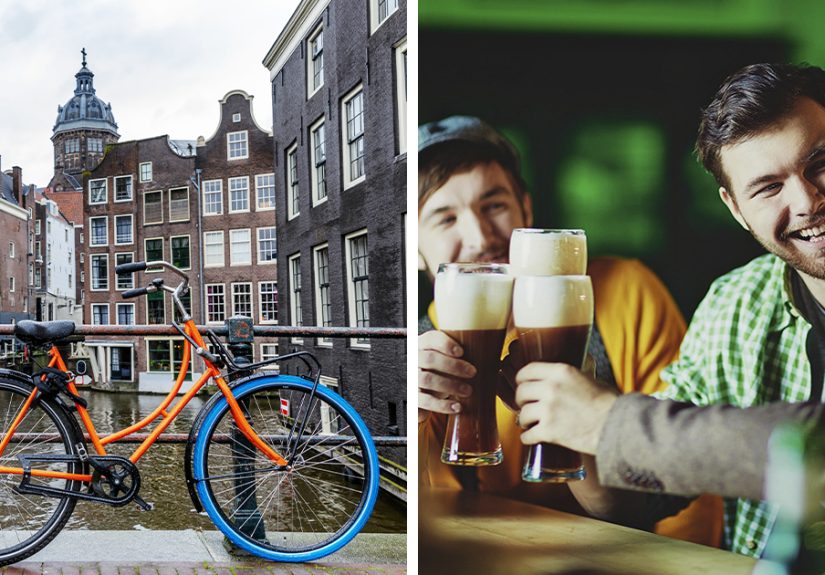
27. “The Netherlands Is Just Weed, Tulips, and Red-Light Windows”
Amsterdam’s tourist image can overshadow the rest of the Netherlands. Locals point out that most people aren’t using legal weed, and that everyday life involves biking to work,
navigating dense cities, and raising families in small homes. There’s a strong culture of rules, planning, and social responsibility, not nonstop partying.
28. “All Greeks Spend Their Days on Islands, Drinking Coffee by the Sea”
Greece is heavily marketed through beautiful islands and relaxed café scenes. Many Greeks, however, live in cities or inland towns, hold multiple jobs, or struggle with economic challenges.
The iconic blue and white buildings are realbut they’re not everyone’s backyard view.
29. “South Korea Is Just K-Pop, K-Drama, and Skincare”
K-pop and Korean dramas have shaped a glamorous global image. Inside the country, people also deal with long working hours, academic pressure, rising costs, and generational tension.
Not everyone has a 10-step skincare routine or listens to the latest idol group, and many want foreigners to see more than the entertainment export package.
30. “New Zealand Is Only Hobbiton and Empty Nature”
Thanks to certain movie trilogies, New Zealand’s global image is magical landscapes and tiny hobbit houses. Locals love their scenery, but they also talk about housing affordability,
job markets, and the reality of living far from many other countries. It’s beautiful, yesbut it’s also real life, not just a permanent fantasy set.
Why These Country Myths Stick Around
So why do these stereotypes survive even when locals keep correcting them? For one, they’re simple. A one-sentence myth (“French people are rude,” “Japan is super polite and futuristic,” “Americans are all rich and loud”)
is easier to remember than a complex reality (“It depends on the region, history, social class, and current politics”).
Media also plays a big role. Movies, TV shows, and even travel influencers reinforce the same images because they’re visually appealing and instantly recognizable.
It’s easier to show a cowboy, a samurai, or a person in a beret than to explain tax codes, healthcare systems, and slow trains.
Finally, these myths give people a shortcut: if you think you “already know” what a place is like, you don’t have to do the messy work of listening to real people.
Unfortunately, that shortcut can turn into prejudice or just plain awkward conversations.
How to Gently Bust These Myths
If you’re the local dealing with stereotypes about your country, you don’t have to turn every misconception into a TED Talk. A simple “It’s not really like that for most people”
plus one or two specific examples can work wonders. Humor helps toorolling your eyes a little while laughing can soften the correction.
If you’re the foreigner, the best move is curiosity. Instead of confidently stating what you “know” about a country, try asking: “Is this actually true?” or
“What do you wish people understood better about where you live?” Most people are happy to talk about their home when they feel respected instead of judged.
Real-Life Experiences: What It’s Like When Your Country Is Treated Like a Myth
Imagine being at a party abroad and introducing yourself: “Hi, I’m from the U.S.”
Before you even finish your sentence, someone jokes, “So how many guns do you own?” or “Is it true your houses are all huge?”
You laugh politely, but inside you’re thinking, We’re starting here again?
People from many countries describe the same pattern. An American abroad might spend half the evening explaining that not everyone is wealthy or obsessed with fast food.
A French person might get stuck answering questions about rude waiters, romance, or “ooh-la-la.” A Japanese host student may have to explain for the hundredth time
that they don’t live inside an anime, don’t automatically speak robot-level English, and have never in their life bowed in a convenience store the way movies show.
Over time, these conversations become both funny and tiring. At first, it can feel flattering that people are interested in your home. Then you notice they’re not really asking about itthey’re asking you to confirm the movie version.
You can almost see the disappointment when you say, “No, my life is mostly spreadsheets and public transit delays.”
Many expats and travelers talk about the emotional side of this. On a good day, correcting myths is a chance to share. You get to say, “Actually, yes, we do have that, but we also have this,”
and people walk away with a more nuanced picture. On a bad day, it feels like you’ve been cast in a role you didn’t audition for: The Rich American, The Romantic French Person, The Stoic Japanese Local, The Party-Loving Brazilian.
Some people cope by collecting the funniest questions they’ve been asked. A Londoner might remember a tourist asking if cheerleaders and yellow school buses in the U.S. are even real.
A Canadian might once have been asked whether they ride moose to school. An Australian might keep a mental scoreboard of how many times someone has said, “I would visit, but I’m scared of the spiders.”
Others respond with gentle honesty:
“No, healthcare in my country isn’t totally free, but it’s more affordable than in many places.”
“No, not everyone in my city is a fashion iconsome of us are just trying to survive Monday morning.”
“No, we don’t all have strong opinions about that one political figure you saw on the news last week.”
The most powerful experiences often come when stereotypes are broken in real time. A traveler expecting “rude Parisians” meets a stranger who walks them all the way to the right metro stop.
Someone sure that Japan is impossibly cold and formal finds themselves singing karaoke with coworkers who insist they stay for one more song. A visitor to the U.S. who feared constant danger
realizes the most intense thing on their trip was trying to choose between 47 cereal brands in a single grocery aisle.
These moments don’t erase bigger problems or complicated histories, but they do something important: they shift the story from myth to human reality.
Instead of “France is rude,” it becomes “I met this really helpful woman in Lyon.” Instead of “America is violent,” it becomes “I visited a small town where people left pumpkins on each other’s porches.”
Instead of “Japan is cold,” it becomes “My neighbor brought me soup when I was sick.”
In the end, every person who shares their experienceson a Bored Panda-style thread, in a comment section, or in a casual conversationis doing quiet myth-busting.
They’re replacing cardboard stereotypes with real lives: messy, funny, contradictory, and far more interesting than any cliché.
And if enough people listen, maybe one day we’ll finally retire the idea that an entire country can be summed up in a single sentence on a T-shirt.