Table of Contents >> Show >> Hide
Going gluten-free can feel like you’ve been handed a snack menu with half the pages ripped out.
Suddenly, the office donut tray looks like a trap. The vending machine becomes a museum exhibit
titled “Things You Used to Eat.” And your stomach starts politely asking, “So… what’s the plan?”
Here’s the good news: gluten-free snacks can be ridiculously tasty. Like “wait, this is GF?”
tasty. The secret isn’t hunting for sad substitutesit’s learning which foods are naturally gluten-free,
which packaged snacks are reliably labeled, and how to build satisfying combos (crunch + protein + a little fun).
This guide covers 30 of the best gluten-free snacksa mix of store-bought heroes and easy
DIY ideasplus smart label-reading tips and real-life snack strategies. Whether you avoid gluten because of
celiac disease, non-celiac gluten sensitivity, or you just feel better without it, you’ll leave with options
that taste great and travel well.
What “Gluten-Free” Means (and Why Labels Matter)
In the U.S., “gluten-free” on a label isn’t just a vibeit’s a regulated claim. Foods labeled gluten-free
must meet specific rules about gluten content and ingredients. That matters because gluten can sneak into
processed foods through ingredients (hello, malt) or cross-contact during manufacturing.
Quick reality check: “gluten-free” doesn’t automatically mean “healthy.” A gluten-free cookie is still a cookie.
(A delicious cookie. A cookie with purpose. But still a cookie.) If you want snacks that keep you full and energized,
aim for a mix of fiber, protein, and healthy fatsnot just “GF” in big letters.
Fast Label-Reading Cheat Sheet for Gluten-Free Snacking
1) Look for gluten-free wordingthen still scan the ingredient list
Labels like “gluten-free,” “no gluten,” “free of gluten,” or “without gluten” are a strong starting point.
But it’s still smart to scan ingredients for common gluten sources (especially if you’re highly sensitive).
2) Watch for sneaky gluten words
Some ingredients are obvious (wheat). Others show up wearing a trench coat and sunglasses:
barley malt (often just “malt”), malt vinegar, and sometimes flavorings or seasonings.
If you see “malt,” assume barley unless the label clearly says otherwise.
3) Oats: naturally gluten-free, frequently cross-contacted
Many people who eat gluten-free choose oats labeled gluten-free (or certified gluten-free), because regular oats
can be processed near wheat, barley, or rye. If oats bother you even when labeled gluten-free, you’re not imagining it
some people react to oat proteins, too. When in doubt, talk with a clinician or dietitian.
4) Cross-contact is realespecially for grab-and-go snacks
Shared scoops in bulk bins, crumbs in a family peanut butter jar, and the “mystery seasoning shaker” at a party can all
cause accidental exposure. If gluten is medically dangerous for you, treat cross-contact like glitter:
it spreads, it sticks, and it shows up where it absolutely does not belong.
30 Best Gluten-Free Snacks that Taste Great
Below are 30 gluten-free snack ideas, organized by craving type. For packaged items, choose products clearly labeled
gluten-free (or certified gluten-free) and double-check flavors, since recipes can vary.
Crunchy & Salty Snacks
-
Popcorn (classic or flavored)
Naturally gluten-free and endlessly customizable. Choose labeled gluten-free seasoning blends if you’re sensitive. -
Tortilla chips + salsa or guacamole
Corn tortilla chips are often gluten-freejust verify the label. Pair with salsa for tang or guac for creamy satisfaction. -
Potato chips (plain or simple flavors)
Potatoes are gluten-free, but seasonings aren’t always. Stick with brands/flavors labeled gluten-free. -
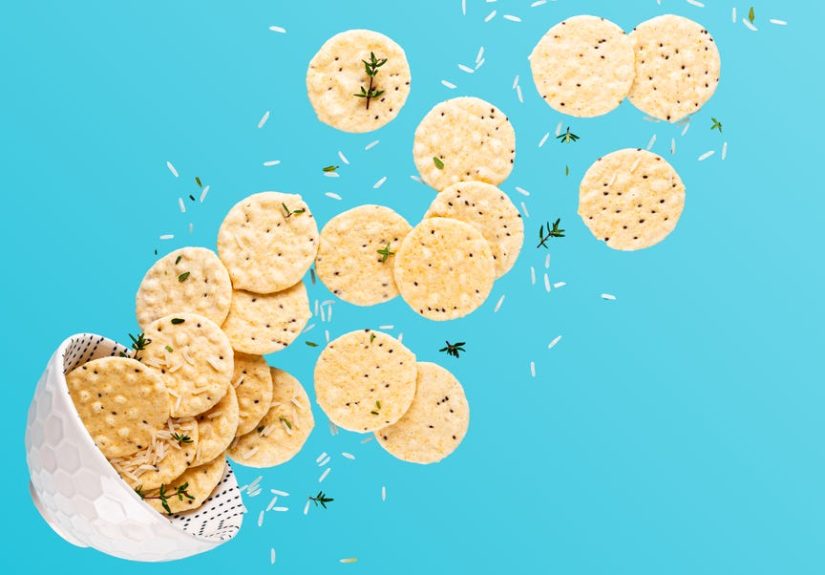
Rice cakes with savory toppings
Top with avocado + salt, hummus, or tuna salad. Bonus: they crunch like they mean it. -
Gluten-free pretzels
Great for “I want snack food” moods. Look for GF varieties made with corn, rice, or cassava-based flours. -
Roasted chickpeas
Crunchy, high-fiber, and perfect with smoked paprika, garlic powder, or chili-lime seasoning (check labels). -
Cheese crisps (baked cheese snacks)
All crunch, all savory. These can be a lifesaver when you want something salty without mystery ingredients. -
Mixed nuts (almonds, cashews, pistachios)
Naturally gluten-free, but flavored nuts can have seasonings that include glutengo with labeled GF if in doubt. -
Seed packs (pumpkin, sunflower, chia blends)
Easy to keep in a bag or desk drawer. Great for a quick salty bite with healthy fats. -
Gluten-free crackers + hummus
Choose GF crackers made from rice, almond flour, or seeds. Hummus makes it feel like a “real snack,” not a compromise.
Sweet Tooth Snacks (That Don’t Taste Like Cardboard)
-
Fresh fruit + nut butter
Apple slices + peanut butter. Banana + almond butter. Strawberries + sunflower butter. It’s sweet, filling, and fast. -
Greek yogurt + berries + honey
Protein + sweetness + no baking required. Add GF granola if you tolerate oats and it’s labeled GF. -
Dark chocolate (labeled gluten-free)
Many plain dark chocolates are gluten-free, but bars with cookie bits or “crisp” pieces can contain wheat. -
Fruit leather or fruit strips
A nostalgic snack that still hits. Check labels for added ingredients and shared facilities if you’re sensitive. -
Gluten-free granola bars
Look for GF-labeled bars (some popular brands offer certified GF lines). Great for travel, sports, and busy days. -
Chia pudding cup
Mix chia seeds with milk (dairy or non-dairy), vanilla, and a little maple syrup; let it thicken. Top with fruit. -
Frozen grapes
Weirdly delightful. Like nature’s tiny sorbet pops. Also: frozen mango chunks if you want “tropical vacation” energy. -
Date-and-nut energy bites
Blend dates + nut butter + cocoa + a pinch of salt. Roll into bites. Store in the fridge and try not to “taste test” all of them. -
Gluten-free cookies (for the days you mean it)
Choose trusted GF brands or labeled varieties. Pro tip: warm them for 8 seconds and call it “chef’s choice.” -
Rice pudding or a small pudding cup (check label)
Comfort snack. Look for gluten-free labeling, especially with flavored or thickened puddings.
High-Protein & “Keep-Me-Full” Snacks
-
Jerky or meat sticks (gluten-free labeled)
Many jerkies include soy sauce, flavorings, or marinades that may contain gluten. Grab GF-labeled options for safety. -
Hard-boiled eggs
Simple, portable, and protein-packed. Add salt and pepper, or a little hot sauce if you like drama. -
Edamame (steam-in-bag or snack packs)
Protein + fiber + satisfying chew. Season with sea salt or chili flakes (label-check blends). -
String cheese or cheese cubes
An easy protein snack that pairs well with fruit or GF crackers. -
Cottage cheese + pineapple (or tomatoes)
Sweet or savoryyour call. If you’ve never tried cottage cheese with pepper, this is your sign. -
Tuna (or chicken salad) + gluten-free crackers
Check canned or packet flavorings, then pair with GF crackers. Big “I planned ahead” energy. -
Trail mix (DIY or labeled GF)
Mix nuts + seeds + dried fruit + chocolate chips. Avoid mixes with pretzel pieces unless clearly gluten-free. -
Protein smoothie
Blend milk/non-dairy milk + frozen fruit + protein powder (verify gluten-free) + spinach. It’s snackable nutrition. -
Hummus + veggie sticks
Carrots, cucumbers, bell pepperscrunchy vehicles for creamy hummus. (Yes, snacks can be functional.) -
Nut-and-cheese “snack plate”
A handful of nuts + cheese + grapes = tiny charcuterie moment. Fancy? Yes. Easy? Also yes.
How to Choose the Best Gluten-Free Snacks for Your Goals
If you want “healthier” gluten-free snacks
Use the snack formula: fiber + protein + fat. That might look like apple + peanut butter,
hummus + veggies, yogurt + berries, or trail mix. These combos tend to keep you full longer and help avoid the
“snack… then immediately snack again” loop.
If you need celiac-friendly snacks
Prioritize snacks with clear gluten-free labeling or certified gluten-free logos when possible, and be cautious with
bulk bins, buffet-style settings, and anything that shares utensils with gluten foods. For oats, choose gluten-free
labeled oats if you include them at all.
If you’re feeding a crowd (kids, parties, classrooms)
Crowd-pleasers that are often easy to keep gluten-free: popcorn, tortilla chips + salsa, fruit skewers,
cheese sticks, yogurt cups, and GF-labeled cookies or bars. Put serving utensils in each bowl.
(Because hands are basically tiny forklifts with unpredictable routing.)
Real-Life Snack Wins & Lessons Learned (Experience Section)
People who go gluten-free often say the hardest part isn’t giving up glutenit’s dealing with the surprise gluten.
The snack that looks safe but isn’t. The “I only had a little” moment that turns into regret. The well-meaning friend
who says, “This should be gluten-free… I think?” and you’re standing there like a polite detective in a crime drama.
One common experience is the road trip snack revelation. At first, you stop at a gas station and realize
the shelves are a gluten theme park: crackers, cookies, pastries, mystery sandwiches. Then you learn the “gluten-free
travel trio”: a GF-labeled protein bar, a bag of nuts, and popcorn. Suddenly you’re not hungry and annoyedyou’re prepared.
And being prepared feels weirdly powerful, like you unlocked a new character ability.
Another classic scenario is the office pantry problem. Someone brings in bagels, donuts, or birthday cake.
You don’t want to be the person who makes food awkward, but you also don’t want to gamble on crumbs. Many gluten-free
snackers end up creating a personal stash: GF pretzels, jerky, trail mix, fruit cups, and a “nice” treat (like dark chocolate).
The stash becomes a tiny insurance policy against hangry decisions and accidental exposure.
Parties bring a different kind of challenge: not the lack of food, but the lack of certainty. Chips might be safe
unless someone dipped a wheat cracker into the salsa like they were trying to merge universes. This is where individually
packaged snacks shine. People often bring their own GF-labeled chips or a small snack plate, not to be antisocial,
but to relax and enjoy the event without hovering over the food table like a nervous hawk.
Many gluten-free eaters also talk about the learning curve with oats. At first, oatmeal seems like the
perfect snackcheap, filling, comforting. Then you hear about cross-contact and realize you need gluten-free labeled oats.
Some people do great with GF oats, while others feel better skipping them. Over time, lots of folks land on a simple rule:
“If it makes me feel off, it’s not worth it,” even if it’s technically allowed.
The best experience-related takeaway is surprisingly upbeat: once you build a reliable snack rotation, gluten-free life
feels less like restriction and more like preference. You stop searching for “replacement snacks” and start choosing snacks
you genuinely likefruit with nut butter, hummus and crunchy veggies, yogurt bowls, popcorn, chips and guac, trail mix, and
the occasional GF cookie that tastes like it was made by someone who believes in joy. And that’s the point: snacks should
make your day better, not harder.
Final Thoughts
The best gluten-free snacks are the ones that taste great and make you feel confidentwhether that confidence comes
from a simple ingredient list, a clear gluten-free label, or a snack combo you’ve tested and loved. Start with naturally
gluten-free favorites, learn a few label-reading habits, and keep a small stash for life’s unplanned moments. Your future
self (especially the hungry version) will be impressed.