Table of Contents >> Show >> Hide
- Quick Jump
- Why Steam Helps Sinus Pressure (Sometimes)
- Way #1: The Classic Bowl-and-Towel Steam Session
- Way #2: The Shower Steam Hack
- Way #3: Humidifier or Personal Steam Inhaler
- How to Level Up Steam Relief
- When Steam Isn’t Enough
- FAQ: Steam for Sinus Pressure
- Conclusion
- Experiences & Real-Life Steam Stories (Extra)
- SEO Tags
Sinus pressure has a special talent: it can make you feel like your face is wearing a too-tight helmet
while your nose auditions for “Most Dramatic Blockage.” The good news? Steam can be a surprisingly
helpful sidekick for sinus congestion reliefnot a miracle cure, but a fast way to feel
more human while your body sorts itself out.
In this guide, you’ll get three practical ways to use steam (bowl, shower, and
humidifier/personal steamer), plus safety rules that keep your “home remedy” from turning into a
“how I met the urgent care nurse” story.
Quick Jump
Why Steam Helps Sinus Pressure (Sometimes)
Let’s set expectations without crushing hope. Steam doesn’t “kill” a virus, and it won’t magically
delete a sinus infection. What it can do is make your nose and sinus passages feel less like
the Sahara and more like… well, a well-watered houseplant.
What warm, moist air actually does
When you inhale warm, humid air (aka steam inhalation), it can temporarily:
- Moisten irritated nasal passages (dry tissues can feel tight and painful).
- Loosen thick mucus so it’s easier to drainless backup, less pressure.
- Make breathing feel easier by easing that “stuck” sensation in your nose.
But does it “work” scientifically?
Here’s the honest take: people often feel short-term symptom relief from steam, and many clinical
resources still recommend it as supportive care. But research on steam for chronic or recurrent sinus
symptoms has found limited benefit overall, which basically means steam is a comfort toolnot a
guaranteed fix. Translation: steam may help you feel better right now, but it’s not a
long-term strategy by itself if your symptoms keep coming back.
Steam safety: the rule that matters most
Steam can soothe your face. Boiling water can also scald your face. Please do not confuse the two.
For kids, skip the bowl method and stick to safer options like a steamy bathroom or a cool-mist
humidifier.
If you have asthma, severe allergies, or you tend to get wheezy from strong scents, steam can
sometimes irritate your airways. Start gentle and stop if breathing feels worse.
Way #1: The Classic Bowl-and-Towel Steam Session
This is the old-school methodsimple, effective for many adults, and also the reason every safety
warning ever written has an exasperated tone.
Best for
- Adults who want targeted steam for sinus pressure without taking a full shower
- Thick congestion that feels “stuck” (especially with postnasal drip)
- Quick relief before bed or before a meeting where you’d like to sound less like a kazoo
How to do it safely (step-by-step)
- Heat water, then remove it from the heat. You want hot water that steams, not a rolling boil that threatens your eyebrows.
- Pour into a sturdy bowl on a stable table (not your lap; your lap is not “heat-proof”).
- Sit comfortably and lean over the bowl, keeping your face several inches away.
- Drape a towel over your head and the bowl to trap steam (create a “steam tent”).
- Breathe normally through your nose for 5–10 minutes. If you feel lightheaded, come up for air like a sensible dolphin.
- Stop if it burns. “No pain, no gain” does not apply to mucous membranes.
How often?
Many people do this 1–3 times a day during a cold or flare-up. If you’re doing it every hour like
it’s your new hobby, you may be overdoing itespecially if your nose starts feeling more irritated.
Can you add essential oils?
You can, but “can” and “should” are cousins, not twins. Menthol or eucalyptus-y aromas may
feel like you’re breathing better because they create a cooling sensation, but they can also
irritate sensitive airways. If you try it:
- Use one small drop (seriously) and keep your face farther back.
- Avoid oils for children, and skip them if you have asthma or strong fragrance sensitivity.
- Never put oils directly into devices that don’t allow them (it can damage humidifiers).
Common mistake: “I boiled the ocean”
The goal is warm, moist airnot a cauldron of danger. Let the water cool for a minute or two before
you start. You’ll still get steam, and your skin will appreciate your commitment to non-drama.
Way #2: The Shower Steam Hack
If the bowl method is a laser pointer, the shower method is a floodlight. It’s also generally safer
because it removes the “open bowl of hot water on a wobbly surface” variable from the equation.
Best for
- People who want nasal congestion relief with minimal setup
- Anyone who’s clumsy (no judgment; some of us can trip over a shadow)
- Familiesbecause a steamy bathroom is often safer than a bowl of hot water
Option A: The actual shower
- Run a warm-to-hot shower.
- Stay in the bathroom 10–15 minutes.
- Breathe gently through your nose and sip water afterward (steam can be dehydrating).
Option B: The “bathroom steam room” (no full shower required)
- Turn on the shower to hot.
- Close the door (contain the steam).
- Sit on a closed toilet lid or a sturdy chair away from the water.
- Breathe in the humid air for 10–15 minutes.
Pro tip: Pair it with gentle drainage help
After a steamy session, try a few minutes of calm “nose breathing” and then blow your nose gently.
If you go full trumpet solo, you can irritate swollen nasal tissues and feel worse.
Don’t turn your shower into a chemistry experiment
Avoid mixing strong fragrances or “shower bombs” if you’re already inflamed. If it makes your eyes
burn, your nose is not going to be impressed.
Way #3: Humidifier or Personal Steam Inhaler
Steam doesn’t have to be a one-time event. If your symptoms spike at night (hello, 2 a.m. stuffy nose),
adding moisture to the air can keep your nasal passages from drying out and tightening up.
Best for
- Nighttime sinus pressure and stuffy nose relief
- Dry winter air, heated indoor air, or air-conditioned rooms
- People who wake up with a throat that feels like sandpaper
Humidifier: the “set it and forget it” approach
A cool-mist humidifier is usually the safest pick, especially if children are around.
Warm-mist units can work too, but they carry burn risk if someone gets too close or if the unit spills.
How to use a humidifier for sinus congestion (without growing a science project)
- Aim for indoor humidity around 30%–50%. Too low dries you out; too high invites mold and dust mites to throw a house party.
- Use distilled water if you can (it helps reduce mineral “white dust”).
- Empty the tank daily and let it air-dry.
- Clean it regularly according to the manufacturer’s instructions.
- Place it a few feet from your bed so the mist disperses (you’re humidifying the air, not marinating your pillow).
Personal steam inhaler: targeted steam, less mess
A personal steam inhaler is a small device designed to deliver warm, moist air more directlyoften
through a face mask attachment. It can feel similar to the bowl method but with better stability and
less spill risk. Still: follow device instructions carefully, and keep the temperature comfortable.
Two “don’t do this” warnings worth respecting
- Don’t run a dirty humidifier. Germs can grow in humidifiers and spread through the mist. Cleaning isn’t optionalit’s the whole deal.
- Don’t crank humidity too high. Over-humidifying can worsen allergy symptoms by encouraging mold and dust mites.
How to Level Up Steam Relief
Steam is great, but it works best as part of a small “sinus pressure toolkit.” Think of steam as the
warm-up act. The headliner is reducing inflammation and helping mucus drain.
1) Hydrate like it’s your job
Thick mucus is stubborn mucus. Water and warm fluids can help thin secretions so your sinuses drain
more easily. Bonus: warm tea feels like a hug for your face.
2) Warm compress = underrated superhero
A warm, moist washcloth over your nose and forehead for 10–15 minutes can ease facial pressure and
make you feel less like a balloon animal. It also pairs beautifully with steam.
3) Saline spray or nasal irrigation (carefully)
Saline spray is gentle and can moisturize irritated tissues. Nasal irrigation (like a neti pot or
squeeze bottle) has evidence behind it for symptom improvement in chronic sinus issuesoften more than
steam alone. Use sterile, distilled, boiled-and-cooled, or appropriately filtered water
(this part is important), and keep your device clean.
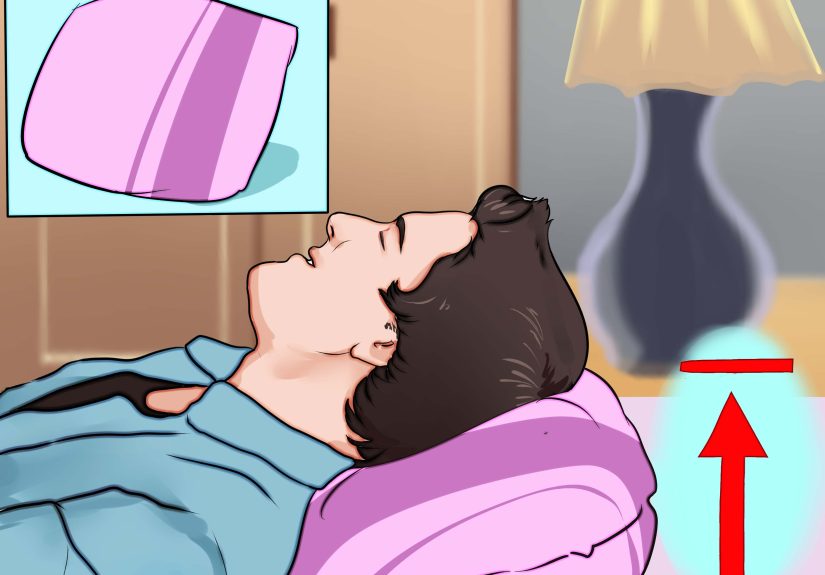
4) Sleep setup matters
If sinus pressure turns into a sinus headache at night, elevate your head slightly. It can encourage
drainage and reduce that “pressure builds when I lie down” effect.
5) Consider what’s causing the pressure
Steam can help congestion from a cold, dry air, or mild sinus inflammation. If your pressure is driven
by allergies, controlling triggers and using appropriate allergy treatments often makes a bigger
difference than steaming alone.
When Steam Isn’t Enough
Most sinus pressure from colds or allergies improves with time and supportive care. But some symptoms
deserve medical attentionbecause your sinuses should not be running a long-term occupancy program.
Call a clinician (or urgent care) if you have:
- Symptoms that last more than 10 days without improvement, or worsen after initially improving
- High fever or significant facial swelling
- Severe headache, stiff neck, confusion, or light sensitivity
- Vision changes, eye swelling, or pain with eye movement
- Frequent recurrent sinus infections
- Immune system issues or serious chronic conditions
Steam is supportive care. If you’re dealing with bacterial sinusitis, significant inflammation, or
chronic sinus problems, treatments like saline irrigation, steroid nasal sprays, or other targeted
care may be more effective than steaming alone.
FAQ: Steam for Sinus Pressure
How long should I inhale steam?
Most people do 5–10 minutes for a bowl method, or 10–15 minutes in a steamy bathroom. If you feel
dizzy or overheated, stop early.
How often can I do steam inhalation?
One to three times daily is common during congestion. If your nose feels more irritated, scale back.
Is steam good for a sinus infection?
Steam can relieve symptoms (pressure, blocked feeling), but it doesn’t treat the underlying cause.
If symptoms are severe, prolonged, or worsening, get evaluated.
Cool mist or warm mistwhat’s better?
For households with children, cool mist is generally safer. Warm mist can feel soothing but carries
burn risks and requires careful placement and supervision.
Can steam make things worse?
It can if it’s too hot (irritation or burns), if you over-humidify your room (mold/allergens), or if
strong scents trigger your airways. Comfort is the goalif it’s not comfortable, it’s not helpful.
Conclusion
If sinus pressure has you feeling like your face is in a vice, steam can be a simple, low-cost way to
get some breathing roomliterally. Pick the method that fits your life:
- Bowl-and-towel steam for quick, targeted relief (adults only, and safely).
- Shower steam for a low-effort, low-spill option that’s great before bed.
- Humidifier or personal steamer for ongoing moistureespecially overnight.
Combine steam with hydration, warm compresses, and saline support for a stronger effect. And if your
symptoms linger, worsen, or come with red-flag signs, get checked out. Steam is your comfort coach,
not your entire medical team.
Experiences & Real-Life Steam Stories (Extra)
Below are a few illustrative, real-world-style scenarios people commonly run into when
trying steam for sinus pressure. If you recognize yourself in any of these, congratulations: you are
extremely human.
1) The “I Boiled Water and Now I’m Afraid of My Own Face” Moment
Picture this: you’re congested, mildly annoyed, and ready to do something dramatic. You heat water
until it’s basically auditioning for a geyser documentary. Then you lean in like you’re checking if
it’s done. Suddenly your eyes water, your skin feels attacked, and you learn an important truth:
steam that hurts is steam that’s too hot.
The fix is boring but effective: remove the water from heat, wait a minute or two, and keep your face
several inches away. You should feel warmth and moisturenot regret. If you want the “towel tent”
effect, let the towel trap the steam while you stay at a safe distance. Your sinuses don’t require a
sacrifice.
2) The “Shower Spa” That Accidentally Became a Full Lifestyle
Some folks discover that a steamy bathroom gives them the best immediate reliefespecially right
before bed. The first time, it’s a practical choice: “I want my nose to work.” The second time, it’s
self-care: “I deserve peace.” By the third time, you’re basically naming the bathroom like it’s a
boutique wellness retreat.
The upside is real: shower steam is easy, generally safer than bowls, and can loosen congestion so
your nose drains before you lie down. The watch-out is also real: hot showers can dry your skin and
dehydrate you. If you’re doing nightly steam sessions, keep water nearby and consider a
cool-mist humidifier at night as a lower-effort alternative.
3) The Humidifier That Helped… Until It Didn’t
Humidifiers can be fantastic for overnight nasal dryness and sinus pressureespecially in winter or
in rooms blasted by forced air heat. People often report waking up with less “sandpaper throat” and
a nose that doesn’t feel glued shut.
But there’s a classic plot twist: a humidifier works great for a week, then suddenly the room smells
“weird,” allergies flare, or you see suspicious residue. What happened? Usually one of two things:
humidity got too high (hello, mold-friendly environment), or the device wasn’t cleaned often enough.
The fix is simple and annoyingly adult: aim for 30%–50% humidity, empty water daily, and clean it on
schedule. If you’re prone to allergies, using distilled water and staying consistent with cleaning can
make a noticeable difference.
4) The “Steam + Saline” Combo That Feels Like a Cheat Code
A common experience is that steam alone feels good, but steam plus saline support works
better. Steam loosens things up; saline spray or irrigation helps rinse and move mucus along. People
often describe it like this: steam “softens the traffic,” and saline “opens a lane.”
If you try nasal irrigation, do it safely: use sterile/distilled/boiled-and-cooled water, keep your
device clean, and don’t force it if your ears hurt or you’re completely blocked. The goal is gentle
flow, not pressure-washing your face from the inside.
5) The Reality Check: Steam Is a Helper, Not a Hero
Another common “experience” is the moment you realize steam is about comfort, not conquest. If you
have a basic cold, steam can help you sleep and function while your body recovers. If you have
allergies, steam may soothe, but managing triggers often matters more. And if you have persistent,
worsening, or severe symptoms, the best move is to get evaluatedbecause no amount of bathroom spa
energy can substitute for proper medical care when you need it.
Bottom line: treat steam like a reliable friendsupportive, soothing, occasionally impressivebut not
the person you’d call to replace a professional when things get serious.