Table of Contents >> Show >> Hide
- First: Is a Wire Transfer Actually What You Need?
- What You Need Before You Start
- Way #1: Send a Wire Transfer Online (Wells Fargo Online / Digital Wires)
- Way #2: Send a Wire Transfer in the Wells Fargo Mobile App
- Way #3: Send a Wire Transfer at a Wells Fargo Branch
- Fees, Cutoff Times, and How Long Wires Take
- International Wires: The Details That Make (or Break) Delivery
- Receiving a Wire Into Your Wells Fargo Account
- Cancellations, Returns, and “Uh-Oh” Moments
- Wire Transfer Safety: The Rules That Save People Real Money
- Conclusion
- Real-World Experiences (and Lessons) to Make Your Next Wire Easier
- Experience #1: “I entered everything… and the wire still got returned.”
- Experience #2: “I needed it to go out todayand missed the cutoff time.”
- Experience #3: “The wire fee was waived, but the exchange rate surprised me.”
- Experience #4: “My bank asked extra questions and delayed the wirewhy?”
- Experience #5: “I got an email saying the wiring instructions changed.”
Wire transfers are the “overnight shipping” of money: fast, trackable, and taken seriously by banks everywhere.
They’re also the “measure twice, cut once” of paymentsbecause once a wire goes out, undoing it can be difficult.
If you’re sending earnest money for a home, paying an overseas vendor, or moving a large amount between banks,
wiring can be the right tool… as long as you do it carefully (and not while juggling three tabs, two coffees,
and one suspicious “URGENT: NEW WIRE INSTRUCTIONS!!!” email).
This guide breaks down three practical ways to send a Wells Fargo wire transferonline, in the mobile app,
or in person at a branchplus what information you’ll need, how fees typically work, and how to avoid the classic
mistakes that lead to delays, returns, and “why is the bank asking me so many questions?”
(Spoiler: it’s to protect your money.)
First: Is a Wire Transfer Actually What You Need?
A wire transfer is designed for situations where speed and certainty matterespecially for larger-dollar payments.
But it’s not always the best option. Before you wire, ask yourself:
- Is the recipient in the U.S. and I’m paying a person I trust? An ACH transfer or a person-to-person service may be simpler.
- Is this a big, time-sensitive payment (home closing, escrow, a contractor deposit, international invoice)? A wire may be appropriate.
- Am I being pressured to wire “right now” to avoid a penalty or unlock a prize? That’s a red flag. Wires are a favorite tool for scammers.
Wires aren’t “better” than other transfers; they’re just different. Think of them as the payment method you use when
the stakes are high and the timeline is tightlike choosing a fire extinguisher. You don’t want to use it every day,
but you want it to work when you need it.
What You Need Before You Start
Whether you wire online, in the app, or at a branch, you’ll want to gather the same core details up front. This is where
most delays are bornusually from one missing digit, one swapped routing number, or one “I thought the account number was optional.”
(It is not optional. It is extremely not optional.)
Required info for most wires
- Recipient name and address
- Recipient bank name (and often the bank’s address)
- Amount and (sometimes) a message/purpose
For domestic (U.S.) wires
- ABA/Routing number (ABA/RTN) for the recipient’s bank
- Recipient account number
For international wires
- SWIFT/BIC for the recipient’s bank
- IBAN (for many countries)
- Country-specific bank codes (examples: sort code, IFSC, CLABE, BSB, etc.)
- Purpose of payment (required for some countries)
A quick “don’t-get-returned” checklist
- Confirm the recipient name matches the bank account records (especially for business accounts).
- Double-check the routing/ABA (domestic) or SWIFT/IBAN (international).
- If you’re wiring for a home closing or invoice, verify instructions using a known, trusted phone numbernot one from a last-minute email.
- Ask whether the recipient’s bank requires an intermediary bank for international wires.
Way #1: Send a Wire Transfer Online (Wells Fargo Online / Digital Wires)
If you like a bigger screen, fewer typos, and the ability to see all fields at once, the online method is your best friend.
This is often the smoothest option for setting up recipients and reviewing details before you hit “Send.”
Step-by-step: Online wire transfer
- Sign on to Wells Fargo Online.
- Go to the Transfer & Pay area and choose the option to Wire Money.
- Add your recipient (or select an existing one). Enter the bank details and account details carefully.
- Choose your funding account (the Wells Fargo account you’re sending from).
- Enter the amount. For international wires, choose whether you’re sending in U.S. dollars or foreign currency.
- Review everythingrecipient name, bank routing/SWIFT, account number, and delivery details.
- Complete any required security verification and submit.
Why online works well
- Better visibility: fewer “hidden fields” and fewer mobile typing errors.
- Easy recipient management: helpful if you’ll wire more than once to the same person/business.
- Review before sending: the easiest place to spot a transposed digit.
Example: Paying a title company for a home closing
Let’s say you’re wiring $18,500 in closing funds. The title company gives you instructions that include a recipient name,
bank name, routing number, and account number. Here’s the smart flow:
- Call the title company using a phone number you already trust (website, contract, or previously confirmed contact).
- Confirm the wire instructions verbally, including the account number and routing number.
- Set up the recipient online and review every field before you send.
Way #2: Send a Wire Transfer in the Wells Fargo Mobile App
The mobile app method is perfect when you’re not near a computer, or you need to send while you’re out (as long as you’re
in a calm place with decent signalno “I’m doing this in the back of a rideshare” energy).
Step-by-step: Mobile app wire transfer
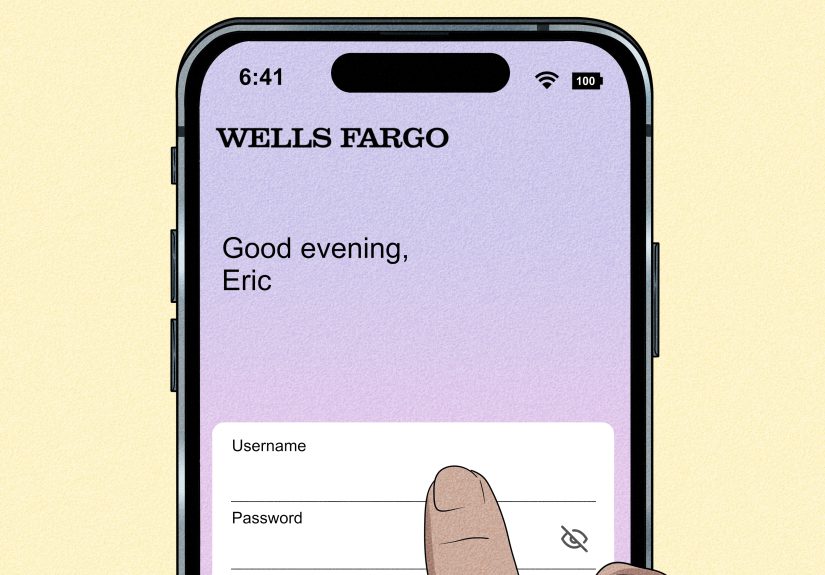
- Open the Wells Fargo Mobile app and sign in.
- Navigate to Transfer & Pay (or the equivalent “Send/Transfer” menu).
- Select Wire Money (Digital Wires).
- Add or select a recipient. Carefully enter banking details.
- Pick your funding account, set the amount, and choose currency (for international).
- Review and submit with the required authentication.
Mobile-specific tips (so your thumbs don’t sabotage you)
- Use copy/paste carefully: Only from trusted sources. Copying from a compromised email is how scams win.
- Zoom in and review the account number digit-by-digit before submitting.
- Don’t multitask: This isn’t the time to “wire money and also reply to texts.”
The app can be just as capable as online banking for Digital Wires, but the screen size makes review extra important.
If something feels complicated (foreign bank codes, intermediary banks, special instructions), consider switching to the
online method or asking a branch banker for help.
Way #3: Send a Wire Transfer at a Wells Fargo Branch
If you need higher limits, you’re wiring a very large amount, you’re dealing with complex international details,
or you simply want a human to sanity-check the form with you, the branch method is the “belt and suspenders” approach.
What to bring
- Valid ID
- Your Wells Fargo account details (the account you’re sending from)
- The recipient’s full wire instructions (domestic or international)
- Any supporting details (invoice number, closing statement, reference info)
What happens at the branch
- You tell the banker you want to send an outgoing wire transfer.
- You provide the recipient details and complete the wire request with assistance.
- The banker confirms your identity and may ask questions for fraud prevention (normal and good).
- You review and authorize the wire.
When the branch method is the best choice
- You need a higher send limit than what Digital Wires allows.
- You’re wiring to a country with extra routing codes and you want help getting it right.
- You attempted a digital wire and got stuck (errors, verification issues, recipient bank rejection).
- You’re sending a large, one-time payment and want maximum review.
Fees, Cutoff Times, and How Long Wires Take
Here’s the part everyone scrolls for: cost and timing. While fees can vary by account type and may be waived in certain cases,
Wells Fargo generally lists different fees for digital vs. branch wires and explains that third parties may also charge fees.
Typical outgoing wire fees (consumer)
- Digital wire: commonly a fee (often shown as $25) for wires sent in U.S. dollars
- International sent in foreign currency: sometimes shown as no transfer fee, but exchange rate markup can apply
- Branch wire: commonly higher (often shown as $40)
Important: even if the transfer fee is waived, foreign-currency wires can still have a cost baked into the
exchange rate (the bank sets the rate and may include a markup). That’s normal in bankingjust don’t confuse
“no wire fee” with “free international transfer.”
Cutoff times (why “today” sometimes means “next business day”)
Banks use cutoff times to determine whether a wire goes out the same business day or the next one. Wells Fargo publishes
specific cutoff times for Digital Wires, and submitting after the cutoff can push the send date to the next business day.
If you’re on a deadline (like a closing), don’t play chicken with the clock.
How long does delivery take?
- Domestic wires: often same business day if submitted before cutoff
- International wires: commonly 1–5 business days depending on country and banking networks
Also: your wire might go through an internal security review. If the bank contacts you to verify details, responding quickly
helps keep things moving.
International Wires: The Details That Make (or Break) Delivery
International wires are where tiny details become big drama. A domestic wire usually needs a routing number and account number.
An international wire may also require an IBAN, SWIFT/BIC, and a country-specific bank code. If you’re sending overseas,
ask the recipient (or their bank) for a complete set of instructions.
Common international requirements
- SWIFT/BIC: identifies the recipient’s bank in the international system
- IBAN: identifies the specific account (many countries use this)
- Local bank codes: examples include UK sort code, India IFSC, Mexico CLABE, Australia BSB
- Purpose of payment: sometimes required for regulatory reasons
USD vs. foreign currency: which should you choose?
Sometimes you can send an international wire in U.S. dollars or in the recipient’s local currency.
Choosing local currency can be helpful when the recipient needs a specific amount in their currency, but the exchange rate matters.
Choosing USD can shift currency conversion to the receiving side, which may or may not be cheaper.
Practical tip: ask the recipient what they prefer and whether their bank charges incoming fees. International wires can involve
intermediary bank fees too, which can reduce the amount received if the fee is deducted along the way.
Receiving a Wire Into Your Wells Fargo Account
Sometimes you’re not sending moneyyou’re waiting for it (and refreshing your account like it’s concert ticket day).
When someone wants to wire money to your Wells Fargo account, you’ll typically provide:
- Wells Fargo Bank name (Wells Fargo Bank, N.A.)
- Domestic routing number (ABA/RTN)
- SWIFT/BIC for international wires
- Your full account number (including leading zeros if applicable)
- Your name and address as shown on your account
Always confirm the correct receiving instructions directly inside your Wells Fargo wire resources or by contacting the bank,
because accounts and products can have different requirements.
Cancellations, Returns, and “Uh-Oh” Moments
If you’ve ever wished you could unsend a wire like an email, you’re not alone. But wires don’t always allow cancellations.
Generally, a wire may only be cancelable in certain statuses (for example, “scheduled” before processing starts).
Common wire statuses (plain English)
- Scheduled: not processing yet; cancellation might be possible
- Pending: processing; cancellation is usually no longer available
- Completed: sent
- Returned: recipient bank didn’t accept it; funds typically credit back (fees may reduce the returned amount)
- Failed: not sent; funds return to your account
Why wires get returned
- Incorrect routing/SWIFT/IBAN
- Mismatched recipient name vs. account record
- Missing required bank code (like sort code/IFSC/CLABE)
- Recipient bank rejects due to compliance checks or missing “purpose of payment”
If a wire is returned, read the reason carefully, correct the information, and resend only after verifying details again.
Don’t “guess and retry” with large payments.
Wire Transfer Safety: The Rules That Save People Real Money
Wire transfers are heavily used in legitimate transactionsand heavily targeted by fraudsters for the same reason:
they can move quickly, and recovery can be difficult. The safest wire is the one you verify like your future self is paying the bill.
Five safety habits to use every time
- Verify instructions using a trusted channel: call a known number (not the number in the email/text).
- Be suspicious of last-minute changes, especially around real estate closings and invoices.
- Don’t wire to strangers or anyone demanding a wire as the only payment method.
- Slow down: urgency is a scammer’s favorite seasoning.
- If you think you sent a wire to the wrong place, contact your bank immediately and report it. Timing matters.
Bottom line: Treat wiring money like handing someone an envelope of cashonly do it when you’re confident about who’s receiving it,
why they’re receiving it, and how to reach them through verified contact information.
Conclusion
If you need to send a Wells Fargo wire transfer, you’ve got three solid routes:
online (best for review), mobile (best for convenience), or in-branch
(best for large amounts, higher limits, or complex international details). The “right” method depends on your timeline,
the complexity of the recipient’s banking information, and how much reassurance you want before you hit send.
No matter which route you choose, the success formula is the same: gather complete recipient details, submit before cutoff times
when timing matters, review every digit like it’s a final exam, and verify instructions outside of email if there’s any chance
you’re being targeted by fraud. Fast money is great. Fast money to the wrong place is… not.
Real-World Experiences (and Lessons) to Make Your Next Wire Easier
People don’t usually “learn wire transfers” from a textbookthey learn them from real situations: a house closing deadline,
an international invoice, a tuition payment, or a contractor who wants a deposit yesterday. Below are common experiences
customers report (and what you can do to avoid stress when you run into the same thing).
Experience #1: “I entered everything… and the wire still got returned.”
This is one of the most common frustrations, especially with international wires. A return doesn’t always mean you did
something wildly wrong; it can mean you missed one small requirement. For example, some countries require extra codes
(like a sort code or IFSC), and some recipients need the “purpose of payment” filled in for compliance reasons.
Another common cause is a mismatch between the recipient name you entered and the exact legal name on the account.
The fix is boring but effective: ask the recipient for a “bank-provided wire instruction sheet” or a screenshot from their bank’s
official instructions (not a random text typed from memory), and confirm any country-specific code requirements. If it’s a business,
use their full registered name. If the receiving bank requires an intermediary bank, get those details toobecause the intermediary
is the difference between “arrived” and “lost in correspondent-bank limbo.”
Experience #2: “I needed it to go out todayand missed the cutoff time.”
This happens constantly. People hear “wire transfer” and assume “instant.” In reality, timing depends on the bank’s processing window.
If you submit after the cutoff time, your wire may go out the next business day. That matters when you’re funding escrow, paying a
same-day invoice, or trying to meet a contract deadline.
The life hack here is simple: treat your wire like a flight. Show up early. If you have a same-day need, start the process in the morning,
not at 2:59 p.m. with shaky Wi-Fi and a heart full of optimism. If a deadline is truly immovable (like a closing), consider going to a branch
earlier in the day so a banker can help confirm details and reduce the chance of a delay caused by typos or verification steps.
Experience #3: “The wire fee was waived, but the exchange rate surprised me.”
With international wires, there are often two cost levers: the wire transfer fee and the exchange rate. Some customers focus on the posted
“fee” and assume that’s the whole cost. But when sending in foreign currency, the bank may set an exchange rate that includes a markup.
That doesn’t mean anything shady is happeningit’s just how many banks price currency conversion.
The practical move is to decide what matters most: if the recipient needs an exact amount in their local currency, sending in foreign currency
can make the “amount received” more predictable. If you want to reduce exchange-rate uncertainty, you can ask the recipient whether they prefer
receiving USD and converting on their end. There’s no universal winner; the best choice depends on the recipient’s bank fees and how the conversion
is handled. For large payments, it can be worth asking the recipient what typically results in the best net amount received.
Experience #4: “My bank asked extra questions and delayed the wirewhy?”
This often happens on first-time recipients, unusually large amounts, or wires that look different from your normal activity. Customers sometimes
interpret extra verification as an obstacle, but it’s usually fraud prevention. Banks may perform internal reviews and may contact you to confirm
details before releasing the wire. That phone call can feel annoyinguntil you realize it’s the same system that can stop a scam from draining your account.
If you want to reduce delays, keep your contact information current, be ready to confirm the payment details, and avoid sending wires from unfamiliar devices
or networks. And if you’re wiring for a home closing, contractor, or business purchase, prepare supporting details (invoice numbers, closing disclosures,
contract references). The more legitimate your documentation looks, the easier it is for a bank to clear the transaction quickly.
Experience #5: “I got an email saying the wiring instructions changed.”
This is the most important experience on the list because it’s where real money disappears. In real estate and business payments, fraudsters may impersonate
a legitimate party and send “updated” wire instructions right before a deadline. The email looks convincing. The timing feels plausible. And the request
often pressures you to act fast.
The smart response is always the same: stop, verify, and call a known number you trust (a number you already had, not a new one in the email). If the change
is real, the legitimate party will confirm it through a verified channel. If it’s a scam, that one phone call can save you thousands. Many people who avoid
wire fraud don’t have superpowersthey just refuse to treat email as a secure instruction channel for money movement.
If you take nothing else from these experiences, take this: a successful wire transfer is less about “clicking the right buttons” and more about
preparation + verification + review. Do those three things, and wires become routine. Skip them, and wires become the kind of story you tell
starting with, “So… you’re not going to believe what happened.”