Table of Contents >> Show >> Hide
- Why spring allergies are changing (and why your sinuses are furious)
- Know your enemy: what “spring allergies” usually means
- Your spring allergy game plan (built for a changing climate)
- Make your home a low-pollen refuge (without turning it into a sterile lab)
- Outdoor survival tactics (yes, you can still go outside)
- When climate extremes collide with allergies
- Community-level solutions (because it shouldn’t be your job alone)
- FAQ (good questions your nose wishes you’d asked sooner)
- Field Notes: 5 real-world spring allergy experiences (and what people do that actually helps)
- 1) The runner whose “energizing morning jog” became a sneeze festival
- 2) The parent whose kid keeps “catching colds” every spring
- 3) The office worker who didn’t realize their commute was part of the problem
- 4) The gardener who loves plants… but plants do not love them back
- 5) The person who got blindsided by “weird spring” weather
- Conclusion: you can’t cancel spring, but you can outsmart it
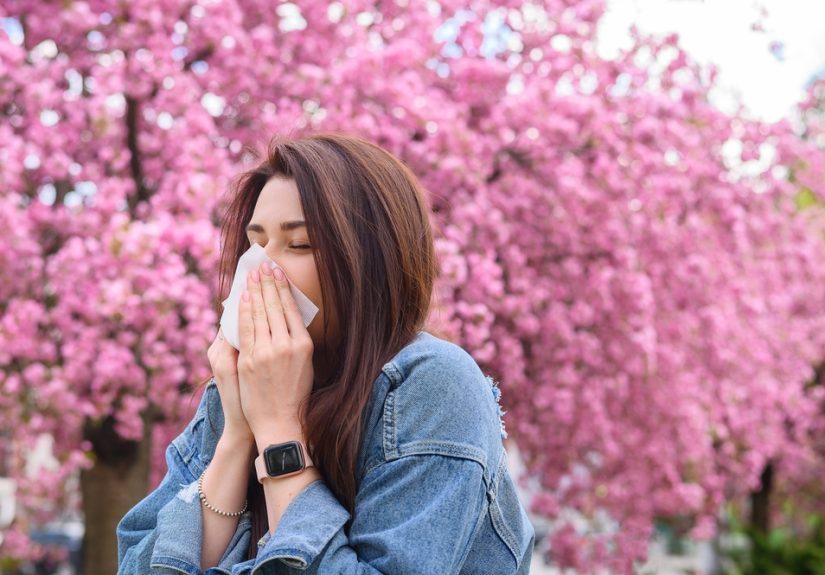
Spring used to be a vibe. Birds chirping, trees blooming, people emerging from winter like mildly confused bears. Now? Spring can feel like nature’s confetti cannonexcept the confetti is pollen, and your nose is the target.
If your “seasonal allergies” are starting earlier, hitting harder, and hanging around like an awkward party guest who won’t take the hint, you’re not imagining it. Climate change is reshaping allergy season: longer growing seasons, more pollen in the air, and weather patterns that can turn a normal day into a symptom spike. The good news: you can adapt. The better news: you can do it without becoming a full-time indoor hermit (unless you want tono judgment).
Why spring allergies are changing (and why your sinuses are furious)
1) Pollen season is stretching like it’s training for a marathon
Warmer temperatures and fewer frost days can kick-start pollination earlier in the year and delay the “season’s over” moment later on. That longer window means more days when tree and grass pollen can circulateand more opportunities for your immune system to act like it’s fighting a tiny floral invasion.
2) Extra CO2 is basically plant energy drink
Plants use carbon dioxide to grow. When CO2 levels rise, certain allergenic plants (notably some grasses and weeds) can produce more pollen. Think of it as giving pollen-producing plants a bigger budget and a louder megaphone. More plant growth + longer seasons = more exposure for allergy-prone humans.
3) Weather whiplash changes what’s in the air
Climate change doesn’t just mean “warmer.” It can also mean more volatile patterns: early warm spells followed by late cold snaps, heavier rains, drought stretches, and stronger storms. All of that influences when plants bloom, how pollen travels, and how irritated your airways get.
4) Cities can be allergy amplifiers
Urban heat islands (cities running warmer than nearby areas) can push earlier blooms and longer growing seasons locally. Add traffic pollution to the mix, and you get a not-fun combo: air pollutants can irritate airways and may make allergic symptoms feel more intense.
Know your enemy: what “spring allergies” usually means
In the U.S., spring allergy symptoms are often driven by tree pollen (and depending on your region, the timing can vary a lot). As the calendar rolls forward, grass pollen often ramps up in late spring into summer. Meanwhile mold spores can show up after rainy periods, and air pollution can crank symptoms up a notch any time it’s high.
Common spring allergy symptoms (aka “why am I like this?”)
- Sneezing, runny nose, congestion
- Itchy eyes, watery eyes, red eyes
- Scratchy throat, postnasal drip, cough
- Fatigue (“I slept 8 hourswhy do I feel like I didn’t?”)
- Asthma flare-ups: wheeze, chest tightness, shortness of breath
Important: If you have asthma, allergies aren’t just annoyingthey can be risky. Spring pollen plus airway inflammation can raise the chance of asthma symptoms or attacks. If breathing becomes difficult, treat it as a medical issue, not a “tough it out” moment.
Your spring allergy game plan (built for a changing climate)
Step 1: Identify your triggers (guessing is overrated)
“I’m allergic to spring” is relatablebut it’s not specific enough to be useful. Try to pinpoint whether you react to trees, grasses, mold, or a mix.
- Pattern clue: Symptoms spike on dry, windy days? Likely pollen.
- Pattern clue: Symptoms spike after rain or in damp spaces? Mold may be involved.
- Pattern clue: Symptoms worsen near traffic or smoky conditions? Air pollution may be stacking the deck against you.
If symptoms are persistent, severe, or confusing, consider allergy testing with an allergist. Knowing the exact trigger can change your strategy from “random suffering” to “targeted control.”
Step 2: Track the air like you track the weather
In a climate-changed world, “average spring” matters less than what’s happening this week. Treat pollen and air quality as daily variables.
- Pollen count: Helps you decide when to limit outdoor time, close windows, or mask up.
- Air Quality Index (AQI): Helps you understand pollution levels. When AQI is high (especially for sensitive groups), outdoor exertion can feel roughparticularly for people with asthma or allergies.
Pro move: Make your plan based on both pollen and AQI. A “low pollen” day with “bad AQI” can still wreck your breathing. A “good AQI” day with “very high pollen” can still ruin your face.
Step 3: Start treatment early (don’t wait until you’re already miserable)
One of the biggest quality-of-life upgrades is pre-gaming allergy season. Some medicines work best when started before peak pollen hits.
Common options (talk to a clinician for what fits you)
- Non-drowsy oral antihistamines for sneezing, itching, runny nose
- Intranasal steroid sprays for congestion and inflammation (often most effective when used consistently)
- Antihistamine nasal sprays for quick symptom relief for some people
- Eye drops for itchy/watery eyes
- Saline rinse to wash pollen out of nasal passages (simple, underrated)
Reality check: If you need decongestant sprays for more than a few days, ask a clinicianoveruse can lead to rebound congestion. Your nose remembers. Your nose holds grudges.
Step 4: Consider immunotherapy if spring keeps winning
If you’re doing “all the right things” and still feel like pollen is personally targeting you, ask an allergist about allergy shots (subcutaneous immunotherapy) or sublingual immunotherapy (for certain allergens). Immunotherapy can reduce sensitivity over time and may be especially helpful as allergy seasons lengthen.
Make your home a low-pollen refuge (without turning it into a sterile lab)
Close the gates when pollen is high
- Keep windows closed on high-pollen days (especially midday/afternoon in many areas).
- Use air conditioning on “recirculate” when practical.
- Change HVAC filters regularly; consider higher-efficiency filters if your system supports them.
Use filtration strategically
A HEPA air purifier in your bedroom can be a big helpsleep is when your body tries to repair, and also when your nose likes to throw tantrums if it’s clogged. If wildfire smoke is also a concern where you live, filtration becomes even more valuable.
Do a “pollen rinse” routine
- Shower and wash hair before bed if you’ve been outside (pollen clings like glitter).
- Change clothes after outdoor time.
- Keep pets clean-ish; they bring pollen inside on fur.
- Dry laundry indoors when pollen is high (outdoor-dried sheets can become pollen towels).
Clean smarter, not harder
Vacuum with a HEPA-equipped vacuum if possible, dust with a damp cloth, and focus on bedrooms first. You don’t need to scrub the entire house like a crime scenejust reduce the pollen load where you breathe the most.
Outdoor survival tactics (yes, you can still go outside)
Time it
Pollen patterns vary by region and plant type, but often dry, warm, windy days spread pollen more. After rain, pollen can temporarily dropthough later, mold spores may rise. The best plan is to check local counts and learn your body’s patterns.
Wear barriers that don’t look dramatic
- Sunglasses reduce pollen contact with eyes.
- A well-fitting mask can reduce inhaled particles on very high pollen days (and is also useful during smoke events).
- Hat + tied-back hair cuts down the “pollen souvenir” effect.
Car settings matter more than you’d think
Use “recirculate” and keep windows up on high pollen days. If your cabin air filter hasn’t been changed since your car had a CD player, it’s time.
When climate extremes collide with allergies
Thunderstorms and “thunderstorm asthma”
Some thunderstorms during pollen season can trigger sudden asthma symptoms in susceptible people. The combination of high pollen and storm conditions can break pollen into smaller particles that get deeper into the lungs. If you have asthma (or a history of wheezing with allergies), be extra cautious around storm forecasts during high pollen periods.
- Stay indoors with windows closed during stormy, high-pollen conditions.
- Keep rescue inhalers accessible if prescribed.
- If you have frequent spring wheeze, talk to your clinician about an asthma action plan.
Wildfire smoke season is now part of the allergy conversation
In many parts of the U.S., spring and summer can overlap with wildfire smoke events. Smoke is a powerful airway irritant, and when combined with pollen, it can feel like your respiratory system is being asked to run a marathon while someone yells “breathe better!” from the sidelines.
- Check AQI and follow public health guidance when smoke is present.
- Create a “clean room” at home: one room with doors/windows closed and filtered air.
- If you must go outside in heavy smoke, a properly fitted respirator (like an N95) provides more protection than a cloth mask.
Flooding and dampness can boost mold
Heavier downpours and flooding can lead to damp indoor environments where mold can thrive. If you notice musty smells or visible mold, address moisture sources quickly (leaks, humidity, ventilation) and consider professional remediation for large areas.
Community-level solutions (because it shouldn’t be your job alone)
Individual strategies help, but the broader trendlonger, more intense pollen seasonsalso calls for smarter public planning.
What helps at the city or school level
- Better ventilation and filtration in schools and public buildings
- Tree and landscaping choices that consider allergenicity (not just aesthetics)
- Heat and air quality planning that protects sensitive groups
- Public pollen monitoring and clearer communication during extreme days
Equity matters
Not everyone can afford air purifiers, allergy care, or upgraded filters. Communities that face higher pollution burdens or housing challenges may experience worse outcomes. Improving indoor air in public spaces and expanding access to care can reduce the gap.
FAQ (good questions your nose wishes you’d asked sooner)
Are allergies actually getting worse, or am I just aging dramatically?
Both things can be true: your immune system can change over time, and evidence shows pollen seasons are shifting and lengthening in ways linked to warming, with projections that pollen emissions and season lengths can increase further in coming decades.
Should I start meds only when symptoms start?
Many people do better starting preventivelyespecially with nasal steroid sprays, which work best when used consistently. Ask your clinician what timing makes sense for your symptom pattern.
Can I “move somewhere with no pollen”?
Pollen exists basically everywhere plants exist. Even if you escape one set of allergens, you may meet a new set and develop new sensitivities over time. A better approach is building a smart routine that works wherever you live.
Field Notes: 5 real-world spring allergy experiences (and what people do that actually helps)
(These are common experiences reported by patients, clinicians, and allergy-prone humans everywhereshared here as practical scenarios, not medical advice.)
1) The runner whose “energizing morning jog” became a sneeze festival
Plenty of active people notice spring allergies feel worse now because the season starts earlier and the “high pollen” window lasts longer. A common adjustment is switching workouts to times with lower pollen (based on local counts), wearing wraparound sunglasses, and doing a quick rinse/shower immediately after. Some runners keep a simple rule: if pollen is extreme, they run indoors or strength-train insteadbecause cardio is hard enough without inhaling a botanical blizzard.
2) The parent whose kid keeps “catching colds” every spring
Parents often describe a spring cycle of congestion, cough, and fatigue that looks like back-to-back coldsuntil someone notices it’s tied to pollen peaks. What tends to help: consistent bedtime routines that include washing hair, changing clothes after outdoor play, and keeping bedroom air cleaner (often with filtration). Families also learn the difference between “itchy/sneezy” allergy patterns and fever-ish illness patterns. When asthma is part of the picture, caregivers who work with clinicians to create an asthma action plan often feel more in control during volatile spring weather.
3) The office worker who didn’t realize their commute was part of the problem
Some people can manage pollen but get wrecked when pollen plus air pollution shows up. They report symptoms spiking after sitting in traffic or walking along busy roads. Helpful changes include keeping the car on recirculate, replacing cabin filters, and checking AQI alongside pollen counts. On high AQI days, even a “low pollen” report might not feel lowbecause irritated airways don’t care what the calendar says.
4) The gardener who loves plants… but plants do not love them back
Gardeners often describe a tragic comedy: nurturing the very ecosystem that triggers their symptoms. Many find relief by choosing lower-allergen plants where possible, gardening after rain when pollen may be temporarily lower, masking on very high pollen days, and changing clothes immediately after. Gloves also help reduce skin/eye touching (because nothing says “I regret this” like rubbing pollen into your eyelids). The key shift is treating pollen exposure like sun exposure: you can still enjoy it, but you plan for it.
5) The person who got blindsided by “weird spring” weather
A warm spell that triggers early blooms, followed by a cold snap, followed by windy drynessthis kind of weather whiplash can make symptoms unpredictable. People coping well often build flexible routines: they track daily pollen and AQI, keep a small kit (eye drops, non-drowsy antihistamine if appropriate, tissues, saline spray), and adjust plans without guilt. The mindset changes from “Why is spring attacking me?” to “Okay, what’s the air doing today?”which is oddly empowering.
Across these experiences, the pattern is consistent: the best outcomes come from combining information (pollen + AQI), prevention (starting early), and environment control (cleaner indoor air). Climate change may be stretching allergy season, but you can stretch your strategy right back.
Conclusion: you can’t cancel spring, but you can outsmart it
Spring allergies in the era of climate change are less of a “few bad weeks” and more of a moving targetearlier starts, longer seasons, and occasional extreme conditions that intensify symptoms. The winning approach is proactive: identify triggers, track pollen and AQI, start treatments early, and make indoor air a safe haven. If symptoms are persistent or severe, working with an allergist can unlock more targeted options, including immunotherapy.
And remember: the goal isn’t to live in fear of trees. The goal is to enjoy spring while your immune system learns to stop declaring war on it.