Table of Contents >> Show >> Hide
Note: This HTML contains only the <body> content and is cleaned for web publishing, with no placeholder citation artifacts or unnecessary markup.
Green tree frogs are the kind of pets that make people say, “Wait, that tiny leaf just blinked.” They are charming, bright-eyed, wonderfully weird, and surprisingly easy to enjoy when their setup is done right. But “easy” does not mean “decorate a tank, toss in a cricket, and hope for the best.” These frogs thrive when their environment actually matches what their bodies expect: warmth, humidity, climbing space, clean water, and a low-stress routine.
If you are learning how to care for green tree frogs, the good news is that the basics are clear. These frogs are insect-eaters, strong climbers, and mostly active at night. They do best in tall, planted enclosures with stable humidity, gentle lighting, and safe surfaces for climbing and hiding. In other words, they want a tiny jungle, not a sad glass box with one fake branch and vibes.
This guide breaks green tree frog care into three practical methods that matter most: building the right habitat, feeding them properly, and protecting their health with calm, consistent care. Get these three parts right, and your frogs have a much better shot at living active, healthy lives instead of sitting in a corner looking like disappointed gummy candy.
1. Build a Habitat That Feels Like a Tree Frog Home
The first and most important step in green tree frog care is enclosure design. Green tree frogs are arboreal, which means they are built to climb. A short, bare tank works about as well for them as an apartment with no floor works for humans. They need vertical space, climbing surfaces, visual cover, and a humid environment that stays stable from day to day.
Choose Height Over Fancy Gimmicks
A tall terrarium is usually a smarter choice than a wide, low tank. These frogs like to perch on branches, leaves, cork bark, and vines. They also benefit from a secure screen top for ventilation, as long as the enclosure does not dry out too quickly. The goal is not to build a frog mansion worthy of a reality show. The goal is to create usable space from floor to top, with multiple levels where the frogs can rest, hide, and hunt.
Live plants or sturdy artificial plants both work well. Add angled branches, cork bark panels, and climbing paths that connect the lower part of the tank to the upper perches. A heavily planted look is not just pretty for humans. It helps frogs feel secure, reduces stress, and gives them the kind of cover they naturally prefer. A stressed frog often becomes a reclusive frog, and a reclusive frog is much harder to monitor.
Get Humidity and Temperature Right
Humidity is not a decorative bonus. It is a core survival need. Because frogs have delicate, permeable skin, they lose moisture easily when the air is too dry. A proper green tree frog enclosure should stay humid without becoming swampy or filthy. Regular misting, a shallow bowl of dechlorinated water, moisture-friendly substrate, and live plants can help maintain the right balance.
Temperature matters just as much. Green tree frogs need a gentle daytime warmth with a cooler nighttime drop. They do not need an extreme basking setup like a desert lizard. Think warm and stable, not tropical sauna crossed with toaster oven. A mild heat source, controlled safely, can help keep the habitat within an appropriate range. Thermometers and hygrometers are not optional accessories for people who enjoy shopping. They are the dashboard of the whole setup.
Lighting also plays a role. While green tree frogs are nocturnal, a regular day-night cycle still helps support normal behavior. Low-level UVB is often recommended in modern care because it may support normal calcium use, immune function, and overall behavior. The key is moderation: provide light, provide shade, and let the frog choose where to spend its time.
Use Safe Substrate and Keep Water Clean
Substrate should help hold humidity without creating a mess or a medical problem. Coconut fiber, damp sphagnum moss, or other frog-safe moisture-retaining materials are common choices. Avoid small gravel or loose pieces that can be swallowed during feeding. Intestinal blockage is not the kind of adventure anybody signed up for.
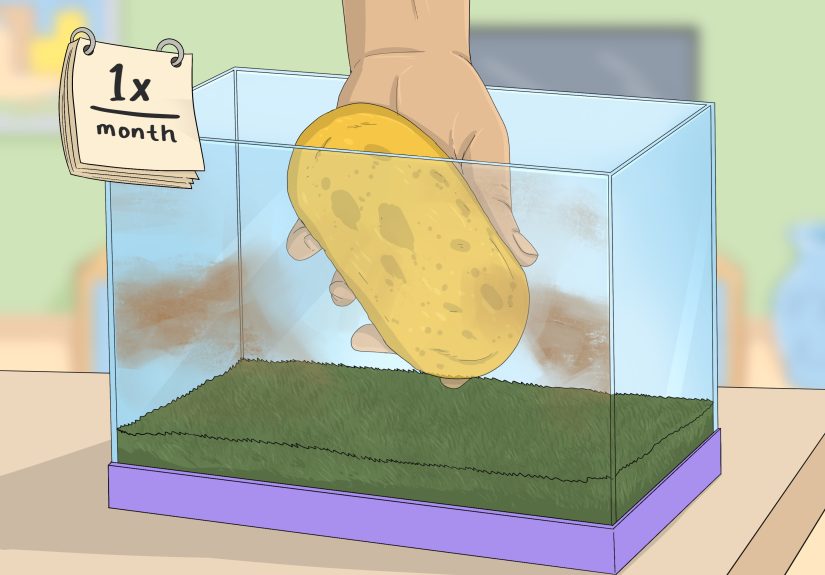
Water must be dechlorinated and changed often. Frogs absorb water through their skin, so poor water quality can become a serious problem fast. A shallow soak dish is useful, but it should be cleaned daily. The enclosure itself should be spot-cleaned every day and deep-cleaned regularly. A clean frog habitat does not smell like a swamp. It smells like absolutely nothing, which is a very underrated success.
2. Feed Green Tree Frogs Like the Insect Hunters They Are
The second way to care for green tree frogs is to treat feeding as real nutrition, not random bug tossing. These frogs are insectivores, and in captivity they rely on you to provide variety, safe portion sizes, and proper supplementation. A frog that eats is not automatically a frog that is well nourished.
Offer a Varied Insect Diet
Crickets are the classic staple, but they should not be the entire menu forever. Roaches, mealworms in moderation, waxworms as occasional treats, and other appropriately sized feeder insects can add variety. The rule of thumb is simple: the insect should generally be no wider than the frog’s head. Oversized prey can cause stress, injury, or feeding refusal.
Green tree frogs hunt movement, so active prey usually gets the best response. Many keepers notice that frogs become more eager feeders at dusk or after the enclosure lights dim. That is normal. These are nighttime little weirdos, and their internal clock is part of how they feel comfortable eating.
Gut-Load and Supplement the Food
One of the biggest mistakes in tree frog feeding is assuming that a cricket is automatically nutritious just because it exists. Feeder insects should be gut-loaded, meaning they are fed a nutrient-rich diet before being offered to the frog. This makes the insect more valuable as food instead of basically functioning as a crunchy delivery vehicle with legs.
Calcium and vitamin supplementation matter too. Juvenile frogs generally need more frequent feeding and closer attention to supplementation because they are still growing. Adults often eat less often, but they still benefit from calcium and periodic multivitamin support. Balance matters. Too little supplementation can lead to nutritional problems, while too much should also be avoided. A consistent schedule works better than random bursts of panic-dusting.
Do Not Ignore Hydration
Hydration is part of feeding success. A frog that is dehydrated may become lethargic, inactive, or uninterested in food. Fresh, clean, chlorine-free water should always be available. Misting also helps maintain hydration, especially in drier homes or during colder months when indoor air gets harsh and dry.
Many keepers think they have a “picky frog” when the real problem is poor enclosure conditions. Before blaming the frog for having standards, check the temperature, humidity, lighting cycle, and overall stress level. Frogs are not dramatic for fun. Usually, they are responding to something in the environment.
3. Protect Their Health With Gentle Handling and Routine Care
The third way to care for green tree frogs is the one beginners underestimate most: leave them alone more often. These frogs are display pets, not cuddle pets. Their skin is delicate, their stress response matters, and too much handling can do more harm than many people realize.
Handle as Little as Possible
Frogs do not enjoy being passed around like tiny celebrity guests. Their skin can absorb residues, oils, and chemicals from human hands, and excessive handling can damage the protective slime layer that helps defend against infection. If handling is necessary, it should be brief, careful, and done with clean, moistened gloves or properly prepared hands depending on veterinary guidance. Wash hands before and after any contact, both for the frog’s health and your own.
This also matters because amphibians can carry germs such as Salmonella. Good hygiene is not overreacting. It is basic common sense with better public relations.
Watch for Early Signs of Trouble
A healthy green tree frog is usually alert, responsive, and reasonably eager to eat. Its skin should look healthy, not ulcerated or abnormally dry. Breathing should not seem labored. Sudden weight loss, refusal to eat, bloating, abnormal shedding, skin lesions, lethargy, weak movement, or spending all day hidden without normal nighttime activity can all be warning signs.
Frogs often go downhill quietly, which makes observation important. A simple care routine helps: check temperatures, humidity, water quality, body condition, appetite, and waste every day. A frog may not send a formal complaint email when something is wrong. It will just behave differently, and that is your clue.
Choose Captive-Bred Frogs and Avoid Mixing Species
Captive-bred green tree frogs are usually the better choice. They tend to adapt to captivity more reliably than wild-caught animals, and choosing captive-bred frogs also reduces pressure on wild populations. Wild amphibians can carry pathogens, become stressed easily in captivity, and may never settle well into a household environment.
It is also best not to mix different amphibian species in one tank. Different species often need different temperatures, humidity levels, diets, and space. Even when they look cute together, “cute” is not a care plan. It is a future problem wearing a photogenic disguise.
Common Green Tree Frog Care Mistakes to Avoid
Most green tree frog problems do not start with dramatic emergencies. They begin with small, repeated mistakes. The enclosure is too dry. The substrate is unsafe. The frog is handled too much. The insects are not supplemented. The water dish is ignored. Cleaning happens “tomorrow,” and somehow tomorrow keeps filing for an extension.
Another common mistake is overdecorating the enclosure without thinking about function. Frogs need cover, but they also need to find prey. If the tank is packed so tightly that crickets vanish into the jungle forever, the frog may miss meals while the insects begin their own independent civilization behind the cork bark.
There is also the classic beginner trap of assuming stillness means contentment. Sometimes a frog perched quietly is perfectly fine. Other times, a frog that never moves, never hunts, and never changes position is telling you the setup is wrong. Green tree frog care works best when observation and husbandry go together.
Experience-Based Lessons From Caring for Green Tree Frogs
People who keep green tree frogs often describe the first few weeks as a mix of delight, confusion, and the occasional existential crisis caused by a frog refusing to sit where expected. One common experience is realizing that these frogs are far more active at night than beginners imagine. During the day, they may look like decorative leaves with opinions. At night, they start climbing, repositioning, stalking insects, and using every inch of vertical space. That is often the moment a keeper understands why a tall enclosure matters so much.
Another frequent lesson is that humidity is easier to ruin than to perfect. In many homes, the tank dries faster than expected, especially with air conditioning, heating, or a very ventilated top. New keepers often begin by misting too little, then overcorrect and make the tank too wet. Over time, they learn the sweet spot: moist air, damp surfaces in places, but not a soggy mess. A hygrometer becomes less of a gadget and more of a peace treaty between the frog and the human.
Feeding also teaches patience. A green tree frog may not charge dramatically at every insect the moment it enters the tank. Some frogs watch first, then move with the kind of slow confidence that makes them look like tiny green ninjas. Others seem personally offended by a supplement-dusted cricket and need time to adjust. Experienced keepers usually learn not to panic over every skipped meal, but they also learn not to ignore patterns. One missed feeding can be normal. Several missed feedings, paired with lethargy or poor body condition, means it is time to investigate.
Handling is another area where real experience humbles people fast. At first, many owners want to interact more directly. Then they notice that the frog does best when admired more than touched. Watching a frog settle onto a favorite leaf, hunt under evening light, or climb glass with sticky toe pads turns out to be rewarding on its own. These are pets that teach observation, not constant interference.
Long-term keepers also learn that small details make a huge difference. A water bowl cleaned daily prevents problems before they start. Extra climbing routes encourage normal behavior. Separate hiding spots reduce stress when more than one frog is housed together. Quiet consistency matters more than flashy equipment. Green tree frogs do not need luxury. They need stability.
Perhaps the biggest experience-based lesson is this: when green tree frog care is done well, the frogs become more visible, more confident, and more interesting. They perch out in the open, hunt with purpose, and settle into routines that make their personality surprisingly obvious. One frog may always choose the highest branch. Another may become the designated water bowl supervisor. Another may wait near the front glass at feeding time like it knows exactly who pays the insect bill.
That is when caring for green tree frogs becomes especially rewarding. You stop seeing them as fragile ornaments and start recognizing them as active, specialized animals with clear preferences and behaviors. The experience becomes less about “owning a frog” and more about learning how to build a small environment where an unusual little animal can actually thrive.
Final Thoughts
The best green tree frog care comes down to three things done consistently: create a tall and humid habitat, feed a varied and supplemented insect diet, and protect the frog’s health with gentle, low-stress management. None of this is wildly complicated, but all of it matters. A beautiful setup means very little if the water is dirty. A well-fed frog will still struggle in dry air. A clean tank will not solve constant overhandling.
When the basics work together, green tree frogs are fascinating, low-drama pets with plenty of personality. They climb, hide, hunt, soak, and quietly turn an ordinary corner of a room into something that feels a little bit like a warm Southern wetland after sunset. And honestly, that is a pretty good trick for an animal that can sit on a leaf and somehow look both adorable and judgmental at the same time.