Table of Contents >> Show >> Hide
- How fragrance really works (so you don’t plant perfume in the wrong zip code)
- The 23 best fragrant flowers to plant
- 1) Rose (Rosa)
- 2) Lavender (Lavandula angustifolia and relatives)
- 3) Lilac (Syringa)
- 4) Peony (Paeonia)
- 5) Gardenia (Gardenia jasminoides)
- 6) Star Jasmine / Confederate Jasmine (Trachelospermum jasminoides)
- 7) Sweetshrub / Carolina Allspice (Calycanthus floridus)
- 8) Mock Orange (Philadelphus coronarius and hybrids)
- 9) Winter Daphne (Daphne odora)
- 10) Honeysuckle (Lonicera spp.)
- 11) Sweet Pea (Lathyrus odoratus)
- 12) Stock (Matthiola incana)
- 13) Heliotrope (Heliotropium)
- 14) Dianthus / Pinks (Dianthus)
- 15) Sweet Alyssum (Lobularia maritima)
- 16) Flowering Tobacco (Nicotiana alata and hybrids)
- 17) Garden Phlox (Phlox paniculata)
- 18) Oriental Lily (Lilium, Oriental hybrids)
- 19) Hyacinth (Hyacinthus orientalis)
- 20) Lily of the Valley (Convallaria majalis)
- 21) Freesia (Freesia hybrids)
- 22) Tuberose (Tuberose; often sold as Polianthes tuberosa / Agave amica)
- 23) Southern Magnolia (Magnolia grandiflora) (or other fragrant magnolias)
- How to plan bloom times for a season-long scent
- Common mistakes that steal the scent
- What I’ve learned building a fragrance-first garden (real-world experience)
- Conclusion
A garden that looks good is nice. A garden that smells good? That’s a full-body experiencelike aromatherapy,
but with dirt under your nails and a smug grin on your face. The best part: you don’t need acres of land or a
secret greenhouse lab. With the right fragrant flowers (and smart placement), you can create a “walk-by-and-sigh”
yard from early spring through late summerand even into fall.
This guide rounds up 23 fragrant flowers for your gardenannuals, perennials, bulbs, shrubs, and vinesplus
practical design tips so the scent actually reaches your nose (instead of drifting off to impress the neighbor’s
mailbox).
How fragrance really works (so you don’t plant perfume in the wrong zip code)
Flower scent isn’t constant. Heat and sunshine “wake up” aromatic oils in many blooms, so some plants smell
strongest on warm afternoons. Othersespecially night-bloomerssave their best performance for evening to attract
moths and other nocturnal pollinators. Wind matters, too: place scented plants where breezes carry fragrance toward
patios, porches, paths, and open windows.
Quick design wins for a fragrance garden
- Plant near people: walkways, front doors, seating areas, and grilling zones (yes, it counts).
- Layer bloom times: mix spring bulbs + summer perennials + shrubs/vines for longer scent seasons.
- Use containers strategically: a pot of fragrant flowers by the door is basically a welcome hug.
- Go “nose-height”: tall flowers near seating; low growers along edges where you brush past them.
- Pick the right time of day: night-scented flowers belong near patios you use after dinner.
The 23 best fragrant flowers to plant
Below you’ll find a mix of classic scented blooms and a few underrated overachievers. For each one, you’ll get
what it smells like, where it thrives, and a tip that saves you from the “why won’t you bloom?” spiral.
1) Rose (Rosa)
Scent vibe: from citrusy to spicy to old-fashioned “floral shop romance” (without the drama).
Best for: beds, borders, and cutting gardens; also making you feel like a person who has it together.
Tip: smell-test varieties before buyingfragrance varies wildly. Give roses plenty of sun and airflow for healthier foliage.
2) Lavender (Lavandula angustifolia and relatives)
Scent vibe: clean, herbal, calminglike your brain just exhaled.
Best for: sunny borders, rock gardens, and pathways (brushing past it is the point).
Tip: lavender hates “wet feet.” Plant in full sun with fast-draining soil; raised beds help in heavy clay.
3) Lilac (Syringa)
Scent vibe: iconic spring perfume that makes people stop mid-sentence and sniff the air like cartoon characters.
Best for: shrubs as hedges or focal points, especially in cooler climates.
Tip: full sun is key for blooms. Prune right after flowering because lilacs bloom on old wood.
4) Peony (Paeonia)
Scent vibe: rich, sweet, and “wedding bouquet energy.”
Best for: perennial borders and cutting gardens.
Tip: plant in full sun and well-drained soil. Don’t bury eyes (buds) too deepshallow planting helps flowering.
5) Gardenia (Gardenia jasminoides)
Scent vibe: creamy, dreamy, powerhouse fragrancesmall flower, big opinions.
Best for: warm-climate gardens, patios, and containers near doors.
Tip: gardenias like acidic soil and consistent moisture (not soggy). In colder areas, grow in a pot and overwinter in bright light.
6) Star Jasmine / Confederate Jasmine (Trachelospermum jasminoides)
Scent vibe: sweet and tropical, especially strong on warm evenings.
Best for: trellises, fences, arbors, or as a groundcover in mild climates.
Tip: give it well-drained soil and sun to partial shade; prune or pinch tips for a fuller plant.
7) Sweetshrub / Carolina Allspice (Calycanthus floridus)
Scent vibe: fruity-spicyoften described as strawberry-banana with a little “mystery.”
Best for: woodland edges, mixed shrub borders, part shade gardens.
Tip: tolerant once established, but appreciates mulch and moisture during dry stretches. Plant where you’ll actually walk past it.
8) Mock Orange (Philadelphus coronarius and hybrids)
Scent vibe: bright, sweet, citrusylike orange blossom soda for your yard.
Best for: spring-flowering shrubs near patios and windows.
Tip: bloom is stunning but brief, so plan companion plants for the “after party.” Prune after flowering if needed.
9) Winter Daphne (Daphne odora)
Scent vibe: intense, sweet fragrance in late winter/early springwhen you need hope the most.
Best for: foundations, entry paths, and winter-interest plantings.
Tip: daphne dislikes transplanting. Choose the site carefully: part sun/dappled shade, well-drained soil, and protection from harsh wind.
10) Honeysuckle (Lonicera spp.)
Scent vibe: nostalgic, candy-sweet, evening-scented goodness.
Best for: trellises and fencesespecially where you sit outside at dusk.
Tip: some honeysuckles (like Japanese honeysuckle) can be invasive in many regions. Choose non-invasive or native-friendly options recommended locally.
11) Sweet Pea (Lathyrus odoratus)
Scent vibe: sweet, soft, and classiclike springtime in a handwritten letter.
Best for: trellises, obelisks, and cutting gardens.
Tip: sweet peas prefer cool weather. Plant early (or in fall in mild climates) and keep picking blooms to encourage more flowers.
12) Stock (Matthiola incana)
Scent vibe: spicy-clove perfume that makes you lean in for “one more sniff.”
Best for: cool-season beds, cottage gardens, and cut flowers.
Tip: stock likes cooler temperatures; it shines in spring and fall. Give it sun to part sun and good drainage.
13) Heliotrope (Heliotropium)
Scent vibe: vanilla-almondoften nicknamed “cherry pie plant” for a reason.
Best for: containers and borders near seating areas.
Tip: heliotrope can act like an annual in many climates; keep it evenly moist and deadhead for longer bloom.
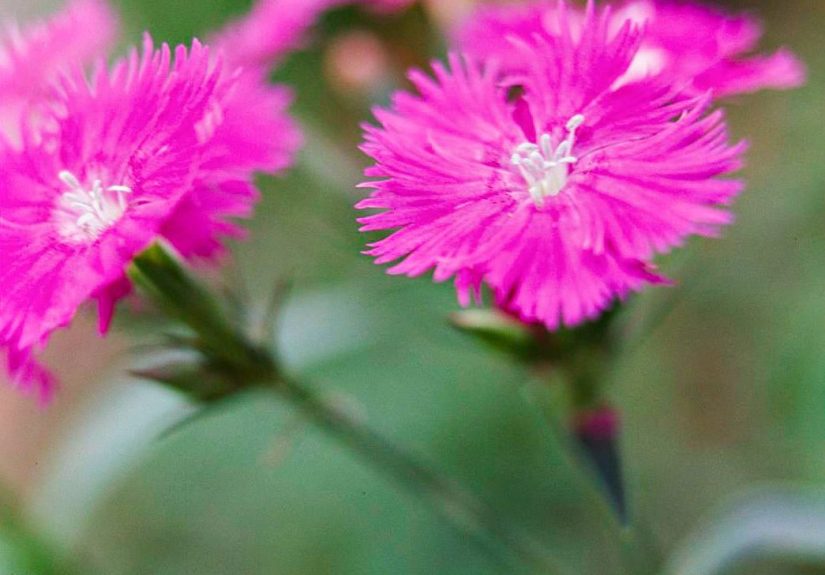
14) Dianthus / Pinks (Dianthus)
Scent vibe: clove-like, spicy-sweet, and surprisingly strong for such dainty flowers.
Best for: edging, rock gardens, and sunny borders.
Tip: give dianthus sun and well-drained soil. Shear lightly after flowering to encourage repeat blooms.
15) Sweet Alyssum (Lobularia maritima)
Scent vibe: honey-sweet and airytiny flowers, big charm.
Best for: borders, containers, and filling gaps like a fragrant living mulch.
Tip: alyssum likes sun and drainage; in hot summers it may pause, then rebound when temperatures cool.
16) Flowering Tobacco (Nicotiana alata and hybrids)
Scent vibe: sweet jasmine-like fragrance, often strongest at night (your evening patio will notice).
Best for: moon gardens, nighttime entertaining spaces, mixed annual beds.
Tip: many fragrant types open more in the evening. Plant where you’ll enjoy it after sunset.
17) Garden Phlox (Phlox paniculata)
Scent vibe: sweet summer perfume that intensifies on warm, sunny days.
Best for: perennial borders and pollinator-friendly gardens.
Tip: provide good spacing and airflow to reduce powdery mildew. Deadhead to extend blooming.
18) Oriental Lily (Lilium, Oriental hybrids)
Scent vibe: bold, luxurious, and unmistakableone bloom can perfume a whole corner of the yard.
Best for: borders, cutting gardens, and “wow” moments near walkways.
Tip: lilies like well-drained soil and sun; many gardeners keep roots cooler with mulch while the tops bask in light.
19) Hyacinth (Hyacinthus orientalis)
Scent vibe: intense spring fragrancelike a candle, except it’s real and you can’t accidentally leave it burning.
Best for: spring bulb displays, containers by doors, and along paths.
Tip: plant bulbs in fall in well-drained soil. After bloom, leave foliage until it yellows to help the bulb recharge.
20) Lily of the Valley (Convallaria majalis)
Scent vibe: delicate, fresh, and famously perfumey in spring shade gardens.
Best for: shady areas, woodland edges, and under trees (where many flowers quit).
Tip: it spreads by rhizomesgreat for groundcover, but give it boundaries. Also note: it’s toxic if ingested, so plant thoughtfully around kids and pets.
21) Freesia (Freesia hybrids)
Scent vibe: sweet, clean, and “florist-shop fresh.”
Best for: containers, cutting gardens, and mild climates.
Tip: freesia corms need well-drained soil and sun. In colder zones, grow in pots and bring them into a protected spot when temps drop.
22) Tuberose (Tuberose; often sold as Polianthes tuberosa / Agave amica)
Scent vibe: strong, heady, and nighttime-famousthis is the “perfume counter” of flowers.
Best for: warm climates, containers, and cutting gardens for summer fragrance.
Tip: plant bulbs after soil warms. Give full sun and good drainage; in colder climates, lift and store bulbs over winter if needed.
23) Southern Magnolia (Magnolia grandiflora) (or other fragrant magnolias)
Scent vibe: lemony-sweet and elegant, with huge blooms that feel almost unreal.
Best for: a statement tree (or large shrub forms) in suitable climates.
Tip: give magnolias space. Plant where you can enjoy blooms up closenear a driveway curve, entry view, or patio edge.
How to plan bloom times for a season-long scent
If you want fragrance from spring through late summer, think in layers:
- Early spring: hyacinth, lily of the valley, early daphne, lilac.
- Late spring: peony, mock orange, early roses.
- Summer: garden phlox, lilies, heliotrope, dianthus, jasmine vines.
- Late summer: tuberose, repeat-bloom roses, late phlox, evening nicotiana.
This approach also helps avoid the “everything blooms at once and then nothing happens” situationalso known as
the gardening version of eating all your Halloween candy in one night.
Common mistakes that steal the scent
- Planting fragrant flowers too far away: scent is not Wi-Fi. Put it where you’ll actually walk.
- Ignoring sun needs: many fragrant plants bloom best (and smell best) with enough light.
- Overwatering bulbs: soggy soil can rot bulbs like lilies, hyacinths, and freesia.
- Choosing “pretty but unscented” cultivars: some modern hybrids trade fragrance for looksread labels and reviews.
- Forgetting airflow: crowded plantings can invite disease and reduce vigor (looking at you, phlox).
What I’ve learned building a fragrance-first garden (real-world experience)
The first time I tried to build a fragrant garden, I made the classic beginner move: I planted all the “best
scented flowers” in one heroic cluster… in the back corner of the yard… behind the shed. Technically, it was a
fragrance garden. Practically, it was a fragrance witness protection program. I had to walk 40 steps past
a recycling bin and a suspiciously judgmental rake to smell anything. Lesson number one: fragrance belongs where
life happensby doors, patios, paths, and windows.
Lesson number two surprised me: not all scent is “always on.” Some flowers smell strongest when the sun warms
them (roses and phlox can be especially satisfying on bright days), while others flip the switch at dusk. The
first evening I noticed flowering tobacco (nicotiana) getting fragrant when the sky turned pink, I felt like I’d
unlocked a garden secret menu. Now I treat night-scented flowers like outdoor lighting: I place them near where
we hang out after dinner, because that’s when they show off.
The third lesson was about pacing. A yard packed with heavy fragrance can be amazing… for five minutes. Then your
nose gets overwhelmed, like you walked through the candle aisle and lost all sense of reality. I started spacing
big performerstuberose, gardenia, oriental liliesso you catch waves of scent instead of a single perfume wall.
It’s the difference between a great song on repeat and a great playlist with room to breathe.
I also learned the “container cheat code.” If you’re unsure whether a plant will thriveor you just want scent in
a specific spotpots are a low-risk way to experiment. A potted gardenia near a front step can be magical in warm
months, and in cooler climates it lets you protect the plant when temperatures drop. Same idea for freesia and
heliotrope: containers make it easy to move them to the best sun, bring them closer to seating, or rescue them
from weather tantrums.
Finally, I became more thoughtful about maintenance that protects fragrance. For example, giving phlox enough
space and airflow doesn’t just prevent problemsit keeps the plant vigorous, blooming longer, and smelling sweet
when you want it to. Pruning lilacs at the right time (right after flowering) means you’re not accidentally
removing next year’s blooms. And with bulbs, I stopped treating water like a love language. Bulbs want drainage.
They want “moist, not swamp.” Once I adjusted that mindset, spring fragrance got dramatically more reliable.
If you take one practical takeaway from my trial-and-error era, let it be this: a fragrant garden is less about
owning the rarest plants and more about smart placement, bloom timing, and choosing varieties that fit your
climate. Do that, and your yard won’t just look like a gardenit’ll feel like one every time you step
outside.
Conclusion
Fragrant flowers turn a normal garden into an experience: spring bulbs that announce the season, summer perennials
that sweeten the air, and shrubs and vines that make patios feel like outdoor rooms. Start with a few reliable
scented favorites (like lavender, lilac, phlox, or roses), place them where you’ll actually enjoy them, then add
bloom-time layers as you go. Your nose will thank you. Your guests will also thank youmostly because they’ll
stop asking what air freshener you’re using.