Table of Contents >> Show >> Hide
- 1) Budget-Conscious, But Not Boring
- 2) Side Dishes Officially Became the Main Event
- 3) Global Flavors Took Over the “Classic” Plate
- 4) Fresh, Lighter Twists Balanced the Comfort Foods
- 5) Plant-Forward and Flexitarian Menus Went Mainstream
- 6) Convenience WonBut in a Smarter, Less Guilty Way
- 7) Friendsgiving and Flexible Gatherings Kept Growing
- 8) No- and Low-Alcohol Drinks Earned a Permanent Spot
- 9) Dessert Stayed Traditional, But the Format Got More Playful
- 10) Personalization Became the Real Trend Behind All the Trends
- What These 2024 Trends Mean for Home Cooks and Food Creators
- Experiences From the 2024 Thanksgiving Table (Extended Notes)
- Conclusion
Thanksgiving 2024 was the year the holiday table got a little smarter, a little more flexible, and a lot more personal. Americans still showed up for the classics (yes, turkey still had a seat at the table), but the vibe shifted from “cook everything exactly like 1997 or risk family scandal” to “keep the tradition, remix the menu.” In other words: Grandma’s mashed potatoes stayed, but they might have met miso butter on the way to the serving bowl.
Across grocery data, consumer surveys, and recipe platforms, a few clear patterns stood out: people watched costs more carefully, leaned harder on make-ahead and semi-homemade shortcuts, gave side dishes star billing, and opened the door to global flavors, plant-forward options, and alcohol-free drinks. The result was a holiday that felt less rigid and more realisticstill delicious, just more adapted to how people actually cook and host now.
If you’re planning future holiday content, menu ideas, or trend-driven recipe collections, these 2024 Thanksgiving food trends are worth studying. They don’t just describe what people atethey show how Americans are hosting now: practical, creative, and not remotely interested in washing seven extra pans for no reason.
1) Budget-Conscious, But Not Boring
One of the biggest Thanksgiving trends in 2024 was value-minded hosting. People were still willing to celebrate, but they made more intentional choices about where to splurge and where to save. Instead of a “buy everything and apologize to your credit card later” strategy, many households focused on a smaller, tighter menu with stronger execution.
This makes sense in the broader economic context. Holiday meal cost tracking and Thanksgiving basket estimates suggested some easing compared with the previous year, which gave hosts a little breathing roombut not enough to encourage wasteful shopping. The 2024 mood was less “extravagance” and more “smart abundance.” That meant right-sizing portions, avoiding duplicate dishes, and prioritizing favorites over tradition for tradition’s sake.
In practical terms, hosts often kept the core lineup (turkey, potatoes, stuffing, cranberry sauce, pie) and cut the “nice in theory, untouched in reality” extras. That random casserole no one admits they don’t like? Suddenly “optional.” The result was a more curated table and fewer leftovers lingering in the fridge until Monday like a passive-aggressive reminder of over-ambition.
2) Side Dishes Officially Became the Main Event
Let’s be honest: Thanksgiving has always been a little bit of a side-dish holiday pretending to be a turkey holiday. In 2024, that truth moved from family gossip to mainstream trend data.
Side dishes dominated the conversationand not just because they’re easier to customize. They’re also where creativity lives. Turkey is turkey (wonderful, noble, occasionally dry if someone gets distracted by football). But sides? Sides can be cheesy, spicy, crunchy, sweet, herby, creamy, or all of the above if the cook is feeling brave.
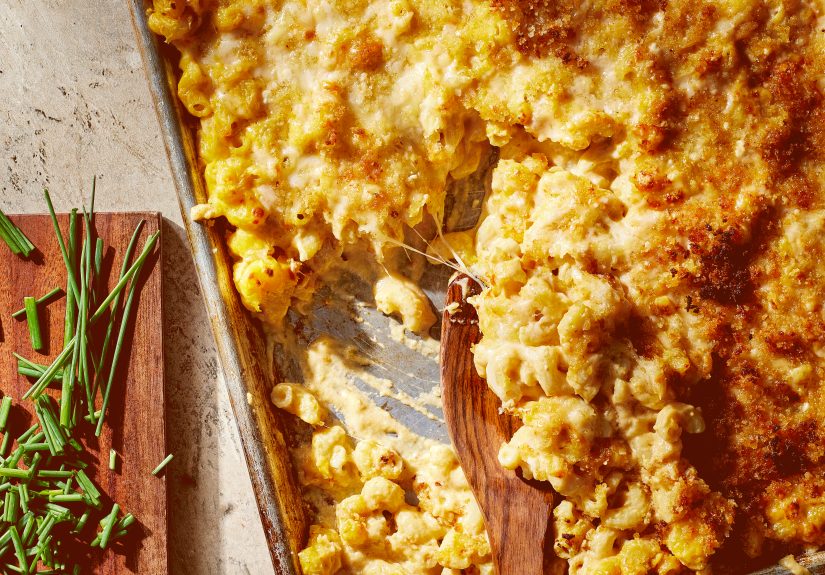
Mac and cheese, stuffing/dressing, mashed potatoes, sweet potatoes, and green bean casserole all continued to pull serious attention. And importantly, side dishes became a major expression of identity at the table: family style, regional background, comfort level with experimentation, and generational taste all showed up in the sides.
That’s why so many 2024 menus felt more “side-forward.” Hosts added one or two upgraded side dishes, introduced new textures (crispy toppings, toasted nuts, fresh herbs), and balanced heavy classics with brighter vegetables or salads. The bird still arrived, but the sides got the applause.
3) Global Flavors Took Over the “Classic” Plate
One of the most exciting 2024 Thanksgiving food trends was the rise of global flavor upgrades. Home cooks and chefs alike embraced the idea that Thanksgiving can still feel traditional while borrowing flavors from everywhere.
This trend showed up in small but high-impact ways:
- Gochujang or chili crisp stirred into cranberry sauce
- Miso butter on vegetables or mashed potatoes
- Sumac, za’atar, or citrus-forward seasoning on roasted sides
- Elote-inspired corn casserole
- Herb sauces and condiments as alternatives (or companions) to gravy
The magic here is that these aren’t “replace the holiday” ideas. They’re bridge flavorsa way to refresh familiar dishes without losing the Thanksgiving feeling. A gochujang cranberry sauce still plays the same role as cranberry sauce. It just arrives with more personality.
This trend also reflects a bigger shift in American home cooking: people are more comfortable using globally inspired ingredients in everyday meals, so holiday menus are catching up. Thanksgiving 2024 became a celebration of tradition and cultural influence, which makes the table more representative of real American households.
4) Fresh, Lighter Twists Balanced the Comfort Foods
No, 2024 did not cancel mashed potatoes. Let’s not get dramatic.
But 2024 did show a noticeable appetite for lighter, fresher elements alongside rich classics. Think bright salads, citrus in cranberry dishes, roasted vegetables with herbs, and less reliance on heavily processed ingredients for every side.
This trend wasn’t about “diet Thanksgiving.” It was about balance. When the table already includes stuffing, potatoes, gravy, rolls, pie, and possibly a second pie “for options,” adding a crisp vegetable dish or a fresher preparation doesn’t feel like punishmentit feels like strategy.
Some hosts leaned into roasted vegetables with bold toppings (feta, walnuts, herbs, pomegranate seeds), while others refreshed old favorites with homemade or semi-homemade swaps. The overall effect: Thanksgiving plates that still delivered comfort, but with more contrast and less heaviness.
Why this trend worked so well
Lighter sides also solved a hosting problem: they hold up well, photograph nicely, and give guests room for seconds on the dishes they love most. In 2024, “variety” beat “volume.”
5) Plant-Forward and Flexitarian Menus Went Mainstream
Another major trend in 2024 Thanksgiving food culture was plant-forward planning. That didn’t necessarily mean a fully vegetarian Thanksgivingbut it did mean more hosts were building menus that worked for mixed dietary needs without turning dinner into a logistical group project.
Instead of making one separate “special plate” for the vegetarian guest (and pretending it’s not just plain salad and a dinner roll), hosts increasingly added dishes everyone could enjoy: stuffed squash, roasted root vegetables, hearty grain-based sides, dairy-free options, and more vegetable-centered mains or shareables.
Winter squash in particular had a moment beyond pumpkin. Kabocha, delicata, honeynut, and butternut showed up in soups, roasted platters, casseroles, and stuffed centerpieces. This trend paired beautifully with the global-flavor movement, since squash works with everything from warm spices to yogurt sauces to herb-packed toppings.
The bigger takeaway is that Thanksgiving menus in 2024 became more inclusive by design. Not by adding a sad “diet dish,” but by building a table where multiple eating styles could coexist without anyone feeling like a side character in the meal.
6) Convenience WonBut in a Smarter, Less Guilty Way
One of the strongest real-world trends in 2024 was strategic convenience. People still cared about homemade food, but they also embraced shortcuts that reduced stress. And honestly? Good for them.
Convenience in 2024 Thanksgiving cooking looked like:
- Make-ahead stuffing and casseroles
- Sheet-pan side dishes for easier prep and cleanup
- Store-bought pie or partially homemade desserts
- Premade meal components (gravy, rolls, sides, appetizers)
- Grocery delivery for forgotten ingredients and last-minute runs
This is where holiday trends and real life finally shook hands. Data from recipe and grocery platforms showed that timing mattersa lot. People still do a huge amount of prep right before the holiday, and many purchases spike in the final days. That means convenience isn’t a “cheat.” It’s a planning tool.
The 2024 host didn’t necessarily want to cook less. They wanted to cook what mattered most and outsource the rest. That might mean homemade turkey and stuffing with a bakery pie, or scratch pies with prepared side dishes, or a fully homemade meal except for gravy because gravy is emotionally difficult and time is finite.
7) Friendsgiving and Flexible Gatherings Kept Growing
Thanksgiving 2024 wasn’t just one kind of event. It was multiple formats: traditional family dinner, Friendsgiving potluck, small household meal, travel-week mini-feast, or restaurant-assisted holiday. This flexibility shaped the food itself.
As Friendsgiving-style gatherings continued to grow in influence, menus became more collaborative and experimental. Potluck-style dishes encouraged portability, make-ahead prep, and crowd-pleasing comfort foodsespecially sides, dips, sliders, casseroles, and dessert bars.
This trend helps explain why “shareable starters” and grazing boards stayed popular. They work whether guests arrive all at once or trickle in, and they reduce pressure on the host’s kitchen timeline. Plus, they create instant “party energy” while the oven is still busy doing oven things.
In short, 2024 Thanksgiving food trends reflected a broader hosting truth: people want celebration without unnecessary formality. A beautifully arranged snack board before dinner counts. A potluck mac and cheese showdown counts. A restaurant pie absolutely counts.
8) No- and Low-Alcohol Drinks Earned a Permanent Spot
Another standout trend was the rise of non-alcoholic and low-alcohol beverage options. In 2024, a thoughtful Thanksgiving drink setup increasingly meant more than wine, beer, and one bottle of sparkling something.
Hosts added alcohol-free aperitifs, NA beers, spirit-free cocktails, sparkling juices, and “build-your-own” drink stations so guests could choose what worked for them. This trend connects to the larger sober-curious movement and the idea that holiday hospitality should be inclusive, not one-size-fits-all.
And from a hosting perspective, it’s just smart. Not everyone drinks. Some guests are driving. Some are pacing themselves. Some want a festive drink at noon and a nap by three. Offering flavorful non-alcoholic options makes the table feel more welcomingand more modern.
The best part? These drinks no longer feel like an afterthought. In 2024, NA beverages were increasingly treated as part of the menu experience, not a consolation prize next to the water pitcher.
9) Dessert Stayed Traditional, But the Format Got More Playful
Dessert in 2024 Thanksgiving menus was a perfect example of how tradition and experimentation coexisted. Pumpkin pie remained a heavyweight, but hosts also expanded the dessert table with bars, brownies, regional pies, and smaller-format sweets.
This shift makes a lot of sense for modern gatherings. Not everyone wants a full slice of three different pies (although we support that ambition). Bars and bite-size desserts are easier to transport, easier to serve, and easier to “sample” without needing a dedicated geometry degree to cut clean pie wedges.
Recipe platforms and grocery trends also highlighted strong regional preferences in pie culture. That means the “best Thanksgiving dessert” conversation keeps getting more localizedand more fun. In some homes, pumpkin rules. In others, pecan is sacred. Elsewhere, sweet potato pie or apple pie is the emotional center of the holiday.
The 2024 dessert table, then, was less about one universal winner and more about dessert pluralism. (Yes, that sounds academic. Yes, it still means extra pie.)
10) Personalization Became the Real Trend Behind All the Trends
If there’s one theme that ties together 2024 Thanksgiving food trends, it’s this: people customized the holiday more confidently.
They kept beloved traditions, but edited the menu to fit their budget, dietary needs, time, culture, and guest list. They swapped in global ingredients, scaled back oversized spreads, mixed homemade with store-bought, and served drinks and sides that reflected who was actually coming to dinnernot who a 1970s magazine thought should be.
And that’s a healthy direction for holiday cooking. Thanksgiving doesn’t lose meaning when menus evolve. If anything, it gains relevance. A personalized menu is often more thoughtful, more inclusive, and more memorable than a “perfect” one.
So if you’re looking ahead to future holiday content, products, or recipe planning, take note: the winning Thanksgiving menu is no longer the biggest one. It’s the one that feels intentional, tastes great, and lets the host sit down before dessert.
What These 2024 Trends Mean for Home Cooks and Food Creators
For home cooks, the 2024 Thanksgiving playbook is refreshingly practical: start with the classics, choose one or two upgrades, plan for dietary variety, and use shortcuts on purpose. For food bloggers, recipe developers, and brands, the opportunity is clear: create content that supports real hosting behaviorbudget-aware, time-conscious, and flavor-curious.
That means recipes with make-ahead instructions, flexible substitutions, sheet-pan methods, potluck portability, and optional global twists. It means side dishes and non-alcoholic drinks deserve headline treatment. And it means “semi-homemade” should be framed as a smart strategy, not a culinary confession.
Thanksgiving 2024 proved that tradition is still alive and well. It just got an upgrade, a backup plan, and a prettier appetizer board.
Experiences From the 2024 Thanksgiving Table (Extended Notes)
One of the most interesting things about 2024 Thanksgiving food trends was how clearly they matched what many hosts and guests actually experienced in kitchens and dining rooms. The emotional tone of the holiday felt different from the “all pressure, all day” model. People still cared deeply about the meal, but there was more permission to be practical.
A common experience was the split-labor holiday: one person handled the turkey, someone else brought a signature side, another guest brought dessert, and one very important hero showed up with ice, extra butter, and backup foil. Instead of one host trying to perform a culinary triathlon, the meal became more collaborative. That often resulted in a better tablemore variety, more family specialties, and fewer panicked moments.
Another real-world pattern was the “one upgrade” approach. Many households kept 80% of the menu traditional and experimented with just one trend-forward dish, like a chili-crisp cranberry sauce, a miso-glazed vegetable side, or a zero-proof holiday spritz bar. This made experimentation feel fun rather than risky. If the new dish became a hit, greatit might become a tradition. If not, the mashed potatoes were still there to save the day.
Hosts also reported a more relaxed attitude toward store-bought support items. In previous years, some people felt oddly guilty about buying pie, rolls, or a prepared side. In 2024, that guilt seemed to fade. The mindset became: “If buying one or two items gives me time to actually enjoy my guests, that’s worth it.” And honestly, that’s not lowering standardsit’s raising the quality of the overall experience.
There was also a noticeable increase in menu flexibility for mixed dietary needs. Instead of building one separate plate for one guest, many tables offered multiple dishes that worked for vegetarians, lighter eaters, or guests avoiding alcohol. This changed the social feeling of the meal. People didn’t have to explain their choices; they just had choices. That’s a small hosting shift with a big hospitality impact.
And finally, 2024 reinforced a timeless Thanksgiving truth: people remember the feeling of the meal as much as the menu. They remember the snack board while everyone gathered in the kitchen, the unexpected side dish that became a hit, the second dessert “just to taste it,” and the host who actually sat down instead of cooking until the credits rolled. If 2024 had a secret ingredient, it wasn’t a spice or sauceit was intentionality. The best tables weren’t the most expensive or the most elaborate. They were the ones designed around the people who showed up.
Conclusion
2024 Thanksgiving food trends showed a holiday in transitionin the best possible way. Americans kept the heart of Thanksgiving intact while making the meal more inclusive, budget-conscious, and genuinely enjoyable to prepare. Side dishes took center stage, global flavors modernized classics, non-alcoholic drinks became part of the celebration, and convenience tools helped hosts protect their sanity. The takeaway is simple: the future of Thanksgiving food is still rooted in comfort, but it’s increasingly defined by flexibility, creativity, and smarter hosting.