Table of Contents >> Show >> Hide
Bedrooms do a lot of heavy lifting. They are sleep zones, scrolling zones, laundry-holding zones, and, on some days, accidental snack-storage zones. So if you want to make yours feel calmer, softer, and a little more alive, indoor plants are one of the easiest upgrades you can make. The trick is choosing bedroom plants that are actually easy to live with instead of the leafy divas that demand spa-level humidity, perfect lighting, and emotional support.
The best indoor plants for bedrooms are usually the ones that tolerate lower or medium light, forgive the occasional missed watering, and still look good while doing very little. In other words, they are the plant equivalent of that friend who says, “No worries,” and actually means it. Below, you will find 14 easy-care indoor plants for bedrooms, plus simple advice on where they work best, how to keep them happy, and how to avoid the classic beginner mistake of loving a plant to death with too much water.
Why Indoor Plants Work So Well in Bedrooms
Indoor plants instantly soften a bedroom. They break up hard edges, add natural texture, and make even a basic room feel more thoughtful. A tall upright plant can make a corner look finished. A trailing vine on a shelf can make the room feel layered and cozy. Even one small plant on a nightstand can make the space feel less like a furniture showroom and more like a real place where a real human with decent taste lives.
There is also a practical side. Many common bedroom plants tolerate indirect light, which is helpful because bedrooms do not always have blazing sun. Plenty of easy-care houseplants also stay attractive without constant pruning, fertilizing, or repotting. That means you get the visual payoff of greenery without turning your bedroom into a second job.
One important reality check: plants are great for beauty, mood, and creating a restful vibe, but they are not a magical replacement for ventilation or air purifiers. Buy them because they make your room feel better, not because you expect one pothos to suddenly become your HVAC system in a ceramic pot.
How to Choose the Right Bedroom Plant
1. Start with your light, not your wishlist
If your bedroom gets only soft, indirect light, choose plants known for tolerating lower light. If you have a bright window, you can branch into more sun-loving options. Matching the plant to the room is much easier than trying to turn your room into a tropical greenhouse.
2. Think about your routine
If you forget to water things, choose sturdy plants like snake plant or ZZ plant. If you enjoy a small care ritual every week, a peace lily or spider plant may fit nicely into your routine.
3. Use pots with drainage
This is the unglamorous advice that saves more plants than any fancy fertilizer ever will. Easy-care plants still hate sitting in soggy soil.
4. Consider pets
If cats or dogs can reach the plant, safety matters. Spider plant and parlor palm are better picks for pet-friendly bedrooms, while plants like pothos and snake plant are better kept out of chewing range.
14 Easy-Care Indoor Plants for Bedrooms
1. Snake Plant
Snake plant is the all-star of easy-care bedroom plants. Its upright leaves give a clean, modern look, and it handles low light better than most houseplants. It also tolerates dry indoor air and irregular watering, which makes it ideal for busy people, frequent travelers, or anyone whose track record with greenery is, frankly, suspicious.
Place it on the floor, a dresser, or a windowsill with indirect light. Let the soil dry well between waterings. If your bedroom aesthetic is “minimal but not sad,” snake plant fits right in.
2. ZZ Plant
ZZ plant looks polished without being high-maintenance. Its glossy leaves reflect light beautifully, so it can brighten up a dim bedroom corner without asking for much in return. This plant stores water in its underground rhizomes, which is a fancy way of saying it is extremely forgiving when you forget about it for a while.
Use a ZZ plant in a simple pot beside a bed or reading chair. It likes low to medium indirect light and would prefer you not fuss over it every three minutes.
3. Pothos
Pothos is one of the easiest trailing plants for bedrooms. It grows well on shelves, dressers, or hanging planters, and it gives you that lush, cascading look without demanding advanced horticulture credentials. Green varieties are especially forgiving in lower light, while highly variegated types usually want a bit more brightness.
Water when the soil feels dry near the top. Trim long vines if you want a fuller plant. If you want a bedroom that looks casually stylish rather than aggressively decorated, pothos is a smart choice.
4. Heartleaf Philodendron
Heartleaf philodendron is pothos’s softer, slightly more romantic cousin. Its leaves are smaller, thinner, and more delicate-looking, but the plant itself is still easygoing. It trails beautifully from a shelf, and it is especially good for adding greenery to bedrooms that need a cozier, less structured feel.
It tolerates lower light, though it will grow better in medium indirect light. Pinch the tips every now and then if you want it to grow fuller instead of long and lanky.
5. Spider Plant
Spider plant is cheerful, adaptable, and almost impossible to dislike. Its arching leaves add movement to a room, and mature plants often produce dangling baby plantlets that make it look even more lively. It works especially well in hanging baskets or on top of tall furniture where the foliage has room to drape.
Spider plants usually prefer medium or bright indirect light, though they are pretty tolerant overall. They are a particularly good option if you want a plant that feels relaxed and playful instead of serious and sculptural.
6. Peace Lily
Peace lily brings glossy leaves and occasional white blooms, which is a nice bonus if you want a bedroom plant with a little elegance. It tolerates lower light, although it tends to perform best in bright indirect light. The best thing about peace lily is that it tells you when it is thirsty by drooping dramatically, like a Victorian heroine with excellent communication skills.
Keep the soil lightly and evenly moist, but not wet. It is a great choice for bedrooms that need a softer, spa-like feel.
7. Chinese Evergreen
Chinese evergreen is a top pick for bedrooms because it combines easy care with attractive leaf patterns. Some varieties have silver, cream, or pink-toned markings, which makes the plant feel decorative even when the rest of the room is simple. It also handles lower light well, which is why it shows up so often on beginner-friendly houseplant lists.
If you want greenery with a little extra visual interest, this is one of the easiest ways to get it without signing up for complicated care.
8. Cast-Iron Plant
The name alone should tell you what kind of energy this plant brings. Cast-iron plant is tough, slow-growing, and remarkably tolerant of less-than-perfect conditions. It handles low light, inconsistent watering, and normal indoor life without throwing a leafy tantrum.
This is an excellent plant for a quiet bedroom corner that feels too dim for fussier choices. It is not flashy, but it has a calm, dependable presence that works beautifully in traditional, minimalist, or earthy bedroom styles.
9. Parlor Palm
If you want softness instead of sharp lines, parlor palm is a lovely bedroom plant. Its feathery fronds bring a relaxed, slightly vintage feel and work well in lower to medium light. Unlike some larger palms, it stays relatively manageable indoors, which is great when your bedroom is not exactly the size of a hotel suite.
Parlor palm looks especially good in woven baskets or ceramic floor planters. It is also a nice option for pet owners who want a safer plant choice.
10. Dracaena
Dracaena comes in several forms, from upright cane types to narrow, arching varieties, and many are well suited to bedrooms. It gives you height without taking up a huge amount of floor space, which is helpful in smaller rooms. The foliage also adds structure, so it is useful when your room needs something vertical to balance low furniture.
Most dracaenas like medium to bright indirect light but can handle lower light better than many tropical plants. Let the soil dry somewhat between waterings, and do not place it where hot or cold air blasts directly from a vent.
11. Baby Rubber Plant (Peperomia)
Baby rubber plant is compact, neat, and ideal for bedrooms where floor space is limited. Its thick, glossy leaves give it a fresh, healthy appearance even when it is quietly minding its business on a nightstand or dresser. Because the leaves hold some moisture, it generally does not need frequent watering.
This is a great starter plant for anyone who wants something small, tidy, and stylish. It prefers medium to bright indirect light, but it is forgiving enough for many bedrooms with decent natural light.
12. Hoya
Hoya is a wonderful choice if you want a trailing plant that is still easy to manage. Its waxy leaves give it a sculptural look, and some varieties can eventually produce clusters of fragrant flowers in the right conditions. Even when it is not blooming, it is attractive and low-drama.
Hoyas generally like bright indirect light and prefer to dry a bit between waterings. For a bedroom shelf or hanging planter near a bright window, it adds greenery without creating the sense that you have adopted a botanical diva.
13. Aloe Vera
If your bedroom gets strong light, aloe vera is one of the easiest options around. Its thick, architectural leaves fit beautifully in modern bedrooms, and it does best when you mostly leave it alone. In fact, overwatering is the quickest way to turn aloe from cool and confident into mushy and offended.
Put aloe near a sunny window and water only after the soil has dried well. It is best for bright bedrooms rather than dim ones, but if your room gets lots of natural light, aloe is a simple winner.
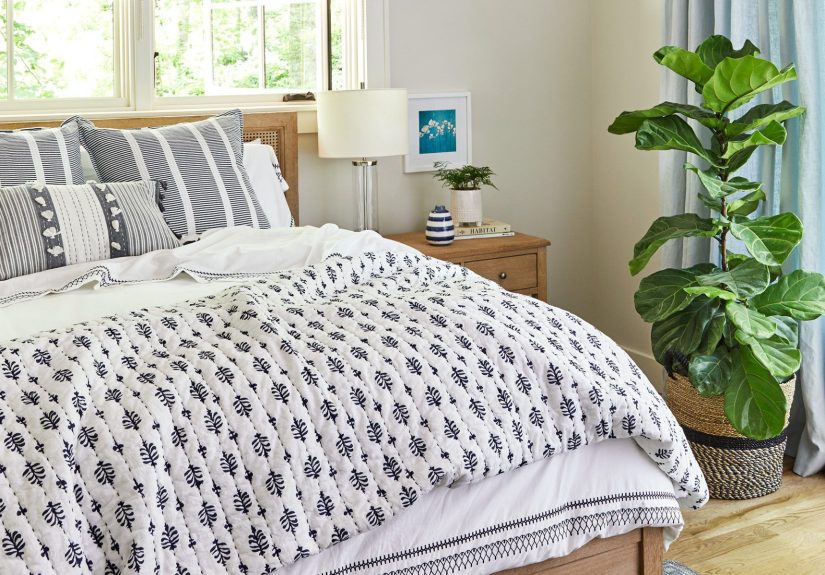
14. Rubber Plant
Rubber plant is perfect if you want one statement plant instead of several small ones. Its broad, glossy leaves make a room feel lush fast, and it has enough visual weight to anchor an empty corner. In the right bedroom, it looks expensive even when your budget says, “Let us all remain humble.”
Rubber plant prefers bright indirect light, so it is best for brighter bedrooms. Allow the top layer of soil to dry before watering again, and wipe the leaves occasionally to keep them shiny and dust-free.
Common Bedroom Plant Mistakes to Avoid
The biggest mistake is overwatering. People see a droopy leaf, panic, and pour in more water like they are trying to put out a kitchen fire. In reality, many indoor plants would rather be slightly dry than constantly soggy. Always check the soil before watering.
Another mistake is choosing a plant based only on looks. That gorgeous sun-loving succulent may not thrive in a dim bedroom, and a low-light foliage plant may get crispy in a harsh west-facing window. Light matters more than wishful thinking.
Placement matters, too. Keep plants away from heating and cooling vents, which can dry them out or stress the foliage. Rotate pots every so often so growth stays balanced. And yes, clean the leaves occasionally. Dusty leaves make even a healthy plant look like it has given up on the relationship.
Which Bedroom Plants Are Best for Beginners?
If you want the shortest possible shortlist, start with snake plant, ZZ plant, pothos, spider plant, or parlor palm. These are the easiest plants to fit into real life. They are forgiving, attractive, and flexible enough for the average bedroom setup.
If you want more style and pattern, add Chinese evergreen or baby rubber plant. If you have bright light and want a stronger design statement, choose rubber plant or aloe vera. In other words, there is no single best bedroom plant. There is only the best plant for your room, your light, and your ability to remember that plants are alive but should not be watered like pasta.
Final Thoughts
The right indoor plant can make a bedroom feel calmer, fresher, and more complete without demanding a ton of care. Start with one or two easy options, see how they do in your space, and build from there. A bedroom does not need a jungle to feel alive. Sometimes one well-placed plant is enough to shift the whole mood of the room.
If you want the safest bet, go with snake plant, ZZ plant, pothos, or spider plant. If you want something softer, try parlor palm or heartleaf philodendron. If you want a little style with your greenery, Chinese evergreen and baby rubber plant bring both beauty and easy maintenance. However you begin, the goal is simple: choose plants that fit your life, not plants that force you to reorganize your entire existence around a ceramic pot.
Bedroom Plant Experiences: What It’s Really Like Living With These Plants
Adding plants to a bedroom often changes the room in ways people do not expect at first. The most obvious change is visual. A room that felt flat or unfinished suddenly looks warmer and more intentional. A snake plant in an empty corner can make the whole space feel designed. A trailing pothos on a shelf can make a plain wall feel softer. Even a small peperomia on a nightstand can create that subtle “someone actually lives here and has their life together” effect, even if there is also a chair currently holding six hoodies and one mysterious sock.
Another common experience is that plants gently change your routine. Not in an overwhelming way, but in small, grounding ways. You notice the morning light a little more because you start checking how it lands on the leaves. You open the blinds because the spider plant likes it. You water the peace lily once a week and somehow feel oddly accomplished. It is not that your bedroom plant becomes a dramatic lifestyle transformation. It is more that it creates a tiny rhythm, and tiny rhythms can make a room feel calmer.
Many people also discover that the easiest bedroom plants are the ones that reduce guilt instead of creating more of it. A ZZ plant or cast-iron plant does not punish you for being busy. If work gets chaotic or you leave town for a few days, the plant is usually still there, looking composed and slightly superior. That reliability matters. It means your greenery feels like a comfort, not a chore.
There is also something satisfying about watching growth in a room that is usually associated with rest. A new leaf on a philodendron, a baby spider plant hanging down, or a pothos vine stretching farther along a shelf can make the space feel dynamic without making it busy. The room still feels peaceful, but not static. It feels lived in, evolving, and a little more personal over time.
People with smaller bedrooms often worry that plants will make the room feel cramped, but the opposite is usually true when the plant is chosen well. A narrow upright plant can draw the eye upward. A hanging plant can add greenery without using floor space. A compact plant on a dresser can make the furniture arrangement feel finished. The trick is scale. One well-sized plant almost always looks better than five random plants squeezed into corners like guests who arrived uninvited.
Pet owners and beginners tend to have the most practical experiences. They quickly learn that placement matters, drainage matters, and overwatering is the real villain. Once that lesson clicks, plant care becomes much easier. After that, the experience is mostly positive: a prettier room, a calmer mood, and the low-key pleasure of keeping something green and thriving. Not bad for an object that mostly just sits there being leafy.