Table of Contents >> Show >> Hide
- 1. Use a Decorative Privacy Screen
- 2. Build a Slatted Wood Enclosure
- 3. Plant a Living Screen with Shrubs
- 4. Add Tall Ornamental Grasses
- 5. Install a Trellis with Climbing Plants
- 6. Hide Trash Cans with a Bin Shed
- 7. Use Large Planters as Strategic Blockers
- 8. Turn an Ugly Fence into a Feature Wall
- 9. Camouflage Utility Boxes Carefully
- 10. Cover Septic Lids with Lightweight Faux Rocks
- 11. Create a Garden Bed Around Deck Supports
- 12. Add Outdoor Curtains or Shade Panels
- 13. Use Storage Furniture to Hide Everyday Clutter
- How to Choose the Right Method for Your Yard
- Common Mistakes to Avoid
- Experience-Based Tips for Hiding Outdoor Eyesores
- Conclusion
Every yard has at least one thing that refuses to cooperate with the dream. Maybe it is a bulky air conditioner humming beside the patio like a metal refrigerator with opinions. Maybe it is a row of trash cans, a utility box, a hose pile, an old fence, pool equipment, or that mysterious corner where broken flowerpots go to retire. The good news is that outdoor eyesores do not always need to be removed. In many cases, they simply need a smarter disguise.
Learning how to hide outdoor eyesores is really about improving curb appeal, protecting function, and making your outdoor space feel intentional. The best solutions do not just cover ugly areas; they add texture, privacy, color, storage, and structure. A screen can become a design feature. A trellis can become a living wall. A storage bench can hide clutter and offer seating. That is not camouflage; that is yard magic with a measuring tape.
Before you start, remember one golden rule: never block access, airflow, drainage, or service clearance. Air conditioning units, meters, septic covers, vents, generators, and utility boxes need room to do their jobs. Your goal is to soften the view, not trap machinery in a decorative prison. With that in mind, here are 13 practical, attractive, and homeowner-friendly ways to hide outdoor eyesores without making your yard look like it is wearing a disguise mustache.
1. Use a Decorative Privacy Screen
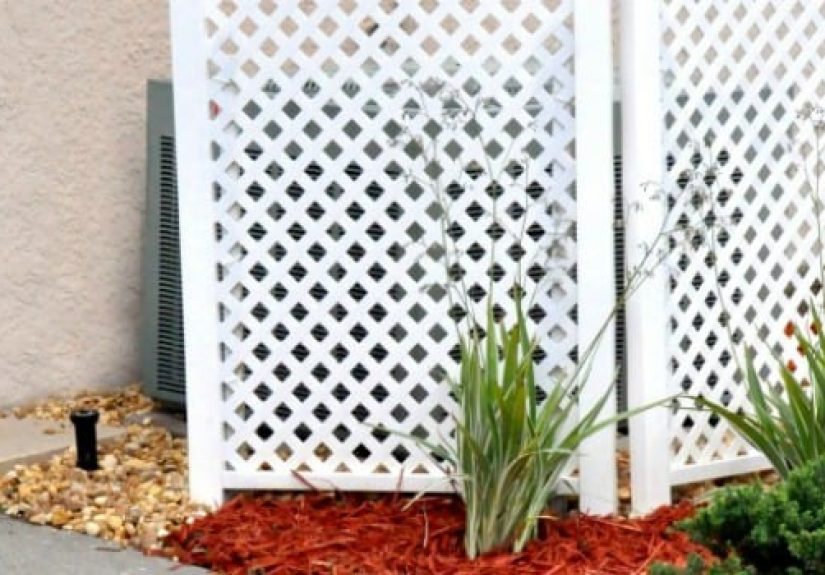
A decorative privacy screen is one of the fastest ways to hide trash cans, air conditioning units, pool pumps, garden tools, or a view of the neighbor’s not-so-charming storage pile. Screens come in wood, vinyl, metal, composite, bamboo, and laser-cut panels, so you can match almost any exterior style.
Best for:
Garbage bins, HVAC units, pool equipment, propane tanks, compost bins, and small utility areas.
Choose a screen that is tall enough to block the view but not so large that it overwhelms the landscape. For a modern home, black metal or horizontal wood slats look sharp. For a cottage-style garden, try lattice, picket-style panels, or white vinyl. If you are screening an air conditioner, leave generous open space around the unit so air can move freely. A beautiful screen is not worth a sweating condenser and a repair bill that arrives wearing boxing gloves.
2. Build a Slatted Wood Enclosure
A slatted wood enclosure hides outdoor eyesores while still allowing ventilation. This makes it a smart option for trash cans, recycling bins, outdoor storage, and some equipment areas. Horizontal cedar or pressure-treated wood slats create a clean, architectural look that feels more “custom landscape design” and less “we panicked before guests arrived.”
Keep the slats spaced evenly, use exterior-rated screws, and stain or seal the wood to extend its life. For convenience, include a hinged gate or removable panel. If the enclosure is for garbage cans, make sure the opening is wide enough to roll bins in and out easily. If it is too tight, taking out the trash becomes an obstacle course, and nobody needs cardio from a raccoon-proof bin corral.
3. Plant a Living Screen with Shrubs
Plants are the most natural way to hide outdoor eyesores, especially when the object is large or permanent. Shrubs can soften fences, cover foundation gaps, screen utility boxes, and block unattractive views. The trick is choosing the right plant for the right place.
Good shrub options include:
Boxwood, inkberry holly, arborvitae, viburnum, hydrangea, dwarf yaupon holly, ninebark, bayberry, and native shrubs suited to your region.
Before planting, check sunlight, soil drainage, mature size, and local hardiness. Do not plant a shrub that grows eight feet wide in a two-foot gap beside a meter. That is not landscaping; that is a future wrestling match with pruning shears. Leave access paths for service workers and avoid invasive plants that may spread into neighboring yards.
4. Add Tall Ornamental Grasses
Ornamental grasses are excellent for soft screening because they add movement, texture, and height without feeling heavy. They work beautifully around patios, fence lines, utility zones, and awkward corners. Their feathery plumes can distract the eye from less attractive features, and many varieties look good well into fall or winter.
Consider switchgrass, little bluestem, muhly grass, feather reed grass, or prairie dropseed, depending on your climate. Use grasses in groups rather than lonely single clumps. Three or five plants arranged in a loose drift usually look more natural than one sad grass tuft trying to hide an entire garbage area by itself.
5. Install a Trellis with Climbing Plants
A trellis is a great solution when you need height but do not want a solid wall. It can hide an ugly fence, soften a blank garage wall, screen a utility pole, or create privacy beside a seating area. Add climbing plants, and the structure becomes a living feature.
Popular climbers include:
Clematis, climbing roses, star jasmine, honeysuckle, crossvine, climbing hydrangea, grapes, and annual vines such as morning glory or black-eyed Susan vine.
Always match the plant to the structure. Heavy vines need strong supports, while lighter annual vines can grow on simple wire, lattice, or bamboo. Avoid aggressive vines near siding, roofing, gutters, and masonry unless you are prepared to manage them carefully. A vine should decorate your home, not attempt a slow-motion takeover.
6. Hide Trash Cans with a Bin Shed
Trash cans are useful, necessary, and visually about as charming as a parking ticket. A bin shed or trash can enclosure keeps them out of sight while making your yard feel cleaner. You can buy ready-made enclosures or build one with wood, vinyl, or composite panels.
Look for a design with a lift-up lid, front doors, and enough interior space for easy rolling. Good airflow matters, especially in warm climates. Add a small gravel pad underneath to improve drainage and reduce mud. If odor is a problem, rinse bins regularly and keep the enclosure slightly open at the top or back. Hiding outdoor trash cans should not turn them into a tiny sauna of regret.
7. Use Large Planters as Strategic Blockers
Large outdoor planters are perfect for renters, small patios, decks, and places where permanent construction is not practical. A row of containers can hide pipes, hose reels, low utility boxes, worn railings, or awkward transitions between surfaces.
Choose planters with enough weight to resist tipping, especially in windy areas. Tall evergreens, dwarf shrubs, ornamental grasses, canna lilies, elephant ears, or mixed seasonal plantings can create quick coverage. For a polished look, repeat the same planter style in a row. Repetition makes the design feel intentional instead of “I bought one of everything at the garden center and hoped for emotional support.”
8. Turn an Ugly Fence into a Feature Wall
An old fence can drag down the entire yard, even if everything else looks tidy. If the fence is structurally sound, you may not need to replace it. Instead, cover or upgrade it. Add horizontal boards, attach reed screening, hang outdoor art, install planter boxes, or paint it a deep neutral color to make plants pop.
For chain-link fences, consider wood privacy panels, rolled bamboo, climbing vines, or removable slat inserts. If you share the fence with a neighbor or rent the property, use reversible solutions that do not damage the existing structure. A fence makeover can be surprisingly affordable and may transform a backyard from “storage lot with chairs” into a real outdoor room.
9. Camouflage Utility Boxes Carefully
Utility boxes, meters, and electrical equipment are common outdoor eyesores, especially in front yards. The key word here is carefully. These items must remain accessible for utility workers and safe for operation. Do not bury them, block them with permanent construction, or grow dense thorny shrubs directly in front of them.
Instead, use low shrubs, ornamental grasses, removable screens, or container plantings set far enough away to allow service access. Keep plantings lower than the equipment when required and leave a clear path. If you are unsure, check with your utility provider before making changes. The goal is to make the box less noticeable, not turn a meter reader into an accidental jungle explorer.
10. Cover Septic Lids with Lightweight Faux Rocks
Septic covers and cleanouts can interrupt an otherwise beautiful lawn. A lightweight faux rock is often a safe and removable way to disguise a septic lid, provided it does not block service access or add excessive weight. Many faux rocks are designed specifically to cover septic lids, irrigation equipment, or well covers.
Choose a size that fits over the lid without looking cartoonishly out of place. Surround it with mulch, low perennials, or natural stones to blend it into the landscape. Avoid placing heavy boulders, permanent patios, raised beds, or deep-rooted trees over septic components. When service time comes, the cover should be easy to move. Your septic technician should not need archaeological training.
11. Create a Garden Bed Around Deck Supports
Raised decks often reveal posts, beams, stairs, and empty under-deck shadows. Instead of leaving those structural parts exposed, create a generous planting bed around the base. Flowering perennials, shrubs, ground covers, and ornamental grasses can soften the deck and make it feel connected to the yard.
Use layered planting: taller shrubs in the back, medium perennials in the middle, and low ground covers at the edge. Leave space around wood posts to prevent moisture problems, and avoid piling mulch against structural supports. If the area is shady, consider hostas, ferns, astilbe, coral bells, or shade-tolerant sedges. If it is sunny, try salvia, coneflowers, sedum, catmint, and dwarf grasses.
12. Add Outdoor Curtains or Shade Panels
Outdoor curtains can hide unattractive views from a patio, pergola, porch, or deck while adding softness and privacy. They are especially useful when the eyesore is not on your property, such as a neighbor’s shed, parked vehicles, or a busy street.
Use weather-resistant fabric, rust-resistant rods, and tiebacks so curtains do not become dramatic wind sails. Curtains work best when paired with a defined structure like a pergola or covered porch. For a more permanent look, combine curtains with planters, string lights, and outdoor furniture. Suddenly, the view you wanted to hide becomes part of a cozy outdoor lounge. That is what designers call “redirecting attention,” and what the rest of us call “finally not staring at the alley.”
13. Use Storage Furniture to Hide Everyday Clutter
Some outdoor eyesores are not permanent fixtures. They are the daily clutter of real life: cushions, garden gloves, pool toys, grilling tools, kids’ sports gear, watering cans, and that one hose nozzle nobody admits buying. Storage furniture solves the problem without taking up extra space.
Use deck boxes, storage benches, rolling carts, outdoor cabinets, or coffee tables with hidden compartments. Choose weather-resistant materials and check that lids close tightly. If you store cushions, make sure the container is dry and ventilated enough to prevent mildew. A storage bench near the door is especially useful because it gives you a drop zone that does not look like a yard sale gave up halfway through setting up.
How to Choose the Right Method for Your Yard
The best way to hide outdoor eyesores depends on what you are hiding, where it is located, and how often it needs access. Use plants when you want a natural, long-term screen. Use panels or enclosures when you need instant coverage. Use planters when you want flexibility. Use storage when the problem is clutter. For large or distant views, combine several strategies: a fence panel, a row of shrubs, and a few tall grasses can create depth and make the whole area look designed.
Also think about style. A rustic cedar screen may look perfect beside a farmhouse, while sleek black metal panels may suit a modern home. White vinyl can look crisp against traditional siding, while woven willow or bamboo feels relaxed and casual. The goal is not just to hide the eyesore; it is to make the solution belong.
Common Mistakes to Avoid
Blocking airflow around equipment
Air conditioners, generators, and pool equipment need ventilation. Keep screens, shrubs, and panels far enough away to prevent overheating and allow maintenance.
Planting too close
Small nursery plants grow. Read mature size labels and leave room. A cute little shrub today can become a leafy monster with boundary issues in three years.
Forgetting access
Anything that may need inspection, repair, or removal should remain reachable. Use gates, removable panels, or container plantings instead of permanent barriers.
Using the wrong materials
Indoor furniture, untreated wood, and flimsy fabric may fail quickly outdoors. Choose materials rated for sun, rain, wind, and temperature changes.
Experience-Based Tips for Hiding Outdoor Eyesores
One of the most useful lessons from real outdoor projects is that hiding an eyesore works best when you stop treating it like a shameful secret. The more you try to make something vanish completely, the more attention it can attract. A tiny screen placed directly in front of a huge trash area, for example, often looks like a decorative sign that says, “Please notice the trash cans behind me.” A better approach is to widen the treatment. Add a screen, extend the mulch bed, include two planters, and repeat a color from the house. Now the area feels like part of the landscape.
Another practical experience: always test the view from where you actually spend time. Many homeowners design from the driveway, but the worst view may be from the kitchen window, patio chair, or dining table. Stand in those spots before buying materials. You may discover that a five-foot screen is unnecessary, or that one tall planter placed at an angle solves the problem better than a full fence.
It is also smart to solve the maintenance problem at the same time. If the ugly corner collects hoses, tools, and muddy shoes, do not just hide it behind a panel. Add hooks, a deck box, gravel, and a clear walkway. Beauty lasts longer when the space is easy to use. Otherwise, clutter will creep back like a raccoon with a calendar reminder.
When using plants, patience matters. A living screen can take one to three growing seasons to fill in, depending on the species and size you buy. For instant results, combine young shrubs with temporary screening such as lattice, planters, or annual vines. As the plants mature, you can remove or reduce the hardscape elements. This gives you privacy now and a softer landscape later.
For small budgets, paint is surprisingly powerful. Painting an old fence, shed door, or utility backdrop in a dark neutral color can make it recede visually. Deep charcoal, black-brown, forest green, or warm gray often helps plants stand out while making the background less noticeable. Just be sure to use exterior paint or stain appropriate for the surface.
Finally, remember that outdoor eyesores are normal. A working home has bins, meters, hoses, vents, tools, and equipment. A beautiful yard is not one without practical things; it is one where practical things have been thoughtfully managed. With the right mix of screens, plants, storage, and common sense, even the awkward corners can become part of the charm.
Conclusion
Outdoor eyesores do not have to ruin your curb appeal or backyard comfort. Whether you are hiding trash cans, utility boxes, air conditioning units, pool equipment, septic lids, old fences, or everyday clutter, the best solutions combine beauty with function. Decorative screens, slatted enclosures, shrubs, trellises, outdoor curtains, faux rocks, and smart storage can turn problem spots into polished design moments. Just remember to preserve airflow, drainage, and access. A well-hidden eyesore should make your yard look better without making maintenance harder.
Note: Always check local rules, HOA guidelines, utility access requirements, and equipment manufacturer recommendations before installing permanent screens, fences, or plantings around outdoor systems.