Table of Contents >> Show >> Hide
- Why Rosacea Triggers Feel So Random
- 1. Hot Showers, Steamy Bathrooms, and Saunas
- 2. Wind and Cold Weather
- 3. The Sun You “Weren’t Really In”
- 4. Hot Coffee, Tea, and Other Steaming Drinks
- 5. Spicy Foods and Thermally Hot Foods
- 6. Alcohol, Especially the “Just One Glass” Kind
- 7. Exercise That Overheats You
- 8. Stress, Anxiety, and Emotional Flushing
- 9. “Sensitive Skin” Products That Are Not Actually Gentle
- 10. Hairspray, Makeup, and Cosmetic Ingredients
- 11. Medications and Supplements That Encourage Flushing
- 12. Hormonal Changes, Frequent Flushing, and Other Health Shifts
- How Dermatologists Recommend Finding Your Real Rosacea Triggers
- What Rosacea Flare-Ups Often Feel Like in Real Life
- Final Thoughts
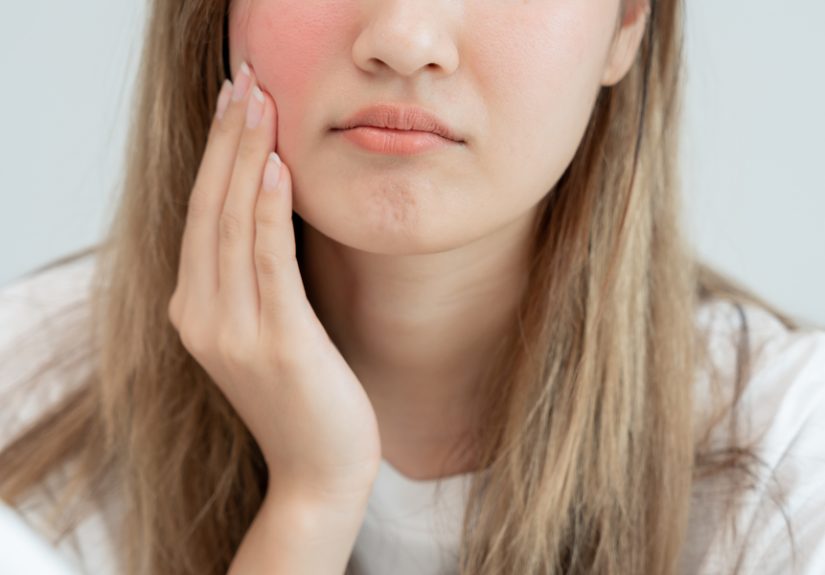
Rosacea has a talent for being dramatic at inconvenient times. One minute your skin is minding its business, and the next it is acting like it just got cast in a role called Angry Tomato: The Sequel. If that sounds familiar, you are not imagining things. Rosacea flare-ups often seem random, but dermatologists say they are usually connected to a trigger, or more realistically, a sneaky pileup of triggers.
That is what makes rosacea so frustrating. The culprit is not always obvious. It may not be the spicy tacos you blamed last weekend. It might be the hot shower before dinner, the windy walk to the restaurant, the glass of red wine, and the stress of being late all working together like an overachieving villain team. Rosacea rarely needs just one excuse.
This is why dermatologists tell patients to think beyond the usual suspects. Yes, sun exposure and spicy food matter. But so do hairspray, overheated workout rooms, certain skin care ingredients, hot coffee, indoor heat, and medications that make you flush. The hidden part is not that these triggers are rare. It is that they often hide in plain sight, tucked into habits you barely notice.
Below are 12 hidden rosacea triggers dermatologists frequently warn about, plus practical ways to outsmart them without turning your life into a hostage negotiation with your own face.
Why Rosacea Triggers Feel So Random
Rosacea is a chronic inflammatory skin condition that tends to flare and calm down in cycles. It commonly causes facial redness, visible blood vessels, stinging, burning, and in some cases acne-like bumps or eye irritation. The tricky part is that triggers differ from person to person. What lights up your cheeks may do absolutely nothing to someone else.
Dermatologists also point out that rosacea skin is unusually reactive. It does not always need a huge insult. Sometimes a perfectly normal event, like stepping from an air-conditioned room into sticky summer heat, is enough to trigger flushing. Sometimes the real problem is “trigger stacking,” when several mild irritants arrive at once and your skin decides it has had enough of this nonsense.
That is why the best rosacea strategy is not guessing wildly. It is learning your patterns, choosing gentle skin care, and spotting the overlooked triggers that keep showing up in your day.
1. Hot Showers, Steamy Bathrooms, and Saunas
Many people think of rosacea as a food problem, then completely ignore the steam cloud rising from a lava-level shower. Dermatologists do not make that mistake. Heat is a major rosacea trigger, and it does not have to come from the weather. A very hot shower, a long soak in a hot bath, or a trip to the sauna can dilate blood vessels and trigger redness fast.
This one is hidden because it feels healthy or relaxing. A spa day sounds calming. Your rosacea may call it a personal attack. Even a steamy bathroom after a shower can keep flushing going longer than expected.
What to do instead
Keep showers lukewarm, not hot. Limit time in saunas and hot tubs. After cleansing, pat skin dry gently and let your face cool before applying moisturizer or prescription products.
2. Wind and Cold Weather
People often expect heat to be a trigger but forget that cold air and wind can be just as rude. Dermatologists regularly warn rosacea patients about “windburn,” especially in winter. Cold weather can irritate sensitive skin, while wind strips away moisture and weakens the skin barrier.
If your face gets red after brisk walks, bike rides, or sitting outside at a game in January, weather may be doing more than just making you feel alive.
What to do instead
Protect your face before heading outdoors. Use a gentle moisturizer, wear a scarf that does not scratch, and choose a rosacea-friendly sunscreen even on cold or cloudy days.
3. The Sun You “Weren’t Really In”
Sun exposure is one of the biggest rosacea triggers, but the hidden version is casual sun. Not beach sun. Real-life sun. The ten-minute dog walk. The drive with sunlight blasting one side of your face. The seat by the window at lunch. The “I was only outside for a second” sun.
Dermatologists emphasize that even short bursts of UV exposure can trigger rosacea flare-ups. This catches people off guard because they associate sunscreen with vacations, not Tuesday errands and parking lots.
What to do instead
Use broad-spectrum SPF 30 or higher every day. Many dermatologists recommend mineral formulas with zinc oxide or titanium dioxide for rosacea-prone skin because they are less likely to sting. Hats and shade are not fashion betrayals. They are skin diplomacy.
4. Hot Coffee, Tea, and Other Steaming Drinks
Here is where rosacea likes to be annoying and specific. For many people, the issue is not necessarily caffeine itself. It is the heat of the drink. A steaming mug can raise facial temperature and kick off flushing before the first email of the day has even ruined your mood.
This is why some people swear coffee triggers their rosacea, while others do fine with iced coffee and no drama. Dermatologists often tell patients to notice whether it is the beverage or the temperature that causes the flare.
What to do instead
Let hot drinks cool a bit before sipping. Try warm instead of piping hot. If you notice fewer flares with iced versions, congratulations: your skin has opinions and they are very specific.
5. Spicy Foods and Thermally Hot Foods
Yes, spicy foods make the list, but the hidden twist is that even non-spicy foods served very hot can bother some people. Rosacea is less impressed by your culinary ambition than by how much heat reaches your face and blood vessels.
Capsaicin-heavy meals, peppery dishes, and very hot soups are especially common triggers. But some patients also notice problems with vinegar-rich foods, histamine-rich foods, or individual items like tomatoes, citrus, chocolate, or certain dairy products. Dermatologists usually do not tell everyone to avoid the exact same foods. They tell patients to track what happens after specific meals.
What to do instead
Watch patterns instead of banning half your kitchen overnight. Try milder spice, smaller portions, and cooler serving temperatures. A trigger diary beats random food fear every time.
6. Alcohol, Especially the “Just One Glass” Kind
Alcohol is a well-known rosacea trigger, but it often hides inside the idea that only heavy drinking matters. In reality, some people flush after one glass, especially with red wine. Others react to beer, champagne, or liquor. Alcohol can dilate blood vessels and intensify facial redness, even when the rest of your evening seems perfectly civilized.
This trigger is also emotionally loaded because rosacea has long been unfairly associated with alcohol use. Dermatologists are quick to correct that myth. Alcohol can worsen flushing, but rosacea is not caused by drinking.
What to do instead
Notice whether certain drinks affect you more than others. Sip slowly, hydrate, and consider saving alcohol for days when other triggers are low. If your skin flares every single time, your face has voted no.
7. Exercise That Overheats You
Exercise is good for your body, your mood, and your long-term health. It can also annoy rosacea when it pushes body temperature too high. Dermatologists often hear from patients who are confused because they are doing something healthy and getting rewarded with a bright red flare.
The issue is usually overheating, not movement itself. Hot yoga, midday outdoor runs, overheated gyms, and high-intensity intervals are more likely to trigger facial flushing than cooler, moderate workouts.
What to do instead
Choose cooler times of day, lower-intensity sessions, fans, air-conditioned spaces, or water-based workouts. Keep cold water nearby. You do not need to quit exercise; you just need a less fiery version of it.
8. Stress, Anxiety, and Emotional Flushing
Dermatologists consistently mention stress because it is both common and hard to avoid. Emotional stress, embarrassment, anxiety, anger, and even excitement can trigger flushing. Rosacea does not always distinguish between a work crisis and a surprise birthday party. It just sees “big feelings” and presses the red button.
This is one reason rosacea can become a loop. You flush because you are stressed, then you get stressed because you are flushing, then your skin decides to really commit to the performance.
What to do instead
You cannot remove all stress from life unless you are planning to become a houseplant, but you can reduce intensity. Sleep, breathing exercises, therapy, meditation, and realistic schedules help more than people expect. Even a short pause before a stressful event can make a difference.
9. “Sensitive Skin” Products That Are Not Actually Gentle
Rosacea-prone skin can sting, burn, and flare from products marketed as fresh, active, clarifying, resurfacing, brightening, deep-cleaning, pore-minimizing, glow-boosting, or other words that basically mean “brace yourself.” Dermatologists often tell patients to watch for fragrance, alcohol, menthol, camphor, glycolic acid, lactic acid, sodium lauryl sulfate, harsh scrubs, astringents, and toners.
This trigger is hidden because it often arrives in expensive packaging and confident promises. Your skin does not care that the bottle is pretty. If it stings, your face is filing a complaint.
What to do instead
Use fragrance-free, non-irritating cleansers and moisturizers. Skip scrubs, harsh acids, and aggressive exfoliation unless your dermatologist specifically recommends them. Patch-test new products before putting them on your whole face.
10. Hairspray, Makeup, and Cosmetic Ingredients
Dermatologists specifically warn that some cosmetics and hair products can trigger rosacea, especially formulas with fragrance, alcohol, witch hazel, or anything that causes stinging. Hairspray is a classic overlooked trigger because people do not think of it as a facial product. But if it lands on your cheeks, forehead, or around your nose, your skin absolutely counts it.
Makeup can also be a problem, especially long-wear formulas that require aggressive removal or products packed with irritating ingredients.
What to do instead
Shield your face when using hairspray. Look for fragrance-free, gentle, water-based, or powder makeup if your skin tolerates it better. If removing makeup feels like sanding a tabletop, it is probably not rosacea-friendly.
11. Medications and Supplements That Encourage Flushing
This trigger is one of the easiest to miss because the problem may be sitting in a medicine cabinet, not on your plate. Dermatologists and medical centers note that some drugs that dilate blood vessels can worsen flushing, including certain blood pressure medications. Other medications used for migraines, anxiety, heart conditions, or glaucoma may also contribute in some people. Topical steroids can make rosacea worse, and even vitamin B3, also called niacin, may trigger flushing.
That does not mean you should stop a prescribed medication on your own. It means rosacea management should include a real conversation with your doctor.
What to do instead
If you notice more facial redness after starting a new medication or supplement, bring it up with the prescribing clinician or dermatologist. Sometimes an alternative is possible. Sometimes the answer is adjusting the rosacea treatment plan.
12. Hormonal Changes, Frequent Flushing, and Other Health Shifts
Not every rosacea trigger comes from the outside world. Dermatologists also point to internal changes, including hormonal shifts and medical conditions that increase flushing. Menopause is one example. Some patients notice rosacea gets worse during hot flashes or other times when body temperature and blood flow swing dramatically.
This category can feel hidden because people assume rosacea should only react to skin products or food. But your skin is part of the rest of you. When your body changes, rosacea may change with it.
What to do instead
Look for timing patterns. If your flare-ups cluster around hormonal changes, illness, or other body-wide symptoms, mention that to your clinician. It may help explain why your usual routine suddenly stopped working.
How Dermatologists Recommend Finding Your Real Rosacea Triggers
If this list made you suspicious of half your life, take a breath. Dermatologists do not expect patients to eliminate every possible trigger at once. That approach usually creates confusion, misery, and a refrigerator full of unnecessary guilt.
Instead, they usually recommend a simple process:
- Keep a daily log of flare-ups, weather, meals, exercise, stress, skin care, and medications.
- Look for patterns over two to four weeks instead of judging one random bad skin day.
- Remove one likely trigger at a time when possible.
- Use a boring, gentle skin care routine while you investigate. Boring is beautiful here.
- See a dermatologist if redness is persistent, bumps are worsening, or your eyes feel irritated, dry, gritty, or inflamed.
That last point matters. Rosacea is not just a cosmetic inconvenience. It can worsen over time, and ocular rosacea can affect the eyes. A dermatologist can help you sort out triggers, recommend prescription treatment, and build a routine your skin can tolerate.
What Rosacea Flare-Ups Often Feel Like in Real Life
In real life, rosacea rarely arrives with a polite label saying, “Hello, I am today’s trigger.” It usually feels more like a mystery with terrible timing. Many people describe a pattern like this: their skin is calm in the morning, a little pink by lunch, then suddenly hot, tight, and bright red by late afternoon. They assume lunch caused it, but when they look closer, the story is messier. They walked in the sun, sat near a window, rushed through a stressful meeting, drank hot coffee, and then tested a new “gentle” serum that felt slightly tingly. Rosacea loves a team effort.
Another common experience is exercise confusion. People start working out more consistently, feel proud of themselves, and then notice their face stays red for hours after class. That can be discouraging. But dermatologists often reassure patients that the answer is not to stop moving. It is to change the setting. A cool room, lower intensity, a fan, or a walk instead of hot yoga may give someone the benefits of exercise without the post-workout face alarm.
Skin care is another area where people learn hard lessons. Someone buys a product marketed for “glow,” “renewal,” or “instant smoothing,” uses it once, and wakes up feeling like their cheeks were personally insulted overnight. Rosacea-prone skin often reacts to fragrance, acids, menthol, exfoliants, or alcohol-based formulas long before a person realizes those ingredients are a problem. A lot of patients say the biggest improvement came not from adding ten products, but from removing five.
There is also the emotional side, which does not get enough attention. People with rosacea often say the hardest part is not the redness itself. It is the unpredictability. A flare during a presentation, date, photo, or family event can make someone feel self-conscious fast. Then the embarrassment causes more flushing, which is exactly the kind of irony rosacea seems to enjoy. That emotional feedback loop is real, and it is one reason many dermatologists talk about trigger control and treatment together, not separately.
Then there are the people who finally discover that their “random” trigger is not random at all. It is red wine after a hot shower. Or cold wind plus a long run. Or spicy ramen on stressful days only. Or hairspray drifting onto the cheeks every morning. Once they identify the pattern, the whole condition starts making more sense. It may not disappear, but it becomes less mysterious and more manageable.
That is the encouraging part of rosacea: even though it can be stubborn, many people improve once they stop chasing one dramatic cause and start noticing the quieter patterns. Dermatologists see this all the time. When patients learn their triggers, simplify skin care, protect their skin from sun and temperature extremes, and get the right treatment, flare-ups often become less frequent, less intense, and much less bossy.
Final Thoughts
Rosacea triggers are not always loud or obvious. Sometimes they look like healthy habits, harmless weather, fancy skin care, or a relaxing cup of something steaming. That is why dermatologists urge patients to think beyond the usual suspects and pay attention to the hidden details: heat, wind, product ingredients, medication changes, emotional stress, and the small daily habits that quietly push sensitive skin over the edge.
The goal is not perfection. It is pattern recognition. Once you know what your skin hates, you can stop guessing, make smarter choices, and give your face a much-needed break from surprise plot twists.