Table of Contents >> Show >> Hide
- The “Not Sad” Lunch Formula: What a Balanced Brown Bag Looks Like
- Food Safety in a Lunch Bag (Because Nobody Wants a “Surprise” Afternoon)
- Meal Prep That Doesn’t Ruin Your Weekend
- 11 Healthy Brown Bag Lunch Ideas
- 1) Mediterranean Chickpea Salad Jar (No Microwave Needed)
- 2) Turkey (or Tofu) Hummus Veggie Wrap
- 3) Bento “Lunchable” Box (Grown-Up or Kid-Friendly)
- 4) Quinoa Chicken (or Black Bean) Power Bowl
- 5) DIY “Sushi” Roll-Ups (No Raw Fish Required)
- 6) Greek Yogurt Parfait + “Crunch Pack”
- 7) Tuna (or White Bean) Salad Stuffed Pita
- 8) Soba Noodle Salad with Peanut-Ginger Dressing
- 9) Thermos Lentil Soup + Side Salad or Fruit
- 10) Egg Salad Lettuce Cups (or Sandwich) with a Crunchy Side
- 11) “Snack Plate” Grain + Protein + Produce (The Flexible One)
- Quick Add-Ons That Upgrade Any Brown Bag Lunch
- Simple Packing Tips That Prevent Lunch Disappointment
- Conclusion: Healthy Brown Bag Lunches That Fit Real Life
- Real-Life Brown Bag Lunch Experiences (The Honest, Slightly Messy Version)
A “brown bag lunch” sounds charming until you open it and realize you packed: (1) a sad sandwich, (2) a squished banana,
and (3) regret. The good news? Healthy packed lunches don’t have to be complicated, expensive, or the kind of meal that
requires a fork, a microwave, and a short prayer.
This guide gives you 11 healthy brown bag lunch ideas that travel well for school, work, and those days when “on-the-go”
becomes your full-time job. You’ll also get practical packing tips, quick nutrition strategies (without turning lunch into a
math problem), and a real-life “this is what actually happens” section at the end.
The “Not Sad” Lunch Formula: What a Balanced Brown Bag Looks Like
Most people don’t need a perfect lunch. They need a lunch that keeps them full, steady, and not rummaging through the snack
drawer at 2:47 p.m. A simple structure helps:
- Produce (fruit and/or veggies): adds volume, fiber, crunch, and actual color.
- Protein: keeps you full longer (think beans, chicken, tuna, eggs, tofu, yogurt, nuts).
- Whole grains or starchy veg: steady energy (whole-grain bread, quinoa, brown rice, oats, sweet potatoes).
- Healthy fats: flavor + satiety (olive oil, avocado, nuts/seeds, hummus).
If you like shortcuts, try the “half-produce, quarter-protein, quarter-whole grains” idea, then add a small amount of healthy
fat for taste and staying power. It’s not a rulemore like bumpers in the bowling alley of lunch decisions.
Food Safety in a Lunch Bag (Because Nobody Wants a “Surprise” Afternoon)
A healthy packed lunch should also be a safe packed lunch. Perishable foods (think meat, eggs, dairy, cooked grains, cut
fruit, leftovers) need temperature help if they’ll sit out. Use an insulated lunch bag and pack at least two cold
sources (ice packs, frozen water bottle, frozen juice box). If there’s a fridge at your destination, pop perishables
in it right away.
- Cold rule: Don’t leave perishables out longer than about 2 hours (or 1 hour in hot weather).
- Hot foods: Use a thermos; pre-warm it with hot water so your food stays hot longer.
- Keep it clean: Wash hands, containers, and produce; avoid cross-contamination when prepping.
Meal Prep That Doesn’t Ruin Your Weekend
Meal prep is not an all-day lifestyle. It can be: “cook one grain, roast one tray of veggies, prep one protein, wash fruit,
and call it a victory.” The easiest brown bag lunches are built from mix-and-match parts:
- Proteins: rotisserie chicken, baked tofu, hard-boiled eggs, canned tuna/salmon, chickpeas or lentils.
- Grains: quinoa, brown rice, whole-wheat pasta, farro, whole-grain wraps.
- Produce: pre-cut veggies, salad greens, cherry tomatoes, berries, apples, grapes.
- Flavor boosters: hummus, salsa, pesto, vinaigrette, mustard, herbs, lemon.
11 Healthy Brown Bag Lunch Ideas
Each idea below is designed to be packable, satisfying, and realistic for school lunches, work lunches, and busy days.
Adjust portions based on appetite, age, and activity levelyour lunch doesn’t need to match anyone else’s.
1) Mediterranean Chickpea Salad Jar (No Microwave Needed)
What it is: Chickpeas + chopped cucumbers, cherry tomatoes, bell peppers, red onion, olives, and feta (optional),
tossed with olive oil + lemon + oregano.
Why it works: High fiber + solid protein + bold flavor. Also: it doesn’t get sad and soggy like a leaf-only salad.
Packing tip: Put dressing on the bottom, sturdy veggies next, chickpeas next, and greens (if using) on top.
2) Turkey (or Tofu) Hummus Veggie Wrap
Spread hummus on a whole-wheat tortilla, add turkey slices (or baked tofu strips), shredded carrots, spinach, cucumber sticks,
and a few pepperoncini if you like a little drama.
Upgrade move: Swap mayo for hummus or avocado for more flavor with less “mystery oil” energy.
Packing tip: Keep wet ingredients (tomatoes, pickles) away from the tortilla center, or wrap them in greens first.
3) Bento “Lunchable” Box (Grown-Up or Kid-Friendly)
Build a balanced box: whole-grain crackers + cheese cubes (or hummus) + turkey/edamame + fruit + crunchy veggies.
- Protein options: deli turkey (lower sodium if possible), boiled eggs, roasted chickpeas, nuts, or yogurt dip.
- Produce options: grapes, berries, apple slices; carrots, cucumbers, snap peas.
Why it works: Variety keeps lunch interesting, and “mini bites” are great for people who eat between meetings or classes.
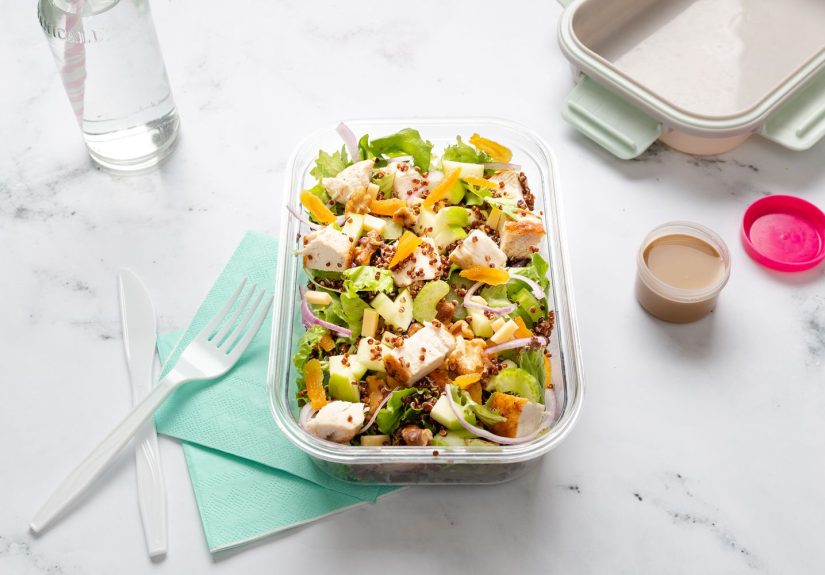
4) Quinoa Chicken (or Black Bean) Power Bowl
Start with quinoa, add grilled chicken (or black beans), roasted veggies (zucchini, peppers, broccoli), and a lemon-tahini
or vinaigrette drizzle.
Why it works: Protein + fiber + slow-digesting carbs = steady energy and fewer snack attacks.
Packing tip: Keep sauce in a mini container. Your quinoa will thank you for not turning into soup.
5) DIY “Sushi” Roll-Ups (No Raw Fish Required)
Use nori sheets with cooked rice (or cauliflower rice), cucumber, avocado, and canned salmon/tuna (or tofu). Roll, slice,
and pack with low-sodium soy sauce or a sesame-ginger dip.
Why it works: Fun to eat, easy to portion, and it feels like a treat without the price tag.
6) Greek Yogurt Parfait + “Crunch Pack”
Layer plain Greek yogurt with berries and a sprinkle of granola or nuts/seeds. Add cinnamon or a drizzle of honey if you want
it a little sweeter.
Make it a full lunch: Add a side of whole-grain toast, a small wrap, or a veggie-and-hummus cup.
Packing tip: Keep granola separate until you eat, unless you enjoy crunchy cereal turning into soft cereal.
7) Tuna (or White Bean) Salad Stuffed Pita
Mix canned tuna with Greek yogurt, mustard, celery, and diced pickles (or relish). Stuff into a whole-grain pita with lettuce.
For a plant-based version, mash white beans or chickpeas instead of tuna.
Why it works: Fast, protein-forward, and very “I packed lunch like an adult” without needing adult-level time.
8) Soba Noodle Salad with Peanut-Ginger Dressing
Toss cooked soba noodles with shredded cabbage, carrots, cucumber, and edamame or tofu. Dress with peanut butter + lime juice +
soy sauce + ginger + a splash of water.
Why it works: It’s great cold, holds up for hours, and has that restaurant-style flavor at desk-lunch prices.
Allergy swap: Use sunflower seed butter instead of peanut butter if needed.
9) Thermos Lentil Soup + Side Salad or Fruit
Lentil soup is one of the best brown bag lunches because it’s fiber-rich, protein-rich, and surprisingly filling. Pour hot soup
into a pre-warmed thermos and pack an apple or a simple side salad.
Why it works: Warm lunches can feel more satisfying, especially in cold offices or over-air-conditioned classrooms.
10) Egg Salad Lettuce Cups (or Sandwich) with a Crunchy Side
Mix chopped hard-boiled eggs with Greek yogurt, Dijon mustard, pepper, and a little celery. Spoon into romaine leaves or serve
on whole-grain bread.
Pair it with: baby carrots, snap peas, or an orange for a fresh, easy balance.
Food safety note: Egg salad is perishablepack cold sources.
11) “Snack Plate” Grain + Protein + Produce (The Flexible One)
When you don’t have time to “make a lunch,” assemble components you already have:
- Grain: whole-grain pita, brown rice cup, or whole-grain crackers
- Protein: cottage cheese, string cheese, nuts, chicken leftovers, or beans
- Produce: fruit + veggie sticks
- Flavor: salsa, hummus, pesto, or guac
Why it works: It’s basically a lunch framework. Once you have the pattern, you can swap endlessly without getting bored.
Quick Add-Ons That Upgrade Any Brown Bag Lunch
- Fiber booster: add beans, lentils, berries, chia seeds, or a side of veggies.
- Protein booster: Greek yogurt, edamame, eggs, canned fish, chicken, tofu, or a handful of nuts.
- Flavor booster: citrus, vinegar, herbs, mustard, hot sauce, or a sprinkle of everything bagel seasoning.
Simple Packing Tips That Prevent Lunch Disappointment
- Separate wet and dry: dressing, salsa, and juicy toppings travel in mini containers.
- Choose sturdy produce: apples, grapes, carrots, cucumbers, snap peas travel better than delicate greens alone.
- Make it easy to eat: pre-slice fruit, pre-peel oranges if you’re packing for kids, and pack a fork you actually like.
- Label it: especially in shared office fridgesfuture-you will appreciate the defense system.
Conclusion: Healthy Brown Bag Lunches That Fit Real Life
A healthy brown bag lunch isn’t about perfectionit’s about showing up with something that fuels you, travels well, and doesn’t
taste like punishment. If you take one thing from this list, let it be this: build lunch from a simple formula (produce + protein
+ whole grains + healthy fats), then rotate flavors so you don’t get bored.
Start with one idea you’ll actually make this week. Repeat it once. Then add one new lunch next week. That’s how lunch habits
stickquietly, and without requiring a Sunday afternoon meltdown.
Real-Life Brown Bag Lunch Experiences (The Honest, Slightly Messy Version)
Most lunch advice sounds like it was written by someone who owns six matching glass containers, alphabetizes spices, and has
never eaten standing up. Real life is different. Real life is: you’re running late, someone can’t find a shoe, your laptop
charger disappears into another dimension, and suddenly your lunch plan is “whatever is closest to the fridge door.”
Here’s what tends to happen for actual humansand how these healthy brown bag lunch ideas help. For school lunches, the biggest
challenge is often time and preference. Kids (and plenty of adults) don’t want a complicated meal; they want food
they recognize, can eat quickly, and won’t explode in their bag. That’s why bento-style boxes and “snack plate” lunches are so
popular: they feel fun and familiar. A few cubes of cheese, crackers, fruit, and crunchy veggies can be less intimidating than a
big mixed salad. And when someone is a picky eater, having separate compartments can turn “Nope” into “Okay, fine.”
For work lunches, the most common experience is the meeting trap: your lunch break gets swallowed by a call, and
your “sit and enjoy” meal becomes a “take three bites between calendar alerts” meal. That’s where wraps, roll-ups, and packable
bowls win. They’re not delicate. They don’t require a perfect setup. You can eat them in stages without the meal turning weird.
(A wrap can handle interruption. A plate of soggy nachos cannot.)
Another classic: the desk salad sadness. You pack greens, throw in a tomato, add dressing, and by lunchtime it
resembles lawn clippings in a rainstorm. The fix isn’t “stop eating salad.” The fix is “pack smarter.” Mason jar salads (dressing
on the bottom, sturdy stuff next, greens last) or grain-and-bean salads hold up way better. Chickpeas and quinoa are like the
reliable friends of the lunch worldthey show up and don’t fall apart under pressure.
Then there’s the temperature reality check. People often assume a lunch bag is a magical protective bubble.
It’s not. A lunch bag in a hot car is basically a tiny sauna. This is why insulated bags and ice packs matter, especially for
egg salad, yogurt, tuna, and leftovers. A very common experience is remembering the ice pack… at 3 p.m. In that moment, it helps
to have a backup option that’s less perishable: a snack plate with whole fruit, nuts, and shelf-stable items; or a wrap filled
mostly with veggies and a less temperature-sensitive spread (depending on ingredients). It’s not about fearit’s about being
smart when schedules go sideways.
And finally: the “I’m bored” problem. People don’t usually quit healthy lunches because they hate vegetables.
They quit because they hate repetition. One week of turkey sandwiches is fine. Three weeks is a hostage situation. A simple
strategy that works in real life is rotating one element at a time: keep the same base (wrap), swap the spread (hummus one day,
avocado another), change the protein (turkey to tofu), and switch the crunch (cucumber to snap peas). Small changes keep lunches
interesting without creating extra work.
If lunch feels hard, start smaller. Pick one lunch you can repeat twice this week. Pack fruit you actually like. Add one crunchy
veggie. Upgrade one ingredient (whole-grain bread, Greek yogurt, beans). Healthy lunch habits are built from doable wins, not
from “perfect” lunches that collapse the moment real life shows up.