Table of Contents >> Show >> Hide
- Why Hair Sticks to Carpet So Stubbornly
- 11+ Easy Ways to Remove Hair from Carpet Without Vacuuming
- 1. Put on a Rubber Glove and Use Your Hands
- 2. Use a Squeegee Like You Mean It
- 3. Grab a Rubber Broom or Carpet Rake
- 4. Roll a Lint Roller Over Trouble Spots
- 5. Make a DIY Tape Roller
- 6. Use a Damp Microfiber Cloth
- 7. Brush It Out with a Lint Brush or Upholstery Brush
- 8. Rub with a Dryer Sheet
- 9. Mist a Very Light Fabric Softener Solution
- 10. Try a Pumice Stone Carefully
- 11. Use a Stiff Brush for Embedded Hair
- 12. Call for Professional Carpet Cleaning
- How to Choose the Best Method for Your Carpet
- Mistakes to Avoid
- How to Keep Hair from Taking Over Again
- Conclusion
- Experience-Based Notes: What Really Happens in Hairy Homes
- SEO Tags
If your carpet has reached the point where it looks less like flooring and more like a backup pet, welcome. You are among friends. Hair gets tangled deep in carpet fibers, especially in bedrooms, under coffee tables, along baseboards, and in that one mysterious corner your dog treats like a private spa. The annoying part is that vacuuming is not always possible. Maybe your vacuum broke. Maybe the power is out. Maybe your carpet laughs in the face of weak suction. Or maybe you simply want a faster, quieter, cheaper fix.
The good news is that you can remove hair from carpet without vacuuming, and you do not need a cart full of fancy gadgets to do it. Many of the best methods rely on friction, static, light moisture, or adhesive grip. In plain English, the goal is to loosen the hair, gather it into clumps, and remove it before it settles in like it pays rent.
Below are 11+ easy, practical ways to get hair out of carpet without vacuuming, plus tips for choosing the right method for your carpet type, avoiding damage, and preventing the fuzz apocalypse from returning tomorrow.
Why Hair Sticks to Carpet So Stubbornly
Hair clings to carpet because carpet fibers create friction and hold onto strands the way Velcro holds onto bad decisions. Add static electricity, foot traffic, pet dander, dust, and natural oils, and loose hair starts weaving itself into the pile. High-pile and shag carpets are especially good at trapping fur, while low-pile carpets are easier to clean but still collect impressive amounts of hair in edges and traffic lanes.
That is why the best no-vacuum methods work by either pulling hair upward, bunching it into piles, or lightly loosening the bond between the hair and the carpet.
11+ Easy Ways to Remove Hair from Carpet Without Vacuuming
1. Put on a Rubber Glove and Use Your Hands
This is the classic low-cost trick for a reason: it works. Put on a clean rubber glove, dampen it very lightly, and drag your hand across the carpet. The rubber creates friction, and the hair starts gathering into clumps you can lift away by hand.
This method is great for corners, stairs, pet nap zones, and tight spots around furniture legs. It is also oddly satisfying, like peeling a sticker in one perfect strip.
Best for: small areas, edges, stairs, spot cleaning
Watch out for: over-wetting the glove; you want slightly damp, not dripping
2. Use a Squeegee Like You Mean It
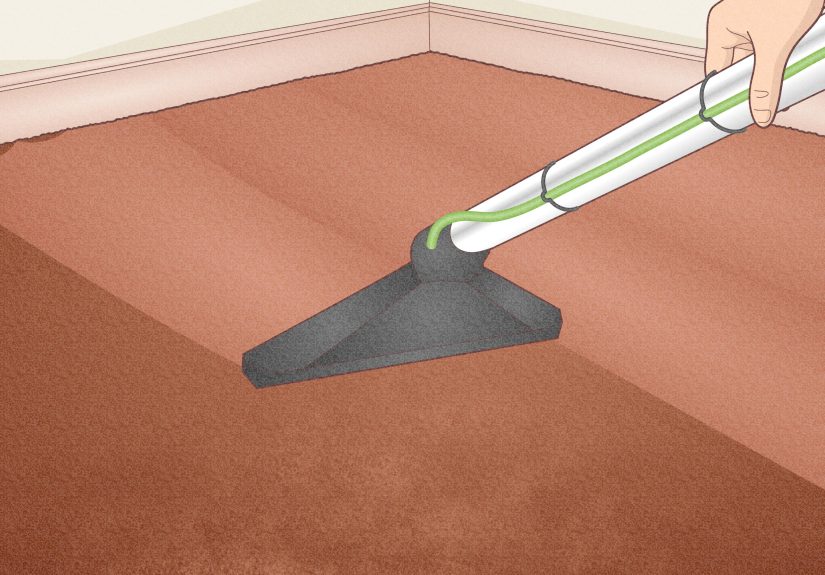
A regular rubber window or shower squeegee can be surprisingly effective on carpet. Pull it firmly across the carpet surface in short strokes. The rubber edge grabs embedded hair and rolls it into visible piles, which you can pick up by hand or with a dustpan.
This works especially well on low-pile carpet and area rugs. If you have never tried it before, prepare yourself for the emotional journey of realizing how much hair was hiding in plain sight.
Best for: low-pile carpet, rugs, open floor areas
Watch out for: delicate fibers that may not like repeated heavy pressure
3. Grab a Rubber Broom or Carpet Rake
If you need to clean a bigger room, level up to a rubber broom or carpet rake. These tools are designed to pull hair out of carpet fibers more efficiently than your hands can. Work in one direction first, then cross the area from a second angle to pull up whatever is left behind.
A carpet rake is especially useful for homes with shedding dogs, cats, or long human hair that seems to migrate into every room like a determined tumbleweed.
Best for: larger carpeted rooms, recurring pet hair problems
Watch out for: choosing a tool that is too harsh for delicate carpet
4. Roll a Lint Roller Over Trouble Spots
For smaller sections of carpet, a lint roller is an easy win. Roll it over the area where hair is concentrated, such as beside the sofa, near a pet bed, or on stairs. The sticky sheets catch loose hair quickly and cleanly.
This is not the most efficient option for an entire room unless you own several refill packs and a lot of patience. But for quick touch-ups, it is excellent.
Best for: spot cleaning, stairs, corners, entry rugs
Watch out for: shag or very fluffy carpets, where adhesive can tug on fibers
5. Make a DIY Tape Roller
No lint roller? No problem. Wrap wide packing tape or masking tape around your hand with the sticky side facing out, then press and lift over the carpet. You can also wrap tape around a paint roller to create a larger DIY version.
This method shines when you need precision. It is perfect for pet hair caught along seams, carpet edges, or the one patch that somehow attracts every loose strand in the house.
Best for: targeted cleanup, emergency fixes
Watch out for: cheap tape that leaves residue; always test first
6. Use a Damp Microfiber Cloth
A microfiber cloth can lift hair because its fine fibers catch and hold strands. Lightly dampen the cloth and wipe or drag it over the carpet surface. Rinse and wring it out as it loads up with hair.
This is slower than a squeegee or rake, but it is useful when you want a gentle method for a small area or a rug with a more delicate surface.
Best for: gentle cleaning, small rugs, delicate finishes
Watch out for: using too much water, which can leave the carpet overly damp
7. Brush It Out with a Lint Brush or Upholstery Brush
A lint brush can do a nice job between deep cleanings, especially in places where pets lie down every day. Brush in short, repeated strokes until the hair starts bunching together. Then collect it by hand.
Think of this as carpet grooming. Your rug may not thank you out loud, but it will stop wearing a fur coat.
Best for: repeated maintenance in favorite pet spots
Watch out for: brushing too aggressively on looped or fragile carpet
8. Rub with a Dryer Sheet
Dryer sheets are not just for laundry and mysterious drawer freshness. Rubbing a dryer sheet over carpet can help loosen surface hair and reduce static cling, making the strands easier to gather. A slightly used sheet often works just fine.
For many people, this is a handy finishing method after using gloves, a brush, or a squeegee. It helps catch lingering fuzz and leaves behind a cleaner smell.
Best for: quick refreshes, final pass after manual hair removal
Watch out for: using on surfaces sensitive to fragrance or residue
9. Mist a Very Light Fabric Softener Solution
If hair is clinging like it has signed a long-term lease, a light mist can help. Mix one part liquid fabric softener with three parts water in a spray bottle. Mist the carpet very lightly, let it dry or become barely damp, then use a glove, brush, rake, or cloth to gather the loosened hair.
The point is not to soak the carpet. The point is to reduce static and make the hair less stubborn. A little goes a long way. A lot goes a long, swampy, regrettable way.
Best for: stubborn surface hair, static-heavy rooms
Watch out for: oversaturating carpet or using on fibers that may discolor; always spot-test first
10. Try a Pumice Stone Carefully
A pumice stone can remove deeply embedded hair from sturdy carpets, but this method needs a light touch. Gently drag the stone across the carpet surface and let it pull the hair free. It works best on durable, low-pile carpet where hair is really packed in.
This is not the first tool to grab for delicate rugs, antique carpets, or anything shaggy and fancy. Pumice is effective, but it is also the method most likely to turn “cleaning day” into “why did I do that?” if you get too enthusiastic.
Best for: durable carpets with stubborn embedded hair
Watch out for: delicate fibers, wool, loose loops, or excessive pressure
11. Use a Stiff Brush for Embedded Hair
A stiff-bristled cleaning brush can help loosen hair when it has worked its way down into the pile. Brush in short, quick strokes in one section at a time. As the hair rises, gather it into a pile and remove it by hand.
This method is useful when the carpet looks clean from standing height but tells a completely different story once sunlight hits it from the side.
Best for: embedded hair in medium-traffic areas
Watch out for: scrubbing too hard and fraying soft fibers
12. Call for Professional Carpet Cleaning
Sometimes the easiest no-vacuum method is not doing it yourself at all. If the carpet is packed with pet hair, dander, odor, and mystery debris from three seasons ago, professional cleaning may be the smarter move. This is especially true for large rooms, allergy-sensitive households, or carpets that need more than surface grooming.
Professional service is not an everyday solution, but it can reset the carpet and make routine maintenance much easier afterward.
Best for: severe buildup, whole-room refreshes, allergy-prone homes
How to Choose the Best Method for Your Carpet
Not all carpets enjoy the same treatment. Before you go into full fur-fighting mode, match the method to the material:
- Low-pile carpet: squeegees, rubber brooms, lint rollers, and gloves usually work well
- Medium-pile carpet: rubber gloves, carpet rakes, stiff brushes, and light fabric-softener misting can help
- Shag or delicate rugs: stick with gentler methods like microfiber cloths, light glove friction, or soft brushing; avoid aggressive adhesive use and abrasive scraping
- Stairs: lint rollers, gloves, tape, and small hand brushes are usually easiest
Mistakes to Avoid
Hair removal from carpet is simple, but a few common mistakes can make it harder:
- Using too much water and leaving the carpet damp
- Scraping too hard with a pumice stone or stiff brush
- Using sticky rollers on shag-style or fragile fibers
- Ignoring corners, edges, and under furniture where hair builds up fastest
- Trying one weak pass and declaring the carpet a lost cause
How to Keep Hair from Taking Over Again
The easiest hair to remove is the hair that never reaches the carpet. A few smart habits make a big difference:
- Brush pets often, preferably outside
- Clean favorite pet lounging areas several times a week
- Use washable throws or mats in high-shed zones
- Keep a lint roller, rubber glove, or small brush nearby for fast touch-ups
- Do not wait until the carpet starts looking like it has bangs
Conclusion
If you need to remove hair from carpet without vacuuming, you are far from out of options. In fact, some manual methods work better than a vacuum on stubborn strands. Rubber gloves, squeegees, carpet rakes, lint rollers, brushes, microfiber cloths, dryer sheets, and light anti-static tricks can all make a real difference when used correctly.
The best approach depends on your carpet type, the amount of hair, and how much effort you want to spend. For a quick fix, reach for gloves, tape, or a lint roller. For heavier buildup, use a rubber broom, squeegee, or carpet rake. For extra-stubborn hair, a careful brush-out or gentle pumice pass may help. And when your carpet seems to be growing a second organism, professional cleaning is always a respectable choice.
The main thing is consistency. Hair is easier to remove when you deal with it early, before it works its way deep into the pile. So no, your carpet is not doomed. It is just very popular with loose hair.
Experience-Based Notes: What Really Happens in Hairy Homes
In real households, hair rarely appears as one dramatic event. It builds quietly. First you notice a few strands near the couch. Then a fuzzy line along the hallway wall. Then one afternoon sunlight hits the carpet at the perfect angle and suddenly the floor looks like it is wearing a sweater. That is usually when people start searching for ways to remove hair from carpet without vacuuming.
One of the most common experiences is discovering that the “best” method depends less on the internet and more on the type of mess in front of you. A lint roller can feel miraculous on carpeted stairs, but totally ridiculous in a full living room. A rubber glove feels almost silly until it starts rolling fur into neat little clumps, at which point it becomes a trusted household hero. The squeegee method often wins the prize for dramatic results. People try it once, stare at the pile it creates, and wonder whether their carpet has been secretly breeding dogs.
Homes with pets also tend to have hot spots. There is usually a nap corner, a window zone, a hallway turn, or a patch beside the bed where fur collects faster than everywhere else. Cleaning those spots regularly matters more than doing heroic whole-room cleanups once in a while. That is one of the biggest real-world lessons: frequent, small touch-ups beat occasional cleaning marathons. Five minutes with a rubber brush today is easier than forty-five minutes of muttering at the carpet next weekend.
Another familiar experience is learning the hard way that more moisture is not better. Many people try a spray, use too much, and end up with damp carpet that feels weird for hours. The same goes for aggressive scrubbing. There is a strong temptation to attack embedded hair like you are sanding a deck. Usually, that just makes the carpet look tired. Gentle pressure repeated a few times almost always works better than one furious pass fueled by disappointment.
Then there is the psychological side of carpet hair. Once you successfully remove it, your standards change instantly. You start seeing every fuzzy patch from across the room. You keep a glove under the sink, a lint roller by the stairs, and maybe a small brush in a closet because now you know how easy a quick cleanup can be. The carpet goes from “hopelessly hairy” to “manageable, if mildly dramatic.”
People with kids, pets, or long hair usually end up building a simple system: loosen with a glove or squeegee, gather by hand, finish with a cloth or roller, and repeat in the high-shed zones before things get out of hand. That routine is not glamorous, but it works. And that is the experience most people eventually land on: you do not need a perfect home, a powerful vacuum, or a complicated cleaning routine. You just need the right tool for the right patch of carpet and the willingness to deal with the fluff before it stages a full-scale takeover.