Table of Contents >> Show >> Hide
- Table of Contents
- What Is Quick Bread?
- Quick Bread Science (In Plain English)
- The Golden Rules for Tender, Tall Quick Breads
- 10 of Our Best Quick Bread Recipes (No Yeast)
- 1) Classic Banana Bread (The Gold Standard)
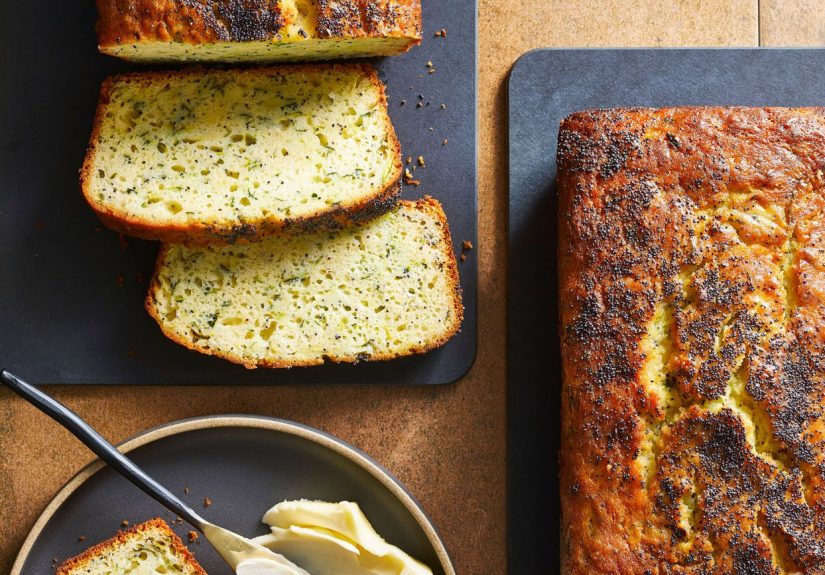
- 2) Lemon Poppy Seed Bread With a Simple Glaze
- 3) Skillet Buttermilk Cornbread (Crispy Edges, Tender Center)
- 4) Classic Zucchini Bread (A Delicious Way to Use Summer Squash)
- 5) Pumpkin Spice Quick Bread (Cozy, Not Complicated)
- 6) Traditional Irish Soda Bread (Four Ingredients, Big Payoff)
- 7) Butter Swim Biscuits (The No-Roll, No-Stress Biscuit)
- 8) Popovers (Big, Airy, and Honestly Kind of Magical)
- 9) Classic Beer Bread (Four Ingredients, One Hour, Zero Drama)
- 10) Blueberry Muffin Loaf (All the Muffin Energy, One Easy Pan)
- Troubleshooting: Why Quick Breads Go Wrong
- Serving & Storage Tips
- of Real-Life Quick Bread Experience
Sometimes you want fresh-baked bread today, not after a long, dramatic relationship with yeast that involves proofing, patience, and a tiny existential crisis.
Enter quick breads: the “I’ve got places to be” heroes of the baking world. They rise fast, bake fast, and make your kitchen smell like you have your life together.
(Even if you’re wearing socks that don’t match. No judgment.)
In this guide, you’ll get the quick-bread basics (why they work, how not to sabotage them), plus 10 go-to no-yeast recipessweet, savory, and
“I didn’t plan breakfast but I did plan vibes.”
What Is Quick Bread?
“Quick bread” is a big umbrella for baked goods that don’t rely on yeast to rise. Instead, they use faster methodsusually
chemical leaveners (baking powder and/or baking soda), and sometimes physical lift (eggs and steam).
That’s why quick breads go from bowl → oven without a long wait.
Quick breads include loaf-style favorites (banana bread, zucchini bread, pumpkin bread), as well as biscuit-style breads
(buttermilk biscuits, soda bread, beer bread), and even dramatic, hollow show-offs like popovers.
The best part? Quick breads are forgiving in spiritbut they do have a few rules. Break them and you get a loaf that’s dense,
tough, or shaped like a sad brick. Follow them and you get tender crumbs, good rise, and that “homemade” smell that makes
people wander into the kitchen asking, “What are you baking?” (Translation: “Can I have some?”)
Quick Bread Science (In Plain English)
Baking powder vs. baking soda
Baking soda needs an acid to react (think buttermilk, yogurt, sour cream, citrus juice, brown sugar, cocoa, or even
sour milk). When soda meets acid, it produces carbon dioxide bubbles. Those bubbles expand in the oven and help your batter rise.
Baking powder already contains both base and acid. Most of what you buy is “double-acting,” meaning it bubbles once
when mixed with liquid and again when heatedhelpful for getting a lighter, more consistent rise in quick breads.
Why “mixing gently” isn’t just grandma folklore
Flour + liquid + stirring = gluten development. Gluten is great for chewy yeast breads, but quick breads are aiming for
tender. Overmix and you’ll strengthen gluten and create long air tunnelsgiving you a loaf with a rubbery crumb and
odd “trenches” running through it. (This is the baked-goods version of stepping on a Lego.)
Steam lift is real (and popovers know it)
Some quick breadsespecially popoversrely heavily on eggs and steam. A hot oven turns liquid into vapor fast, inflating the batter
like a balloon. This is why popovers are part pastry, part magic trick, and part “don’t open the oven door.”
The Golden Rules for Tender, Tall Quick Breads
-
Use fresh leaveners. Baking powder and baking soda lose punch over time after opening. If your quick breads keep coming out flat,
it might be your pantrynot your skills. -
Mix wet + dry separately, then combine gently. Stir just until you don’t see dry flour. A few small lumps are not a crime.
They’re actually a sign you didn’t overdo it. -
Match your leavener to your ingredients. If your batter has acidic ingredients, baking soda helps neutralize and lift.
If it’s mostly neutral, baking powder does the heavy lifting. - Prep the pan properly. Grease it, line it, or bothdepending on the recipe and how attached you are to your loaf.
-
Don’t overbake “just to be safe.” Overbaking dries quick breads fast. Pull them when a tester comes out clean or with a few moist crumbs
(depending on the style), and let carryover heat finish the job. -
Let it cool (yes, really). Cutting hot quick bread releases steam and can make the crumb gummy. Give it time so it slices cleanly.
Your patience will be rewarded with better texture.
10 of Our Best Quick Bread Recipes (No Yeast)
These 10 recipes cover the whole quick-bread mood board: classic, citrusy, cozy, savory, and a couple that feel fancy even though they’re secretly easy.
Each includes a short “why it works” plus a streamlined method you can actually follow on a weeknight.
1) Classic Banana Bread (The Gold Standard)
If quick breads had a prom king, banana bread would be wearing the crown. It’s sweet, moist, beginner-friendly, and built for using those bananas
that are one more day away from becoming a science project.
Why it works
- Overripe bananas provide sweetness and moisture.
- Baking soda (often paired with an acidic ingredient like yogurt or sour cream) boosts rise and browning.
- Brown sugar adds depth and helps keep the crumb tender.
Quick method
- Heat oven to 350°F and prep a 9×5 loaf pan.
- Whisk dry: flour, salt, and your leavener(s).
- Mix wet: mashed bananas, sugar, eggs, melted butter or oil, vanilla (optional), plus yogurt/sour cream if using.
- Fold wet into dry until just combined. Add nuts or chocolate if you feel fancy.
- Bake until a tester comes out clean (usually 50–70 minutes). Cool before slicing.
Make it yours: Add toasted walnuts, chocolate chunks, or a cinnamon-sugar top for a crackly finish.
2) Lemon Poppy Seed Bread With a Simple Glaze
Bright, tangy, and speckled like a dessert wearing polka dots. Lemon poppy seed bread is the quick-bread equivalent of opening the curtains on a sunny day.
Why it works
- Lemon juice and/or sour cream/yogurt provide acidity and tenderness.
- A combo of baking powder + a touch of baking soda creates reliable lift and a soft crumb.
- Poppy seeds add crunch without stealing the spotlight.
Quick method
- Whisk dry: flour, poppy seeds, salt, baking powder (and a little baking soda if your recipe uses acidic dairy).
- Whisk wet: sugar, eggs, oil or melted butter, sour cream/yogurt, lemon zest, and lemon juice.
- Combine gently. Bake in a loaf pan at 350°F until done.
- Glaze: whisk powdered sugar + lemon juice. Drizzle once fully cooled.
Pro tip: Zest first, then juice. Trying to zest a naked lemon is a humbling experience.
3) Skillet Buttermilk Cornbread (Crispy Edges, Tender Center)
Cornbread is quick, cozy, and basically required if chili is on the menu. Baking it in a hot cast-iron skillet gives you that iconic
golden crust that people fight over.
Why it works
- Buttermilk adds tang and activates baking soda (if used).
- A blend of cornmeal + flour balances texture: hearty but not gritty.
- Hot skillet = immediate sizzle = better crust.
Quick method
- Preheat oven to 400–425°F with a greased cast-iron skillet inside.
- Whisk dry: cornmeal, flour, salt, baking powder (and/or soda).
- Whisk wet: buttermilk, eggs, melted butter. Add a little sugar if you like a hint of sweetness.
- Pour into hot skillet. Bake until deeply golden and set.
Serve with: honey butter, chili, or the confidence of someone who nailed the edges.
4) Classic Zucchini Bread (A Delicious Way to Use Summer Squash)
Zucchini bread is moist by nature, lightly spiced, and the best kind of “vegetable serving” because it tastes like cake wearing a trench coat.
Why it works
- Grated zucchini contributes moisture and tenderness.
- Cinnamon/nutmeg pair well with a neutral base batter.
- Oil (instead of only butter) keeps the loaf soft for days.
Quick method
- Grate zucchini. If it’s extremely watery, blot lightlydon’t wring it bone-dry unless your recipe calls for it.
- Whisk dry: flour, salt, spices, baking powder/soda as directed.
- Whisk wet: eggs, sugar, oil, vanilla.
- Fold together; stir in zucchini last. Bake in a loaf pan until done.
Upgrade option: Go double chocolate (cocoa + chocolate chips) for a loaf that disappears “mysteriously.”
5) Pumpkin Spice Quick Bread (Cozy, Not Complicated)
Pumpkin bread tastes like fall decided to be helpful. It’s warmly spiced, plush, and surprisingly easy to keep moistespecially with pumpkin puree
doing the heavy lifting.
Why it works
- Pumpkin puree adds moisture and structure.
- Warm spices (cinnamon, ginger, nutmeg, clove) create that classic “holiday bakery” aroma.
- Oil or a dairy add-in (like yogurt) keeps it tender, not crumbly.
Quick method
- Whisk dry: flour, salt, baking powder/soda, spices.
- Whisk wet: pumpkin puree, sugar, eggs, oil, vanilla.
- Fold together gently. Top with pepitas (optional). Bake until set.
Flavor twist: Add fresh ginger or a maple-butter swirl for “I brought something special” energy.
6) Traditional Irish Soda Bread (Four Ingredients, Big Payoff)
Soda bread is the OG “no yeast, no problem” loaf. It’s rustic, quick, and perfect with butter (and with soup, and toasted, and basically always).
Why it works
- Baking soda + buttermilk = fast chemical lift.
- Minimal mixing keeps it tender (overwork it and it gets tough).
- A simple dough bakes into a hearty loaf with a crisp exterior.
Quick method
- Heat oven to 400°F. Line a baking sheet or prep a skillet.
- Mix flour, salt, and baking soda.
- Add buttermilk and stir just until a shaggy dough forms.
- Shape into a round. Score a deep “X” on top (helps baking + traditional).
- Bake until browned and firm. Cool before slicing.
Fun historical note: Soda bread became popular when baking soda became widely available; it’s fast, practical, and built for everyday baking.
7) Butter Swim Biscuits (The No-Roll, No-Stress Biscuit)
These biscuits are for anyone who loves biscuits but doesn’t love washing flour off every surface of their kitchen. You mix a soft dough, pour it into
a pan of melted butter, score it, and bake. That’s it. That’s the recipe.
Why it works
- High hydration keeps the crumb tender.
- Melted butter fries the edges into a golden crust.
- No rolling = less chance of overworking the dough.
Quick method
- Melt butter in a baking dish.
- Stir flour, baking powder, salt (and sometimes a touch of sugar) in one bowl.
- Add buttermilk and stir just to combine.
- Spoon dough into the butter dish, spread gently, score into squares.
- Bake hot until deeply golden.
Best use: Breakfast sandwiches, soup dunking, or eating one standing at the counter “just to test it.”
8) Popovers (Big, Airy, and Honestly Kind of Magical)
Popovers are what happen when eggs, steam, and high heat agree to do something impressive. They rise into tall, hollow puffs with crisp edges and a soft interior.
Why it works
- Eggs provide structure.
- A thin batter generates steam quickly in a hot oven.
- No yeast neededjust heat and timing.
Quick method
- Heat oven to 425°F. Preheat a popover pan or muffin tin.
- Blend/whisk eggs, milk, flour, and salt until smooth (don’t whip in tons of airjust smooth).
- Pour into hot pan and bake high heat to start, then lower temp slightly to finish.
- Do not open the oven early. Popovers hate surprises.
Serving idea: Split and fill with butter and jam… or go savory with cheddar and herbs.
9) Classic Beer Bread (Four Ingredients, One Hour, Zero Drama)
Beer bread is what you make when you want something bread-adjacent for dinner but you also want to keep your weekend planslike relaxing.
Carbonation and/or self-rising flour do the work; you do the mixing.
Why it works
- Self-rising flour (or flour + baking powder + salt) provides lift.
- Beer adds flavor and helps create a tender crumb.
- Minimal mixing keeps it from turning tough.
Quick method
- Heat oven to 350–375°F. Grease a loaf pan.
- Stir flour + sugar (optional) + salt (if needed).
- Pour in beer and stir just until no dry pockets remain.
- Pour into pan; top with melted butter for a golden crust.
- Bake until browned and set. Cool briefly before slicing.
Pick your beer: Lighter beers give mild flavor; darker beers add malty depth.
10) Blueberry Muffin Loaf (All the Muffin Energy, One Easy Pan)
Love muffins but don’t want to fuss with liners and individual portions? Bake the batter in a loaf pan and call it a day.
You get a sliceable breakfast bread that still tastes like a bakery treat.
Why it works
- The “muffin method” limits gluten for a soft crumb.
- Tossing berries with a little flour helps reduce sinkage.
- Baking powder gives consistent lift without needing extra acid.
Quick method
- Whisk dry: flour, baking powder, salt, sugar.
- Whisk wet: eggs, milk/buttermilk, melted butter or oil, vanilla.
- Fold wet into dry until just combined.
- Toss blueberries with a spoonful of flour; fold in gently.
- Bake in a loaf pan until set. Cool and slice.
Extra credit: Add a lemon-zest sugar topping for sparkle and crunch.
Troubleshooting: Why Quick Breads Go Wrong
If your loaf didn’t rise, cracked weirdly, or came out dry, here are the usual suspects:
- Expired baking powder/soda: The loaf can’t rise if the bubbles don’t show up to work.
- Overmixing: Leads to tough crumbs and tunnels. Stir less than you think you should.
- Wrong pan size: A too-small pan can overflow; too-large can bake shallow and dry.
- Oven not actually preheated: Quick breads need heat right away to set structure and trap gas.
- Overbaking: The #1 cause of “tastes great but feels like sand.” Watch the last 10 minutes closely.
- Slicing too soon: Hot quick bread is still finishing internallycooling improves texture dramatically.
Serving & Storage Tips
- Cool before wrapping: Trapped steam makes crust soggy and texture gummy.
- Wrap airtight for moisture: Plastic wrap or an airtight container helps keep loaves tender.
- Freeze for future-you: Slice first, then freeze with parchment between slices for easy toasting.
- Refresh slices: Toasting brings back crust and aromaespecially for soda bread and beer bread.
Quick breads are at their best within the first couple of days, but many hold up well longer if wrapped properly (and if they survive your household).
of Real-Life Quick Bread Experience
If you bake quick breads long enough, you start noticing patternstiny signals that tell you whether you’re headed toward “soft and sliceable”
or “please pass the butter and a glass of water.” The first big lesson is that quick breads are less about fancy technique and more about
restraint. The batter doesn’t want a workout. It wants a gentle introduction.
A classic scene: you pour wet into dry, start stirring, and the mixture looks lumpy and unfinished. Your instinct says, “Keep mixing until smooth!”
Quick bread says, “Absolutely not.” Those lumps are usually just pockets of flour that will hydrate in the oven. Stirring until perfectly smooth often
means you’ve built extra gluten, and gluten in quick breads is like bringing a megaphone to a librarytechnically allowed, socially incorrect.
Another frequent experience is the leavener surprise. You follow a recipe, you do everything right, and the loaf still bakes up flat. A lot of home bakers
discover (the hard way) that baking powder and baking soda aren’t immortal. They can sit in the pantry looking innocent while quietly losing strength.
When you replace them, suddenly your biscuits lift, your muffin tops dome, and your confidence returns. It feels like upgrading from dial-up internet.
Then there’s the “I opened the oven” momentespecially with popovers. Popovers are dramatic. They rise tall, they look unstoppable, and the second you crack
the oven door early “just to peek,” they deflate like a balloon at the end of a kid’s birthday party. The lesson: trust the process, use the oven light,
and remember that some breads do better when you ignore them (relatable).
Quick breads also teach you how ingredients change outcomes in predictable ways. Swap butter for oil and the loaf stays softer longer. Add sour cream or yogurt
and the crumb gets plush and tender. Use brown sugar and you’ll notice deeper flavor and a moister slice. Toss berries with flour and they behave better in the
batter. Warm spices bloom more when paired with a little salt. These aren’t mysterious chef secretsthey’re small, repeatable adjustments that make your baking
feel less like luck and more like control.
Finally, quick breads deliver a specific kind of joy: the joy of immediacy. You can decide at 7:10 p.m. that you want bread and still be eating warm slices
before your favorite show ends. And because quick breads are so adaptable, you can treat your pantry like a playlist: bananas become banana bread, half a lemon
becomes lemon poppy seed, a lone zucchini becomes tomorrow’s breakfast, a can of beer becomes dinner’s sidekick. The “experience” is less about mastering a single
recipe and more about learning a flexible method you can remix forever. Once that clicks, you stop asking “Do I have yeast?” and start asking “What can I bake
right now?”