Table of Contents >> Show >> Hide
- The Short Answer: Babies, Pickles, and a Very Clever Joke
- A Brief History of Vlasic Pickles
- Why a Stork Made Sense in 1974
- The Pregnancy Pickle Craving Connection
- The Stork Myth: Why Birds Became Baby Couriers
- Meet the Vlasic Stork: A Pickle Mascot With Attitude
- Why the Mascot Worked So Well
- Was the Vlasic Stork Really Named Jovny?
- Why Vlasic Did Not Just Use a Cucumber Mascot
- The Bigger Lesson: Great Mascots Sell More Than Products
- Conclusion: So, Why Is the Vlasic Pickles Mascot a Stork?
- Personal Experience: Why the Vlasic Stork Still Makes Pickles More Fun
If you have ever opened a jar of Vlasic pickles and stared at the label long enough to ask, “Why is there a bespectacled stork selling me cucumbers in vinegar?”, congratulations. You have officially entered one of the crunchiest rabbit holes in American advertising history.
The Vlasic Pickles mascot is a stork because the brand brilliantly connected three ideas: the old folklore that storks deliver babies, the popular cultural joke that pregnant women crave pickles, and the company’s playful 1970s marketing strategy. In other words, the stork did not accidentally wander onto a pickle jar. He was hired for the job.
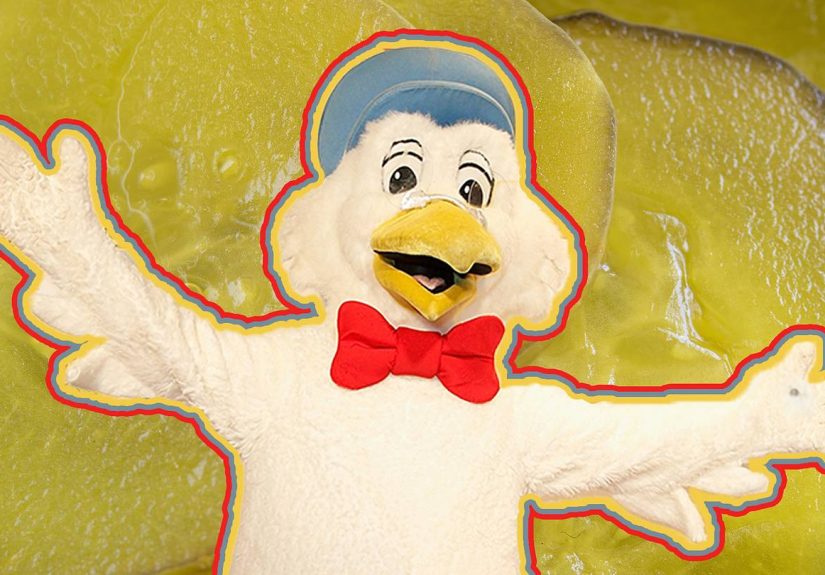
Introduced in 1974, the Vlasic Stork became one of the most recognizable food mascots in the United States. With his blue delivery-style hat, red bow tie, glasses, Groucho Marx-inspired voice, and pickle held like a cigar, he turned a humble jar of pickles into a full comedy routine. That is not easy. Pickles are delicious, but they are not naturally known for dramatic character development.
The Short Answer: Babies, Pickles, and a Very Clever Joke
The reason behind the Vlasic Pickles mascot can be summed up simply: storks were already associated with babies, and pickles were already associated with pregnancy cravings. Vlasic took those familiar cultural ideas and twisted them into a funny advertising concept. If the birth rate was down and the stork had fewer babies to deliver, why not put him to work delivering pickles?
That joke fit the brand perfectly. Vlasic did not want pickles to feel plain, old-fashioned, or boring. The company leaned into humor, crunch, and personality. The result was a mascot that made people remember the brand long after the commercial ended. A stork selling pickles sounds strange until you realize that strange is exactly why it worked.
A Brief History of Vlasic Pickles
The Vlasic story began far away from cartoon birds and briny snacks. Frank Vlasic came to America in 1912 and started building a better life for his family in Detroit. At first, the family business was not about pickles at all. It was a creamery, focused on milk and cheese. Yes, the pickle empire began with dairy. Food history likes to keep us humble.
Frank eventually passed the business to his son Joe, who expanded it. During the 1930s and 1940s, the family moved into pickles, especially Polish-style pickles seasoned with garlic and dill. Selling pickles in glass jars became a turning point. The idea gave customers a convenient, attractive way to buy a product that had often been sold from barrels or in less polished formats.
After World War II, American eating habits changed. Families were shopping differently, supermarkets were growing, and packaged foods were becoming household staples. Vlasic was ready for that moment. By the 1970s, the company had grown into a major national pickle brand. Pickle consumption in the United States had risen sharply, and Vlasic’s crunchy personality helped the brand stand out in a crowded grocery aisle.
Why a Stork Made Sense in 1974
The Vlasic Stork first appeared in 1974, a year when the postwar baby boom had faded and the national birth rate had declined from its earlier highs. This demographic backdrop gave advertisers a perfect setup for a joke: the stork, traditionally responsible for delivering babies, suddenly had extra time on his wings.
Vlasic’s marketers turned that idea into a campaign. Instead of delivering babies, the stork delivered jars of pickles. The joke worked because it was instantly understandable. Americans already knew the stork-and-baby myth. They also knew the pickle craving stereotype. Put the two together, add a crunchy sound effect, and you have a mascot that could fly straight into pop culture.
The Pregnancy Pickle Craving Connection
The phrase “pickles and ice cream” has been a classic shorthand for pregnancy cravings for generations. Not every pregnant person craves pickles, of course, and cravings can vary widely. Still, salty, sour, cold, sweet, and intensely flavored foods are commonly discussed in relation to pregnancy. Pickles are bold, salty, tangy, crunchy, and convenient, which makes them a perfect symbol for the craving conversation.
Vlasic did not invent the idea that pregnant women crave pickles. The company simply recognized that the idea was already living rent-free in American culture. Then it invited the stork to move in next door.
From a marketing perspective, this was smart. A mascot does not need to explain every detail of a product. It needs to create instant recognition and emotional recall. The Vlasic Stork did both. He made the brand funny, memorable, and oddly charming.
The Stork Myth: Why Birds Became Baby Couriers
Long before Vlasic used the stork in advertising, storks had been tied to birth, family, and fertility in European folklore. The familiar story says that storks deliver babies to homes, often carrying them in cloth bundles. It is a gentle, child-friendly myth that gave adults a convenient answer to the timeless question, “Where do babies come from?”
Storks also have real-life traits that helped the legend stick. They are large, graceful birds. Some species build big nests near human homes, including rooftops and chimneys. They return seasonally, which made them symbols of renewal and domestic life. In folklore, symbolism matters as much as biology. A dramatic bird on a chimney is practically begging to be turned into a bedtime story.
Vlasic borrowed that familiar image and gave it a comic grocery-store twist. Instead of babies, the bird brought pickles. Instead of a delicate bundle, he carried crunch. It was ridiculous in the best possible way.
Meet the Vlasic Stork: A Pickle Mascot With Attitude
The Vlasic Stork is not just any stork. He is a wisecracking character with a distinctive look and voice. His blue hat makes him feel like a delivery worker. His glasses make him look slightly scholarly, or at least like he reads the nutrition label before judging you. His red bow tie adds a splash of showmanship. And the pickle held like a cigar gives him an unmistakable old-comedy energy.
The character’s Groucho Marx-style delivery made him feel less like a bland corporate mascot and more like a vaudeville comedian who wandered into the condiment aisle. He was cheeky, fast, and built for commercials. The crunch of the pickle became part of the joke. In Vlasic advertising, the sound was not just a bite. It was the punchline.
Why the Mascot Worked So Well
1. It Was Instantly Memorable
A stork selling pickles is unusual. That is the point. If Vlasic had chosen a smiling cucumber, it might have made sense, but it would have been less distinctive. The stork created a question in the shopper’s mind, and questions are powerful memory hooks.
2. It Connected to Existing Culture
The campaign did not force customers to learn a complicated story. People already understood storks, babies, and pregnancy cravings. Vlasic simply connected the dots in a new way.
3. It Made Pickles Feel Fun
Bob Vlasic famously believed pickles should be treated as a fun food. That attitude shaped the brand. The stork gave pickles personality. He helped turn a jar of cucumbers in brine into something with a wink, a voice, and a sense of humor.
4. It Highlighted the Crunch
Vlasic advertising often emphasized the crisp bite of its pickles. The stork’s commercials made the crunch dramatic, sometimes startling, sometimes silly, always noticeable. For a pickle brand, crunch is not a side detail. It is the main event.
Was the Vlasic Stork Really Named Jovny?
The Vlasic Stork is often referred to as Jovny in discussions of classic advertising mascots. Whether shoppers know the name or not, they know the character. That is the mark of a successful mascot. You do not need to know Tony the Tiger’s mailing address to understand that he sells cereal. Likewise, you do not need to know the stork’s name to recognize him on a pickle jar.
Over the decades, the stork became part of Vlasic’s identity. He appeared on packaging, in commercials, and in nostalgic conversations about food advertising. He belongs to the same broad family of American brand characters that includes cheerful cereal animals, snack spokespeople, and animated food icons that somehow became more famous than many real celebrities.
Why Vlasic Did Not Just Use a Cucumber Mascot
A cucumber mascot would have been logical. It also might have been forgettable. The best advertising mascots often work because they are slightly unexpected. A tiger selling cereal, a leprechaun guarding marshmallows, a tuna wearing a hat, a bunny obsessed with chocolate-flavored breakfast foodthese characters stick because they create a tiny story.
The Vlasic Stork gives the brand a story. He is not merely saying, “Buy pickles.” He is saying, “I used to deliver babies, but business changed, so now I deliver the crunchiest pickles around.” That tiny story makes the product easier to remember. It gives the jar personality before the lid is even opened.
The Bigger Lesson: Great Mascots Sell More Than Products
The Vlasic Pickles mascot shows how great branding can turn a simple food into a cultural object. Pickles are practical. They go on burgers, sandwiches, relish trays, and midnight snack plates. But branding gives them mood. Vlasic chose comedy, and the stork carried that comedy beautifully.
A strong mascot does several jobs at once. It creates recognition, communicates a brand promise, triggers nostalgia, and gives customers something to smile about. The Vlasic Stork says “crunch” without needing a lecture. He says “fun” without needing a slogan. He says “this brand has been around forever” without sounding dusty.
Conclusion: So, Why Is the Vlasic Pickles Mascot a Stork?
The Vlasic Pickles mascot is a stork because the brand turned a cultural joke into advertising gold. Storks were linked to babies. Pickles were linked to pregnancy cravings. In the 1970s, with the birth rate down and pickle sales rising, Vlasic imagined a stork who had changed careers. Instead of delivering babies, he delivered pickles.
That playful idea gave Vlasic one of the most recognizable food mascots in America. The stork’s look, voice, pickle-cigar pose, and comic timing made him more than a label decoration. He became a symbol of the brand’s personality: crunchy, silly, confident, and impossible to ignore.
So the next time you see the Vlasic Stork on a jar, remember that he is not lost. He knows exactly what he is doing. He is working in a long tradition of folklore, food cravings, and advertising mischief. Also, he probably wants to know when you are going to eat that pickle.
Personal Experience: Why the Vlasic Stork Still Makes Pickles More Fun
There is something wonderfully specific about seeing the Vlasic Stork on a jar in the refrigerator door. He does not look like he belongs in a modern minimalist kitchen. He looks like he has stories. He looks like he has interrupted several dinner parties, delivered a jar to the wrong house, and still somehow left with applause.
That is part of the charm. Many food packages try to look sleek, healthy, expensive, or farm-fresh. The Vlasic Stork looks like a character who would knock on your door and announce that your sandwich is underdressed. His presence makes pickles feel less like a condiment and more like an event.
For many people, Vlasic pickles are tied to everyday eating rituals. They sit beside grilled burgers at summer cookouts. They get layered into turkey sandwiches. They are speared out of the jar late at night when someone opens the fridge “just to look.” The stork fits those moments because he brings a little humor to a food that is already oddly dramatic. Pickles are loud. They snap, drip, sting, and crunch. They are not shy.
The mascot also works because pickles have a personality problem, in the best way. They are humble, but intense. Small, but bold. Common, but weirdly beloved. A pickle can be a garnish, a snack, a craving, a side dish, or the one thing that saves a boring sandwich from emotional collapse. The Vlasic Stork captures that personality. He is theatrical, but not glamorous. Funny, but not fancy. He is exactly the kind of spokesperson a pickle deserves.
There is also a nostalgic quality to the character. Even people who do not remember the original commercials may recognize the old-school advertising style: a mascot with a costume, a catchphrase, and a slightly ridiculous premise. In an era when many brands chase trends, the stork feels refreshingly committed to the bit. He has been delivering pickles for decades, and he has not asked us to overthink it.
That staying power matters. A good mascot becomes part of the shopping experience. You scan the shelf and recognize the face before you read the label. The stork makes Vlasic easy to spot, but he also makes the jar feel familiar. Familiarity is powerful in grocery shopping. When customers are choosing between similar products, the brand with a memorable character often has the advantage.
The funniest part is that the stork still raises the original question: why is this bird here? That question keeps the story alive. Every new shopper who notices the mascot can rediscover the joke. Babies, cravings, pickles, a declining birth rate, and a stork with a new delivery routeit sounds like a comedy sketch, but it became branding history.
In the end, the Vlasic Stork works because he makes sense emotionally even before he makes sense logically. Pickles are fun. The stork is fun. The connection is strange, but memorable. And once you know the story, the mascot feels less random and more brilliant. He is not just a bird on a jar. He is proof that great advertising can take a simple snack and give it wings.