Table of Contents >> Show >> Hide
- What Exactly Is a Cara Cara Orange?
- Why Cara Cara Oranges Stand Out From Other Citrus
- The Pink Color: Beautiful, Natural, and Not a Blood Orange Clone
- Nutrition Highlights: Why Cara Cara Oranges Are a Smart Snack
- When Are Cara Cara Oranges in Season?
- How to Pick the Best Cara Cara Oranges at the Store
- How to Store Cara Cara Oranges So They Stay Sweet and Juicy
- How to Prep Cara Cara Oranges Safely (Yes, Even If You Peel Them)
- Best Ways to Eat Cara Cara Oranges (Besides Standing Over the Sink)
- Why Cara Cara Oranges Are the Colorful Citrus Fruit to Try ASAP
- Extended Experience Section: What Trying Cara Cara Oranges Actually Feels Like (About )
- Conclusion
Some fruits are good. Some fruits are great. And then there’s the Cara Cara orangethe citrus equivalent of showing up to brunch in a plain sweater and then revealing a hot-pink sequined lining. From the outside, it looks like a regular orange. Slice it open, though, and suddenly your cutting board looks like it joined an art exhibit.
If you’ve walked past Cara Cara oranges at the store thinking, “Cute, but are they actually worth it?” the answer is a juicy yes. These pink-fleshed oranges are sweet, low in acidity, easy to peel, and ridiculously versatile. They’re the kind of fruit that makes healthy eating feel less like a chore and more like a flex.
In this guide, we’ll break down what Cara Cara oranges are, what makes them different from blood oranges and regular navels, how they taste, how to buy and store them, and the best ways to use themfrom simple snacks to show-off salads. And yes, we’ll also talk about the color, because honestly, it deserves its own fan club.
What Exactly Is a Cara Cara Orange?
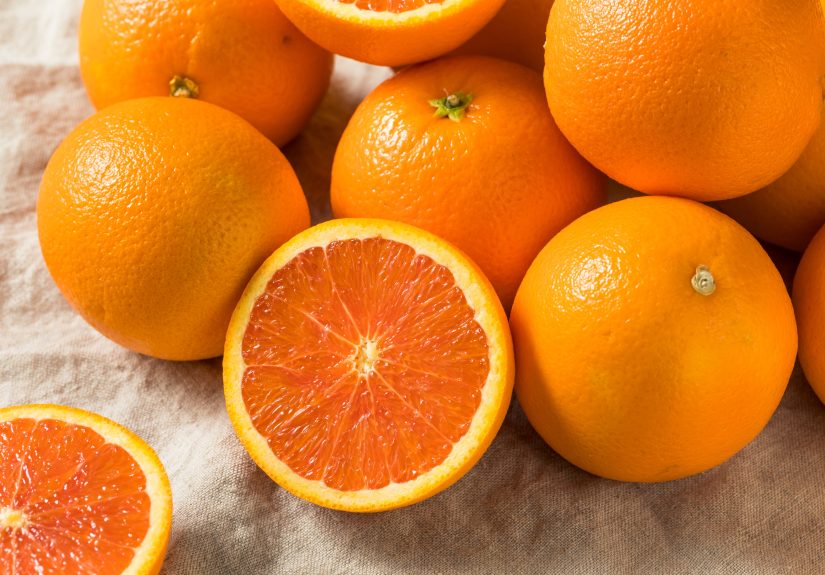
A Cara Cara orange is a type of navel orange. That means it belongs to the same sweet orange family as the navels you probably already know, love, and casually toss into lunch bags. What makes Cara Cara special is what happens inside: the flesh ranges from rosy pink to salmon-colored, with a flavor many people describe as sweeter and more complex than a standard navel.
Quick Cara Cara orange facts
- It’s a navel orange variety (not a grapefruit, not a blood orange).
- It has pink to coral flesh and typically orange skin.
- It’s usually seedless, which is always a win when you’re eating over a keyboard.
- It’s known for being sweet, juicy, and lower in acidity than many common oranges.
- It’s a winter citrus favorite, so timing matters if you want peak flavor.
Cara Cara oranges are often associated with California citrus season, and they’re commonly found in U.S. grocery stores and farmers markets during the cooler months. Translation: this is one of the easiest “specialty fruits” to actually find without needing a treasure map.
Why Cara Cara Oranges Stand Out From Other Citrus
There are plenty of oranges in the produce aisle. Cara Cara oranges stand out because they combine the best traits people want in fresh citrus:
- Sweetness without a sharp bite
- Juiciness without too much bitterness
- Color that looks stunning in salads and desserts
- Seedless convenience for snacking and lunchboxes
- Versatility in both sweet and savory dishes
If you’ve ever liked navel oranges but wished they tasted a little more interesting, Cara Cara is basically your upgrade. Think “navel orange, but with a better playlist.”
What do Cara Cara oranges taste like?
The flavor is often described as a blend of classic orange sweetness with subtle berry-like notessome people say raspberry or blackberry. They’re generally less acidic than standard navels, which makes them taste smoother and sweeter, especially when eaten fresh.
That lower-acid, candy-like citrus profile is a big reason people fall for them fast. Kids tend to like them. Adults who say, “I’m not really a fruit person,” mysteriously eat three slices and start asking where you bought them.
The Pink Color: Beautiful, Natural, and Not a Blood Orange Clone
Let’s address the juicy elephant in the room: Why are Cara Cara oranges pink?
The pink-to-red flesh color is linked to naturally occurring lycopene, a carotenoid pigment. Lycopene is also found in foods like tomatoes and watermelon. In Cara Cara oranges, it contributes to that signature coral-pink interior that makes them look like they’re blushing.
Cara Cara oranges vs. blood oranges
Cara Cara oranges are often confused with blood oranges because both can have reddish flesh. But they’re not the same thing:
- Cara Cara oranges: pink/coral flesh, sweet navel-orange flavor, usually milder and less tart
- Blood oranges: deeper red to maroon flesh, often more tart/floral flavor, and a darker, more dramatic look
In short, if blood oranges are the moody indie film of citrus, Cara Cara oranges are the bright, crowd-pleasing rom-com. Both are excellent. One is just more likely to be a hit at a family brunch.
Nutrition Highlights: Why Cara Cara Oranges Are a Smart Snack
Beyond the looks, Cara Cara oranges bring real nutritional value to the table. While exact nutrition varies by fruit size and growing conditions, Cara Cara oranges are commonly noted for providing nutrients you’d expect from orangesplus that signature lycopene pigment.
What you get in a typical Cara Cara orange
- Vitamin C (a major highlight)
- Fiber (especially when eaten whole, not juiced)
- Folate
- Potassium
- Vitamin A (often noted in Cara Cara nutrition info)
Vitamin C helps support normal immune function, collagen formation, and iron absorption from plant foods. Fiber helps with fullness and digestive regularity. Potassium supports normal muscle and nerve function. In other words: this fruit is pretty, but it also pulls its weight.
One important note: whole fruit is usually the best choice when you want both juice and fiber. Fresh-squeezed orange juice can be delicious, but it doesn’t give you the same chewing satisfaction or fiber content as eating the fruit itself.
A quick reality check on “superfood” claims
Cara Cara oranges are nutritious, but they are not magic. They won’t cancel out three nights of bad sleep, a stress spiral, and a family-size bag of chips. (If only.) Think of them as a high-quality, flavorful part of an overall healthy eating patternnot a cure-all.
When Are Cara Cara Oranges in Season?
If the title says “try ASAP,” it’s because seasonality matters. Cara Cara oranges are generally a winter citrus fruit in the U.S. You’ll usually start seeing them in stores around December, with strong availability through winter and into early spring. Peak flavor often lands in the heart of winter, depending on region and supply.
This is great news if your winter produce routine has been feeling a little beige. While other seasonal options lean root-vegetable-heavy, Cara Cara oranges bring brightness, color, and a lot of “wow” for minimal effort.
Why you should buy them during peak season
- Better flavor and sweetness
- More consistent juiciness
- Wider availability
- Usually better pricing than off-season specialty imports
If you spot them in January or February, that’s your cue. Toss a few in the cart. Your future salad, snack plate, and breakfast bowl will thank you.
How to Pick the Best Cara Cara Oranges at the Store
Buying good citrus is part luck, part detective work. Fortunately, Cara Cara oranges follow the same smart shopping rules as many other oranges.
What to look for
- Feels heavy for its size (a sign of juiciness)
- Firm but not rock-hard
- Bright skin with no major soft spots
- No mold or deep bruising
- Fresh citrus scent (when noticeable)
Don’t judge by skin perfection alone. Citrus can have minor surface marks and still taste amazing. The bigger red flags are softness, shriveling, or obvious damage that suggests the fruit is past its prime.
Are Cara Cara oranges always labeled?
Not always clearly. Sometimes they’re labeled as “Cara Cara,” “pink navel,” or grouped near specialty citrus. If the store has cut-fruit displays or a produce sign showing the pink interior, that’s a big clue. When in doubt, ask the produce team. They’ve heard stranger questions, I promise.
How to Store Cara Cara Oranges So They Stay Sweet and Juicy
Once you get them home, storage can make the difference between “wow” and “why is this dry?”
Short-term storage
If you’ll eat them soon, you can keep Cara Cara oranges at room temperature for several days (or about a week, depending on your kitchen conditions). Keep them out of direct sunlight and away from heat sources.
Longer storage
For better shelf life, store them in the refrigeratorideally in the crisper drawer. They generally last longer there than on the counter. If you want the best flavor and juiciness, let refrigerated oranges sit at room temperature before eating.
Because Cara Cara oranges can be especially juicy and relatively delicate, handle them gently. Bruised citrus tends to decline fast.
How to Prep Cara Cara Oranges Safely (Yes, Even If You Peel Them)
It’s easy to skip produce prep when the fruit has a peel. But for oranges you plan to slice, segment, or zest, basic food safety matters.
- Wash your hands before handling produce.
- Rinse oranges under plain running water before cutting or peeling.
- Don’t use soap or commercial produce wash.
- Cut away damaged or bruised spots.
- Use a clean knife and cutting board.
Why rinse before peeling? Because the knife can drag whatever is on the peel into the fruit. It takes about 10 seconds and can save you from turning your “healthy snack” into “mystery bacteria roulette.”
Best Ways to Eat Cara Cara Oranges (Besides Standing Over the Sink)
There is absolutely nothing wrong with peeling a Cara Cara orange and eating it slice by slice like a civilized raccoon. But if you want to do more, this fruit shines in all kinds of dishes.
1) Eat them fresh for the full flavor
This is the best starting point. Fresh segments let you appreciate the color, sweetness, and low-acid taste without distractions.
2) Add them to winter salads
Cara Cara oranges pair beautifully with bitter greens like arugula, radicchio, and endive. Add avocado, fennel, goat cheese, burrata, toasted nuts, or olives for contrast. A simple vinaigrette with orange juice, olive oil, and mustard works perfectly.
3) Use in breakfast bowls and brunch spreads
Try segments with yogurt, granola, cottage cheese, oatmeal, or pancakes. The color alone makes the plate look like you tried harder than you did.
4) Make a citrus-forward dessert
Cara Cara oranges are great in cakes, sorbets, curds, fruit tarts, and simple macerated fruit desserts. Their sweetness and color add drama without requiring food coloring or extra sugar tricks.
5) Juice or blend (strategically)
They can be juiced, and the juice is sweet and gorgeous. That said, use juicing as a treat, not the only way you eat them, so you don’t miss out on fiber from the whole fruit.
Why Cara Cara Oranges Are the Colorful Citrus Fruit to Try ASAP
Let’s land the plane: Cara Cara oranges are worth trying now because they hit a rare sweet spot between flavor, nutrition, convenience, and visual appeal. They’re easy enough for everyday snacking but special enough for entertaining. They feel premium without being fussy. And during peak season, they’re often available right where you already shop.
If you’ve been in a produce rut, this is one of the easiest upgrades you can make. No special equipment. No complicated prep. No “you can only find this at a boutique market on alternate Tuesdays.” Just a delicious winter citrus fruit that happens to look fantastic in every slice.
So yestry them ASAP. Worst-case scenario, you eat a very good orange. Best-case scenario, you discover your new favorite citrus and start casually bringing Cara Cara salads to gatherings like the produce wizard you are.
Extended Experience Section: What Trying Cara Cara Oranges Actually Feels Like (About )
For many people, the first real “Cara Cara orange experience” starts with confusion at the produce display. You see a pile of oranges that look mostly ordinary, then a sign promises pink flesh and extra sweetness. That tiny moment of skepticismIs this just marketing?is part of the fun. The first time you cut one open, the answer is immediate: no, this fruit really is different.
Visually, the experience is a big part of the appeal. A standard orange can be bright and beautiful, sure, but a Cara Cara orange adds surprise. The inside color is soft but vivid, somewhere between grapefruit blush and sunset coral. It makes a simple snack feel upgraded. Even if you’re just slicing one at your kitchen counter in sweatpants, it has a “fancy grocery store demo” vibe.
Then there’s the aroma. Cara Cara oranges still smell like oranges (thankfully), but many people notice a sweeter, softer citrus fragrance when the peel comes off. It smells less sharp and more dessert-adjacent. That first bite usually confirms what the smell hinted at: the flavor is sweet, juicy, and rounded, without the aggressive tang some people associate with other oranges. If you usually avoid citrus because it feels too acidic, Cara Cara can be a game changer.
Texture also plays a huge role in why these oranges become repeat purchases. The segments are tender and juicy, and because they’re typically seedless, the eating experience feels smooth and easy. No fishing out seeds. No surprise bitterness. Just slice, peel, and eat. That matters more than people admit. Convenience is often the difference between “healthy idea” and “healthy habit.”
In real-life meals, Cara Cara oranges create those small moments that make food more enjoyable. Add segments to a salad with greens and cheese, and suddenly lunch looks restaurant-level. Put slices on a breakfast plate next to eggs and toast, and the whole meal feels brighter. Use them in a dessert, and guests will ask what kind of orange you used because the color stands out immediately.
Another common experience: people assume the pink color means grapefruit-like bitterness, then get pleasantly surprised by the sweetness. That mismatch between expectation and flavor is part of the charm. Cara Cara oranges look dramatic, but they eat easy. They’re the kind of ingredient that impresses people without requiring chef-level skills.
Seasonality adds to the experience too. Since they’re a winter citrus favorite, buying Cara Cara oranges can become a yearly ritualsomething you look for when the weather cools down and produce needs a little sparkle. They bring color to a season that can feel heavy and beige, especially if your meals have drifted into soup-on-repeat mode. (No judgment. Soup is trying its best.)
In that sense, trying Cara Cara oranges isn’t just about checking off another fruit. It’s about discovering a simple ingredient that makes everyday eating feel more interesting, more colorful, and honestly more fun. And that’s a pretty excellent return on one orange.
Conclusion
Cara Cara oranges earn their hype. They’re sweet, juicy, seedless, and packed with eye-catching color that makes even basic meals feel special. Because they’re typically in season during winter and early spring, the best time to try them is when they’re fresh, abundant, and at peak flavor. If you want an easy way to add more fruit to your day without getting bored, Cara Cara oranges are one of the smartestand tastiestplaces to start.