Table of Contents >> Show >> Hide
- Why Containers Melt Down Faster Than Garden Beds
- Heat-Proof Your Pots: The 6 Rules That Matter
- 15 Container Garden Plants That Breeze Through Summer's Heat
- 1) Lantana (Lantana camara)
- 2) Angelonia, a.k.a. Summer Snapdragon (Angelonia angustifolia)
- 3) Madagascar Periwinkle / Vinca (Catharanthus roseus)
- 4) Portulaca / Moss Rose (Portulaca grandiflora)
- 5) Calibrachoa / Million Bells (Calibrachoa)
- 6) Pentas / Egyptian Star Flower (Pentas lanceolata)
- 7) Annual Salvia / Blue Salvia (several Salvia types)
- 8) Zonal Geranium (Pelargonium)
- 9) Zinnia (Zinnia elegans)
- 10) Verbena (Verbena hybrids)
- 11) Rosemary (Salvia rosmarinus, formerly Rosmarinus officinalis)
- 12) Lavender (Lavandula)
- 13) Sedum / Stonecrop (Sedum spp.)
- 14) Agave (Agave spp.)
- 15) Ornamental Peppers (Capsicum annuum ornamentals)
- Three “Hot-Patio” Container Combos (Thriller, Filler, Spiller)
- Common Summer Problems (and What to Do About Them)
- Conclusion: Summer Heat Doesn’t Have to Win
- Experience-Based Lessons: What Seasoned Container Gardeners Learn the Hard Way (So You Don’t Have To)
Summer is fun until your patio pots start acting like tiny, stylish ovens. The sun hits a container, the pot heats up, the soil dries out fast, and suddenly your “low-maintenance” planter is texting you in all caps: WATER ME NOW.
The good news: you don’t have to spend June through August babysitting thirsty divas. With the right setupand the right heat-tough plantsyou can have containers that keep blooming, stay leafy, and generally refuse to be dramatic, even when the weather forecast looks like a hair dryer.
This guide walks you through smart hot-weather container strategy, then serves up 15 heat-loving container garden plants (flowers, foliage, and herbs) that can take the heat and keep your patio looking alive. At the end, you’ll also get real-world, experience-based lessons that can save your pots during the next heat wave.
Why Containers Melt Down Faster Than Garden Beds
In-ground soil has insulation. Pots don’t. Containers warm up quickly, air and wind pull moisture away, and the root zone can swing from “nice” to “crispy” in a single afternoonespecially on concrete, brick, or a south-facing balcony. That’s why heat-tolerant container plants matter so much: they’re built to keep functioning when the temperature rises and watering schedules get messy.
Heat-Proof Your Pots: The 6 Rules That Matter
1) Go bigger than you think
A larger container holds more soil, which holds more moisture, which buys you time. Tiny pots are cute, but in peak summer they’re basically a fast-draining espresso shot for roots.
2) Pick the right pot material and color
Dark metal and black plastic can heat up fast in full sun. Light-colored containers tend to stay cooler. Terracotta breathes (great for plants that like drier soil) but can dry out quickly for thirstier picks.
3) Use a quality potting mix (not garden dirt)
Use a well-draining potting mix designed for containers. In hot climates, many gardeners mix in compost for water-holding and top with mulch (even a thin layer) to slow evaporation. Drainage still matters: “heat tolerant” doesn’t mean “likes swamp feet.”
4) Water deeply, then check moisture like a grown-up
In extreme heat, many full-sun containers may need daily wateringsometimes even twicedepending on pot size, wind, and what’s planted. The best test is boring but effective: feel the soil a couple inches down. If it’s dry, water. If it’s moist, don’t.
5) Feed lightly, but consistently
Heat + frequent watering can leach nutrients. Use a slow-release fertilizer at planting time, then supplement with a diluted liquid feed for heavy bloomers. Herbs like rosemary and lavender prefer lighter feeding.
6) Use “microclimates” to your advantage
Morning sun + afternoon shade can be magical. A spot that gets blasted from noon to 6 p.m. is the opposite. If your patio is a solar panel, plan for it: pick tougher plants, bigger pots, and consider a little shade cloth during the worst weeks.
15 Container Garden Plants That Breeze Through Summer’s Heat
These picks are popular across the U.S. for a reason: they’re proven performers in hot, bright conditionsespecially in containers where soil dries quickly. Mix and match them for nonstop color, pollinator action, and foliage that doesn’t throw a tantrum.
1) Lantana (Lantana camara)
Why it thrives: Lantana loves sun and warm weather, blooming hard when other plants call it quits. Pollinators adore it, and many varieties handle dry spells once established.
- Sun: Full sun for best flowering
- Water: Moderate; let the top inch dry between waterings
- Container role: Filler or trailing “spiller” depending on variety
2) Angelonia, a.k.a. Summer Snapdragon (Angelonia angustifolia)
Why it thrives: Angelonia is built for summerupright flower spikes, long bloom season, and strong heat performance. It’s a go-to for hot patios because it keeps flowering when temperatures climb.
- Sun: Full sun
- Water: Regular at first; more drought-tolerant once established
- Container role: “Thriller” (vertical height without the drama)
3) Madagascar Periwinkle / Vinca (Catharanthus roseus)
Why it thrives: Vinca is a classic heat workhorseneat mounds, glossy leaves, and steady blooms through hot weather. It’s especially useful if you want color without constant deadheading.
- Sun: Full sun to part sun
- Water: Likes to dry slightly between waterings; avoid constantly soggy soil
- Container role: Filler
4) Portulaca / Moss Rose (Portulaca grandiflora)
Why it thrives: Portulaca is basically sunshine with petals. Succulent leaves store water, the plant laughs at heat, and it trails beautifully over pot edges.
- Sun: Full sun (the more, the merrier)
- Water: Low; hates wet feet
- Container role: Spiller
5) Calibrachoa / Million Bells (Calibrachoa)
Why it thrives: Nonstop small blooms, great trailing habit, and a long season in containers. It’s a top choice for hanging baskets and mixed patio pots.
- Sun: At least 6 hours
- Water: Consistent moisture, but fast-draining soil
- Container role: Spiller
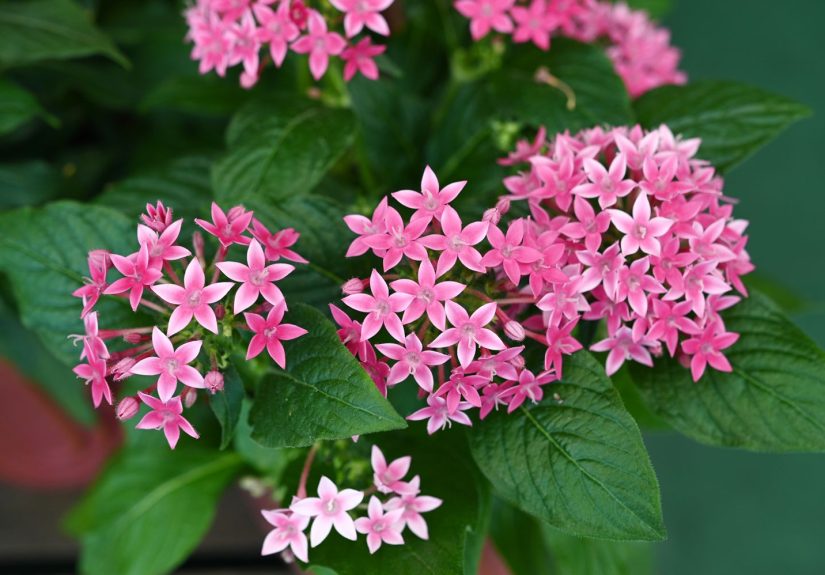
6) Pentas / Egyptian Star Flower (Pentas lanceolata)
Why it thrives: Pentas bloom in hot weather and are a magnet for butterflies. The starry flower clusters add color and structure in sunny containers.
- Sun: Full sun
- Water: Moderate; don’t let it sit waterlogged
- Container role: Filler (sometimes a small thriller in big pots)
7) Annual Salvia / Blue Salvia (several Salvia types)
Why it thrives: Salvias are summer MVPs: heat-tolerant, pollinator-friendly, and tall enough to add drama (the good kind). Many annual types keep blooming with occasional trimming.
- Sun: Full sun
- Water: Moderate; more drought-tolerant once established
- Container role: Thriller
8) Zonal Geranium (Pelargonium)
Why it thrives: Geraniums handle sun well and keep pumping out blooms with routine deadheading. They’re a classic for a reason: bright color, sturdy stems, and good container behavior.
- Sun: Full sun to part sun
- Water: Moderate; allow slight drying between waterings
- Container role: Filler
9) Zinnia (Zinnia elegans)
Why it thrives: Zinnias love heat and sun and reward you with bold flowers that look freshly painted. Compact varieties can be especially good in containers.
- Sun: Full sun
- Water: Water at the base; good airflow helps keep foliage happier
- Container role: Filler or thriller (depending on variety)
10) Verbena (Verbena hybrids)
Why it thrives: Verbena brings clusters of color and a long bloom season. Many modern varieties are more heat-tolerant than older types and work especially well as spillers in mixed pots.
- Sun: Full sun
- Water: Moderate; don’t let it stay soggy
- Container role: Spiller or filler
11) Rosemary (Salvia rosmarinus, formerly Rosmarinus officinalis)
Why it thrives: A woody herb that likes sun, airflow, and soil that dries between waterings. In a big pot, rosemary becomes a fragrant, edible “mini shrub” that handles heat like it grew up on a Mediterranean cliff (because… it did).
- Sun: Full sun
- Water: Low to moderate; let soil dry between waterings
- Container role: Thriller (upright forms) or spiller (trailing forms)
12) Lavender (Lavandula)
Why it thrives: Lavender is happiest in bright sun and well-drained soil. It brings fragrance, silvery foliage, and blooms that feel like instant “patio spa.”
- Sun: Full sun
- Water: Low once established; avoid wet soil
- Container role: Thriller or filler
13) Sedum / Stonecrop (Sedum spp.)
Why it thrives: Succulents like sedum are made for hot, dry conditions. They add texture, interesting color, and spill nicely over pot edges in many varieties.
- Sun: Full sun to part sun
- Water: Low
- Container role: Spiller or filler
14) Agave (Agave spp.)
Why it thrives: If your patio is “sun, heat, reflect, repeat,” agave is a strong candidate. Architectural, drought-tough, and slow-growing, it’s a living sculpture for containers.
- Sun: Full sun (most types)
- Water: Low
- Container role: Thriller (dramatic focal point)
15) Ornamental Peppers (Capsicum annuum ornamentals)
Why they thrive: Heat-loving, colorful, and surprisingly versatileornamental peppers bring bright fruit in shades like red, orange, purple, and even near-black. They’re fantastic in mixed containers and look “fancy” without being high-maintenance.
- Sun: Full sun
- Water: Moderate; consistent moisture helps fruiting
- Container role: Filler or small thriller
Three “Hot-Patio” Container Combos (Thriller, Filler, Spiller)
If picking individual plants feels like building a sandwich while hungry (dangerous), use these combos as plug-and-play inspiration.
Combo 1: The Pollinator Patio Party
- Thriller: Salvia
- Filler: Pentas
- Spiller: Calibrachoa
This one blooms for months and practically hosts its own butterfly convention.
Combo 2: The “I Forgot to Water Yesterday” Mix
- Thriller: Agave (centerpiece)
- Filler: Lantana (mounding type)
- Spiller: Portulaca
Translation: tough plants that don’t punish you for being human.
Combo 3: The Edible & Pretty Planter
- Thriller: Upright rosemary
- Filler: Lavender (or a compact geranium for more color)
- Spiller: Sedum
Smells amazing, looks polished, and gives you something to snip for dinner (plus bragging rights).
Common Summer Problems (and What to Do About Them)
“My plant wilts every afternoon… then looks fine later.”
That can be normal heat response. Check soil moisture before you panic-water. If soil is still moist a couple inches down, wait. If it’s dry, water deeply in the morning so roots can recharge before peak heat.
“Leaves look crispy on the edges.”
Usually heat + inconsistent watering + wind. Move the pot a foot or two so it gets a little afternoon protection, add a thin mulch layer, and make sure water reaches the entire root ball (not just the top inch).
“Flowers slowed down in late summer.”
Many bloomers benefit from a midsummer haircut. Trim back leggy stems by about a third, remove spent blooms, then water and feed lightly. You’ll often get a fresh flush of growth.
Conclusion: Summer Heat Doesn’t Have to Win
The secret to gorgeous summer containers isn’t constant fussingit’s smart plant choice, smarter pot choice, and a watering routine that matches reality. Start with heat-tolerant container plants like lantana, angelonia, vinca, portulaca, salvias, and tough herbs. Give them enough soil volume, good drainage, and deep watering when they actually need it. Then step back and let them do what they do best: thrive while your patio sizzles.
Experience-Based Lessons: What Seasoned Container Gardeners Learn the Hard Way (So You Don’t Have To)
Heat-tough plants are a great start, but containers teach a few “summer truths” that don’t show up on plant tags. Here are experience-based lessons many container gardeners share after a few real heat wavesand a few “why is this pot suddenly a dessert?” moments.
First: the pot is part of the climate. Put the same plant in a 10-inch black pot on a concrete slab, and it behaves like it’s living on Mercury. Put it in a 16–20 inch light-colored pot with more soil volume, and suddenly it’s calm, hydrated, and blooming like it’s getting paid. If your summers run hot, upgrading pot size often helps more than upgrading your watering schedulebecause bigger pots forgive you when life happens.
Second: watering “a little” is basically a tease. In extreme heat, shallow watering encourages shallow rootsand shallow roots are the first to roast. Deep watering until you see it drain from the bottom trains roots to explore the whole pot. A helpful trick is the “two-pass” water: water once, wait a minute for dry soil to rehydrate, then water again. That second pass often reaches areas that stayed stubbornly dry the first time.
Third: the hottest stress usually happens on the worst days to gardenwhen the sun is high and the air feels like soup. That’s why morning routines matter. Many gardeners swear by checking pots early, watering before the heat peaks, and doing quick maintenance (deadheading, pinching, a light trim) while temperatures are still reasonable. Afternoon watering can help in emergencies, but if you can make mornings your default, plants tend to stay steadier.
Fourth: don’t underestimate wind. A breezy balcony can dry containers faster than the temperature alone. If your pots seem to dry out impossibly fast, wind is often the hidden culprit. Grouping containers together, placing them near a railing screen, or adding a taller “thriller” plant can create a mini windbreak that reduces moisture loss.
Fifth: mid-summer haircuts feel scaryand then feel brilliant. Many flowering plants (think calibrachoa, verbena, even some salvias) can get leggy or tired in late summer. Cutting back by a third can look harsh for a week, but it often triggers fresh growth and a second bloom wave. Pair that trim with a deep watering and a light feed, and you’re basically giving the planter a reset button.
Finally: pick at least one “tough love” plant per pot. Even in a mixed container, having one truly drought-tolerant anchorlike portulaca, sedum, rosemary, or agavekeeps the pot looking decent when other plants have a wobbly week. Think of them as the reliable friend who shows up on time and doesn’t need a motivational speech to function.
Put all that together and your summer containers become less of a daily emergency and more of what they should be: easy, colorful, and a little bit smug about surviving the heat.