Table of Contents >> Show >> Hide
- Why White Porcelain + Glass Is Such a Good Combo
- Where a White Porcelain Ceiling Light Shines
- How to Choose the Right White Porcelain Ceiling Light
- Installation Tips (Without Playing Electrician Hero)
- Cleaning and Care: Keeping Porcelain and Glass Looking Fresh
- Design Ideas with White Porcelain Ceiling Lights
- Real-World Experiences with White Porcelain Ceiling Lights
- Conclusion: A Small Fixture With Big Impact
If your ceiling could talk, it would probably say something like,
“Please stop ignoring me and give me a proper light.” A
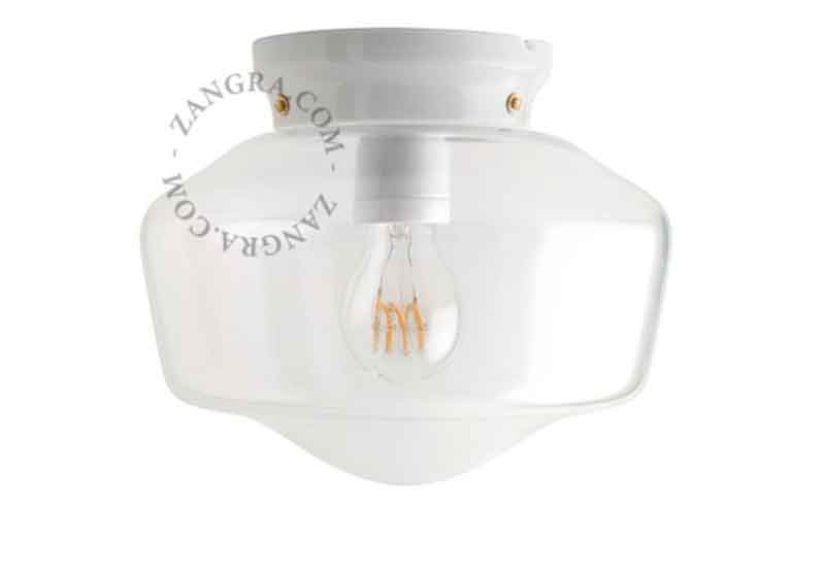
white porcelain ceiling light with a glass shade is one of those
quiet upgrades that completely changes how a room feelswithout demanding
a Beyoncé-level budget or a weekend-long renovation.
This humble comboporcelain base, white glass shade, and a simple flush or
semi-flush mounthas become a favorite in design-forward homes because it
checks all the boxes: durable, timeless, easy to clean, and surprisingly
stylish. Whether you’re refreshing a hallway, modernizing a vintage
kitchen, or trying to make your rental bathroom look less “mystery builder
special,” this type of ceiling light can do a lot of heavy lifting.
Let’s break down why white porcelain + glass works so well, where it
shines (literally), how to choose the right fixture, and what real-life
owners love (and sometimes don’t) about this classic ceiling light.
Why White Porcelain + Glass Is Such a Good Combo
1. Porcelain is tougher than it looks
Porcelain has a reputation for being delicate because we associate it with
dainty teacups and fancy china. In reality, high-quality lighting
porcelain is fired at very high temperatures, creating a dense,
vitrified, non-porous material that’s impressively strong and
long-lasting. Many manufacturers highlight that porcelain fixtures resist
chipping, cracking, and discoloration better than cheaper plastic or thin
metal housings.
In lighting, porcelain isn’t just about looks. It also works beautifully
as a lamp holder material because:
- It’s highly heat resistant, so it can handle bulbs that run warm.
- It’s an excellent electrical insulator, adding a layer of safety.
- It tends to outlast plastic sockets, which can degrade or discolor over time.
That’s why you’ll often see “porcelain socket” or “porcelain lampholder”
called out in product descriptions for higher-quality ceiling fixtures.
2. White porcelain looks clean, classic, and flexible
A white porcelain ceiling base has that “blank canvas” vibe designers
love. It works just as well with a minimal, all-white Scandinavian hallway
as it does in a 1920s bungalow kitchen with colorful cabinets and vintage
tile.
Because porcelain can be finished in a smooth, glossy or soft matte white,
it visually blends into the ceiling instead of shouting for attention.
That lets the glass shade and the quality of light take center stage.
It’s the difference between a big-box “builder basic” fixture and a light
that looks thoughtfully chosen, even if the silhouette is super simple.
3. Glass shades soften and spread the light
The glass shade is where the magic happens. A white glass shade diffuses
the light, softening direct glare from the bulb and creating a more even
glow across the room. Compared with bare bulbs or clear glass (which can
be beautiful but sometimes harsh), white or opal glass is more forgiving
on the eyesespecially in smaller rooms or lower ceilings.
If you’ve ever stood under a bare bulb and felt like you were being
interrogated by your own kitchen, a white glass shade is the antidote. It
creates that “soft cloud of light” effect instead of a sharp spotlight.
Where a White Porcelain Ceiling Light Shines
One of the biggest perks of this style is its versatility. Because it’s
usually flush or semi-flush to the ceiling, it fits in spaces where
chandeliers or large pendants would be impracticalor a serious
head-bumping hazard.
1. Hallways and entryways
Hallways rarely get design love, but a row of white porcelain ceiling
lights with glass shades can instantly make them feel intentional. The
low profile works well in homes with standard 8-foot ceilings, and the
diffused light helps avoid that “tunnel” feeling.
In an entryway, a simple porcelain flush mount can be the perfect
understated choiceclean, bright, and not competing with art, mirrors, or
a statement rug.
2. Kitchens and pantries
Many older homes still have porcelain flush mounts in the kitchen for a
reason: they’re hard-wearing and practical. Updated versions with a
white glass shade give you that vintage charm with modern safety
standards and better LED compatibility.
Use one centered in a small kitchen, or pair a glass-shade porcelain
ceiling light with under-cabinet strips and maybe a small pendant over a
sink for fully layered lighting. In pantries, laundry rooms, and mudrooms,
this style is pretty much idealbright, clean, and easy to wipe down.
3. Bathrooms and powder rooms
Many porcelain fixtures are rated for damp locations and some even
have IP ratings for dust and moisture resistance. Paired with a closed
glass shade, they’re great for bathrooms where steam and splashes are
part of everyday life.
In a small powder room, one white porcelain ceiling light with an opal
glass shade can provide plenty of ambient light, especially when paired
with a mirror sconce or two for task lighting.
4. Porches and covered outdoor areas
If the fixture is rated for outdoor or damp locations, you can use a white
porcelain ceiling light on a covered porch or breezeway. The durable,
non-porous surface of porcelain handles humidity well, and the glass shade
helps protect the bulb from dust and curious insects.
5. Bedrooms, offices, and small living spaces
In small bedrooms or home offices, a low-profile porcelain flush mount is
a great alternative to recessed cans if you prefer a softer, more
decorative look. Choose a dimmable LED bulb with warm color temperature
and you get a cozy, calm glow rather than a harsh overhead blast.
How to Choose the Right White Porcelain Ceiling Light
1. Get the size right for your room
One of the most common lighting mistakes designers talk about is choosing
fixtures that are too small for the space. A tiny light in a decent-sized
room can make the whole space feel underwhelming, even if the fixture
itself is beautiful.
A popular rule of thumb for ceiling light diameter is:
- Add the room’s length and width in feet.
- Convert that total to inchesthat’s a good starting diameter.
So if your room is 10 feet by 12 feet:
10 + 12 = 22 → aim for a fixture around 22 inches wide.
For simple porcelain flush mounts with glass shades, that often means
choosing something in the 10–14 inch range for smaller rooms, and going
larger or using multiple fixtures for bigger spaces or long hallways.
You also want to keep enough clearance: most experts recommend at least
about 7 feet from the floor to the bottom of the fixture in general
circulation areas. If your ceilings are higher than 8 feet, you can get
away with fixtures that drop a little more.
2. Check safety ratings and materials
When you’re browsing, don’t just look at the pretty photoscheck the
specs:
- UL or ETL listing for the U.S. market (often noted on product pages).
- Location rating: dry, damp, or wet (for bathrooms or covered outdoor use).
- Compatible bulb base: most porcelain ceiling fixtures use E26 medium bases.
- Maximum wattage: important if you’re using non-LED bulbs.
Many higher-quality fixtures specifically mention a porcelain lampholder
or socket because it signals better heat resistance and durability than
cheaper plastic parts.
3. Pick the right bulb and color temperature
Even the best glass shade can’t fix a terrible bulb choice. For most
living spaces, you’ll want:
-
Warm white light (around 2700K–3000K) for a cozy,
inviting feel. -
Neutral white (around 3500K) if you like a brighter,
crisper look in kitchens or workspaces. -
Dimmable LEDs so you can dial the brightness up for chores
and down for relaxing.
Designers often warn against going too cool (like 4000K and up) in most
homes unless you’re aiming for a very modern, clinical vibe. In a white
porcelain fixture with a glass shade, warm or neutral bulbs generally look
best and feel more natural on the eyes.
4. Consider style details that fit your home
Even within the “white porcelain + glass shade” category, you’ll see plenty
of variation:
- Shade shape: schoolhouse, globe, drum, shallow dome, or cylindrical.
- Glass type: opal, satin, milk glass, prismatic glass, or ribbed glass.
- Metal accents: some fixtures add a brass, nickel, or black collar or canopy.
- Mounting style: true flush mount vs. semi-flush with a short stem.
For a vintage or farmhouse look, go for schoolhouse or bell-shaped opal
glass. For more modern interiors, a simple cylinder or shallow dome can
feel crisp and contemporary.
Installation Tips (Without Playing Electrician Hero)
Installing a ceiling light isn’t the most complicated home project, but
it does involve electrical wiringso safety comes first, ego second.
- Turn off power at the breaker, not just the wall switch.
- Use a voltage tester to confirm the power is off.
-
Make sure your electrical box is securely attached and rated to support
the fixture. -
Follow the manufacturer’s wiring diagram exactlyno “I’ll improvise”
moments. -
If anything feels confusing or sketchy, hire a licensed electrician and
call it a day.
Many porcelain flush mounts are designed to attach to standard 3-1/4″ or
4″ ceiling boxes, making them easy swaps for existing builder fixtures.
Cleaning and Care: Keeping Porcelain and Glass Looking Fresh
The good news: white porcelain and glass are both relatively low-maintenance.
The bad news: ceiling fixtures are dust magnets because nobody ever
remembers to clean themuntil they flip the switch one day and realize
the shade has turned into a fuzzy gray halo.
Simple cleaning routine
- Turn the light off and let the bulb cool completely.
-
Dust the fixture with a microfiber cloth or duster to remove loose
debris. -
Carefully remove the glass shade (usually by undoing a few screws or
twisting it off). -
Wash the glass by hand in warm water with a small amount of mild dish
soapno harsh cleaners, no dishwasher. -
Rinse and dry thoroughly with a lint-free cloth to avoid spots and
streaks. - Wipe the porcelain base with a slightly damp cloth, then dry completely.
- Reinstall the shade and bulb.
Avoid abrasive pads, ammonia-based cleaners, or scouring powdersthey can
dull finishes or scratch glass. Thankfully, porcelain’s hard, non-porous
surface makes it quite forgiving if you keep up with quick dusting and
occasional deeper cleans.
Design Ideas with White Porcelain Ceiling Lights
1. Vintage-modern kitchen
Picture white shaker cabinets, a butcher-block island, and a patterned
runner down the middle. Add a porcelain schoolhouse ceiling light with an
opal glass shade in the center of the room, and maybe a matching smaller
flush mount in the pantry. You get nostalgic charm without sacrificing
modern performance.
2. Clean, bright hallway
In a long hallway, space identical porcelain ceiling lights every
6–8 feet. The repetition creates a sense of rhythm, and the white glass
shades keep the light soft and continuous. Pair them with pale walls and
simple framed prints for a gallery feel.
3. Minimalist rental upgrade
Swapping out one or two dated “boob lights” for a simple white porcelain
flush mount with a glass shade can dramatically modernize a rental
apartmentwithout a full remodel. Just make sure you keep the original
fixtures if you need to reinstall them when you move out.
Real-World Experiences with White Porcelain Ceiling Lights
Beyond the specs and style boards, what is it actually like to live with a
white porcelain ceiling light with a glass shade? Here’s a deeper, more
“lived-in” look at the experience, based on how people actually use these
fixtures day to day.
1. The “why didn’t I do this sooner” moment
Many homeowners report that the biggest surprise is how much cleaner and
brighter their rooms feel after replacing a tired old fixture with a
simple porcelain and glass design. Because the glass shade spreads light
more evenly, corners that used to be dim suddenly become visiblesometimes
a little too visible, if you’ve been creatively ignoring clutter.
One common theme: people underestimate the impact. They think they’re just
swapping a basic ceiling light for another basic ceiling light, but the
combination of a better bulb, a diffusing glass shade, and a more solid
fixture makes the room feel more “finished.”
2. Living with the light every day
Day-to-day, porcelain and glass hold up extremely well. The porcelain base
doesn’t yellow the way cheaper plastic can, and glass shades stay clear or
softly diffused with minimal maintenance. Dust is inevitable, but because
the surfaces are smooth, it wipes right off.
The biggest lifestyle factor is often bulb choice. People who
choose very cool, bright bulbs sometimes describe the light as “too
intense” in smaller roomsespecially bathrooms and bedrooms. Switch to a
warm, dimmable LED, and suddenly the same fixture feels cozy instead of
harsh.
3. Cleaning: not as bad as you think
Is cleaning a ceiling light anyone’s favorite chore? Absolutely not. But
compared to intricate multi-arm fixtures or open cages that collect dust
on every bar, a porcelain ceiling light with a single glass shade is
relatively painless.
Most people settle into a rhythm of:
- Quick dusting every few weeks while they’re up on a chair for something else.
- A more thorough wash of the glass shade a few times a year.
The payoff is noticeable: a clean shade can make the room look brighter
without changing the bulb or fixture at all.
4. Things people wish they had known before buying
A few lessons that come up often:
-
Go a little bigger than you think. Many people wish they had sized
up their fixture by a few inches, especially in larger rooms. -
Pay attention to how the glass attaches. Shades that twist on and
off can be easier to manage than tiny screws, especially on tall
ceilings. -
Check bulb access. Some very compact designs make changing bulbs
more fiddly than necessary. -
Confirm the rating for your location. Don’t assume a fixture is
bathroom-friendly or porch-ready unless it’s clearly marked.
5. Why many people end up repeating the choice
Once someone finds a white porcelain ceiling light with a glass shade they
like, they often repeat it in several spaces: hallway and mudroom, kitchen
and pantry, or main bath and powder room. Using the same or coordinating
fixtures ties the home together visually, and reordering a familiar model
makes decision-making easier the second time around.
In other words, this isn’t just a one-off “cute light” purchaseit often
becomes part of a home’s signature look.
Conclusion: A Small Fixture With Big Impact
A white porcelain ceiling light with a glass shade is one of those rare
upgrades that scores high on both practicality and style. It’s durable,
easy to live with, and versatile enough to work in almost any room, from
the front hall to the back porch.
Choose the right size, confirm safety ratings, pair it with a warm,
dimmable LED bulb, and keep the porcelain and glass reasonably cleanand
you’ll have a ceiling light that quietly does its job for years while
making your space look brighter, calmer, and more pulled together.
SEO JSON