Table of Contents >> Show >> Hide
- Why timing and combinations matter
- Common supplement pairs you should not take at the same time
- 1. Iron and calcium: the classic “do not take together” duo
- 2. Iron vs. magnesium and zinc: too many metal roommates
- 3. Zinc and copper: balance is everything
- 4. Magnesium with other minerals and medications
- 5. Vitamin C with iron: helpful for some, risky for others
- 6. Vitamin C and vitamin B12: timing matters
- 7. Vitamin D, calcium, and vitamin A: careful with big doses together
- 8. Vitamin E, vitamin K, and blood-thinning medications
- 9. Herbal supplements that complicate everything
- Pairs that actually play well together
- How to build a safe supplement schedule
- When to call your doctor or pharmacist
- Real-world experiences with supplement timing
- Bottom line
Open your bathroom cabinet and you might find what looks like a mini health store:
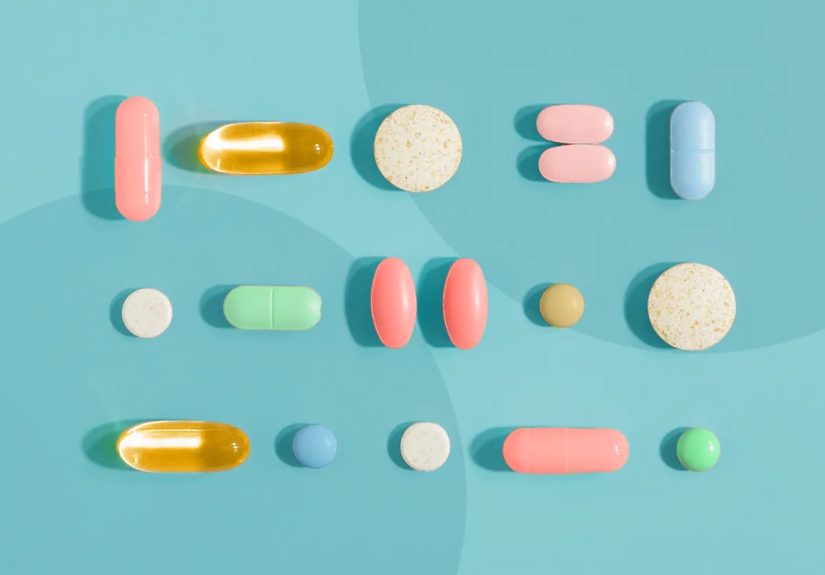
multivitamin, iron, magnesium, vitamin D, omega-3, maybe a “hair, skin & nails” gummy
for good measure. Swallow them all at once and you’re basically a maraca full of pills.
But here’s the catch: some vitamins and supplements really don’t like sharing the
spotlight at the same time.
Certain combinations can compete for absorption, cancel each other out, or in some cases
increase the risk of side effects. That doesn’t mean you have to break up with your
supplements, but you may need to send a few of them to different time slots in your day.
Quick disclaimer: This article is for general education only and is not personal medical advice. Always talk with your healthcare provider or pharmacist before changing how you take any supplement or medicationespecially if you’re pregnant, breastfeeding, have chronic health conditions, or take prescription drugs.
Why timing and combinations matter
Vitamins and minerals use specific transport “doors” in your gut to get absorbed into
the bloodstream. When two nutrients use the same door, they can compete. The stronger
or higher-dose nutrient wins, and the other one sulks in your intestines and leaves.
Other times, the issue isn’t absorption at all. Some supplements:
- Can change how your blood clots.
- Can put extra stress on your kidneys when piled together in big doses.
- Can interact with prescription medications and either weaken them or make them too strong.
The goal isn’t to scare you away from supplements. It’s to help you use them
strategically, so you actually get the benefits you’re paying for.
Common supplement pairs you should not take at the same time
1. Iron and calcium: the classic “do not take together” duo
Iron and calcium are like siblings fighting over the same seat in the car. Both use
overlapping pathways in the small intestine, and when taken togetherespecially in
supplement formcalcium can reduce how much non-heme iron (the kind in most pills and
plant foods) you absorb.
Research reviewed by the U.S. National Institutes of Health (NIH) shows that calcium
can inhibit iron absorption in the short term, whether it comes from dairy or calcium
tablets. Over the long term, some people may compensate, but if you’re already at risk
for iron deficiency, you don’t want to gamble on that.
Best practice:
- Take iron on an empty stomach or with a small snack, away from calcium supplements and big dairy-heavy meals.
- Take calcium with food at a different time of day (often lunchtime or evening).
- Aim for at least a 2-hour gap between iron and calcium supplements.
If your multivitamin already contains both, and you also take extra iron or calcium,
talk with your healthcare provider. You might be double-dosing without realizing it.
2. Iron vs. magnesium and zinc: too many metal roommates
Iron, magnesium, and zinc are all “divalent cations”fancy chemistry speak for minerals
with a +2 charge. They often share transporters in the gut, so big doses taken together
can compete and lower the absorption of one or more of them.
What this means in real life:
- If you take an iron supplement for anemia, don’t stack it in the same moment with magnesium and zinc.
- If you take a nighttime magnesium for sleep and muscle relaxation, keep iron in the morning instead.
- High-dose zinc (over typical daily needs) can also reduce iron and copper absorption over time.
A simple rule: whenever you’re taking therapeutic doses of iron, give it its own time slot and keep other mineral supplements at least 2 hours away.
3. Zinc and copper: balance is everything
Zinc is an immune-support favorite, but it has a jealous streak. In high doses for
long periods, zinc can interfere with copper absorption by hogging the shared transport
system in your gut. That can eventually lead to copper deficiency, which can affect
blood health and the nervous system.
Many “zinc plus copper” formulas exist to help maintain balance, but for most people,
copper is easy to get from food. The bigger danger is too much zinc for too long,
not copper sneaking in.
Best practice with zinc and copper:
- If you’re taking high-dose zinc (for example, for extended cold prevention), ask your provider whether you also need copper and at what dose.
- Don’t add an extra copper supplement just because it “seems healthy.” Copper overdose is also a problem.
- If you do take both, follow your provider’s advice on dose and timing, and avoid stacking them with iron at the same time.
4. Magnesium with other minerals and medications
Magnesium is a star player for muscle, nerve, and heart function. But it’s also a
classic “space it out” supplement.
Why?
- High doses of magnesium can compete with zinc and calcium for absorption.
- Magnesium can interfere with the absorption of several medications, including some antibiotics, thyroid medications, and drugs for osteoporosis.
Best practice with magnesium:
- Take magnesium at a different time from iron, zinc, and high-dose calcium when possible.
- If you’re on thyroid medication or certain antibiotics, your pharmacist will usually recommend a 2–4 hour gap between those meds and magnesium. Follow that carefully.
- If magnesium upsets your stomach, take it with a small snack instead of on an empty stomach.
5. Vitamin C with iron: helpful for some, risky for others
Vitamin C and iron are like best friends… most of the time. Vitamin C can significantly
boost the absorption of non-heme iron from plant foods and iron tablets. That’s why many iron pills are sold with vitamin C built in.
If you have iron deficiency or are on a doctor-prescribed iron supplement, taking it
with vitamin C (like a small glass of orange juice) is usually an advantage.
But there are exceptions:
- If you have a condition that causes iron overload (like hemochromatosis) or high ferritin levels, pairing vitamin C and iron can increase the risk of excess iron buildup.
- In very high doses, vitamin C has been reported to affect lab tests and may cause digestive side effects like diarrhea or cramps.
So the “don’t take together” advice here is not universal. For most people with low iron, vitamin C plus iron is a smart combo. But if your iron stores are already highor you’re not sureask your healthcare provider first.
6. Vitamin C and vitamin B12: timing matters
Some clinical guidance suggests that high-dose vitamin C taken at the same time as
vitamin B12 may reduce the amount of B12 available in the body. The mechanism isn’t
perfectly clear, but out of caution, major medical centers often recommend separating
the two.
Practical approach:
- Take your B12 supplement first (often in the morning).
- Wait a couple of hours before you take a large vitamin C dose (like 500–1000 mg).
- If your C is just coming from food or a low-dose multivitamin, this is less of a concern.
7. Vitamin D, calcium, and vitamin A: careful with big doses together
Vitamin D helps your body absorb calcium, which is generally a good thing for bones.
But when you combine high-dose vitamin D with high-dose calcium supplements, especially if you’re prone to kidney stones, you may increase stone risk or end up with too much calcium floating around where it doesn’t belong.
There’s also some concern that very high-dose vitamin A might blunt some of vitamin D’s benefits or increase toxicity risk when both are taken aggressively. This is mainly an issue with megadosesnot normal dietary amounts or standard multivitamin doses.
Best practice:
- Don’t self-prescribe mega-doses of fat-soluble vitamins (A, D, E, K).
- If your provider has you on high-dose vitamin D, ask whether you should adjust your calcium and vitamin A intake and how to time them.
- For most people, moderate vitamin D plus a normal daily calcium intake from food is fine.
8. Vitamin E, vitamin K, and blood-thinning medications
Vitamin K is essential for normal blood clotting. That’s exactly why people taking
warfarin (a common blood thinner) are told to keep their vitamin K intake consistent.
Sudden changeseither too little or too muchcan make the medication less predictable.
Vitamin E, on the other hand, can affect platelet function and, in high supplement
doses, may increase the risk of bleeding, especially when combined with blood thinners or other supplements that affect clotting (like fish oil, garlic, or ginkgo).
If you’re on blood thinners such as warfarin, apixaban, rivaroxaban, or others:
- Do not start or stop vitamin K, vitamin E, fish oil, or “circulation” herbal blends without talking to your prescriber.
- More is not better herestacking multiple “heart healthy” supplements can raise bleeding risk.
9. Herbal supplements that complicate everything
Some herbal supplements don’t necessarily clash with vitamins, but they strongly
interact with medications and can indirectly affect how your supplement routine works.
- St. John’s wort can speed up the breakdown of many medications and may lower vitamin D levels by changing liver enzyme activity.
- Ginkgo, garlic, ginger, ginseng, dong quai, and some others can all influence blood clotting, especially when combined with blood thinners or high-dose vitamin E or fish oil.
If your supplement drawer looks like an apothecary shop, your doctor and pharmacist
absolutely need to know everything you’re taking, not just your prescriptions.
Pairs that actually play well together
It’s not all bad newssome combos are genuinely helpful when used appropriately:
- Vitamin D + vitamin K2: Vitamin D helps you absorb calcium, and vitamin K2 helps direct that calcium into bones rather than soft tissues. Many bone-health formulas use this pairing.
- Vitamin D + magnesium: Magnesium is needed for vitamin D metabolism. People low in magnesium may respond less well to vitamin D supplements.
- Vitamin C + plant-based iron: As mentioned, this combo boosts iron absorption for those who need more iron.
- B vitamins together: They often work in overlapping pathways, which is why they’re commonly bundled in B-complex supplements.
The key is understanding the difference between synergy (good teamwork) and
competition (fighting over resources)and dosing appropriately.
How to build a safe supplement schedule
If you want to keep your supplement routine efficient without needing a color-coded
project management board, try this simple process.
Step 1: Make a complete list
Include everything: multivitamins, single-nutrient pills, herbal blends, powders in
your smoothie, and “gummies that are basically candy but with vitamins.”
Step 2: Identify the “special handling” nutrients
Flag these as likely needing their own time slot:
- Iron
- High-dose calcium
- High-dose zinc
- Magnesium (especially if you take multiple medications)
- High-dose vitamin D, vitamin A, vitamin E
- Any supplement your doctor prescribed very specifically (e.g., “take this one on an empty stomach in the morning”)
Step 3: Divide into morning, midday, and evening
As a simple example (not medical advice, just a template):
- Morning: Multivitamin with breakfast; B12 if needed; iron (if your doctor advises) taken away from coffee, tea, calcium, and high-fiber cereal.
- Midday: Vitamin D with lunch; omega-3 with food; any supplements that upset your stomach if taken empty.
- Evening: Magnesium (if appropriate) with a light snack; sleep-support blends that do not clash with medications.
Adjust the schedule based on your doctor’s directions and your own tolerance. The
important part is spacing out minerals that compete and avoiding risky stacks with
prescription meds.
When to call your doctor or pharmacist
Definitely get professional guidance if any of the following apply:
- You’re on blood thinners, heart medications, seizure medications, thyroid meds, diabetes meds, or HIV treatments.
- You have a history of kidney disease, liver disease, kidney stones, or malabsorption syndromes.
- You’re planning to take mega-doses of any vitamin or mineral (far above the usual recommended intake).
- You take five or more supplements daily and aren’t totally sure why each one is there.
A 10–15 minute conversation with your pharmacist can save you a lot of wasted money,
ineffective dosing, and potential side effects.
Real-world experiences with supplement timing
Sometimes the best way to understand these interactions is to look at what happens in
everyday life when the timing goes wrongor right. The stories below are composites
based on common scenarios clinicians and pharmacists describe, not any one real person.
When iron and calcium quietly sabotage each other
Imagine Alex, who has been feeling exhausted for months. Their doctor finds low iron
levels and recommends an iron supplement. Alex dutifully takes it every morningright
along with a large calcium pill “for bone health” and a big latte.
Three months later, Alex’s iron levels have barely budged. They assume the supplement
“doesn’t work for them.” In reality, the iron never had a fair shot. The calcium tablet
and dairy in the latte both competed with iron for absorption, and the caffeine in the
coffee didn’t help either. Once Alex spaces iron at least two hours away from calcium
and swaps the latte for water at that time, their follow-up labs start to look much
betterand their energy improves.
The person who took “all the heart-healthy things” at once
Now picture Maria, who takes a prescription blood thinner after a clot. She’s very
committed to staying healthy and starts adding vitamin E, a high-dose fish oil, a
turmeric capsule, and a garlic supplement because she’s heard they’re good for the
heart and inflammation.
Over time, she notices she bruises more easily and gets nosebleeds that are harder to
stop. When she finally mentions all of her supplements at a checkup, her doctor
explains that several of them can affect clotting and may be stacking on top of her
blood thinner. Maria isn’t told to quit everything foreverbut together, they choose a
much simpler, safer plan, and her bleeding issues ease up.
The “sleep supplement” that worked better after a timing tweak
Then there’s Jordan, who takes magnesium at night to relax and support sleep. At first,
they take it right alongside their evening iron pill for restless legs and a high-fiber
bedtime snack. Not only does their stomach feel off, but their iron levels barely rise,
and the magnesium doesn’t seem to help much either.
After talking to a pharmacist, Jordan moves their iron dose to early morning on an
emptier stomach, away from fiber and other minerals. Magnesium gets moved to a small
evening snack with fewer competing nutrients. A few weeks later, Jordan notices they
fall asleep faster and their lab work shows better iron levels. Same supplements, same
dosesjust better timing.
The “mystery fatigue” that was really a zinc overload problem
Finally, meet Taylor, who starts taking a high-dose zinc supplement every day after
reading that it supports immunity. Months later, they feel more tired, a little weak,
and not quite right. Blood tests eventually show low copper levels and anemia.
The likely culprit? Too much zinc crowding out copper absorption over time. After
stopping the extra zinc and following a plan supervised by their clinician, Taylor’s
copper levels recover and the fatigue improves. The lesson: even “simple” minerals can
cause trouble when taken in large amounts without a plan.
These scenarios all share the same theme: it’s not just what you take, it’s how and
when you take it. A short conversation with a healthcare professional, plus a few small
schedule tweaks, can turn a chaotic supplement pile into a safe, efficient routine.
Bottom line
You don’t need a degree in biochemistry to use vitamins and supplements safely, but you
do need a little strategy. Iron and calcium don’t belong in the same swallow, metals
like zinc, iron, magnesium, and copper should be spaced out, and high-dose fat-soluble
vitamins and blood-clotting–related supplements absolutely need professional
supervisionespecially if you take prescription medications.
Think of your supplements as a team: some players make each other stronger, others need
to be kept in different lanes. Create a simple schedule, ask questions when you’re not
sure, and remember that more pills at the same time doesn’t mean more benefit. Smart
timing and the right combinations are what really move the needle for your health.