Table of Contents >> Show >> Hide
- What Is Epsom Salt, Exactly?
- Common Uses of an Epsom Salt Bath
- Benefits: What’s Realistic vs. What’s Overhyped
- How to Take an Epsom Salt Bath Safely
- Risks and Side Effects You Should Know
- Special Situations: Who Should Ask a Clinician First?
- Smart Add-Ons (and What to Avoid)
- Frequently Asked Questions
- Bottom Line
- Experiences: What People Commonly Notice (The Good, The “Meh,” and The Oops)
An Epsom salt bath is basically the “I’ve had a day” of self-care rituals. You pour a couple cups of crystals into warm water, climb in, and suddenly you’re a
Victorian aristocrat recovering from the stress of… answering emails. But does it actually do anything beyond making your bathroom smell like “Fresh
Mountain Whatever” and giving your skin a slightly softer vibe?
Let’s break down what an Epsom salt bath really is, what it’s commonly used for, which benefits are plausible (and which are more “TikTok confident” than
scientifically solid), and how to soak safely without turning your relaxation session into a slip-and-slide audition.
What Is Epsom Salt, Exactly?
It’s not table salt (and no, it’s not from your kitchen’s “salt” shelf)
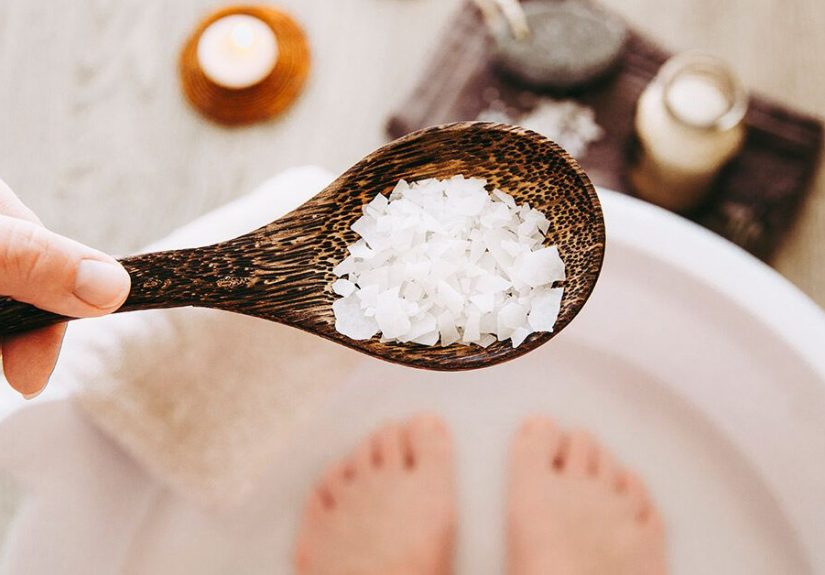
Epsom salt is magnesium sulfatea mineral compound that looks like chunky salt but is chemically different from sodium chloride (aka table
salt). It got its name from Epsom, England, where mineral-rich waters made soaking fashionable long before “wellness” became a personality type.
What happens when it dissolves in water?
In warm water, Epsom salt dissolves into magnesium and sulfate ions. That’s part of why people believe it “delivers magnesium” to the body. The catch:
how much magnesium actually absorbs through skin is still debated, and strong evidence for meaningful absorption from a standard bath is limited.
So while your bath may be relaxing, your bloodstream probably isn’t throwing a magnesium party.
Common Uses of an Epsom Salt Bath
1) Muscle soreness after workouts (or after existing)
The most popular use is a soak for sore musclesafter a long run, a tough gym session, or the kind of day where you sat “weird” and now your back is offended.
Warm baths can promote relaxation, ease perceived tension, and help you unwind. Epsom salt is often included as part of that ritual.
2) Tired feet and foot soaks
A foot soak is the budget-friendly spa move: warm water, Epsom salt, feet in, stress out. People use foot soaks for general soreness, softening rough skin, and
post-work shifts that feel like you walked across a LEGO field. The warm water does most of the heavy lifting, but salt can add a gentle exfoliating effect.
3) Minor aches, stiffness, and “I slept wrong” discomfort
Some product labels and medical references describe magnesium sulfate as a soaking solution for minor muscle aches, joint stiffness, and tired feet. Think of it
as a comfort measurenot a cure for serious injury.
4) Skin support for psoriasis or eczema (with smart precautions)
Some people with psoriasis or eczema use salt baths to help soften scales, reduce itch, or support the skin barrier. Dermatology guidance often emphasizes:
keep the soak short, avoid very hot water, and moisturize immediately after. If your skin is sensitive, salt can also sting or dry you outso your mileage may vary.
5) Relaxation and sleep routines
If your brain has 37 tabs open at bedtime, a warm bath can function like a “restart.” Even if Epsom salt doesn’t magically infuse your cells with magnesium,
the ritualwarmth, quiet, reduced stimulationcan help cue your body to wind down.
Benefits: What’s Realistic vs. What’s Overhyped
Benefit #1: Relaxation and stress relief (very plausible)
Warm water immersion is relaxing for many people. It can loosen up the “fight-or-flight shoulders” you’ve been wearing like earrings. Add dim lights, calm music,
and you’ve got a strong, evidence-friendly mechanism: comfort and nervous system downshift.
Benefit #2: Perceived muscle relief (plausible, but not magical)
After exercise, soreness comes from micro-tears and inflammation. A bath won’t erase physiology, but heat can improve comfort and reduce the “everything hurts”
sensation. Epsom salt is often credited, though it’s hard to separate what’s salt-specific from what’s simply warm-water therapy.
Benefit #3: Softer skin and easier exfoliation (often true)
Salt can help soften rough patches and make gentle exfoliation easierespecially on feet, elbows, and knees. But “gentle” matters. Scrubbing like you’re sanding
a deck can irritate skin and backfire.
Benefit #4: “Detox” claims (mostly marketing)
Your liver and kidneys are the real detox MVPs. The idea that Epsom salt “pulls toxins out” through your skin is popular, but it’s not well-supported by
rigorous evidence. You may feel refreshed after a soaktotally validbut that’s not the same as measurable detoxification.
Benefit #5: Absorbing magnesium through skin (uncertain)
This is the big one. Some articles and influencers treat transdermal magnesium like it’s settled fact. In reality, the science is mixed and often limited.
Reviews have noted that strong, controlled evidence for meaningful magnesium absorption through intact skin from typical baths is lacking.
How to Take an Epsom Salt Bath Safely
Step-by-step: the “do it right” version
- Start with warm water (not scalding). If your skin turns into a tomato in 30 seconds, dial it back.
- Add Epsom salt while the water runs so it dissolves better. A common range is about 1–2 cups for a standard tub.
- Soak 10–20 minutes. More time is not always more benefitsometimes it’s just more dryness.
- Hydrate. A warm bath can make you sweat; drink water afterward.
- Rinse if your skin is sensitive, then pat dry.
- Moisturize immediately if you’re prone to dry skin, eczema, or winter-as-a-lifestyle.
- Be careful exiting. Salt + smooth tub = surprise skating rink.
How often should you do it?
For general relaxation or soreness, many people do an Epsom salt bath a couple times per week. If you’re using it for skin symptoms, follow dermatologist guidance
and listen to your skin. If it gets more irritated, scale back.
Risks and Side Effects You Should Know
1) Skin irritation, dryness, or stinging
Salt can dry skin out, especially with hot water or long soaks. If you have eczema, psoriasis, or naturally sensitive skin, you may feel stingingparticularly if
there are micro-cuts from scratching or shaving. Keep baths short, use warm (not hot) water, and moisturize afterward.
2) Open wounds, infections, or severe skin flares
Skip Epsom salt baths if you have open wounds, active infections, or severe, broken skinunless your clinician specifically says it’s okay. “It’ll be fine” is not
a medical plan.
3) Overheating, dizziness, and blood pressure drops
Hot baths can lower blood pressure and make you lightheadedespecially if you stand up fast like a dramatic movie character. If you’re prone to fainting, have
cardiovascular issues, or take blood pressure meds, keep the water comfortably warm and get out slowly.
4) Slipping and falling
This is the underrated risk. Epsom salt residue can make the tub slick. Use a bath mat, hold onto something stable, and consider rinsing the tub when you’re done.
A relaxing bath is not worth an ER visit.
5) Diabetes and foot soaks: extra caution
If you have diabetesespecially with neuropathy or poor circulationbe careful with foot soaks and hot water. Reduced sensation can make burns or skin damage more
likely. Also avoid soaking feet with open sores unless you’ve gotten medical guidance.
6) The big “please don’t”: drinking Epsom salt as a detox
Epsom salt is sometimes used orally as a laxative, but it can cause diarrhea, dehydration, and electrolyte problems if misused. People with kidney disease are at
higher risk for dangerous magnesium levels. If you’re considering oral use, treat it like a medicationread labels, follow dosing, and talk with a clinician.
Special Situations: Who Should Ask a Clinician First?
- Pregnant people who want frequent soaks or have high-risk pregnancies (warm baths are usually fine, but individualized advice matters).
- Kidney disease (especially relevant if anyone is considering oral magnesium sulfate, but caution is still wise with any supplement-like use).
- Heart conditions or unstable blood pressure (hot baths can trigger dizziness or hypotension).
- People with severe eczema/psoriasis flares or cracked skin (salt can sting and worsen irritation).
- Children (avoid concentrated products and essential oils; keep baths supervised and mild).
Smart Add-Ons (and What to Avoid)
If you add essential oils, do it safely
Essential oils don’t mix with water on their own; they can float on the surface and hit skin at full strength. If you’re going to use them, dilute properly
(for example, in a carrier oil and/or with an appropriate emulsifier) and use tiny amountsespecially if you have sensitive skin.
Choose simple products
If you’re sensitive, pick fragrance-free Epsom salt. “Unicorn Sunset Bliss” might smell amazing, but added fragrance can be irritating for some skin types.
Frequently Asked Questions
Does an Epsom salt bath reduce inflammation?
A warm bath can improve comfort and help muscles feel less tight, but it’s not a targeted anti-inflammatory treatment like medication or physical therapy.
If inflammation is severe or persistent, talk with a healthcare professional.
Can it help with arthritis pain?
Some people report temporary relief from warmth and relaxation. It’s reasonable as a comfort measure, but it won’t replace a broader arthritis management plan
(movement, meds as prescribed, sleep, and clinician guidance).
Will it “flush toxins” or “reset hormones”?
Those claims are usually more hype than science. If a bath truly reset hormones, your bathtub would need its own FDA approval and probably a warning label.
Bottom Line
An Epsom salt bath is best viewed as a low-cost comfort ritual: it may help you relax, feel less sore, and soften skinespecially when paired
with warm water, downtime, and a post-bath moisturizer. The biggest benefits are often practical (heat + rest) rather than mystical (instant magnesium
absorption + detox superpowers).
Use it smartly: keep the water warm, soak 10–20 minutes, moisturize afterward, and skip it if you have open wounds or if your clinician has told you to avoid
soaking. Done right, it’s a safe way to feel a little more humanwithout needing a spa membership or a dramatic life overhaul.
Experiences: What People Commonly Notice (The Good, The “Meh,” and The Oops)
If you ask ten people about Epsom salt baths, you’ll get about twelve opinionsbecause someone will interrupt to tell you they add lavender, baking soda, and
“moon-charged crystals” (no judgment; we all cope differently). Still, certain experiences come up again and again, and they’re useful because they reflect what
an Epsom salt bath is most likely to deliver in real life: comfort, routine, and a noticeable shift in how your body feels, even if the science isn’t
calling it a miracle.
The most common report is simple: “I slept better.” Not because magnesium teleported into their bloodstream, but because the bath became a nighttime signal.
Warm water, fewer screens, slower breathing, and 15 quiet minutes where nobody can ask you to “quickly hop on a call” tends to help. People who treat the bath
like a mini wind-down ceremonydim lights, calm music, a glass of water nearbyoften say they fall asleep faster and wake up less tense. It’s less “biohack”
and more “basic human needs,” which is honestly refreshing.
Athletes and weekend warriors often describe a subtle difference the next day: muscles still feel worked, but less cranky. Many say the bath helps them feel
“looser” in the momentespecially in the neck, shoulders, and lower back. It’s also common to hear that an Epsom salt soak feels best after workouts that create
that heavy, dull soreness (like leg day). The warmth relaxes muscles, and the water supports your body weight, so stiff joints get a break from gravity’s
relentless performance review.
For feet, people love the “instant spa” vibe. After a long day of standing, a foot soak can feel like hitting the reset button. Folks often mention softer heels,
easier exfoliation, and less of that end-of-day throbbing. The most successful foot-soak fans tend to keep it short and follow up with lotion or a thick foot
creambecause the salt and water can also dry skin out if you overdo it. Think of it like washing dishes: helpful, but your hands will complain if you never
moisturize.
People with psoriasis sometimes say salt baths help with scale removal and itchingmainly when they use warm water (not hot), limit time, and moisturize quickly.
But there’s also a common “oops” story: soaking too long, using water that’s too hot, or scrubbing aggressively afterward can make skin angrier. The lesson that
shows up repeatedly is that Epsom salt baths are a “gentle support” tool, not a “power wash your skin” situation.
The funniest (and most relatable) experience is the one nobody advertises: getting out of the tub and realizing your legs are now made of spaghetti. Warm water
can be deeply relaxingsometimes too relaxing. People who stand up quickly may feel dizzy. The seasoned soakers take their time, sip water afterward, and
keep a towel within reach. In other words: the real wellness hack is not falling.
Overall, most experiences cluster around a practical truth: Epsom salt baths can be a pleasant, low-risk way to feel betterespecially when paired with
reasonable expectations. If you want relaxation, comfort, and softer skin, it often delivers. If you want it to “detox your organs” or replace medical care,
it’s going to disappoint you… and possibly your doctor.