Table of Contents >> Show >> Hide
- What Counts as a “Break” (and What Doesn’t)
- When to Take a Break: The Signs Your Brain Is Tapping Out
- Why It’s So Hard to Stop (Even When You Want To)
- Why Taking a Break Helps (What You Gain Back)
- How to Take a Break From Social Media (Without Making It Miserable)
- What to Do During Your Break (So It Actually Feels Good)
- How to Come Back (If You Want) Without Slipping Into Old Habits
- When a Break Isn’t Enough
- Conclusion: A Healthier Relationship With Your Feed
- Experiences: What Social Media Breaks Actually Feel Like ()
Social media is a lot like a 24-hour buffet: technically, you can stop any time… but the dessert table keeps moving closer to you.
One minute you’re checking a message, the next you’re deep in a comment thread about whether pineapple belongs on pizza
(it does not, and I will not be taking questions).
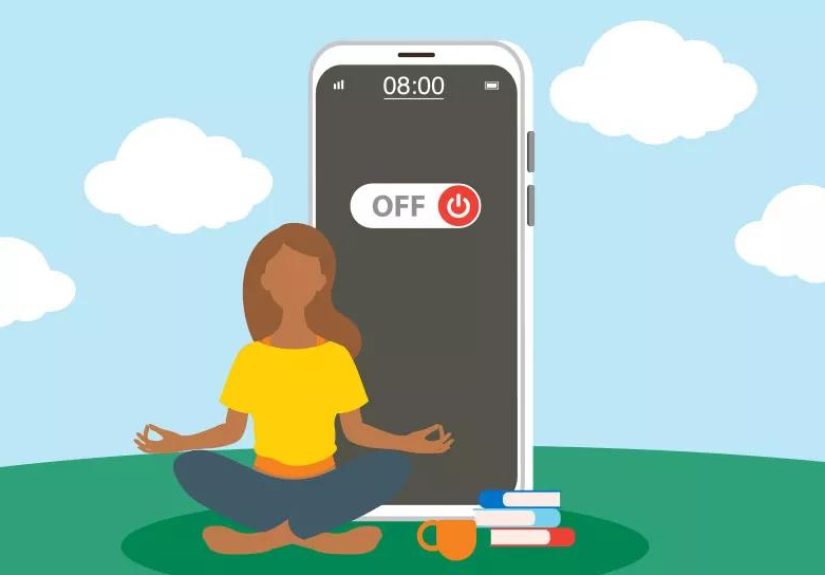
Taking a break from social media isn’t about being “anti-tech” or moving to a cabin and befriending squirrels.
It’s about noticing when your feed stops being fun and starts feeling like a second job you never applied for.
A pause can help you reset your attention, your mood, your sleep, and your sense of “Wait… what did I open my phone for again?”
Below is a practical, realistic guide to when to take a break from social media, why it helps,
and how to do it without accidentally becoming the person who dramatically announces “I’m deleting everything!”
and then comes back 11 minutes later “just to check one thing.”
What Counts as a “Break” (and What Doesn’t)
A break from social media can be small or big. The point is to reduce the parts that drain you and keep the parts that truly help you.
Think of it like decluttering your digital closet: you’re not throwing out clothes forever, you’re just admitting you don’t need 47 identical hoodies.
Different types of social media breaks
- The “Notification Diet”: Turn off non-essential notifications for a week. (Your brain deserves fewer doorbells.)
- The “App Off, Browser On”: Delete apps but allow limited desktop use for work or necessary messages.
- The “Weekend Reset”: Two days off (or one day) to see what changes.
- The “One Platform Pause”: Keep messaging, pause the one app that makes you feel worst.
- The “Full Detox”: A set period (7–30 days) off all social platforms, with a plan for communication.
A break doesn’t “count” only if it’s dramatic. If turning off autoplay stops you from doomscrolling until your phone hits 2%,
that’s a win. If muting certain accounts makes your feed feel less like a comparison carnival, that’s also a win.
When to Take a Break: The Signs Your Brain Is Tapping Out
People often wait for a total meltdown before stepping back. But your body and brain usually send early warning signslike a check-engine light,
except it’s your attention span sputtering and your mood doing weird little backflips.
1) You feel worse after scrolling (not better)
Social media is supposed to entertain, connect, or inform you. If you log off feeling anxious, irritable, jealous, or oddly “behind” in life,
it may be time for a pause. This is especially common when your feed turns into a highlight reel of other people’s best days.
2) You’re stuck in comparison mode
Comparison is a human featurenot a bug. But social platforms can crank it up to full volume:
bodies, money, relationships, productivity, parenting, travel… suddenly everything feels like a scoreboard.
If your self-esteem takes a hit every time you open an app, a break can help you rebuild perspective.
3) Your sleep is getting wrecked
If you regularly say “one more video” and then wake up shocked it’s tomorrow, that’s a sign.
Late-night scrolling can cut into sleep time, keep your brain alert, and turn bedtime into “just one more refresh.”
A break (or at least a bedtime boundary) can improve sleep quality faster than you’d think.
4) You can’t focus the way you used to
If homework, work, reading, or even watching a movie feels impossible without checking your phone,
social media may be training your attention to crave constant novelty.
A short break can feel like physical therapy for your focus: slightly annoying at first, then surprisingly freeing.
5) You’re “doomscrolling” more than you realize
Doomscrolling often starts as “staying informed” and ends as “absorbing distress in bulk.”
If your feed is heavy, angry, or stressfulespecially during intense news cyclesa pause can protect your mental energy.
6) You’re using it to avoid real life
Social media is an excellent escape hatch. Bored? Scroll. Stressed? Scroll. Awkward feelings? Scroll harder.
If you notice you’re using it to avoid tasks, emotions, or conversations, a break helps you face what’s underneath
(with less background noise).
7) It’s messing with relationships
If people around you complain that you’re “always on your phone,” or you feel disconnected in real-life moments,
it’s a sign your attention is being borrowed.
A break can help you show up more fullywithout feeling like your pocket is buzzing every six seconds.
Why It’s So Hard to Stop (Even When You Want To)
If you’ve ever tried to take a break and felt weirdly restless, you’re not broken.
Social platforms are designed to keep you engaged. They combine endless content, social validation, and quick novelty
three ingredients your brain finds very persuasive.
The “slot machine” effect
Refreshing feeds, checking likes, and waiting for messages can mimic variable rewards:
sometimes you get something exciting, sometimes you don’t, which makes you check again.
It’s not “lack of willpower”it’s a system built to be sticky.
FOMO and social pressure
Fear of missing out is real. Group plans, jokes, trends, news, and even school/work updates can be social-media-adjacent.
That’s why a good break plan includes alternative ways to communicate so you don’t feel cut off.
Identity and routine
For many people, social media isn’t just entertainment; it’s identity (“my niche”), community, and habit.
If it’s your morning routine, your waiting-in-line activity, and your bedtime ritual, taking a break can feel like removing a pillar.
The trick is replacing it with something that actually restores you.
Why Taking a Break Helps (What You Gain Back)
A social media break isn’t about becoming a perfect, productivity robot who journals at sunrise.
It’s about getting back the parts of your life that got crowded out.
1) Your mood gets steadier
Less comparison, fewer hot takes, fewer algorithmic surprisesmany people notice they feel calmer and less reactive.
You may still have stress (because life), but it’s not amplified by a feed designed to keep you engaged.
2) Your attention span improves
When you stop feeding your brain constant micro-stimulation, longer tasks become less painful.
Reading, studying, writing, creating, and even having conversations can feel easier.
3) You sleep better
If scrolling is cutting into your sleep, removing the habit (or moving it earlier) can improve rest.
Even a small rulelike no social apps in bedcan reduce the “accidentally stayed up for an hour” problem.
4) You feel more present
It’s hard to enjoy real life when your brain is split between “this moment” and “how this moment would perform online.”
A break can restore the feeling that your life is something you live, not something you document.
5) You get time back (a shocking amount)
Many people underestimate how much time disappears into “quick checks.”
A break can reveal pockets of time for hobbies, exercise, cooking, gaming (the fun kind), art, music, or just doing nothing
which is a legitimate human need, not a moral failure.
How to Take a Break From Social Media (Without Making It Miserable)
A successful social media break is less about grand declarations and more about smart design.
You’re not trying to win a motivational speech contest. You’re building a system that makes the break easy to maintain.
Step 1: Pick a specific goal and a specific time frame
- Goal examples: “Improve sleep,” “Stop doomscrolling,” “Reduce comparison,” “Get through finals,” “Reset my mood.”
- Time frame ideas: 24 hours, 3 days, one week, two weeks, 30 days.
Make it measurable. “I’m taking a break sometime” is vague. “I’m off Instagram for 7 days” is clear.
Step 2: Decide what you’ll still use (so you don’t accidentally sabotage yourself)
If you need messaging for school, family, or work, keep it. If one platform is the main problem, pause just that.
A break that ruins your communication isn’t “stronger”it’s just harder than it needs to be.
Step 3: Reduce friction in the direction you want
- Delete apps (you can reinstall later).
- Log out and don’t save passwords.
- Move apps off your home screen (or into a folder named “Is This Helping?”).
- Turn your phone screen grayscale if visuals pull you in.
- Disable autoplay and push notifications.
Step 4: Replace the habit, not just the app
Your brain will still want “a thing” when it’s bored, stressed, or avoiding something.
Plan substitutes that match the moment:
- For boredom: podcasts, short articles, a puzzle game, sketching, a walk, stretching.
- For stress: breathing exercises, music, journaling, quick workouts, talking to a friend.
- For social connection: texting, calls, group chats, in-person hangouts.
Step 5: Tell your people (the important ones)
If friends normally reach you through DMs, let them know how to contact you.
This reduces anxiety and prevents the “I’m missing everything!” spiral.
What to Do During Your Break (So It Actually Feels Good)
Here’s the secret: the break itself isn’t the reward. What you do with the space is the reward.
If you replace scrolling with… staring at the ceiling in panic… you’ll probably run back to the apps.
Try the “three buckets” approach
- Restore: sleep, downtime, nature, music, baths/showers, meditation, reading for fun.
- Create: writing, cooking, art, building something, learning a skill, practicing an instrument.
- Connect: real conversations, family time, friend time, volunteering, clubs, sports.
Aim for at least one from each bucket during your break. Not because you “should,”
but because it makes the break feel like a life upgrade instead of a punishment.
How to Come Back (If You Want) Without Slipping Into Old Habits
You don’t have to quit social media forever. You can come back with boundaries.
The goal is a healthier relationship with your feedone where you use it intentionally, not automatically.
Set “rules” that feel realistic
- Time windows: “I check social media from 6:30–7:00 p.m., not all day.”
- No-bed rule: “No social apps in bed. Ever.”
- One-platform limit: “I keep one platform for updates and ditch the rest.”
- Curate hard: Unfollow/mute accounts that trigger comparison, anger, or stress.
Use your break data
Pay attention to what improved during the break: sleep, mood, focus, anxiety, confidence, relationships.
Then protect the improvements with small guardrails.
If you use social media for work
Consider separating “work posting” from “personal scrolling.” Try scheduled blocks, desktop-only posting,
or using a content planner. The key is reducing the endless loop that turns “I’m working” into “I’m watching 37 videos.”
When a Break Isn’t Enough
Sometimes social media isn’t just a habitit’s tangled up with anxiety, loneliness, or compulsive checking.
If stepping away causes intense distress, or you notice your mental health getting worse, it can help to talk with a trusted adult,
a counselor, or a healthcare professional. Support isn’t a dramatic “big deal” thingit’s a practical “let’s make this easier” thing.
Also, if social media exposes you to bullying, harassment, or content that leaves you feeling unsafe, you deserve help and protection.
In those cases, a break is a strong first stepbut it’s okay if you need more support than “just log off.”
Conclusion: A Healthier Relationship With Your Feed
Social media can be useful, entertaining, and genuinely connectingbut it can also be loud, addictive, and emotionally draining.
The best time to take a break isn’t only when you’re burnt out; it’s when you notice the balance tipping:
less joy, more stress; less presence, more scrolling; less sleep, more “just one more.”
A break from social media is not a personality trait. It’s a tool.
Use it when you need it, customize it to your life, and come back (or don’t) with boundaries that protect your time and mental space.
Your brain is allowed to have quiet. Your attention is allowed to belong to you.
Experiences: What Social Media Breaks Actually Feel Like ()
People often imagine a social media break will feel instantly peacefullike birds chirping, sunlight streaming in, and suddenly you’re a person who
bakes sourdough for fun. In real life, the first day can feel oddly twitchy. One high school student described it like this:
“I kept picking up my phone like it was a reflex. I’d unlock it, stare, and realize there was nothing to open.” That reflex is common.
Your brain has learned that boredom gets a quick reward, and now it’s confused that you’re not paying it in memes.
Another experience people report is the “phantom notification” feeling. You think your phone buzzed, but it didn’t.
Or you reach for your pocket at the exact moment you’d normally check DMs. The good news: this tends to fade after a few days,
especially if you replace scrolling with something that’s genuinely engagingsports practice, gaming with friends, a show you actually watch
without multitasking, or even a simple habit like walking after dinner.
A college student who paused TikTok for a week said the biggest surprise wasn’t extra timeit was calmer emotions.
“I didn’t realize how much my mood was being yanked around by random content,” they said. “I felt less reactive.”
That kind of shift often shows up when you remove the constant stream of comparison and outrage. People don’t become blissfully happy overnight,
but they notice fewer unnecessary mood dips caused by someone else’s curated highlight reel or a comment section on fire.
Parents who take breaks often talk about being more present in tiny moments: actually tasting coffee, finishing a conversation, noticing their kid’s story
without half-listening. Teens and young adults describe something similar with friends: hangouts feel more fun when nobody’s half-in and half-out,
trying to keep up with the feed while also being in the room. It’s not that social media is “evil”it’s that divided attention makes everything feel thinner.
Not every break feels amazing. Some people feel lonely at first, especially if social platforms were a big source of connection.
That’s why many successful breaks include a “connection plan”: texting friends directly, calling someone, joining a club, or setting up an in-person hangout.
People who do this tend to report the best results because the break isn’t just subtractionit’s replacement.
The most consistent “after” story sounds like this: “I came back, but differently.” People return with fewer notifications, more muted accounts,
and clearer rules about bedtime and scrolling. The break teaches them something simple but powerful:
you can use social media without letting it use you.