Table of Contents >> Show >> Hide
- The Easiest Way to Decide What to Eat
- What to Eat More Often
- What to Eat Less Often
- What to Eat in Real Life, Not in Fantasyland
- What to Eat If You Are Busy, Tired, or On a Budget
- Do You Need a Special Diet?
- Conclusion: The Best Answer to “What to Eat”
- Experiences Related to “What to Eat” in Everyday Life
Few questions sound simpler and cause more chaos than this one: What should I eat? In theory, the answer seems obvious. In real life, it usually shows up while you are hungry, busy, staring into the refrigerator like it owes you an explanation. One shelf contains kale. Another contains leftover pizza. Your brain votes for “something healthy,” while your stomach files an emergency motion for chips.
The good news is that healthy eating does not require a gourmet kitchen, a color-coded spreadsheet, or a personality transplant. You do not need to eat like a wellness influencer who owns twelve matching glass jars and calls lunch a “nourishment ritual.” You need a practical plan built around whole or minimally processed foods, smart balance, and enough flexibility to survive Tuesday.
If you want the short version, here it is: eat more vegetables, fruit, whole grains, beans, nuts, seeds, seafood or lean proteins, and foods that help cover nutrients many Americans miss, such as fiber, calcium, potassium, and vitamin D. Drink water often. Go easier on added sugar, extra sodium, and foods that pile on saturated fat without bringing much else to the party. That is not trendy. It is just durable.
The Easiest Way to Decide What to Eat
When the nutrition world gets noisy, return to one calm, useful idea: build better plates. A good everyday meal usually looks like this:
- Half the plate: vegetables and fruit
- One quarter: whole grains or high-quality carbohydrates
- One quarter: protein
- On the side: water, dairy or fortified soy if it works for you, and a little healthy fat for flavor and staying power
This approach works because it is simple enough to remember and flexible enough to use almost anywhere. It works at home, in a cafeteria, at a diner, at a cookout, or while standing in the grocery store wondering whether frozen vegetables still count. They do. Frozen vegetables are not a moral failure. They are called “helpful.”
What to Eat More Often
Vegetables and Fruit: The Overachievers
If your meals regularly include vegetables and fruit, you are already doing many things right. These foods bring fiber, water, vitamins, minerals, and color to the plate. They help meals feel bigger and more satisfying without turning lunch into a nap trap.
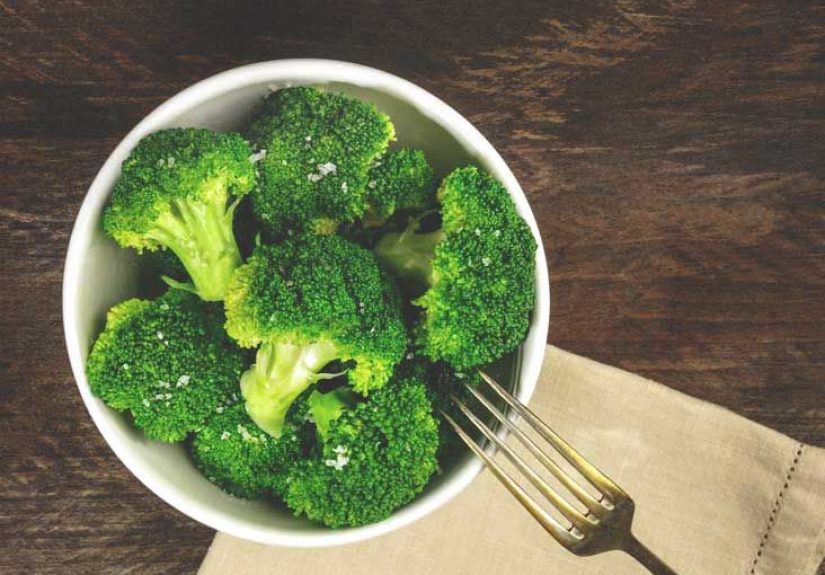
Good choices include leafy greens, broccoli, carrots, peppers, tomatoes, mushrooms, berries, apples, oranges, bananas, grapes, melons, and whatever produce is affordable and available. Fresh is great, but so are frozen and no-sugar-added or low-sodium canned options. If your budget says “frozen peas,” listen to your budget. It is often wiser than social media.
A useful trick is to stop treating produce like an optional side character. Add berries to oatmeal, spinach to eggs, sliced cucumbers to sandwiches, roasted vegetables to pasta, and fruit to snacks. Eating better often starts by making the better choice easier to grab, not by summoning superhuman discipline.
Whole Grains: Your Carbs Deserve Better PR
Carbohydrates are not the villain. The better question is which carbs. Whole grains such as oats, brown rice, quinoa, barley, farro, popcorn, and whole-wheat bread usually offer more fiber and better staying power than highly refined options.
That does not mean you can never eat white rice or a bagel again. It means your everyday routine works better when whole grains appear often enough to become normal. If your lunch leaves you hungry one hour later and you are suddenly negotiating with a vending machine, refining your carb choices may help more than blaming your willpower.
Protein: Choose the Kind That Pulls Its Weight
Protein helps with fullness, muscle maintenance, and meal balance. Helpful options include beans, lentils, chickpeas, tofu, edamame, eggs, yogurt, cottage cheese, fish, chicken, turkey, and lean cuts of meat. Nuts and seeds also contribute, especially in snacks and smaller meals.
Plant proteins deserve more love than they often get. Beans and lentils are affordable, versatile, fiber-rich, and surprisingly good at making you feel like you have your life together. Toss them into soups, grain bowls, tacos, salads, chili, or pasta sauce. No cape required.
Healthy Fats: Small Amount, Big Upgrade
Fat is not the enemy either. In fact, meals that include a reasonable amount of healthy fat usually taste better and satisfy longer. Olive oil, avocados, nuts, seeds, and nut butters are strong everyday choices. They can turn a bleak “healthy meal” into an actual lunch you would willingly repeat.
The key is proportion. A drizzle of olive oil on vegetables or a spoonful of peanut butter with apple slices makes sense. Accidentally turning a salad into a cheese-and-dressing festival with two lettuce leaves for decoration does not.
Foods That Help Fill Common Nutrition Gaps
Many people do not get enough fiber, calcium, potassium, and vitamin D. That does not mean you need to panic-buy supplements shaped like cartoon stars. It means your food choices should do more of the heavy lifting.
- Fiber: beans, lentils, oats, berries, pears, vegetables, chia seeds, whole grains
- Calcium: yogurt, milk, fortified soy beverages, cheese, calcium-set tofu, sardines, some leafy greens
- Potassium: potatoes, beans, bananas, oranges, tomatoes, yogurt, leafy greens, avocados
- Vitamin D: fortified dairy or soy products, eggs, fatty fish, and supplements when a clinician recommends them
Food first is usually the smartest foundation. Supplements can help in specific situations, but they are backup singers, not the lead vocalist.
What to Eat Less Often
Sugary Drinks
Liquid sugar is sneaky because it disappears fast and fills you poorly. Soda, sweet tea, energy drinks, and many coffee-shop creations can turn an ordinary afternoon into a sugar parade. Water, sparkling water, plain coffee, tea, or lower-sugar options usually make everyday eating easier.
Juice is not evil, but it is easy to overdo. Whole fruit usually offers more satisfaction because it brings fiber and requires actual chewing, which remains one of humanity’s most underrated wellness habits.
Very Salty, Highly Processed Foods
Packaged snacks, fast food, deli meats, frozen meals, and restaurant dishes can push sodium up fast. They are convenient, but convenience has a habit of charging hidden fees. You may not taste all that sodium, but your body definitely notices.
This does not mean you must swear off every canned soup or frozen dinner. It means read labels, compare brands, and let processed foods be helpful tools instead of the entire toolbox. Pair them with produce, add beans, toss in extra vegetables, or choose lower-sodium versions when you can.
Foods Heavy in Saturated Fat but Light on Nutrition
Some foods bring plenty of saturated fat and not much nutritional value in return: heavily fried foods, processed meats, pastries, and certain ultra-rich desserts. These can still fit occasionally, but they work best as guests, not roommates.
Healthy eating falls apart when people assume it requires perfect behavior. It does not. A cookie is not a crisis. The pattern matters more than the isolated snack. Consistency beats drama every time.
What to Eat in Real Life, Not in Fantasyland
For Breakfast
A good breakfast usually combines fiber, protein, and enough substance to prevent a 10:17 a.m. emergency pastry event. Try oatmeal with fruit and nuts, eggs with whole-grain toast and fruit, plain Greek yogurt with berries, or a smoothie that includes fruit, greens, yogurt or soy milk, and nut butter.
For Lunch
Lunch should keep you functioning, not flatten you. Grain bowls, salads with beans or chicken, turkey sandwiches with fruit and vegetables, leftovers from dinner, or soup with a side of yogurt or whole-grain toast all work well. The goal is balance, not edible punishment.
For Dinner
Dinner gets easier when you stop trying to invent a masterpiece every night. Pick one protein, one vegetable, one smart carb, and one flavor booster. For example: salmon, roasted broccoli, brown rice, and olive oil with lemon. Or black beans, fajita vegetables, corn tortillas, salsa, and avocado. Or rotisserie chicken, microwaved sweet potato, salad mix, and fruit.
For Snacks
The best snacks usually combine fiber plus protein. Think apple and peanut butter, carrots and hummus, yogurt and fruit, cheese and whole-grain crackers, or roasted chickpeas. Snacks that are mostly sugar or mostly refined starch tend to create a brief high-five followed by hunger returning like it forgot its keys.
What to Eat If You Are Busy, Tired, or On a Budget
Healthy eating gets much easier when your kitchen contains “default good options.” Keep a few basics around: oats, eggs, whole-grain bread, brown rice or quinoa, canned beans, tuna or salmon, frozen vegetables, plain yogurt, fruit, peanut butter, potatoes, and salad kits. Those foods can produce a surprising number of decent meals before anyone starts acting heroic.
Budget-friendly eating does not have to mean boring eating. Beans, lentils, oats, potatoes, bananas, cabbage, carrots, peanut butter, eggs, frozen berries, and store-brand yogurt do serious nutritional work for relatively little money. The expensive part of many diets is not health. It is packaging, branding, and marketing that makes cauliflower look emotionally important.
If cooking every day sounds exhausting, cook less often. Make extra rice. Roast a tray of vegetables. Prepare a pot of soup or chili. Grill several chicken thighs or bake tofu once and reuse them. Repetition is not failure. Repetition is how dinner stops being an ambush.
Do You Need a Special Diet?
Sometimes, yes. People with diabetes, kidney disease, celiac disease, food allergies, inflammatory bowel conditions, pregnancy-related needs, or other medical concerns may need more personalized guidance. In those cases, the question is not just “what to eat,” but “what should I eat for my situation?” That is a better question, and it often deserves a clinician or registered dietitian at the table.
For most generally healthy adults, though, the winning formula is less glamorous and more effective: eat mostly whole or minimally processed foods, build balanced meals, include variety, and make room for pleasure without letting convenience foods run the household.
Conclusion: The Best Answer to “What to Eat”
The best answer is not a miracle food, a villain list, or a six-day cleanse that makes celery feel like a personality trait. It is a repeatable pattern. Eat more vegetables and fruit. Choose whole grains often. Include protein that satisfies. Use healthy fats sensibly. Drink water. Limit added sugar, heavy sodium, and foods that are all excitement and no substance.
If that sounds almost annoyingly reasonable, that is because the strongest nutrition advice usually is. Healthy eating is not built on perfection. It is built on patterns that are practical enough to survive weekdays, grocery budgets, cravings, and the occasional slice of cake that arrives without warning and should be enjoyed without a dramatic speech.
So, what should you eat? Start with food that actually feeds you. Build from there. Repeat often. Let common sense win more days than not.
Experiences Related to “What to Eat” in Everyday Life
One of the most common experiences people have with the question “what to eat” is not confusion about nutrition facts. It is fatigue. They know vegetables are good. They know soda is not a leafy green in disguise. The problem is that life is messy, and decisions pile up. By the time dinner arrives, people are not choosing between “optimal nutrient density” and “slightly less optimal nutrient density.” They are choosing between cooking and collapsing.
That is why many people feel their eating improves the moment they stop chasing perfect meals and start building reliable ones. A parent who keeps yogurt, fruit, eggs, frozen vegetables, and whole-grain toast in the house often eats better not because the plan is exciting, but because the plan exists. A college student who learns three affordable meals they can make on autopilot is often in a better position than someone endlessly researching “superfoods” while eating crackers over the sink.
Another common experience is learning that hunger has terrible timing and no patience. People skip breakfast, grab a tiny lunch, then wonder why they are inhaling chips at 4 p.m. like a raccoon with a deadline. Once they begin eating meals with more protein, fiber, and structure, the day feels less dramatic. It is not magic. It is simply harder to make calm decisions when you are running on caffeine and optimism.
Many people also discover that healthy eating gets easier when they stop dividing food into moral categories like “good,” “bad,” “clean,” and “cheating.” That language can make every meal feel like a character test. In real life, a burger does not make you irresponsible, and a salad does not make you virtuous. What matters more is the larger pattern across the week. People who make room for both nourishing meals and enjoyable treats often do better long term than people who try to eat with military intensity until they inevitably rebel against their own rules.
There is also a strong emotional side to the question of what to eat. Food is tied to comfort, family, celebration, routine, stress relief, and culture. People often feel better about eating when they stop trying to erase those connections and instead work with them. That may mean making a favorite family dish more balanced rather than banning it. It may mean adding a vegetable side to takeout instead of pretending takeout will never happen again. Sustainable habits tend to grow from respect for real life, not from fantasy versions of it.
Finally, people often report that the biggest shift is surprisingly small: they begin asking a better version of the original question. Not “What is the healthiest thing on Earth?” but “What will keep me full, energized, and reasonably satisfied right now?” That question leads to better choices more often. Maybe it is oatmeal with fruit and walnuts. Maybe it is a turkey sandwich with apple slices. Maybe it is leftover rice, beans, vegetables, and avocado. The point is not to become nutritionally flawless. The point is to become a little more intentional, a little more prepared, and a lot less likely to let random hunger run the meeting.