Table of Contents >> Show >> Hide
- Why Eating After Exercise Matters
- Do You Really Need to Eat Within an Hour?
- The Best Post-Workout Snack Formula
- Best Post-Workout Snacks to Eat Within an Hour
- 1. Greek Yogurt with Berries and Granola
- 2. Chocolate Milk
- 3. Turkey Sandwich on Whole-Grain Bread
- 4. Peanut Butter Banana Toast
- 5. Cottage Cheese with Pineapple
- 6. Smoothie with Protein, Fruit, and Milk
- 7. Eggs with Whole-Grain Toast
- 8. Tuna and Whole-Grain Crackers
- 9. Hummus with Pita and Veggies
- 10. Oatmeal with Milk and Nut Butter
- 11. Edamame with Rice Cakes or Fruit
- 12. Chicken, Rice, and Salsa
- Post-Workout Snacks Based on Your Workout Type
- What If You Are Trying to Lose Weight?
- What If You Are Building Muscle?
- Common Post-Workout Nutrition Mistakes
- Easy Post-Workout Snack Ideas You Can Prep Ahead
- Real-Life Experience: Learning What to Eat After Exercise Without Overthinking It
- Conclusion: The Best Post-Workout Snack Is the One That Helps You Recover
You finished your workout. Your shirt is damp, your legs feel like overcooked noodles, and your brain is already negotiating with the couch. Before you collapse dramatically like a movie hero after saving the city, there is one important question to answer: what should you eat after exercise?
The best post-workout snacks are not mysterious fitness influencer potions or neon powders with names like “Mega Beast Thunder Fuel.” For most people, smart recovery food is surprisingly simple: a mix of carbohydrates, protein, fluids, and, depending on the workout, a little sodium. Eat within about an hour after exercise when possible, especially after a hard, long, or strength-focused session, and your body gets the raw materials it needs to refill energy stores, repair muscle, and help you feel human again.
This guide breaks down what to eat after a workout, why the first hour matters, and which easy post-workout snacks actually make sense in real life. No food guilt, no complicated math unless you enjoy math after burpees, and no pretending that a plain rice cake is a personality.
Why Eating After Exercise Matters
Exercise is good stress. It challenges your muscles, uses stored carbohydrate called glycogen, increases fluid loss through sweat, and creates tiny amounts of muscle damage that your body later repairs. That repair process is one of the reasons you get stronger, faster, and fitter over time.
Post-workout nutrition supports three major recovery goals:
- Refueling: Carbohydrates help replace muscle glycogen, your body’s stored exercise fuel.
- Repairing: Protein provides amino acids that support muscle repair and growth.
- Rehydrating: Fluids and electrolytes help replace what you lose through sweat.
If your workout was light, short, or followed by a balanced meal soon afterward, you may not need a special snack. But if you exercised hard, trained for more than an hour, lifted weights, ran intervals, played a sport, or will train again within 24 hours, eating after exercise becomes more important.
Do You Really Need to Eat Within an Hour?
The phrase “anabolic window” has made many gym-goers panic, as if their muscles turn into pumpkins 61 minutes after a workout. Thankfully, the truth is less dramatic. You do not instantly lose your progress if you miss the one-hour mark. However, eating within 30 to 60 minutes can be helpful, especially when recovery time is limited or your workout was intense.
Within the first hour after exercise, your muscles are especially ready to absorb nutrients. Carbohydrates can help replenish glycogen, while protein helps begin the repair process. Think of this window as an open grocery delivery slot for your muscles. You can still deliver later, but sooner is often more convenient and effective.
A practical rule: if your next full meal is more than one to two hours away, have a post-workout snack. If you are going straight home to a balanced dinner with protein, carbs, and vegetables, that meal can be your recovery nutrition.
The Best Post-Workout Snack Formula
A good post-workout snack does not need to be fancy. Aim for this simple formula:
1. Protein for Muscle Repair
Most active adults do well with about 15 to 30 grams of protein after exercise, depending on body size, training intensity, and total daily protein intake. Protein gives your body amino acids, the building blocks used to repair and maintain muscle tissue.
Good post-workout protein sources include Greek yogurt, eggs, cottage cheese, turkey, tuna, milk, tofu, edamame, protein smoothies, chicken, beans, and lentils.
2. Carbohydrates for Energy Replacement
Carbs are not the villain in your fitness story. They are more like the reliable friend who brings snacks to a road trip. During exercise, especially cardio, sports, HIIT, and long sessions, your body uses stored carbohydrate for fuel. Eating carbs after exercise helps refill those stores.
Good post-workout carbohydrate sources include fruit, oats, whole-grain bread, rice, potatoes, sweet potatoes, crackers, cereal, tortillas, pretzels, and smoothies.
3. Fluids and Electrolytes for Rehydration
If you barely sweat, water is probably enough. If your workout was long, hot, humid, or very sweaty, add sodium and other electrolytes. That might mean a sports drink, electrolyte tablet, salted pretzels, soup, cottage cheese, or a snack that naturally includes sodium.
4. A Little Fat Is Fine
Healthy fats from avocado, nuts, seeds, olive oil, or nut butter can make a snack more satisfying. Just avoid making your immediate post-workout snack extremely high in fat if you need fast digestion. A peanut butter sandwich? Great. A mountain of fried food right after sprints? Your stomach may file a formal complaint.
Best Post-Workout Snacks to Eat Within an Hour
Here are practical, balanced post-workout snacks that combine protein and carbohydrates without requiring a culinary degree or a second mortgage.
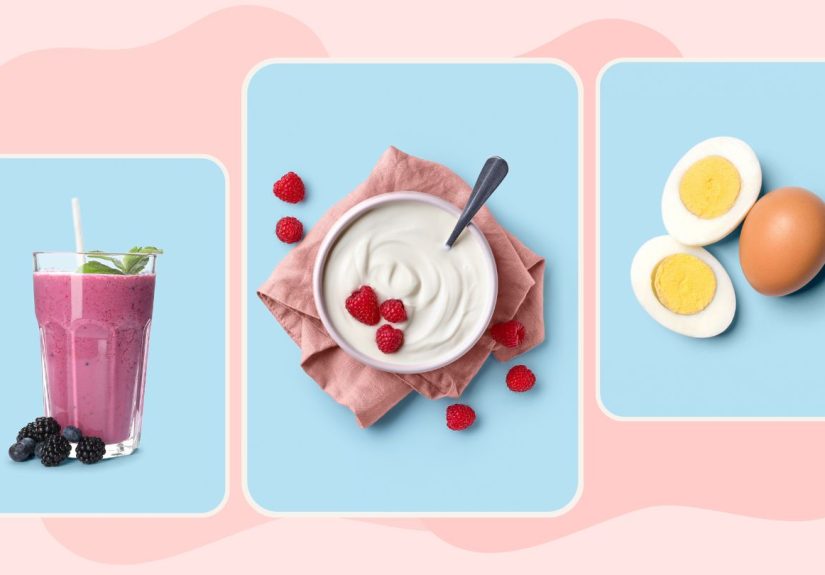
1. Greek Yogurt with Berries and Granola
Greek yogurt is rich in protein, while berries and granola add carbohydrates, fiber, and flavor. This snack works well after strength training, a morning run, or a sweaty spin class. Choose plain Greek yogurt if you want less added sugar, then add fruit, honey, or granola to taste.
Try this: One cup of Greek yogurt with blueberries, strawberries, and a small handful of granola.
2. Chocolate Milk
Low-fat chocolate milk is a classic recovery drink for a reason. It naturally provides carbohydrates, protein, fluid, and electrolytes. It is especially useful when you do not feel like chewing after a hard workout. Also, it tastes like childhood decided to support your fitness goals.
Try this: One 12- to 16-ounce glass of low-fat chocolate milk after a long run, bike ride, or sports practice.
3. Turkey Sandwich on Whole-Grain Bread
A turkey sandwich offers lean protein and carbohydrates in one portable package. Add lettuce, tomato, mustard, or avocado for extra nutrients and satisfaction. This is a smart option if your post-workout snack is closer to a small meal.
Try this: Whole-grain bread, sliced turkey, tomato, spinach, and a thin spread of hummus or avocado.
4. Peanut Butter Banana Toast
Bananas provide quick carbohydrates and potassium, while peanut butter adds protein, fat, and staying power. Use whole-grain toast for more complex carbs. This snack is simple, affordable, and dependable, like the sweatpants of post-workout nutrition.
Try this: One slice of whole-grain toast with peanut butter and banana slices.
5. Cottage Cheese with Pineapple
Cottage cheese is packed with protein, including casein, a slower-digesting protein. Pineapple adds carbohydrates, sweetness, and a refreshing bite. This is a great post-workout snack for people who want something cool, creamy, and easy.
Try this: One cup of cottage cheese with pineapple chunks and a sprinkle of cinnamon.
6. Smoothie with Protein, Fruit, and Milk
A smoothie is perfect when your appetite is low but your body needs fuel. Blend fruit for carbohydrates, milk or yogurt for protein, and optional oats for extra energy. Protein powder can be useful, but it is not mandatory if you use Greek yogurt, milk, or soy milk.
Try this: Milk, Greek yogurt, banana, frozen berries, and a spoonful of oats.
7. Eggs with Whole-Grain Toast
Eggs provide high-quality protein, and toast adds carbohydrates. This combination is especially good after morning workouts. Add fruit if you need more carbs or vegetables if you want a fuller meal.
Try this: Two scrambled eggs with one or two slices of whole-grain toast and an orange.
8. Tuna and Whole-Grain Crackers
Tuna is rich in protein and convenient when kept in packets or cans. Pair it with whole-grain crackers for carbohydrates. This snack is practical for office workouts, gym bags, or anyone who likes recovery food with serious “I planned ahead” energy.
Try this: Tuna mixed with a little Greek yogurt or olive oil, served with whole-grain crackers.
9. Hummus with Pita and Veggies
For a plant-forward option, hummus offers some protein and carbohydrates, while pita adds more recovery-friendly carbs. Add vegetables for crunch, hydration, and micronutrients. If your workout was intense, include extra pita or pair it with fruit.
Try this: Hummus with whole-wheat pita, carrots, cucumbers, and grapes.
10. Oatmeal with Milk and Nut Butter
Oatmeal is not just breakfast; it is a recovery bowl wearing cozy pajamas. Oats provide carbohydrates, milk adds protein, and nut butter contributes healthy fat. Add banana, berries, or raisins for extra carbs.
Try this: Oats cooked with milk, topped with banana slices and a spoonful of peanut butter.
11. Edamame with Rice Cakes or Fruit
Edamame is a strong plant-based protein option. Pair it with rice cakes, fruit, or a small bowl of rice to add carbohydrates. Sprinkle with a little sea salt if you had a sweaty workout.
Try this: Steamed edamame with sea salt and a banana.
12. Chicken, Rice, and Salsa
If you want something more meal-like, chicken and rice is a reliable recovery combo. Salsa adds flavor without heaviness, and you can add beans, avocado, or vegetables based on appetite.
Try this: Grilled chicken, rice, black beans, salsa, and shredded lettuce.
Post-Workout Snacks Based on Your Workout Type
After Strength Training
Focus on protein plus moderate carbohydrates. Your muscles need amino acids for repair, and carbs help restore energy. Good options include Greek yogurt with fruit, eggs and toast, a turkey sandwich, or a protein smoothie with banana.
After Running or Cycling
Prioritize carbohydrates along with protein, especially after long or intense sessions. Try chocolate milk, oatmeal with milk, a smoothie, rice with chicken, or peanut butter banana toast.
After HIIT
HIIT can drain energy quickly and leave you sweating like your body is trying to win a sprinkler contest. Choose easily digestible carbs and protein, such as a smoothie, yogurt with fruit, or tuna with crackers.
After Yoga, Pilates, or Light Exercise
If the session was gentle and under an hour, hydration may be enough until your next meal. If you are hungry, choose a lighter snack like fruit with yogurt, hummus and vegetables, or a boiled egg with toast.
What If You Are Trying to Lose Weight?
Post-workout nutrition still matters if weight loss is your goal. Skipping food after exercise can backfire by increasing hunger later, lowering energy, or making you more likely to raid the pantry like a raccoon with a gym membership.
The key is portion size and balance. Choose a snack that supports recovery without turning into an accidental second dinner. Good options include Greek yogurt with berries, a boiled egg with fruit, cottage cheese, edamame, or a small smoothie.
Remember, the goal is not to “earn” food through exercise. Food is fuel, recovery, and nourishment. Exercise is not a punishment for eating, and snacks are not moral decisions. Your body is not a spreadsheet with sneakers.
What If You Are Building Muscle?
If your goal is muscle growth, post-workout protein becomes especially important, but total daily intake matters even more. Eating enough protein throughout the day supports muscle protein synthesis. After training, aim for a snack or meal with quality protein and carbohydrates.
Strong muscle-building options include eggs and toast, Greek yogurt with granola, chicken and rice, cottage cheese with fruit, a turkey sandwich, or a smoothie with milk and protein-rich ingredients.
Common Post-Workout Nutrition Mistakes
Mistake 1: Eating Only Protein
Protein is important, but carbs help restore energy. A plain protein shake may be fine after a short lifting session, but after a hard workout, adding fruit, oats, cereal, or toast can improve recovery.
Mistake 2: Forgetting Hydration
You can eat the perfect snack and still feel terrible if you are dehydrated. Drink water after exercise, and consider electrolytes after long, hot, or sweaty workouts.
Mistake 3: Going Too Heavy Too Soon
A greasy, oversized meal immediately after exercise can cause stomach discomfort. If your appetite is low, start with a smoothie, chocolate milk, yogurt, or fruit and protein.
Mistake 4: Assuming Everyone Needs the Same Snack
Your best post-workout snack depends on your workout, body size, appetite, goals, and schedule. A competitive runner and someone taking a 30-minute walk do not need the same recovery plan.
Easy Post-Workout Snack Ideas You Can Prep Ahead
- Greek yogurt cups with berries and granola packed separately
- Hard-boiled eggs with whole-grain crackers
- Turkey and cheese roll-ups with fruit
- Overnight oats made with milk and chia seeds
- Chocolate milk and pretzels
- Cottage cheese with peaches or pineapple
- Protein smoothie freezer packs
- Hummus, pita, and baby carrots
- Peanut butter banana sandwich
- Edamame with a piece of fruit
Real-Life Experience: Learning What to Eat After Exercise Without Overthinking It
Most people do not discover their ideal post-workout snack by reading a perfect chart. They discover it through trial, error, hunger, and occasionally making the bold mistake of eating something too heavy after a workout. Fitness nutrition is personal, and your stomach gets a vote.
One of the most useful lessons from real-life exercise routines is that convenience matters. The “best” post-workout snack is not helpful if it requires 14 ingredients, a blender, a cutting board, and the emotional strength of a restaurant chef. After exercise, people are tired. They may be rushing to work, picking up kids, heading to class, or trying to shower before becoming a public safety concern. That is why simple snacks often win.
For morning workouts, many people do well with Greek yogurt and fruit, a smoothie, or eggs with toast. These foods feel like breakfast, provide protein and carbs, and do not sit too heavily. A banana with peanut butter can work when time is short, while oatmeal with milk is excellent when you want something warm and filling.
After lunchtime workouts, portability becomes the main challenge. A turkey sandwich, cottage cheese cup, tuna packet with crackers, or chocolate milk can be easier than trying to assemble a balanced meal while answering emails. Keeping snacks at work or in a gym bag can prevent the classic post-workout situation where you become so hungry that a vending machine starts looking like a trusted nutrition counselor.
Evening workouts bring a different issue: dinner timing. If dinner is ready within an hour, there is usually no need for a separate snack. A balanced plate with chicken, fish, tofu, beans, rice, potatoes, vegetables, and water can handle recovery beautifully. But if dinner is delayed, a small snack can prevent overeating later. Cottage cheese with fruit, hummus with pita, or a small smoothie can bridge the gap.
Another experience-based tip: liquid recovery foods can be incredibly helpful when appetite disappears. After intense running, cycling, or HIIT, some people do not want solid food right away. Chocolate milk, a fruit smoothie, or a drinkable yogurt can be easier to tolerate while still providing carbs, protein, and fluid.
It also helps to match the snack to the workout. After a light walk or gentle yoga class, you may only need water and your next regular meal. After heavy lifting, protein becomes more important. After endurance training, carbohydrates deserve more attention. After a hot outdoor workout, hydration and sodium matter more than usual.
The biggest practical lesson is this: consistency beats perfection. You do not need to hit exact grams every time. You do not need a supplement shelf that looks like a science lab. You need a repeatable routine that helps you recover, feel good, and show up for the next workout. Start with a few reliable combinations: yogurt and fruit, eggs and toast, chocolate milk and pretzels, a turkey sandwich, oatmeal with milk, or a smoothie. Then pay attention to how you feel during the next few hours and the next training session.
If you feel energized, satisfied, and ready to move again, your snack is doing its job. If you feel sluggish, ravenous, bloated, or lightheaded, adjust the portion, timing, or ingredients. Your body gives feedback. Sometimes it whispers. Sometimes it yells from the couch while holding a bag of chips.
Conclusion: The Best Post-Workout Snack Is the One That Helps You Recover
Knowing what to eat after exercise does not have to be complicated. Within about an hour after a workout, aim for a snack or meal that includes protein, carbohydrates, and fluids. Add electrolytes if you sweat heavily, and adjust portions based on your workout intensity and goals.
For most people, the best post-workout snacks are simple: Greek yogurt with berries, chocolate milk, eggs with toast, peanut butter banana toast, cottage cheese with fruit, a turkey sandwich, oatmeal with milk, or a smoothie. These foods help repair muscle, restore energy, and make recovery feel less like a chore and more like a reward.
The goal is not perfection. The goal is nourishment that fits your real life. Eat enough, hydrate well, listen to your body, and remember: your workout does not end when you stop moving. Recovery is part of the training plan, and yes, snacks absolutely count as strategy.
Note: This article is for general educational purposes and is not a substitute for personalized medical or nutrition advice. People with medical conditions, eating disorders, diabetes, kidney disease, food allergies, or special athletic needs should consult a qualified healthcare professional or registered dietitian.